
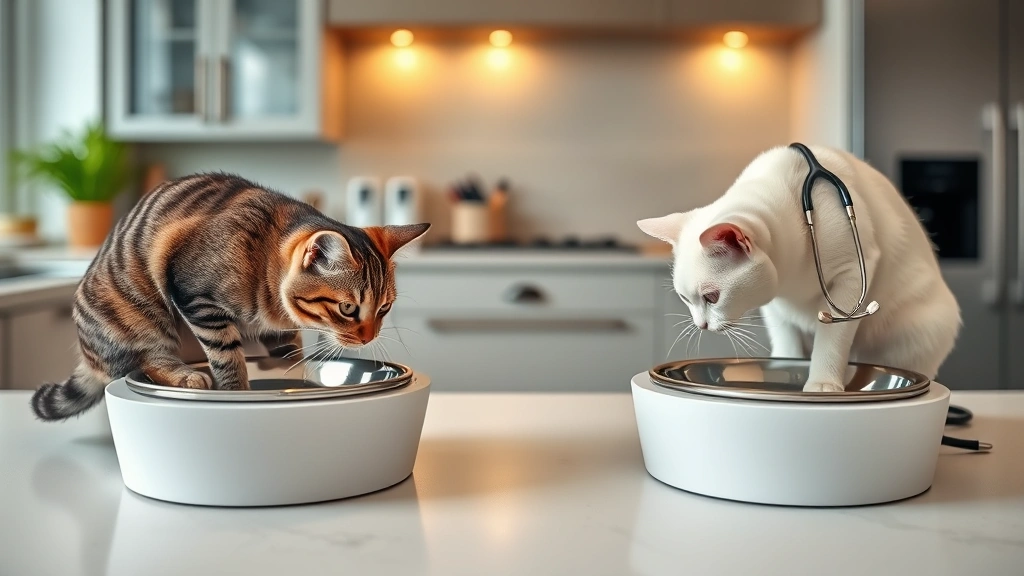
Giving Medication in Multi-Pet Homes: Prevent Food Mix-Ups
Keep medicated food away from other pets, avoid double doses, store prescriptions safely, and know what to do if the wrong animal eats medicine.
Keep medicated food away from other pets, avoid double doses, store prescriptions safely, and know what to do if the wrong animal eats medicine.
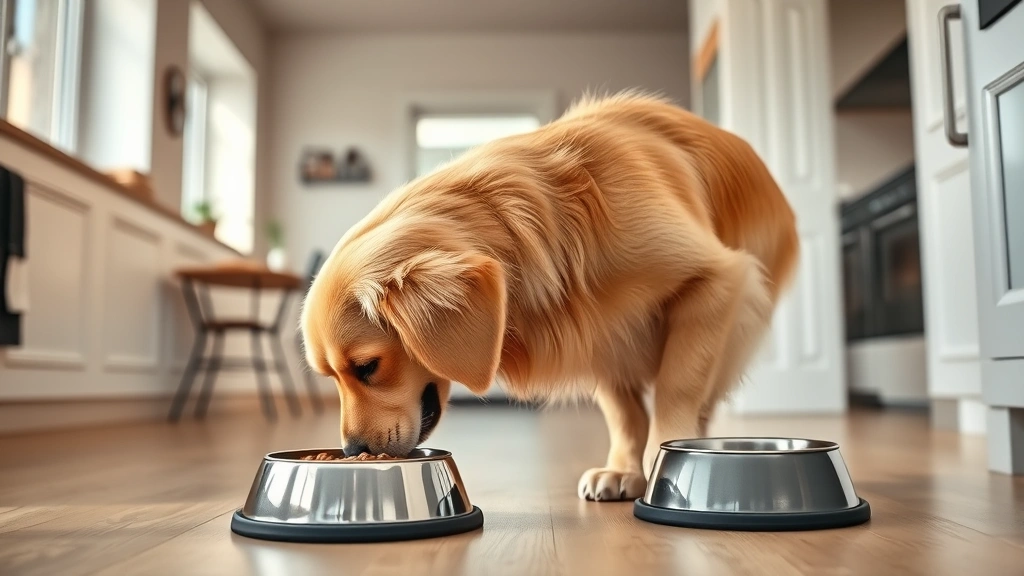
Feeding dogs and cats in separate areas makes it easier to monitor portions, prevent food competition, and accommodate special diets. Here’s a practical setup.

How long canned dog and cat food can safely stay in the bowl, how to store opened cans, bowl cleaning, and signs your pet ate spoiled food.
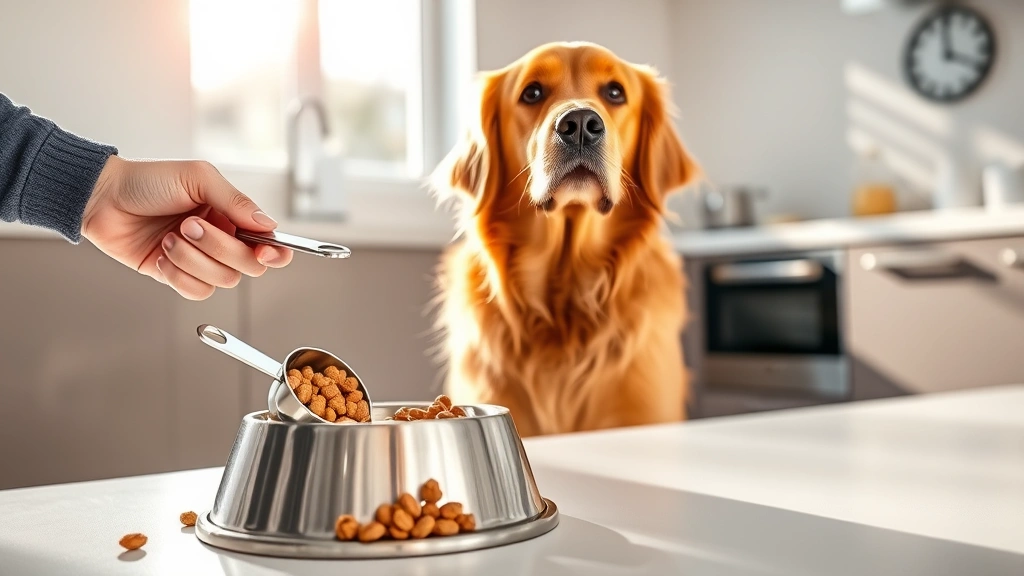
Learn how to store opened kibble, recognize spoiled pet food, choose bag sizes, and keep dry dog and cat food safe using FDA and AVMA guidance.
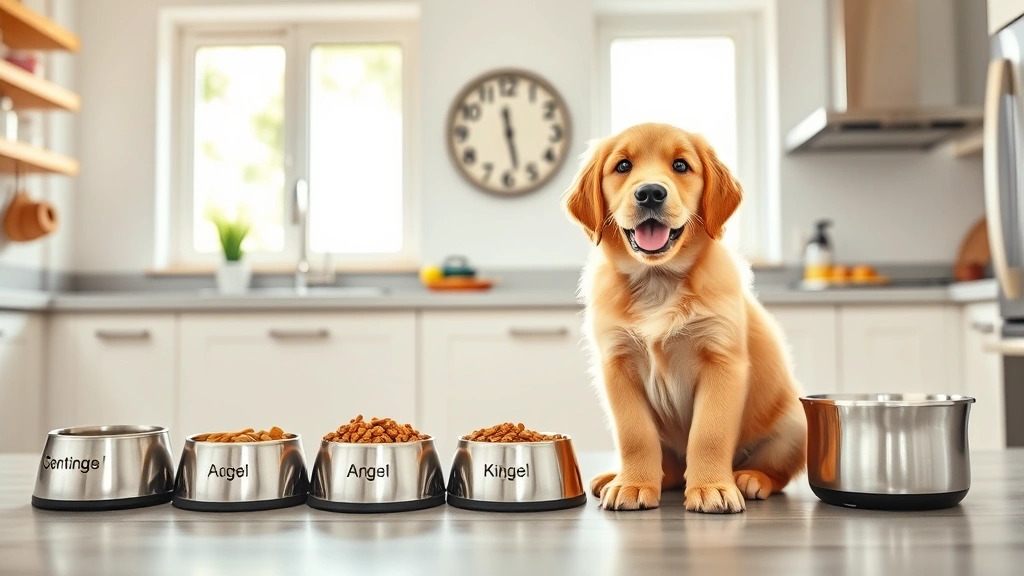
How long dry food, treats, raw diets, and opened cans stay safe, how to store them, bowl hygiene, and how to stay on top of recalls.
Giving a dog or cat daily medication can become the hardest part of the routine, especially when your pet recognizes
A practical, veterinarian-guided food trial schedule for dogs and cats: diet selection, strict feeding, symptom logs, timing, and rechallenge.
How to run a food elimination trial for suspected food allergy in dogs and cats, choosing the diet, avoiding hidden foods, and the rechallenge step.
If your dog or cat has persistent itching, ear problems, vomiting, or diarrhea, food allergy may be one possibility—but these
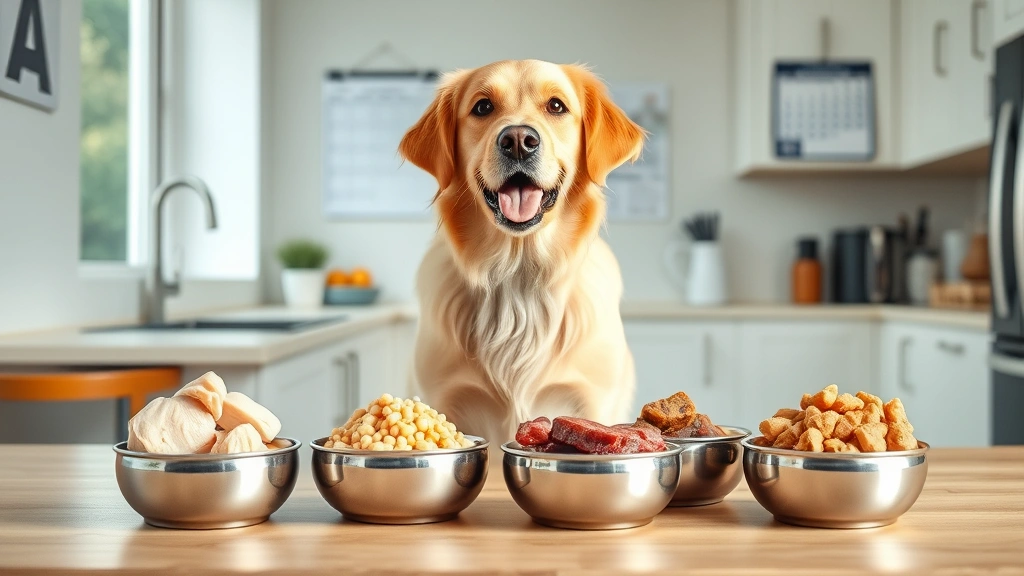
Protein rotation is optional for most healthy pets. Learn when changing foods makes sense, how to transition safely, and when to avoid it.