
If your dog has been experiencing sudden diarrhea, vomiting, or abdominal discomfort, a clostridium infection in dogs might be the culprit behind their distress. This bacterial infection is more common than many pet owners realize, and the good news is that it’s highly treatable when caught early. Understanding what causes it, how to spot the signs, and what treatment options exist can help you feel confident and prepared to support your furry friend’s recovery.
Table of Contents
- What Is Clostridium Infection in Dogs?
- Common Signs Your Dog May Have a Clostridium Infection
- What Causes Clostridium Overgrowth in Dogs?
- How Veterinarians Diagnose Clostridium Infection
- Treatment Approaches for Clostridium Infection
- Medications Commonly Used to Treat Clostridium Infection
- The Role of Diet in Recovery
- Prevention: Keeping Your Dog’s Gut Healthy
- When to Seek Urgent Veterinary Care
- Clostridium Infection in Cats vs. Dogs
- Recovery Timeline and What to Expect
- Frequently Asked Questions
- What To Do Now
- Summary: Supporting Your Dog Through Clostridium Infection
This article is for informational purposes only and is not a substitute for professional veterinary advice. Always consult a licensed veterinarian for diagnosis and treatment.
What Is Clostridium Infection in Dogs?
Clostridium is a genus of bacteria that naturally lives in the gastrointestinal tract of dogs and many other animals. In healthy dogs with a balanced gut microbiome, these bacteria cause no problems. However, when the balance shifts—due to stress, dietary changes, antibiotics, or other factors—clostridium can overgrow and produce toxins that damage the intestinal lining.
This condition is sometimes called clostridial colitis or antibiotic-associated diarrhea, depending on the underlying cause. It’s important to note that clostridium infection is different from other serious conditions like pancreatitis in dogs, though both can cause similar digestive symptoms.
Common Signs Your Dog May Have a Clostridium Infection
Recognizing the early warning signs can make a huge difference in your dog’s recovery. The most obvious symptom is sudden-onset diarrhea, often watery and sometimes with a distinctive foul odor. Your dog may also experience:
- Frequent bowel movements or straining to defecate
- Mucus or blood in the stool
- Vomiting or loss of appetite
- Abdominal pain or bloating
- Lethargy or unusual tiredness
- Fever in more severe cases
Catching these signs early puts you in a great position to help your dog recover quickly. If you notice any combination of these symptoms, especially diarrhea lasting more than a day or two, it’s worth reaching out to your veterinarian.
What Causes Clostridium Overgrowth in Dogs?
Understanding the root cause is essential for both treatment and prevention. Several factors can trigger clostridium overgrowth:
Antibiotic Use: Ironically, antibiotics prescribed for other infections can kill off beneficial bacteria, allowing clostridium to flourish. This is why antibiotic-associated diarrhea is so common.
Dietary Changes: Switching dog food too quickly or introducing new treats can disrupt gut balance. Always transition slowly over 7-10 days when changing foods dogs should avoid or introducing new diets.
Stress: Boarding, travel, or major life changes can weaken your dog’s immune system and digestive health.
Underlying Health Conditions: Immune disorders, inflammatory bowel disease, or other gastrointestinal issues increase susceptibility.
Poor Diet Quality: Low-quality commercial foods with excessive fillers and low digestibility can contribute to dysbiosis (bacterial imbalance).
How Veterinarians Diagnose Clostridium Infection
Your vet will typically start with a thorough physical exam and discussion of your dog’s symptoms and recent history. To confirm a clostridium infection, they may recommend:
- Fecal Testing: A stool sample analyzed for clostridial toxins (toxin A and B) is the gold standard for diagnosis.
- Blood Work: To rule out other conditions and assess your dog’s overall health.
- Abdominal Ultrasound: In severe cases, imaging may be needed to check for complications.
These diagnostic steps help your vet rule out other causes of diarrhea, such as parasites, food allergies, or more serious conditions like pancreatitis.
Treatment Approaches for Clostridium Infection
Once diagnosed, treatment focuses on eliminating the bacterial overgrowth, reducing inflammation, and restoring gut health. Your veterinarian will tailor the approach based on your dog’s severity and underlying causes.
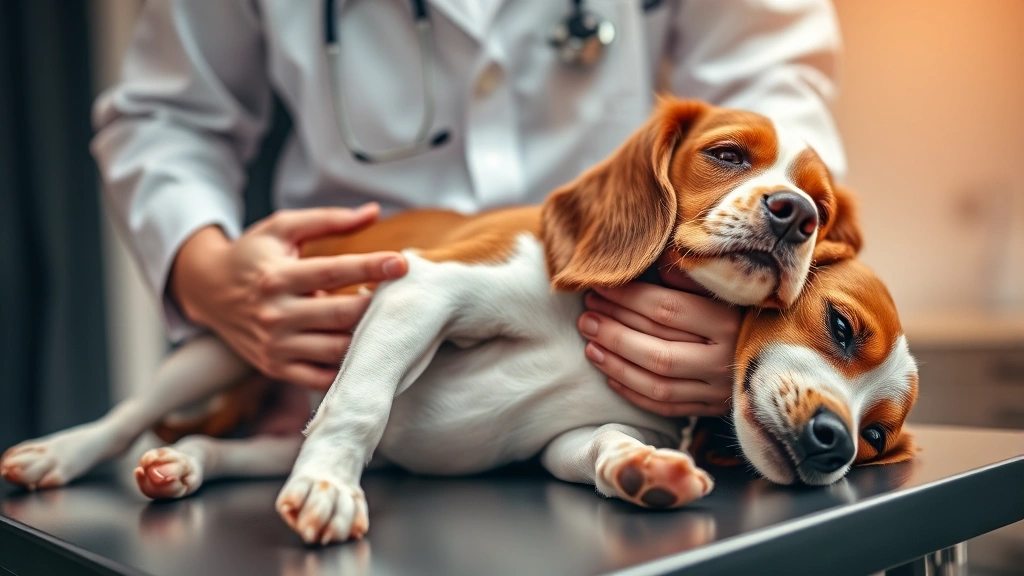
Antimicrobial Therapy: Specific antibiotics or antimicrobials are often prescribed to target clostridium. Your vet will choose the most appropriate option based on the infection’s severity and your dog’s individual needs. These medications work by reducing the bacterial population and allowing the gut microbiome to rebalance.
Probiotics and Prebiotics: These supplements help restore beneficial bacteria and support a healthy gut environment. Many vets recommend continuing probiotics even after the infection clears to prevent recurrence.
Dietary Management: A bland, easily digestible diet—often including boiled chicken and rice or a prescription gastroenterology diet—helps reduce intestinal inflammation and stress on the digestive system.
Supportive Care: Ensuring your dog stays hydrated is crucial, especially if diarrhea is severe. Your vet may recommend electrolyte solutions or IV fluids in serious cases.
Medications Commonly Used to Treat Clostridium Infection
While specific dosages and medication choices must be determined by your veterinarian, several antimicrobial options are frequently used for clostridium infections:
Metronidazole: This is often a first-line choice for clostridial infections. It’s effective against anaerobic bacteria and has a good safety profile in dogs.
Tylosin: A macrolide antibiotic that works well for clostridial colitis and is often preferred when metronidazole hasn’t been effective.
Enrofloxacin: A fluoroquinolone antibiotic used in more severe or resistant infections.
Fidaxomicin: A newer option that specifically targets clostridium with minimal impact on beneficial gut bacteria, though it’s less commonly used due to cost.
Your veterinarian will select the best medication based on your dog’s specific situation, any previous antibiotic sensitivities, and the severity of infection. Never adjust dosages or stop medication early without veterinary guidance—completing the full course is essential for preventing relapse.
The Role of Diet in Recovery
Nutrition plays a starring role in helping your dog recover from clostridium infection. During the acute phase, a bland, low-fat diet is typically recommended to minimize digestive stress.
Once your dog begins improving, gradually reintroduce their regular food over 7-10 days. Some dogs benefit from a long-term switch to a high-quality, limited-ingredient diet or prescription gastroenterology food that’s easier to digest and less likely to trigger recurrence.
Adding digestive supplements like bone broth (unsalted) or omega-3 fatty acids may support gut healing. Always discuss dietary changes with your vet first.
Prevention: Keeping Your Dog’s Gut Healthy
The best medicine is prevention. Here’s how to reduce your dog’s risk of clostridium overgrowth:
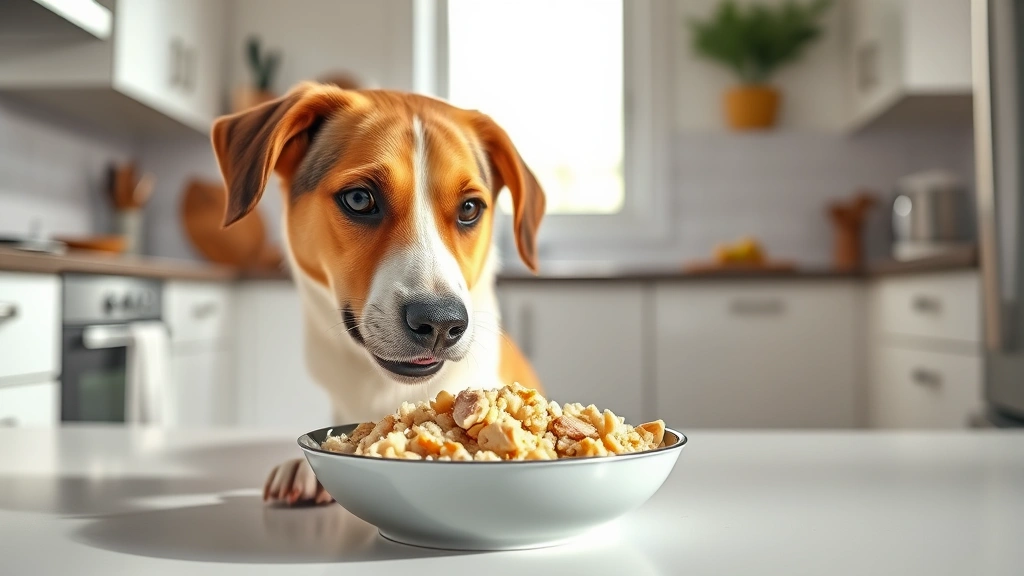
- Use Antibiotics Wisely: Only give antibiotics when truly necessary, and always complete the full course as prescribed. Ask your vet about probiotic support during antibiotic treatment.
- Transition Foods Slowly: Change dog food gradually over 7-10 days to minimize digestive disruption.
- Maintain a Quality Diet: Feed high-quality, digestible food that supports a healthy microbiome. Avoid excessive treats and table scraps.
- Manage Stress: Keep your dog’s environment calm and predictable. Regular exercise and mental stimulation support overall immune health.
- Regular Vet Checkups: Routine wellness visits help catch digestive issues early before they become serious.
- Consider Probiotics: Ask your vet about whether a quality probiotic supplement might benefit your dog’s long-term gut health.
When to Seek Urgent Veterinary Care
Most cases of clostridium infection respond well to treatment, but some situations require immediate attention. Seek emergency care if your dog experiences:
- Severe, bloody diarrhea or vomiting
- Signs of dehydration (dry gums, lethargy, sunken eyes)
- High fever or signs of shock
- Severe abdominal pain
- Inability to keep food or water down for more than a few hours
If you’re unsure whether your pet needs urgent care, a quick telehealth check-in with a veterinarian can give you peace of mind—no appointment needed. The Pet Vet’s telehealth service makes it easy to get professional guidance when you need it most.
Clostridium Infection in Cats vs. Dogs
While this article focuses on dogs, it’s worth noting that cats can also develop clostridial infections, though they’re less common in felines. If you have both dogs and cats, be aware that the symptoms and treatment approaches may differ. For more information, check out our guide on clostridium infection in cats.
Recovery Timeline and What to Expect
With appropriate treatment, most dogs show improvement within 3-5 days. Complete recovery typically takes 1-2 weeks, though some dogs may need longer if the infection was severe or underlying conditions are present.
During recovery, keep your dog calm and restrict activity. Monitor their stools closely—a gradual return to normal consistency and frequency is a good sign. Don’t be surprised if recovery isn’t perfectly linear; occasional loose stools during the transition back to regular food are normal.
Your vet may recommend a follow-up fecal test to confirm the infection has cleared, especially if symptoms persist beyond two weeks.
Frequently Asked Questions
Is clostridium infection contagious to other dogs or humans?
Clostridium bacteria are common in the environment and in most animals’ guts, so direct contagion is rare. However, maintaining good hygiene (washing hands after handling an infected dog’s stool) is sensible precaution.
Can clostridium infection go away on its own?
Mild cases might improve with dietary changes and rest, but most infections benefit significantly from veterinary treatment. Untreated severe infections can lead to complications, so professional care is recommended.
Will my dog get clostridium infection again?
Recurrence is possible, especially if the underlying trigger (like antibiotic use or stress) isn’t addressed. Maintaining gut health through quality diet and probiotics reduces recurrence risk.
Are there natural remedies for clostridium infection?
While probiotics, bone broth, and dietary management support recovery, they should complement—not replace—veterinary treatment. Always consult your vet before starting supplements.
How much does treatment typically cost?
Costs vary based on diagnostic testing and medication choices, but treatment is generally affordable. A telehealth consultation can help you understand your options before committing to in-person visits.
What To Do Now
- Schedule a Vet Appointment: If your dog shows signs of clostridium infection, contact your veterinarian or use a telehealth service like The Pet Vet for a prompt evaluation.
- Document Symptoms: Keep notes on when diarrhea started, frequency, appearance, and any other symptoms. This information helps your vet make an accurate diagnosis.
- Prepare a Bland Diet: Have plain boiled chicken and rice on hand in case your vet recommends dietary changes while awaiting test results.
- Avoid Self-Treatment: Don’t give over-the-counter medications or antibiotics without veterinary guidance, as some can worsen clostridial infections.
- Plan for Prevention: Once your dog recovers, discuss long-term gut health strategies with your vet, including probiotic supplementation and dietary optimization.
Summary: Supporting Your Dog Through Clostridium Infection
A clostridium infection in dogs is a treatable condition that responds well to prompt veterinary care. By recognizing early symptoms, seeking professional diagnosis, and following your vet’s treatment plan, you can help your dog recover quickly and return to their happy, healthy self.
Remember that prevention through good nutrition, stress management, and wise antibiotic use is your best defense. And if you’re ever uncertain about your dog’s symptoms or need quick guidance, telehealth services make it easier than ever to connect with a veterinarian without the wait.
Your dog’s digestive health matters, and so does your peace of mind. Don’t hesitate to reach out to your vet—they’re here to help.