
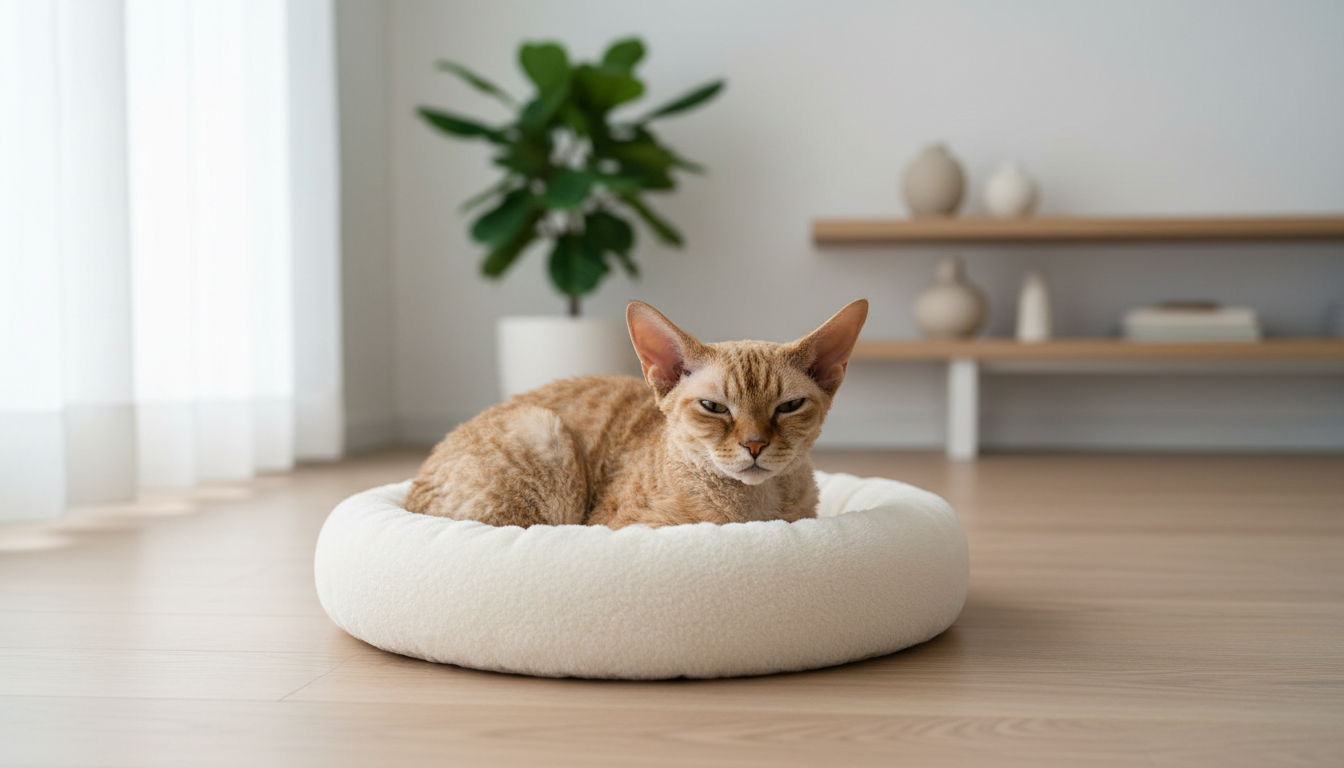
Devon Rex allergic reactions can show up in ways that catch owners off guard, from itchy skin to watery eyes to sudden tummy trouble. This curly-coated, big-eared breed seems to have a sensitive system that reacts more easily than other cats to things in food, the environment, or even flea bites. Understanding why this happens, what signs to watch for, and when to call your vet can make a real difference in your cat’s comfort.
Table of Contents
- Why Devon Rex Cats Seem More Prone to Allergies
- Common Allergy Triggers in This Breed
- Skin Symptoms to Watch For
- Digestive Signs That May Point to Allergies
- Respiratory and Eye Symptoms
- How Vets Typically Approach Diagnosis
- The Role of Flea Prevention
- Managing Food Sensitivities at Home
- Creating a Lower-Allergen Home Environment
- When Itching Becomes an Emergency
- Living With a Cat That Has Known Sensitivities
- Working Closely With Your Veterinarian
- Final Thoughts for Devon Rex Owners
Why Devon Rex Cats Seem More Prone to Allergies
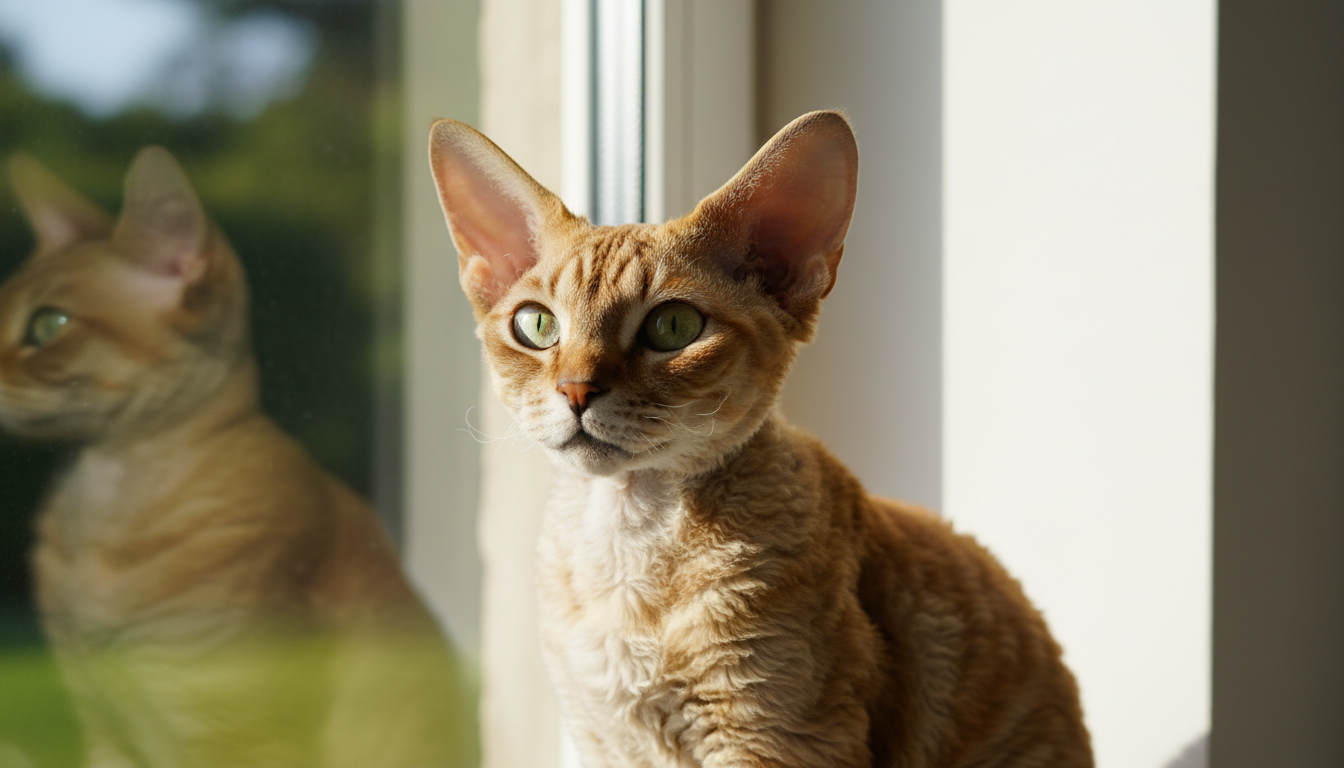
If you own a Devon Rex, you may have noticed that your cat seems to react to things that barely bother other cats. A new food, a change in laundry detergent, or even a few flea bites can trigger a reaction that seems out of proportion to the trigger. While no formal explanation has been proven for why this breed tends to run sensitive, many vets and longtime Devon Rex owners describe this pattern consistently enough that it’s worth paying attention to.
Part of this may simply come down to the breed’s unusual skin and coat structure. The Devon Rex has thinner skin and a sparse, curly coat that offers less of a barrier against irritants than the dense fur of other breeds. Skin that’s more exposed to the environment may also be more reactive to allergens that land on it, whether that’s pollen, dust, or residue from cleaning products.
Whatever the underlying reason, the practical takeaway for owners is the same: pay close attention to your cat’s skin, coat, digestion, and overall behavior, and don’t assume every itch or stomach upset is nothing. Catching a pattern early and discussing it with your vet is far easier than untangling a long-standing allergy later.
Common Allergy Triggers in This Breed
Allergic reactions in Devon Rex cats tend to fall into a few familiar categories, even though each individual cat’s specific triggers can vary widely. Food allergies are one of the more frequently discussed issues, with certain protein sources or additives seeming to set off digestive or skin symptoms in sensitive cats. Environmental allergens, like dust mites, mold, or seasonal pollen, are another common culprit, especially in cats that spend time near open windows or in homes with forced-air heating and cooling.
Flea allergy dermatitis is also worth mentioning, because even a single flea bite can cause an outsized reaction in a cat who’s allergic to flea saliva. Given the Devon Rex’s thin coat and skin, the irritation from flea bites may be more visible and more intense than in heavily coated breeds. Household chemicals, fragranced litter, and certain fabrics can round out the list of possible triggers that owners sometimes overlook.
- Specific protein sources in commercial cat food
- Dust, mold spores, and seasonal pollen
- Flea bites, even from minimal exposure
- Scented litter, cleaning products, or laundry detergent
- Certain fabrics or bedding materials
Skin Symptoms to Watch For
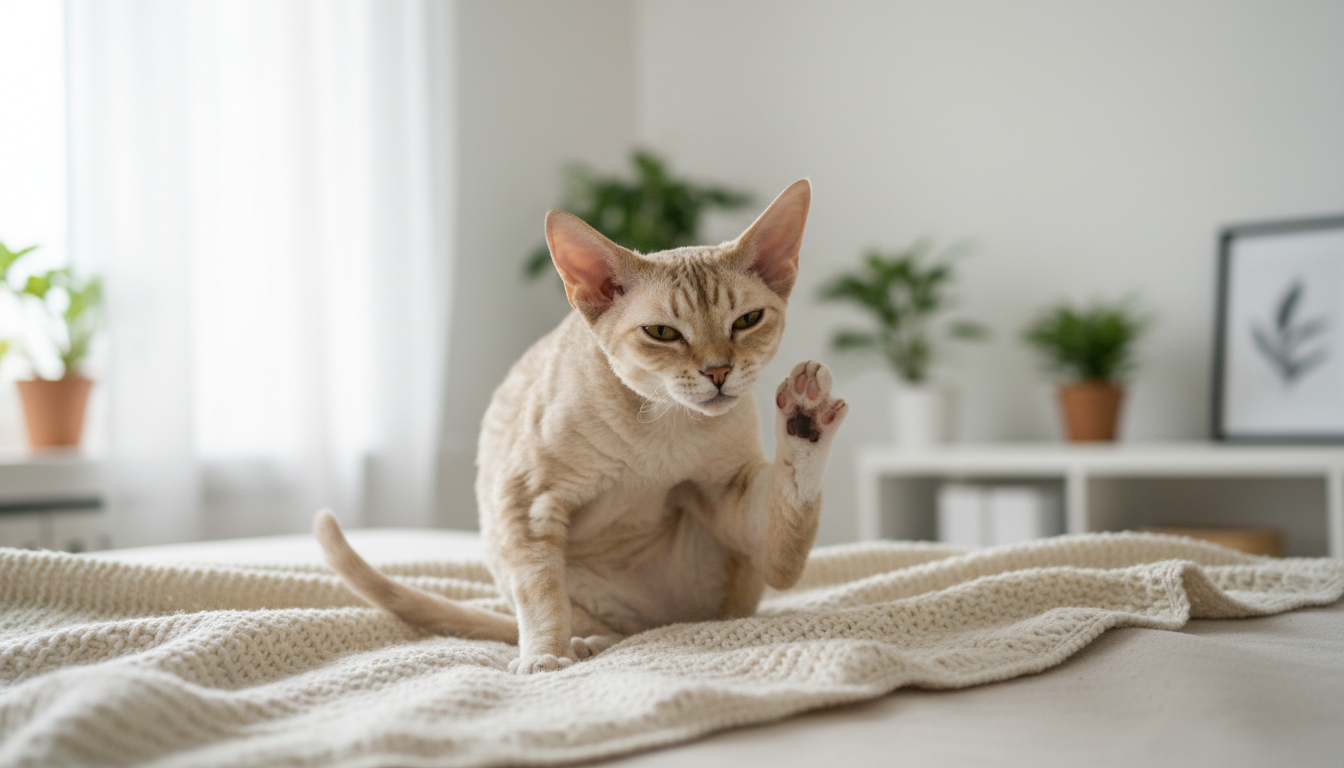
Because the Devon Rex’s skin is so exposed, allergic reactions often show up there first. You might notice your cat scratching more than usual, developing small red bumps, or losing patches of their already-thin coat. Some cats will over-groom a specific area, like the belly or inner legs, until the skin looks raw or inflamed. Because this breed’s coat is already sparse, hair loss or skin irritation can be more noticeable here than it would be on a more heavily furred cat.
Chronic scratching or licking can also lead to secondary skin infections, which may present as crusty scabs, oozing sores, or an unpleasant odor. If you notice your cat’s skin looking consistently irritated rather than just occasionally itchy, it’s worth having your vet take a closer look rather than waiting to see if it resolves on its own.
- Excessive scratching, licking, or chewing at the skin
- Red, inflamed patches, especially on the belly or legs
- Hair thinning beyond what’s normal for the breed
- Scabs, sores, or an unusual odor from the skin
Digestive Signs That May Point to Allergies
Allergic reactions aren’t always skin-deep. Some Devon Rex cats show their sensitivities through the digestive system instead, with symptoms like soft stool, vomiting, or a general lack of interest in food. If you’ve recently switched foods and your cat suddenly seems less enthusiastic about eating or starts having more frequent litter box issues, a food sensitivity could be part of the picture.
It’s worth noting that digestive upset can come from many causes besides allergies, so this isn’t something to self-diagnose at home. Still, if digestive symptoms line up with a new food, treat, or supplement, it’s a pattern your vet will want to know about when working through possible causes.
Respiratory and Eye Symptoms
Less commonly, allergic reactions in this breed can show up as watery eyes, sneezing, or mild respiratory irritation, particularly if the trigger is environmental rather than food-based. Dust, mold, and strong fragrances in the air are the usual suspects here. While these symptoms can look similar to a cold or minor respiratory infection, a pattern that flares up around certain times of year or in certain rooms of the house may point toward an environmental allergen instead.
Because respiratory symptoms can also signal something more serious, any ongoing sneezing, coughing, or labored breathing in your cat should be evaluated by a vet rather than assumed to be “just allergies.”
How Vets Typically Approach Diagnosis
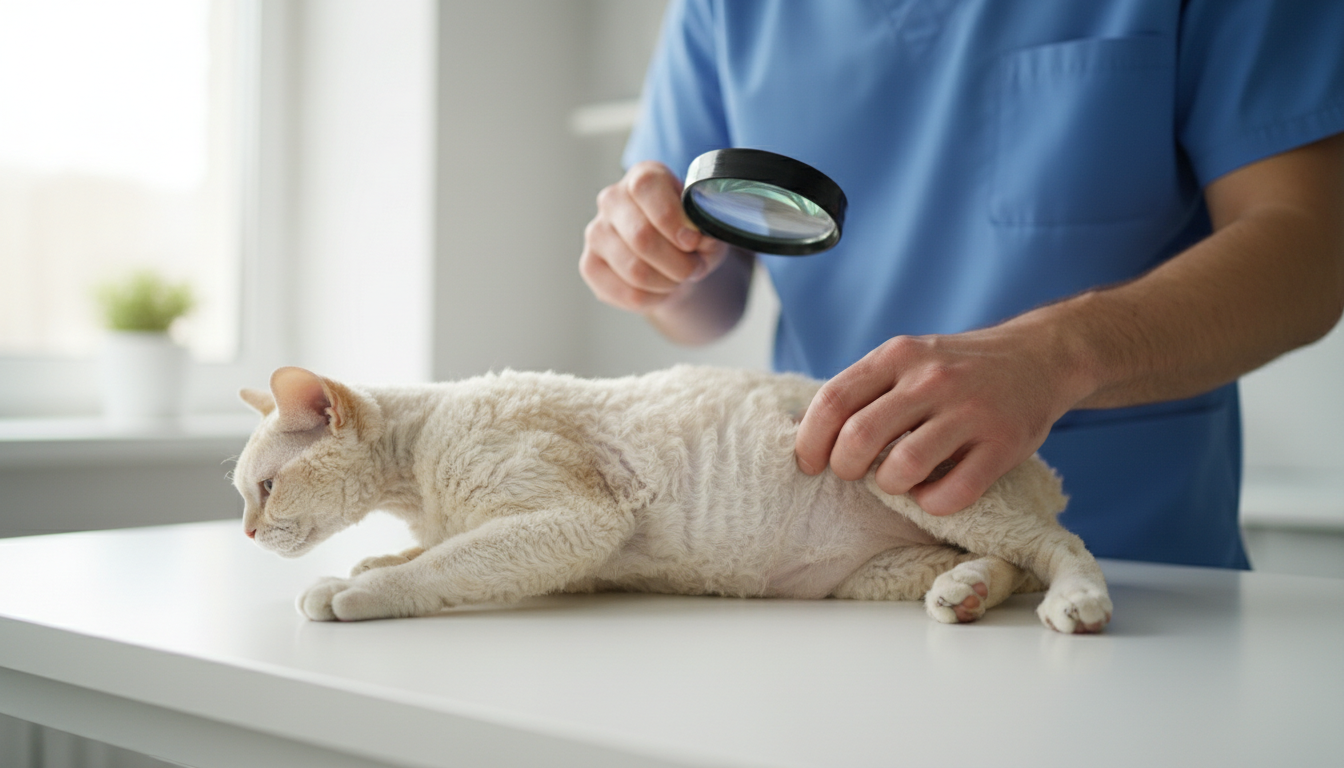
Diagnosing an allergy in any cat, including a Devon Rex, usually isn’t a single quick test. Your vet will likely start by ruling out other causes of the symptoms you’re seeing, since skin issues, digestive upset, and respiratory symptoms can all stem from things other than allergies, including infections, parasites, or underlying illness. From there, your vet may recommend a food trial, where your cat eats a limited-ingredient or novel-protein diet for a set period to see if symptoms improve.
Environmental allergies can be trickier to pin down and sometimes involve more specialized testing or a process of eliminating potential triggers one at a time at home. This can be a slow process, but it’s usually the most reliable way to get a clear answer rather than guessing at a cause.
The Role of Flea Prevention
Given how reactive this breed’s skin can be, consistent flea prevention is especially important for Devon Rex cats. Even indoor-only cats can be exposed to fleas through other pets in the home or through contact with the outdoors via windows, screens, or visitors. A flea allergy can cause disproportionate itching and skin damage from just a few bites, so staying ahead of the problem is far easier than treating the aftermath.
Talk to your vet about a flea prevention plan suited to your cat’s age, weight, and health status, and stick to it consistently rather than only reaching for it when you spot a flea. Prevention is almost always simpler to manage than an active flea allergy flare-up.
Managing Food Sensitivities at Home
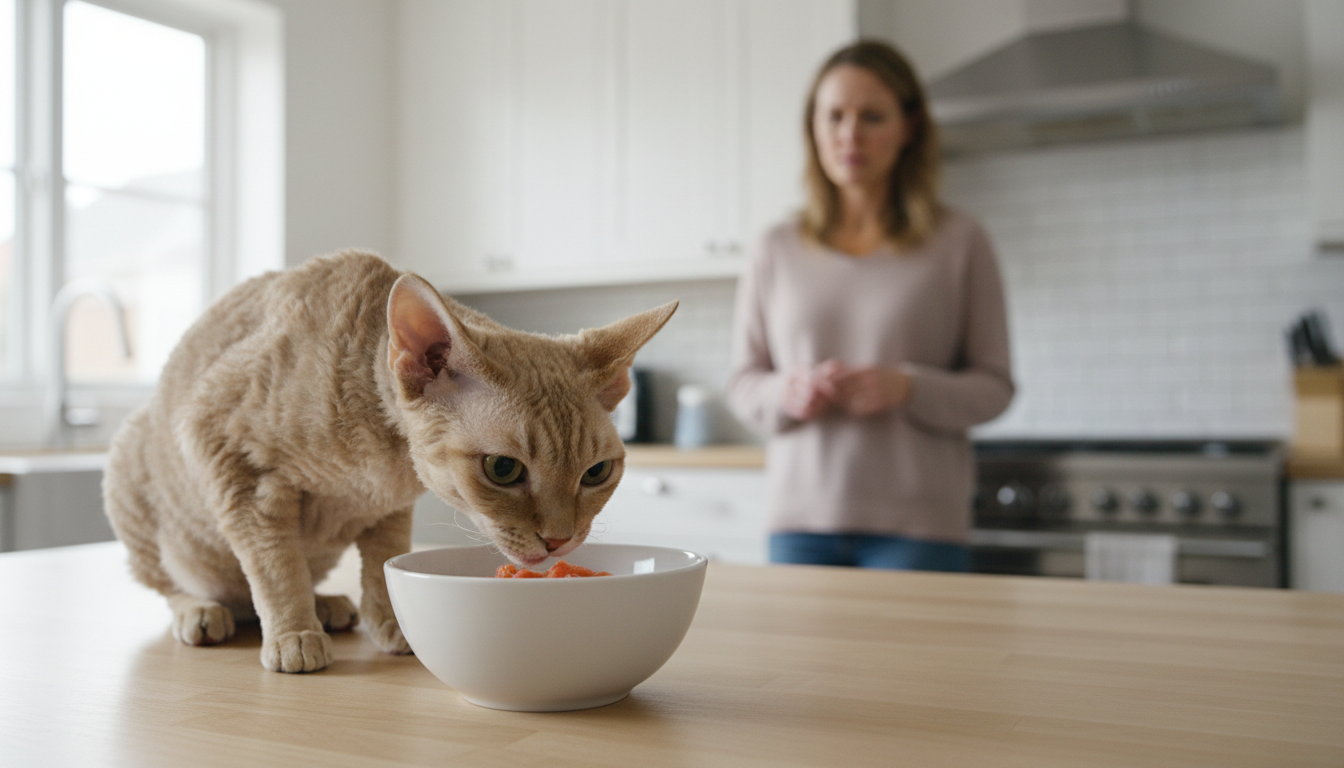
If your vet suspects a food allergy, they may guide you through an elimination diet, which involves feeding a single protein and carbohydrate source your cat hasn’t eaten before, then slowly reintroducing other ingredients to identify the culprit. This process requires patience and consistency, since even small amounts of the wrong treat or table scrap can interfere with results.
Once a trigger ingredient is identified, many owners find that simply avoiding it keeps symptoms under control. Reading ingredient labels carefully and being cautious with new treats becomes part of everyday life for cats with known food sensitivities.
- Follow your vet’s elimination diet instructions closely
- Avoid giving table scraps or new treats during the trial
- Introduce new foods one at a time, slowly, after the trial
- Keep a log of what your cat eats and any symptoms that follow
Creating a Lower-Allergen Home Environment
For cats with suspected environmental allergies, small changes around the house can sometimes make a noticeable difference. Reducing dust buildup, using unscented litter and cleaning products, and keeping your cat away from freshly cleaned carpets or newly laundered fabrics until they’ve aired out can all help limit exposure to common irritants.
Air purifiers and regular vacuuming may also help reduce airborne allergens in homes where a cat seems sensitive to dust or pollen. These changes won’t eliminate every possible trigger, but they can reduce the overall allergen load your cat is exposed to day to day.
- Choose unscented litter and cleaning products where possible
- Vacuum and dust regularly to reduce allergen buildup
- Wash bedding in fragrance-free detergent
- Consider an air purifier in rooms where your cat spends most of their time
When Itching Becomes an Emergency
While most allergic reactions in cats are uncomfortable rather than dangerous, there are situations that call for urgent veterinary attention. Sudden swelling of the face or throat, difficulty breathing, or extreme distress after exposure to a new food or substance can indicate a more severe allergic reaction that needs immediate care. These situations are uncommon, but they’re serious enough that waiting to “see how it goes” isn’t the right call.
If you ever notice your cat struggling to breathe, collapsing, or showing facial swelling, treat it as an emergency and get to a vet or emergency animal hospital right away rather than waiting for a regular appointment.
Living With a Cat That Has Known Sensitivities
Once you and your vet have identified your Devon Rex’s specific triggers, day-to-day life often becomes more manageable than it felt during the diagnostic process. Many owners settle into a routine of a consistent diet, careful flea prevention, and a few environmental adjustments that keep symptoms at bay most of the time. Flare-ups can still happen, especially with accidental exposure to a trigger, but they tend to become less frequent and less severe once the main causes are under control.
Keeping a simple log of flare-ups, including what your cat ate, where they’d been, or any recent changes at home, can help you and your vet spot patterns faster if new symptoms appear down the road.
Working Closely With Your Veterinarian
Because allergic reactions can overlap with so many other health issues, from infections to underlying illness, it’s important not to rely solely on guesswork at home. Your vet is your best resource for narrowing down the actual cause of your cat’s symptoms and ruling out anything more serious. Regular checkups also give your vet the chance to track how your cat’s skin, coat, and digestion are doing over time, which can catch subtle changes before they become bigger problems.
If your Devon Rex has a history of allergic reactions, mention this at every vet visit, even if things seem stable, since sensitivities can shift over time and new triggers can emerge as your cat ages.
Final Thoughts for Devon Rex Owners
Living with a cat prone to allergic reactions takes a bit of extra vigilance, but it doesn’t have to be overwhelming. Paying attention to your Devon Rex’s skin, coat, digestion, and overall behavior will help you notice changes early, and working closely with your vet will help you figure out what’s actually causing the reaction rather than guessing. With the right combination of diet, flea prevention, and environmental adjustments, most cats with sensitivities go on to live comfortable, happy lives.
If you notice any of the symptoms described here, especially if they’re persistent or getting worse, don’t hesitate to schedule a visit with your vet. Early attention almost always makes managing allergies easier in the long run.
This article is for general education and is not a substitute for care from your own veterinarian. Learn about The Pet Vet and our editorial policy.