
Diabetes in cats is more common than many owners realize, and catching it early can make a huge difference in your cat’s quality of life. If your cat has been drinking more water, losing weight, or acting differently, it’s natural to feel worried. This guide walks you through the signs, causes, and treatment options so you know what to watch for and when to call your vet.
Table of Contents
- What Is Diabetes in Cats?
- Early Warning Signs to Watch For
- Why Siamese Cats and Other Breeds Can Be at Risk
- Causes and Risk Factors
- How Vets Diagnose Diabetes in Cats
- Treatment Options Available
- Home Monitoring and Insulin Administration
- Diet and Nutrition Changes
- Managing Blood Sugar Fluctuations
- Potential Complications If Left Untreated
- Emergency Signs That Need Immediate Vet Care
- Living With a Diabetic Cat: Daily Routine Tips
- Cost and Long-Term Management Considerations
- Prevention and Regular Checkups
- When to Call Your Vet
What Is Diabetes in Cats?
Diabetes mellitus happens when your cat’s body either doesn’t produce enough insulin or can’t use the insulin it makes effectively. Insulin is the hormone that allows glucose from food to move into cells for energy. When this process breaks down, glucose builds up in the bloodstream instead of fueling the body, and your cat’s organs and tissues are left starved for energy even though there’s plenty of sugar circulating.
Most diabetic cats have what’s called Type 2 diabetes, similar to the adult-onset form seen in people, where the body becomes resistant to insulin over time. This is different from Type 1, where the pancreas simply stops producing insulin. Regardless of the type, the end result is the same: your cat’s blood sugar stays too high, and without treatment, this can lead to serious health problems throughout the body.
Early Warning Signs to Watch For
Diabetes often creeps in slowly, which is part of why it can be easy to miss in the beginning. Many owners notice subtle changes in behavior or habits before anything seems seriously wrong, and those small shifts are worth paying attention to.
If you notice any of these changes, it’s a good idea to schedule a vet visit rather than waiting to see if things improve on their own.
- Drinking noticeably more water than usual
- Urinating more frequently or producing larger clumps in the litter box
- Increased appetite paired with unexplained weight loss
- Lethargy or a general lack of interest in play
- A dull, unkempt coat that doesn’t look as sleek as before
- Weakness in the back legs or an unusual walking gait
Why Siamese Cats and Other Breeds Can Be at Risk
While diabetes can affect any cat, some breeds, including Siamese cats, have been noted by veterinarians to show up in diabetes discussions more often than others. Genetics may play a role in how a cat’s body handles insulin, but breed alone doesn’t determine whether a cat will develop the condition.
Age, weight, and lifestyle tend to matter just as much, if not more, than breed. A middle-aged or senior Siamese cat carrying extra weight is generally at higher risk than a lean, active cat of any breed. If you have a Siamese cat, it’s still worth knowing the general risk factors so you can keep an eye out as your cat gets older.
Causes and Risk Factors
There isn’t one single cause of diabetes in cats, but several factors tend to increase the likelihood of it developing. Understanding these can help you make choices that support your cat’s long-term health, even if you can’t eliminate every risk entirely.
Some risk factors are within your control, like diet and activity level, while others, like age and genetics, are not. Talking to your vet about your specific cat’s risk profile can help you decide how closely to monitor things as your cat ages.
- Being overweight or obese, which is one of the biggest known risk factors
- Being middle-aged to senior, since risk tends to increase with age
- A sedentary indoor lifestyle with little physical activity
- Long-term use of certain medications, such as corticosteroids
- Underlying conditions like pancreatitis that can affect insulin production
How Vets Diagnose Diabetes in Cats
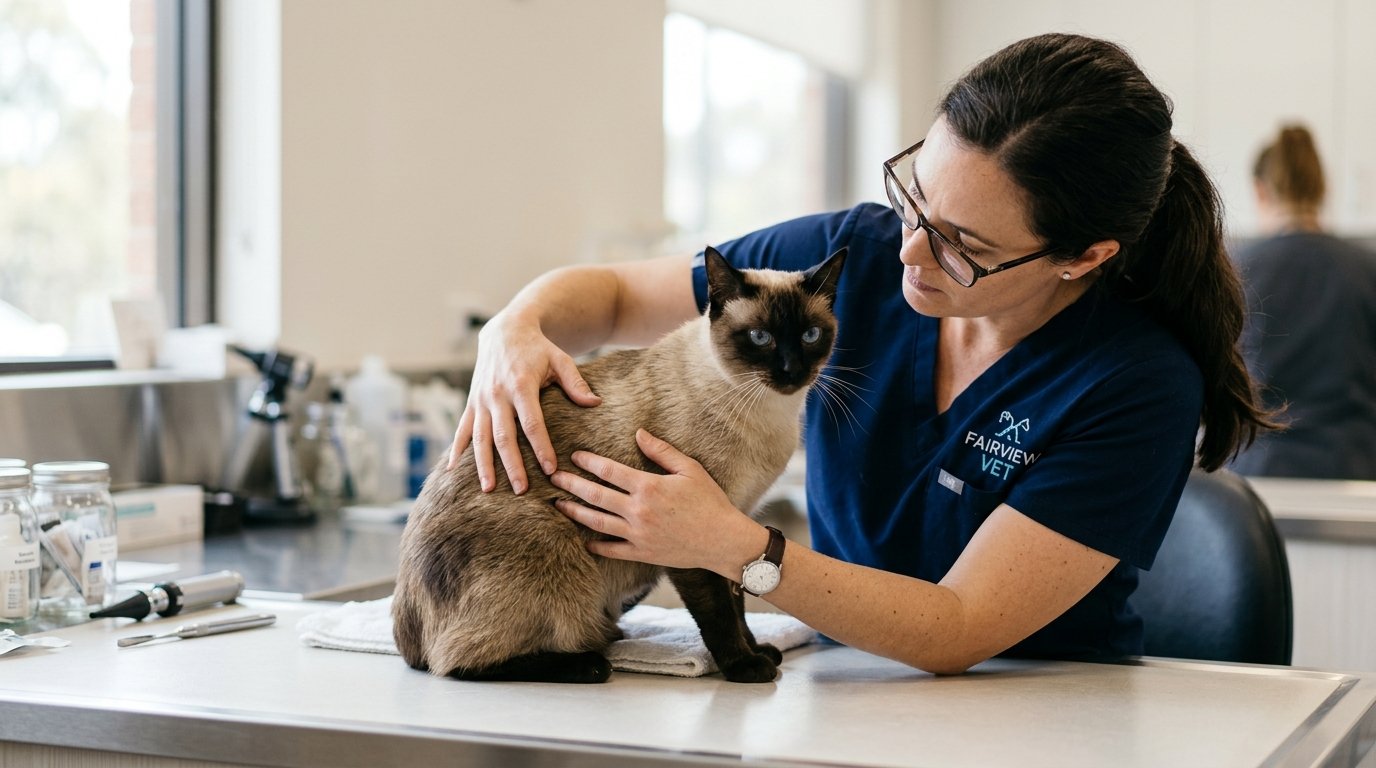
If your vet suspects diabetes, they’ll typically start with a physical exam and a detailed history of your cat’s symptoms, including changes in drinking, eating, and energy levels. From there, blood and urine tests are the main tools used to confirm a diagnosis.
Because stress alone can temporarily raise a cat’s blood sugar during a vet visit, your vet may recommend additional testing, such as a fructosamine level, which reflects average blood sugar over the past couple of weeks rather than a single moment. This helps rule out a false reading caused by an anxious trip to the clinic. Your vet is the only one who can accurately diagnose diabetes, so avoid trying to interpret home test results on your own without their guidance.
Treatment Options Available
Treatment for diabetes in cats is highly individualized, and your vet will tailor a plan based on your cat’s specific bloodwork, body condition, and overall health. For many cats, insulin therapy becomes a central part of daily management, alongside dietary changes and regular monitoring.
Some cats, particularly those diagnosed early and who lose excess weight, may go into what’s called diabetic remission, where insulin is no longer needed. This isn’t guaranteed for every cat, and any changes to treatment, including stopping insulin, should only ever be made under your vet’s direct supervision. Never adjust or discontinue any medication on your own.
Home Monitoring and Insulin Administration
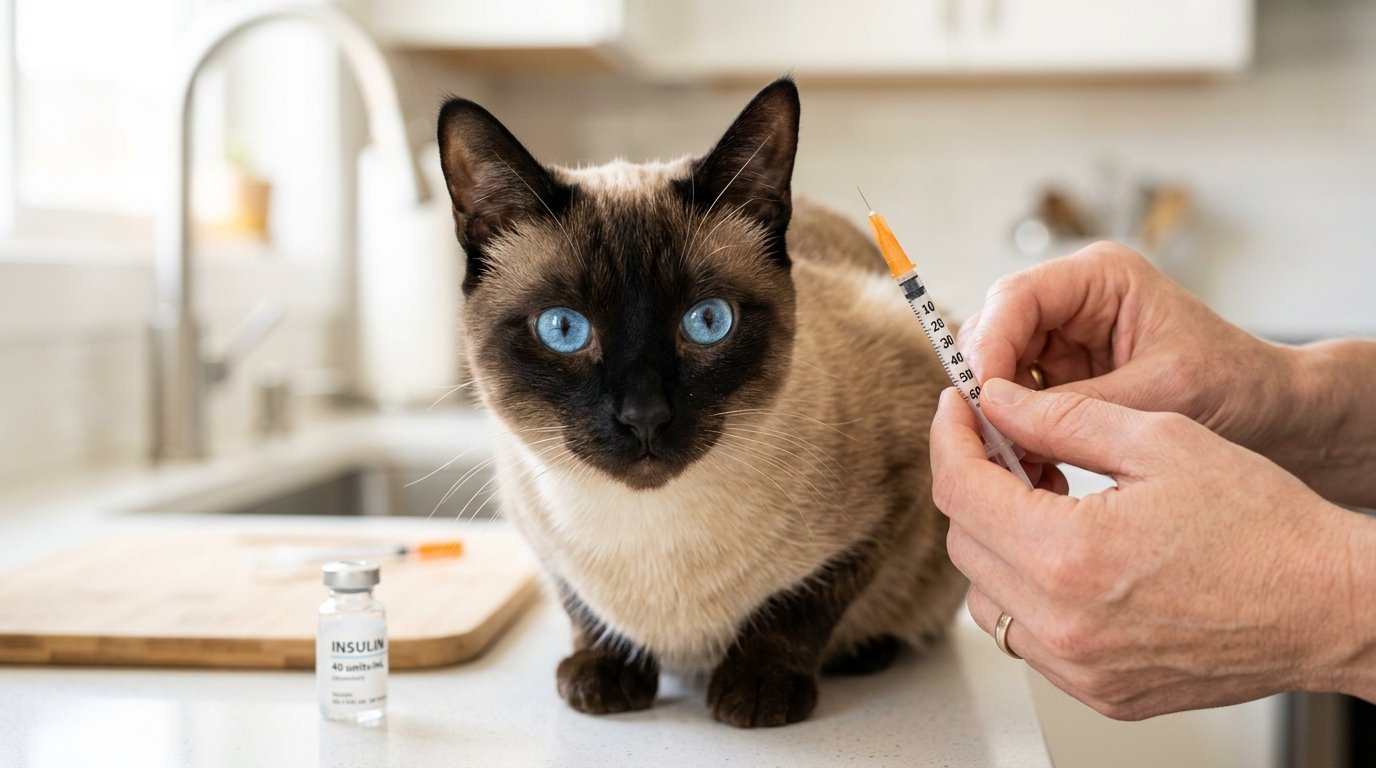
If your cat is prescribed insulin, your vet will show you exactly how to give injections safely and will explain the schedule that fits your cat’s needs. It can feel intimidating at first, but most owners find that it becomes a manageable part of the daily routine fairly quickly.
Keeping a simple log of your cat’s appetite, water intake, energy level, and any injections given can help you and your vet spot patterns and adjust the treatment plan as needed. Your vet may also teach you how to recognize signs that blood sugar has dropped too low, which is a medical emergency that requires immediate attention.
- Give insulin at the same times each day as directed by your vet
- Store insulin properly according to the label and your vet’s instructions
- Watch for signs of low blood sugar, such as weakness, stumbling, or seizures
- Keep all vet follow-up appointments for blood sugar rechecks
Diet and Nutrition Changes
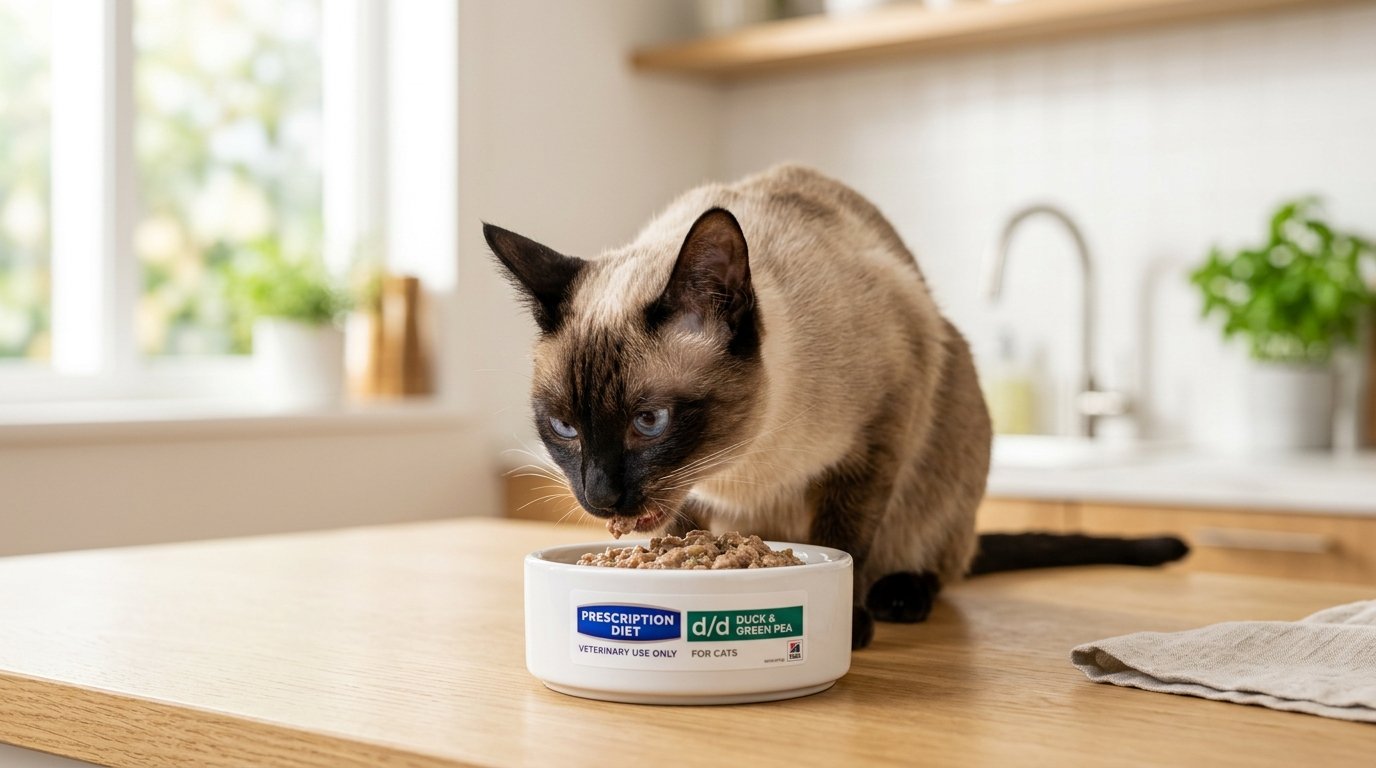
Diet plays a meaningful role in managing diabetes in cats, and your vet may recommend a specific therapeutic food designed to help regulate blood sugar. These diets are often higher in protein and lower in carbohydrates, which can help reduce the amount of glucose entering the bloodstream after meals.
Consistency matters here. Feeding your cat at the same times each day, especially if insulin is involved, helps keep blood sugar more stable and predictable. Avoid switching foods or adding new treats without checking with your vet first, since sudden dietary changes can throw off blood sugar control.
Managing Blood Sugar Fluctuations
Even with a consistent routine, some fluctuation in blood sugar is normal for diabetic cats. Stress, changes in activity, illness, or even a skipped meal can all affect how your cat’s body responds to insulin on any given day.
Your vet will likely want to periodically recheck your cat’s blood sugar, sometimes through a glucose curve that tracks levels over several hours. This helps determine whether the current treatment plan is working well or needs to be adjusted. Try not to become discouraged if numbers aren’t perfectly steady every single day, as this is a common part of managing the condition long term.
Potential Complications If Left Untreated
Untreated or poorly managed diabetes can lead to serious complications over time. One of the most well-known is diabetic neuropathy, which can cause weakness in the back legs and an unusual, flat-footed walking style.
More urgently, cats with unmanaged diabetes are at risk of developing diabetic ketoacidosis, a life-threatening condition where the body starts breaking down fat for energy in a way that produces harmful byproducts. This is a true emergency and requires immediate veterinary care, so recognizing the warning signs matters a great deal.
Emergency Signs That Need Immediate Vet Care
Some symptoms in a diabetic cat should never be treated as something to wait out at home. If you notice any of the following, contact your vet or an emergency animal hospital right away, even outside of normal business hours.
- Vomiting or refusing food for more than a day
- Extreme lethargy or collapse
- Rapid or labored breathing
- Sudden weakness or inability to stand
- Seizures or disorientation
- A strong, unusual sweet or fruity odor on the breath
Living With a Diabetic Cat: Daily Routine Tips
Managing diabetes in cats becomes much easier once you settle into a predictable daily rhythm. Many owners find that pairing insulin injections with mealtimes helps them remember both tasks and keeps things consistent for their cat.
Try to keep your cat’s environment calm and low-stress where possible, since stress can influence blood sugar levels. Gentle, regular play or movement can also support a healthy weight, which in turn supports better blood sugar control over time. Every cat adjusts differently, so give yourself and your cat some grace as you find what works best.
Cost and Long-Term Management Considerations
Managing a diabetic cat involves ongoing costs, including insulin, syringes, prescription food, and regular vet visits for monitoring. These expenses can add up, so it’s worth having an honest conversation with your vet about a realistic long-term plan that fits your budget while still meeting your cat’s medical needs.
Some pet insurance plans cover chronic condition management if diabetes develops after the policy starts, so it may be worth researching your options early. Your vet’s office may also be able to point you toward resources or payment plans that make ongoing care more manageable.

Prevention and Regular Checkups
While not all cases of diabetes can be prevented, maintaining a healthy weight through appropriate portion control and regular activity is one of the most effective things you can do to lower your cat’s risk. Routine annual or biannual wellness exams also give your vet the chance to catch early warning signs, like rising blood sugar or weight changes, before diabetes fully develops.
If your cat is a Siamese or any breed considered more prone to metabolic issues, mentioning this to your vet during checkups can help guide how closely they monitor things like weight and bloodwork over the years.
When to Call Your Vet
If you’ve noticed increased thirst, urination, appetite changes, or weight loss in your cat, don’t wait to see if it resolves on its own. Early diagnosis genuinely makes diabetes easier to manage and gives your cat the best chance at a stable, comfortable life.
Your vet is your best partner in navigating this condition, from diagnosis through daily management and beyond. Reach out whenever something feels off, and never hesitate to ask questions about your cat’s treatment plan so you feel confident and supported every step of the way.
This article is for general education and is not a substitute for care from your own veterinarian. Learn about The Pet Vet and our editorial policy.