
Learning that your dog has cancer can feel like the ground has shifted beneath you. The first question most pet owners ask is: “How long does my dog have?” Understanding dog cancer life expectancy isn’t about accepting defeat—it’s about making informed decisions that prioritize your pup’s comfort, quality of life, and the precious time you have together.
Table of Contents
- Understanding Dog Cancer: The Basics
- How Dog Cancer Life Expectancy Is Determined
- Common Canine Cancers and Their Life Expectancies
- Treatment Options That Impact Life Expectancy
- Quality of Life vs. Quantity of Life
- Signs Your Dog May Be Experiencing Cancer
- Extending Life Expectancy: What You Can Control
- When to Discuss Prognosis With Your Vet
- Real Hope: Dogs Living Beyond Expectations
- Managing Secondary Health Issues
- Frequently Asked Questions
- What To Do Now
- Summary: Making Peace With Uncertainty
This article is for informational purposes only and is not a substitute for professional veterinary advice. Always consult a licensed veterinarian for diagnosis and treatment.
The truth is, cancer prognosis in dogs varies dramatically depending on the type of cancer, how early it’s caught, your dog’s age, and the treatment plan you choose. Some dogs live months, others live years. What matters most is understanding your options and working with your veterinary team to create a plan that feels right for your family.
Understanding Dog Cancer: The Basics
Cancer in dogs develops when abnormal cells grow uncontrollably in the body. Unlike in humans, where we often hear about specific cancers like breast or lung cancer, canine cancers are just as diverse. Lymphoma, hemangiosarcoma, osteosarcoma, and mast cell tumors are among the most common types vets diagnose.
The good news? Early detection genuinely changes outcomes. Dogs caught in earlier stages often have longer life expectancies and more treatment options available. This is why regular vet checkups matter—they catch things before they progress.
How Dog Cancer Life Expectancy Is Determined
Your vet doesn’t pull a timeline out of thin air. Several factors influence prognosis:
- Cancer type and stage: Some cancers are more aggressive than others. Stage matters enormously—a stage 1 tumor caught early behaves very differently from a stage 4 cancer.
- Your dog’s age and overall health: A 3-year-old with no other health issues has different odds than a 12-year-old with kidney disease.
- Response to treatment: How your dog’s body responds to chemotherapy, surgery, or radiation tells vets a lot about what to expect.
- Your dog’s immune system: Some dogs fight harder than others, and genetics play a role here.
When your vet gives you a prognosis, they’re making an educated estimate based on thousands of cases they’ve seen—not a death sentence.
Common Canine Cancers and Their Life Expectancies
Let’s talk specifics. Different cancers have different trajectories, and knowing what you’re facing helps you plan:
Lymphoma: This blood cancer is one of the most common in dogs. Without treatment, dogs may live weeks to a few months. With chemotherapy, many dogs live 1-2 years or longer, with some exceeding 2 years. Quality of life during treatment is usually quite good.
Hemangiosarcoma: This cancer of blood vessel cells is more aggressive. Without surgery, life expectancy may be weeks to a few months. Surgery combined with chemotherapy can extend this to 6-12 months or beyond.
Osteosarcoma: This bone cancer primarily affects larger dogs. Amputation plus chemotherapy typically extends life to 12-14 months. Without treatment, dogs often have weeks to a few months.
Mast Cell Tumors: These vary widely in aggressiveness. Stage 1 tumors caught early and surgically removed may not affect life expectancy at all. Higher-stage tumors require more aggressive treatment but still offer good prognosis with proper management.
Catching these early puts you in a great position to help your dog live longer, fuller days.
Treatment Options That Impact Life Expectancy
Here’s where your choices matter. The treatments you pursue directly influence how long and how well your dog lives:
Surgery: Removing a tumor entirely is often the most effective single intervention. Many dogs do remarkably well after surgical recovery, especially if caught early.
Chemotherapy: While the word frightens many pet owners, chemotherapy in dogs works differently than in humans. Dogs typically tolerate it better with fewer severe side effects. It can significantly extend life expectancy, especially for cancers like lymphoma.
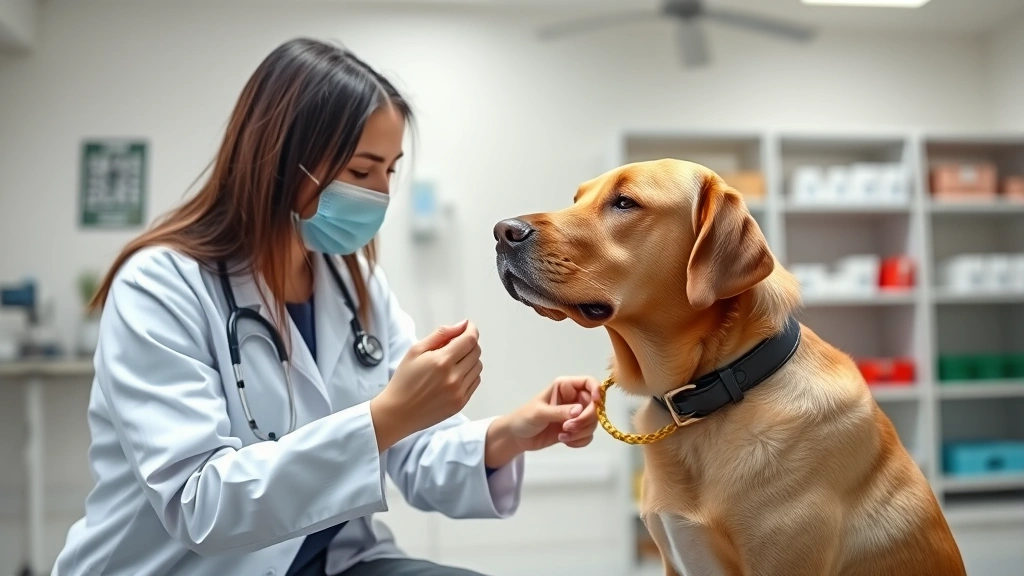
Radiation therapy: This targets tumors with focused energy and can shrink masses and manage pain. It’s often used alongside other treatments.
Palliative care: If aggressive treatment isn’t right for your dog, palliative care focuses on comfort, pain management, and quality of life. This is a completely valid choice and often extends life expectancy better than you’d expect because stress is reduced.
Many dogs receive combinations of these treatments, which often produces better outcomes than any single approach.
Quality of Life vs. Quantity of Life
Here’s something vets wish more pet owners understood: the goal isn’t always to squeeze out every possible month. Sometimes it’s about ensuring those months are good ones.
A dog living 6 months with excellent quality of life—pain-free, eating well, playing—may be a better outcome than 10 months of discomfort and side effects. Your vet can help you assess your individual dog’s situation and what trade-offs make sense for your family.
This is where talking to a vet online can be incredibly helpful. You can discuss your dog’s specific situation, your values, and your comfort level with different treatment approaches without pressure.
Signs Your Dog May Be Experiencing Cancer
Catching cancer early genuinely extends dog cancer life expectancy. Watch for these warning signs:
- Unexplained lumps or bumps that grow quickly
- Persistent coughing or difficulty breathing
- Loss of appetite or unexplained weight loss
- Lethargy or unusual tiredness
- Lameness or difficulty moving
- Vomiting or diarrhea lasting more than a few days
- Difficulty urinating or defecating
- Bleeding or discharge from any opening
If you notice any of these, don’t panic—many conditions cause these signs. But do get your dog checked. Early intervention changes everything.
Extending Life Expectancy: What You Can Control
Beyond medical treatment, several factors under your control influence outcomes:
Nutrition: A high-quality diet supports your dog’s immune system and recovery. Your vet may recommend specific diets for cancer patients. Proper nutrition genuinely matters for longevity and quality of life.
Pain management: Unmanaged pain shortens life expectancy by increasing stress and reducing activity. Work with your vet to keep your dog comfortable. There are many options available.
Stress reduction: A calm, predictable environment helps. Minimize stressful changes and maintain routines your dog loves.
Regular monitoring: Frequent vet checkups catch complications early. This might mean monthly visits during treatment or every few months afterward.
Exercise and enrichment: Within your dog’s limits, activity and mental stimulation support longevity. Even a short, gentle walk does wonders.
When to Discuss Prognosis With Your Vet
Don’t wait for your vet to bring it up. Ask directly: “Based on my dog’s specific cancer and situation, what’s the realistic life expectancy with treatment? Without treatment?” Good vets appreciate this honesty and will give you their best assessment.

Ask about quality of life too: “What should I expect during treatment? What signs mean we need to reassess our approach?” Having these conversations early helps you make decisions aligned with your values.
If you’re unsure whether your pet needs urgent care or want a second opinion, a quick telehealth check-in can give you peace of mind—no appointment needed.
Real Hope: Dogs Living Beyond Expectations
Here’s what vets see regularly: dogs living longer than initial prognoses suggested. A dog given 6 months who’s still thriving at 18 months. A dog expected to struggle through chemotherapy who barely misses a beat. Dogs are resilient, and their will to live is powerful.
This doesn’t mean ignoring realistic prognosis—it means understanding that prognosis is a guideline, not a guarantee. Some dogs are fighters. Some respond beautifully to treatment. Some simply have luck on their side.
Your job isn’t to guarantee a specific outcome. It’s to give your dog the best chance possible and to love them fully in whatever time you have.
Managing Secondary Health Issues
Cancer doesn’t exist in isolation. Your dog may have other conditions like kidney disease or liver disease that complicate cancer care. Managing these conditions alongside cancer treatment is crucial for extending life expectancy.
Your vet creates a comprehensive plan addressing all your dog’s health needs, not just cancer. This holistic approach often produces the best outcomes.
Frequently Asked Questions
Can my dog survive cancer?
Yes, many dogs survive cancer or live well with it for extended periods. Survival depends on cancer type, stage at diagnosis, treatment chosen, and individual factors. Some dogs go into remission; others live comfortable lives with ongoing management.
Is chemotherapy worth it for dogs?
This is deeply personal. Many dogs tolerate chemotherapy well with good quality of life during treatment. Discuss your specific dog’s situation, prognosis with and without treatment, and your comfort level with your vet to decide what’s right for your family.
How often should I have my dog checked after cancer diagnosis?
Your vet will recommend a monitoring schedule based on your dog’s cancer type and treatment. This often means monthly visits during active treatment, then every 2-3 months afterward. Regular monitoring catches complications early.
What if I can’t afford aggressive cancer treatment?
Palliative care and pain management are valid, compassionate choices. Many dogs live well with comfort-focused care. Discuss your financial situation with your vet—they may have options or resources you haven’t considered.
Should I get a second opinion about my dog’s cancer prognosis?
Absolutely. Cancer is complex, and another specialist’s perspective can be valuable. Many vets welcome second opinions. Consider consulting an oncologist if your regular vet isn’t one.
What To Do Now
- Schedule a comprehensive veterinary exam if you haven’t already. Bring a list of symptoms you’ve noticed and ask your vet about cancer screening appropriate for your dog’s age and breed.
- If cancer has been diagnosed, ask your vet for a detailed prognosis conversation covering life expectancy with and without treatment, quality of life expectations, and monitoring plans. Don’t hesitate to ask hard questions.
- Research your dog’s specific cancer type using resources from AVMA and PetMD. Understanding what you’re facing empowers better decision-making.
- Consider consulting a veterinary oncologist if one is available in your area. Specialists often have additional treatment options and can provide detailed prognosis information.
- Connect with your vet about pain management and quality-of-life support regardless of which treatment path you choose. This is foundational to extending both life expectancy and the good days your dog experiences.
Summary: Making Peace With Uncertainty
Dog cancer life expectancy isn’t written in stone. It’s influenced by medicine, biology, your choices, and factors we simply can’t predict. What you can control is ensuring your dog receives appropriate medical care, lives comfortably, and spends their days surrounded by love.
Some dogs surprise us with their resilience. Others decline faster than we hoped. The goal isn’t to guarantee a specific timeline—it’s to give your dog the best life possible for however long that is.
You’re not alone in this journey. Your veterinary team is there to guide you, answer your questions, and support your decisions. Trust them, trust your instincts, and trust the bond you share with your dog. That’s where real healing begins.