
If you’ve noticed your dog’s breath smells like a dumpster or they’re reluctant to eat their favorite kibble, you’re not alone—and a dog dental disease best diet might be exactly what your furry friend needs right now. Dental disease is one of the most common health issues vets see in dogs, affecting roughly 80% of dogs over the age of three. The good news? What you feed your dog plays a surprisingly powerful role in preventing and managing dental problems.
Table of Contents
- Understanding Dog Dental Disease and Diet Connection
- The Role of Texture in Dental Health
- Best Foods for Dogs With Dental Disease
- Foods to Avoid With Dental Disease
- Nutritional Powerhouses for Gum Health
- Hydration’s Hidden Role in Dental Health
- Transitioning Your Dog to a Dental-Friendly Diet
- Supplements That Support Dental Health
- When Diet Alone Isn’t Enough
- Creating a Sustainable Dental Health Routine
- Frequently Asked Questions
- What To Do Now
- Summary: Supporting Your Dog’s Dental Future
This article is for informational purposes only and is not a substitute for professional veterinary advice. Always consult a licensed veterinarian for diagnosis and treatment.
Many pet owners don’t realize that their dog’s diet directly impacts oral health. From the texture of the food to its nutritional content, every bite matters. In this guide, we’ll walk you through the best dietary choices to support your dog’s dental wellness and help reverse some of the damage that dental disease causes.
Understanding Dog Dental Disease and Diet Connection
Dental disease in dogs develops when plaque and tartar accumulate on the teeth, leading to inflammation and infection. Unlike humans who brush their teeth daily, dogs rely on their diet and natural chewing to keep their mouths clean. This is where nutrition becomes crucial.
The connection between diet and dental health is straightforward: certain foods naturally clean the teeth, while others promote bacterial growth. A dog dental disease best diet focuses on foods that reduce inflammation, support immune function, and physically help scrub away plaque buildup.
The Role of Texture in Dental Health
Soft, mushy foods that stick to teeth are the enemy of dental health. Conversely, foods with appropriate texture can act like a natural toothbrush. Crunchy kibble, raw vegetables, and certain chews mechanically clean the tooth surface as your dog chews.
When selecting foods for a dog with dental disease, look for options that require actual chewing rather than gulping. This stimulates saliva production, which has natural antibacterial properties and helps neutralize acids in the mouth.
Best Foods for Dogs With Dental Disease
Here are seven proven foods that support dental health and can be incorporated into your dog’s routine:
- High-Quality Dry Kibble (Dental Formulas): Specially designed dental kibbles have a texture that creates friction against teeth. Look for brands that specify dental health benefits and avoid those with excessive soft fillers.
- Raw or Lightly Cooked Carrots: Carrots are crunchy, low in calories, and packed with beta-carotene. The natural chewing action helps remove plaque, and carrots are safe for most dogs in moderation.
- Apple Slices (Without Seeds): Apples are naturally abrasive and contain compounds that may help reduce bacteria in the mouth. Always remove seeds, as they contain cyanogenic compounds.
- Green Beans: These provide a satisfying crunch without excess calories. They’re nutrient-dense and support overall health while encouraging proper chewing.
- Lean Proteins (Chicken, Fish): High-quality proteins support immune function and tissue repair. Fish, in particular, contains omega-3 fatty acids that reduce inflammation in the gums and throughout the body.
- Bone Broth (Unsalted): This supports gut health and provides collagen, which strengthens gum tissue. Warm bone broth can be poured over kibble for added nutrition and palatability.
- Sweet Potatoes (Cooked): Rich in antioxidants and vitamins, sweet potatoes support overall immune health. The natural sweetness makes them appealing to picky eaters.
Foods to Avoid With Dental Disease
Just as important as knowing what to feed your dog is understanding what to avoid. Sticky treats, sugary foods, and overly soft kibbles can accelerate dental disease progression.
Avoid:
- Soft treats that stick to teeth (like some commercial dog treats)
- Sugary table scraps and human desserts
- Wet food as a primary diet (though it can be mixed with kibble)
- Starchy fillers that promote bacterial growth
- Overly processed foods lacking nutritional value
If your dog has severe dental disease, you may need to soften kibble temporarily, but this should be discussed with your vet. Soft food shouldn’t be a permanent solution—it should be a bridge while you work toward improving dental health.
Nutritional Powerhouses for Gum Health
Certain nutrients are especially important for maintaining healthy gums and fighting dental disease. Vitamin C supports immune function and collagen production in gum tissue. Zinc helps with wound healing and immune response. Omega-3 fatty acids reduce inflammation throughout the mouth and body.
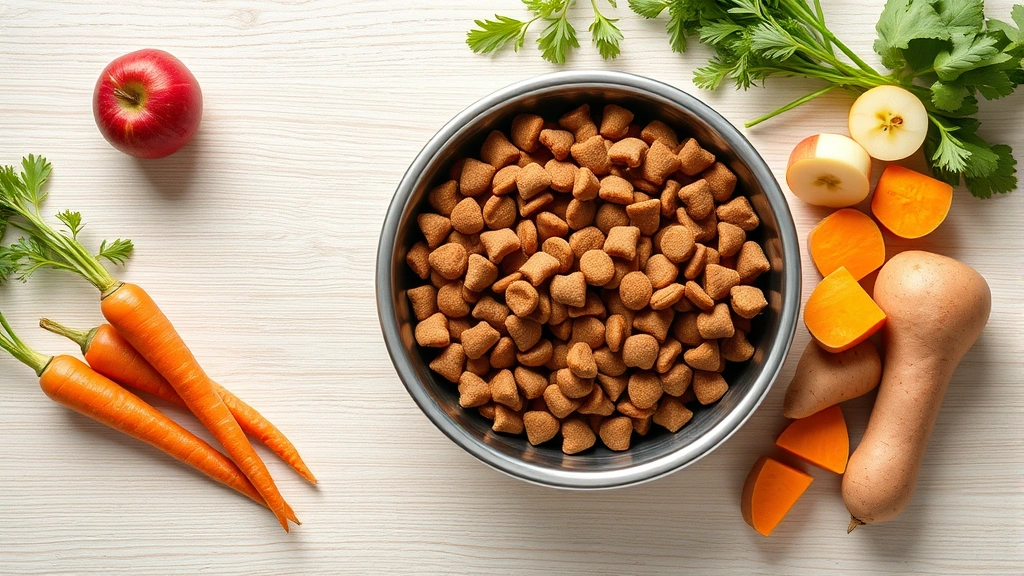
When choosing a dog food, look for these nutrients on the ingredient list. Many premium brands now formulate specifically for dental health, including these key components. Catching this early and adjusting diet puts you in a great position to prevent progression and support healing.
Hydration’s Hidden Role in Dental Health
Water consumption might seem unrelated to dental disease, but it’s actually essential. Proper hydration supports saliva production, which naturally fights bacteria and cleanses the mouth. Dogs that drink adequate water have better oral health outcomes than those that are chronically dehydrated.
Ensure your dog always has access to fresh, clean water. Some vets recommend adding water to kibble to increase moisture intake, though this should be balanced with the dental texture benefits of dry food.
Transitioning Your Dog to a Dental-Friendly Diet
If your dog is currently eating a diet that’s contributing to dental disease, don’t switch abruptly. Sudden dietary changes can cause digestive upset. Instead, transition gradually over 7-10 days, mixing increasing amounts of the new food with the old.
Here’s a simple transition schedule:
- Days 1-2: 75% old food, 25% new food
- Days 3-4: 50% old food, 50% new food
- Days 5-6: 25% old food, 75% new food
- Days 7-10: 100% new food
Monitor your dog’s stool and energy levels during this transition. If you notice digestive issues, slow the transition further.
Supplements That Support Dental Health
Beyond whole foods, certain supplements can support your dog’s dental health. Probiotics promote healthy oral bacteria and reduce harmful pathogens. Coconut oil has mild antimicrobial properties. Always consult your vet before introducing supplements, as some may interact with other treatments.
Your veterinarian can recommend supplements specifically formulated for dental health and appropriate dosing for your dog’s size and health status. If you’re unsure about which supplements are safe, a quick telehealth check-in can give you personalized guidance—no appointment needed.
When Diet Alone Isn’t Enough
While diet is powerful, advanced dental disease often requires professional veterinary intervention. Your vet may recommend a professional cleaning under anesthesia to remove tartar below the gumline. Diet should work alongside, not replace, professional care.
Dental disease can lead to serious complications if left untreated, including bone loss, tooth extraction, and systemic infections. The sooner you address it with both dietary changes and professional care, the better the outcome for your pup.
Creating a Sustainable Dental Health Routine
The best diet is one you can stick with long-term. Choose foods your dog enjoys and that fit your budget and lifestyle. Consistency matters more than perfection. If your dog loves carrots but won’t touch green beans, that’s perfectly fine—work with their preferences while maintaining nutritional balance.
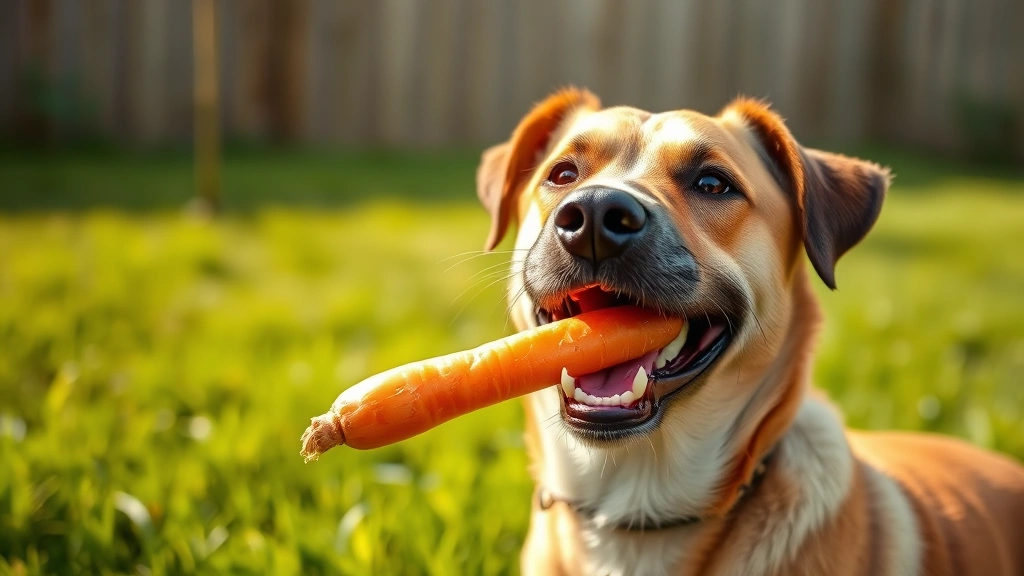
Combine dietary improvements with other preventive measures: regular vet check-ups, appropriate chew toys, and dental monitoring at home. Check your dog’s teeth weekly for signs of plaque buildup or gum inflammation. Early detection of changes allows for faster intervention.
Frequently Asked Questions
Can diet alone cure dog dental disease?
Diet significantly helps prevent and slow dental disease progression, but advanced cases typically require professional veterinary cleaning. Think of diet as prevention and support, not a complete cure for existing disease.
How long does it take to see improvements with a new diet?
Some improvements in gum health and breath quality may be noticeable within 2-4 weeks, though more significant changes take 8-12 weeks. Professional cleaning combined with dietary changes produces faster results.
Is raw food better for dental health than kibble?
Raw diets can support dental health due to their texture, but they require careful handling to prevent bacterial contamination. High-quality dental kibble is often more convenient and equally effective for most dogs.
What if my dog has other health conditions alongside dental disease?
Dogs with conditions like gastrointestinal issues or urinary tract infections need specialized diets. Your vet can recommend foods that address multiple health concerns simultaneously.
Are dental treats effective for dogs with existing dental disease?
Some dental treats help with prevention, but they shouldn’t replace a comprehensive approach. Choose treats designed for dental health and avoid those high in sugar or artificial additives.
What To Do Now
- Schedule a veterinary assessment: Contact your vet online or in person to evaluate your dog’s current dental status and discuss whether professional cleaning is needed.
- Audit your dog’s current diet: Review ingredient labels and identify whether your dog is eating foods that promote or prevent dental disease. Note any soft, sticky treats you can eliminate.
- Introduce one new dental-friendly food: Start with a crunchy vegetable like carrots or switch to a dental-formula kibble, transitioning gradually over 7-10 days.
- Establish a daily dental monitoring routine: Spend 30 seconds each day gently lifting your dog’s lips to check gum color, tooth cleanliness, and any signs of inflammation or odor changes.
- Increase water intake: Ensure fresh water is always available and consider adding water to meals to support saliva production and oral health.
Summary: Supporting Your Dog’s Dental Future
A dog dental disease best diet focuses on whole, nutrient-dense foods with appropriate texture to naturally clean teeth while supporting immune function and gum health. By choosing high-quality kibble, incorporating crunchy vegetables, and eliminating sticky treats, you’re taking a powerful step toward better oral health.
Remember that diet works best alongside professional veterinary care. Regular check-ups, professional cleanings when needed, and consistent home monitoring create a comprehensive approach to dental wellness. Your dog’s smile—and overall health—depends on the choices you make today.
If you’re unsure whether your dog’s dental health requires urgent attention, The Pet Vet’s telehealth service offers quick consultations to assess symptoms and guide your next steps. Your pup deserves a healthy mouth, and you have the power to make that happen through thoughtful nutrition and preventive care.