
If your dog is scratching at their ears constantly, shaking their head, or you’ve noticed a foul smell coming from inside their ear canal, you’re likely dealing with a dog ear infection medication dosage guide situation that needs prompt attention. Ear infections are one of the most common reasons pet owners rush to the vet, and understanding how medications work—and why dosage matters—can help you feel more confident managing your pup’s recovery.
Table of Contents
- Why Ear Infections Happen in Dogs
- Signs Your Dog May Be Experiencing an Ear Infection
- Understanding Dog Ear Infection Medication Types
- Topical Ear Drops: How They Work and Application
- Oral Medications and Systemic Treatment
- The Importance of Proper Dosing and Vet Guidance
- Managing Side Effects and Monitoring Progress
- When to Seek Telehealth Support
- Prevention: Reducing Future Ear Infections
- Frequently Asked Questions
- What To Do Now
- Summary: Taking Control of Your Dog’s Ear Health
This article is for informational purposes only and is not a substitute for professional veterinary advice. Always consult a licensed veterinarian for diagnosis and treatment.
Why Ear Infections Happen in Dogs
Ear infections in dogs develop for several reasons: moisture trapped in the ear canal, allergies, parasites, or yeast overgrowth. Some breeds with floppy ears—like Cocker Spaniels, Basset Hounds, and Labrador Retrievers—are especially prone to these infections because their ear structure limits airflow.
When bacteria or yeast multiply unchecked, inflammation sets in, causing discomfort and that telltale odor. The good news? Catching this early puts you in a great position to help your dog heal quickly and avoid complications.
Signs Your Dog May Be Experiencing an Ear Infection
Recognizing the symptoms early makes all the difference. Watch for these common warning signs:
- Frequent scratching, rubbing, or head shaking
- Redness or swelling inside the ear flap
- Dark, waxy, or crusty discharge
- Unpleasant odor from the ear
- Sensitivity to touch around the ear area
- Loss of balance or tilting of the head (in severe cases)
If you notice any of these signs, your dog could be experiencing an infection that needs veterinary evaluation. Catching this early puts you in the best position to prevent it from worsening.
Understanding Dog Ear Infection Medication Types
Veterinarians prescribe different types of ear medications depending on the infection’s cause. The most common include topical drops, oral antibiotics, and antifungal treatments. Each works differently, and your vet will choose based on whether the infection is bacterial, fungal, or parasitic.
Topical medications are applied directly into the ear canal and often work faster than oral options. However, some infections require systemic treatment—meaning medication that works throughout the body—to fully resolve the problem.
Topical Ear Drops: How They Work and Application
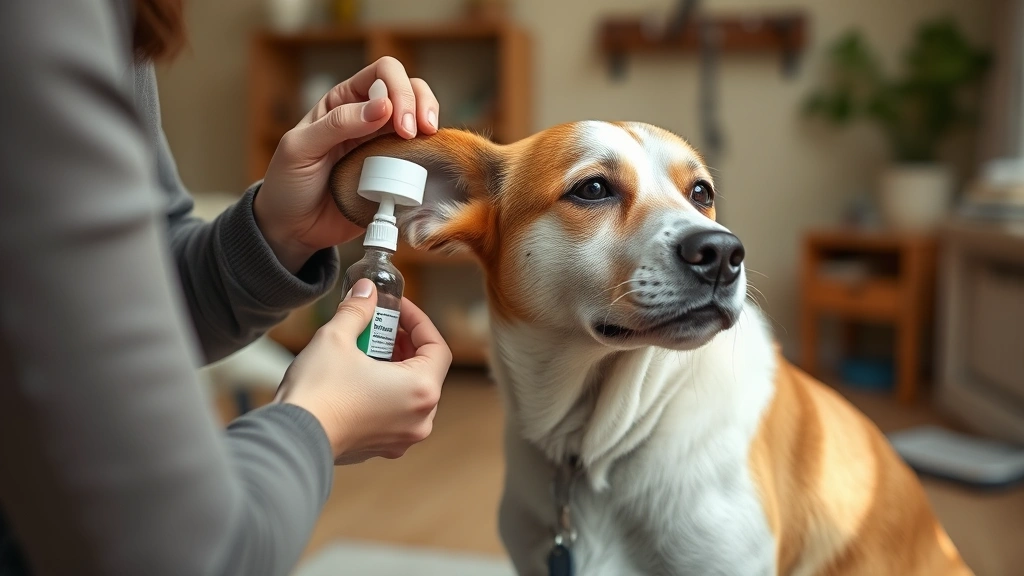
Topical ear drops are the first line of defense for most ear infections. These medications contain antibiotics, antifungals, or anti-inflammatory agents that target the infection directly where it lives.
The application process matters just as much as the medication itself. Here’s what proper administration looks like:
- Gently clean the outer ear with a damp cloth to remove visible debris
- Hold the ear flap up and apply the prescribed number of drops into the canal
- Massage the base of the ear gently for 30 seconds to distribute the medication
- Allow your dog to shake if needed—this is normal and helps the medication reach deeper areas
- Repeat as directed by your veterinarian, typically twice daily
Consistency with application is crucial. Missing doses can allow the infection to persist or return, even if your dog seems better.
Oral Medications and Systemic Treatment
When ear infections are severe, involve the inner ear, or don’t respond to topical treatment, your vet may prescribe oral medications. These systemic treatments work throughout your dog’s body and are especially helpful for stubborn or recurring infections.
Oral antibiotics or antifungals require careful adherence to the full course—even if your dog feels better before the prescription runs out. Stopping early can lead to antibiotic resistance and infection recurrence. Your veterinarian will provide specific guidance on timing and whether to give medication with food.
The Importance of Proper Dosing and Vet Guidance
You might wonder why dosage is so critical. Proper dosing ensures the medication reaches therapeutic levels—high enough to fight the infection but not so high that it causes side effects. Underdosing allows bacteria or yeast to survive and develop resistance; overdosing can harm your dog’s kidneys, liver, or ears.
This is why it’s essential never to adjust dosages on your own or use leftover medication from a previous infection. Every dog’s situation is unique, and what worked for one infection may not be appropriate for another. Ask your vet about puppy ear infection specifics if you’re unsure about any aspect of the treatment plan.
Managing Side Effects and Monitoring Progress
Most ear medications are well-tolerated, but some dogs may experience mild reactions. Watch for signs like excessive scratching, increased redness, or discharge that worsens rather than improves. These could indicate an allergic reaction or that the infection type was misidentified.
Keep a simple log of your dog’s symptoms: when you apply medication, any changes in odor or discharge, and how your pup’s behavior changes. This information helps your vet determine if the current treatment is working or if adjustments are needed.
When to Seek Telehealth Support
If you’re unsure whether your dog needs urgent care or want to discuss medication options before a full vet visit, online vet chat services can provide quick guidance. A quick telehealth check-in can give you peace of mind—no appointment needed—and help you understand whether your dog should be seen in person immediately or if home treatment is appropriate.
Many pet owners find that a brief telehealth consultation about puppy ear infection clarifies their next steps, especially if they’re nervous about symptoms or medication concerns.
Prevention: Reducing Future Ear Infections
Once your dog recovers, prevention becomes key. Regular ear cleaning—especially for breeds prone to infections—removes moisture and debris that bacteria love. Use a veterinarian-recommended ear cleaner and gently wipe the outer ear and canal.
Keep your dog’s ears dry after swimming or baths, manage allergies with your vet’s help, and schedule regular check-ups. For dogs with chronic ear issues, your vet may recommend monthly preventive cleanings or specific dietary adjustments.
Frequently Asked Questions
How long does it take for ear infection medication to work?
Most dogs show improvement within 3-5 days of starting treatment, though complete healing typically takes 7-14 days. Always complete the full course even if symptoms improve earlier.
Can I use over-the-counter ear drops instead of prescription medication?
Over-the-counter drops may help with minor irritation, but true infections require prescription medication tailored to the specific cause. Your vet’s diagnosis ensures you’re treating the right problem.
What happens if the infection comes back after treatment?
Recurring infections suggest an underlying issue like allergies, anatomy, or incomplete treatment. Your vet may recommend deeper investigation or preventive strategies for long-term management.
Is it safe to use medication from a previous ear infection?
No. Leftover medication may be expired, the infection type may differ, or dosing may be incorrect for your dog’s current condition. Always get fresh medication from your vet.
My dog won’t let me put drops in their ears. What should I do?
Ask your vet about alternative delivery methods, such as oral medications or different application techniques. Some vets can also demonstrate proper handling to make the process easier.
What To Do Now
- Schedule a veterinary appointment or ask a veterinarian a question online to confirm the infection and get a proper diagnosis before starting any treatment.
- Once prescribed, set reminders on your phone to apply medication at the same times each day—consistency is critical for success.
- Keep a symptom log for one week, noting any changes in discharge, odor, or your dog’s behavior to share with your vet at follow-up.
- Clean your dog’s bedding and toys to reduce the chance of reinfection, and gently clean the outer ear daily with a soft cloth.
- Discuss prevention strategies with your vet, especially if your dog has had infections before or is prone to them.
Summary: Taking Control of Your Dog’s Ear Health
A dog ear infection medication dosage guide starts with understanding that every infection is unique and requires professional evaluation. While the thought of your pup in discomfort is stressful, ear infections are highly treatable when caught early and managed consistently.
The key is following your vet’s instructions precisely—applying medication as directed, completing the full course, and monitoring for improvement. Whether you’re managing a first infection or dealing with a recurring problem, your veterinarian is your best partner in getting your dog back to comfortable, happy ears.
Don’t hesitate to reach out if you have questions during treatment. Your vet wants your dog to heal just as much as you do, and clarifying dosage, application, or side effect concerns ensures the best possible outcome.