
If you’ve ever noticed your dog scratching their ears obsessively or shaking their head repeatedly, you know how uncomfortable ear infections can be for them—and how stressful it is to watch. The good news? Dog ear infection prevention tips are straightforward, and with a few simple habits, you can dramatically reduce the risk of your pup experiencing this painful condition.
Table of Contents
- Why Dog Ears Are Prone to Infection
- 1. Clean Your Dog’s Ears Regularly
- 2. Keep Ears Dry After Water Exposure
- 3. Address Allergies and Skin Conditions Promptly
- 4. Trim Excess Ear Hair Carefully
- 5. Monitor for Parasites and Mites
- 6. Choose the Right Diet and Manage Food Allergies
- 7. Schedule Regular Vet Check-ups
- Recognizing Early Warning Signs
- Breed-Specific Prevention Considerations
- Frequently Asked Questions
- Summary: Keeping Your Dog’s Ears Healthy
- What To Do Now
This article is for informational purposes only and is not a substitute for professional veterinary advice. Always consult a licensed veterinarian for diagnosis and treatment.
Ear infections are one of the most common reasons pet owners visit the vet, but they’re also highly preventable. Whether your dog has floppy ears, loves swimming, or has a history of ear problems, these proven prevention strategies will help keep their ears healthy and infection-free.
Why Dog Ears Are Prone to Infection
Your dog’s ear canal is shaped differently than yours—it’s more vertical and L-shaped, which creates a warm, moist environment that bacteria and yeast absolutely love. This anatomy makes dogs naturally more susceptible to ear problems than humans.
Add in moisture from bathing, swimming, or high humidity, and you’ve got the perfect storm for infection. Allergies, parasites, and even excessive ear hair can trap moisture and debris, making prevention even more critical for certain breeds.
1. Clean Your Dog’s Ears Regularly
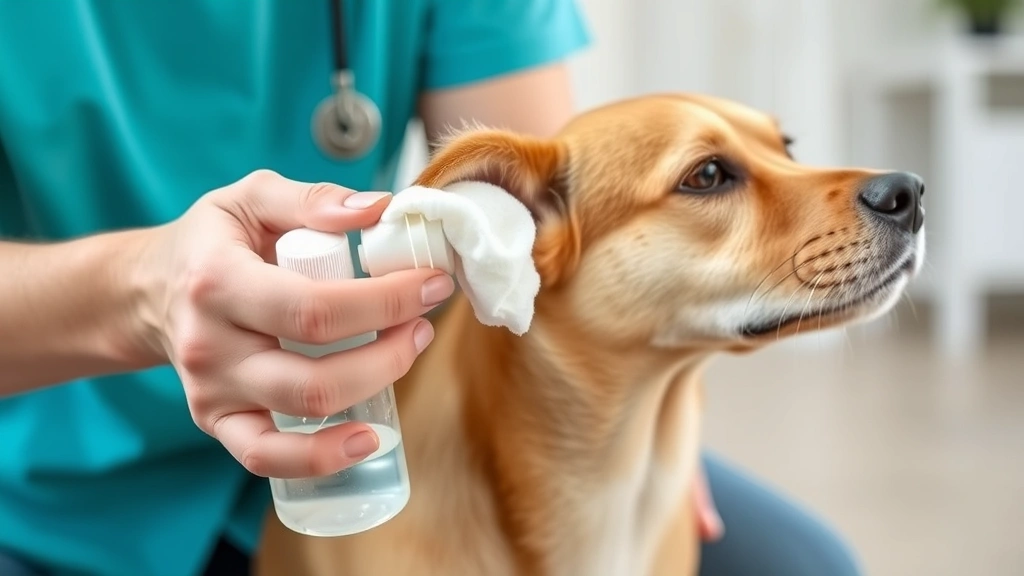
Regular cleaning is the cornerstone of dog ear infection prevention tips. Most dogs benefit from weekly ear cleanings, though this depends on their ear type and lifestyle.
How to clean your dog’s ears safely:
- Use a vet-approved ear cleaning solution (never use water alone)
- Gently lift the ear flap and apply the solution to the ear canal
- Massage the base of the ear for about 30 seconds to loosen debris
- Let your dog shake their head naturally
- Wipe away excess with a soft cloth or cotton ball
- Never insert anything deep into the ear canal
If you’re unsure about the proper technique, your vet can demonstrate the best method for your individual dog. Catching this early in your dog’s life sets them up for long-term ear health.
2. Keep Ears Dry After Water Exposure
Water is one of the biggest culprits behind ear infections, especially in dogs that love swimming or frequent baths. Moisture trapped in the ear canal creates an ideal breeding ground for infection-causing organisms.
Drying strategies:
- After swimming or bathing, gently dry ears with a soft towel
- Use a cotton ball to absorb moisture from the outer ear
- Consider using a pet ear drying solution after water exposure
- Avoid letting your dog shake water into their own ears repeatedly
Even brief water exposure matters, so be proactive after any water-based activity. Dogs who swim frequently or have moisture-prone ears may benefit from protective ear plugs designed for pets—ask your vet if this is right for your pup.
3. Address Allergies and Skin Conditions Promptly
Allergies are a leading underlying cause of ear infections in dogs. When your dog’s skin is inflamed or itchy due to food allergies, environmental triggers, or other dog skin allergies, the ear canal becomes irritated and more vulnerable to secondary infections.
Managing allergies is therefore essential for ear health. If your dog scratches frequently, has red or itchy skin, or experiences recurring ear issues, talk to your vet about allergy testing or management strategies.
Working with your vet to identify and treat underlying allergies can prevent multiple ear infections before they start. This is one of the most impactful prevention strategies available.
4. Trim Excess Ear Hair Carefully
Some breeds—like Poodles, Cocker Spaniels, and certain Terriers—grow hair inside their ear canals. This hair traps moisture and debris, creating a perfect environment for infection.
Ear hair management tips:
- Ask your groomer or vet to trim excess ear canal hair during grooming
- Never pluck hair aggressively, as this can irritate the delicate skin
- Check for excess hair buildup monthly
- Be especially vigilant during humid months
If your dog has naturally hairy ear canals, regular grooming maintenance is non-negotiable. Your groomer can handle this safely as part of routine care.
5. Monitor for Parasites and Mites
Ear mites and other parasites can trigger inflammation and secondary infections. Regular parasite prevention is therefore a key component of comprehensive ear health.
Work with your vet to establish an appropriate parasite prevention plan for your dog’s age, weight, and lifestyle. This might include monthly topical treatments, oral medications, or other options. Consistent prevention stops problems before they start.
If you notice your dog scratching their ears excessively or shaking their head frequently, ask a dog vet online whether parasites might be involved. Catching parasites early prevents ear infections from developing.
6. Choose the Right Diet and Manage Food Allergies
Nutrition plays a surprising role in ear health. Dogs with food allergies often experience inflamed ear canals as a symptom, leading to infections.
If your dog has recurring ear issues, your vet may recommend an elimination diet or allergy-friendly food to identify problematic ingredients. Omega-3 fatty acids can also support skin and ear health—ask your vet whether supplements might help your pup.
A high-quality diet tailored to your dog’s individual needs can reduce inflammation throughout their body, including in the ears. This preventive approach takes time but pays huge dividends.
7. Schedule Regular Vet Check-ups
Preventive veterinary care is your best defense against ear infections. During routine check-ups, your vet can inspect your dog’s ears, identify early signs of problems, and recommend breed-specific prevention strategies.
Regular exams also allow your vet to catch underlying conditions—like allergies or parasites—before they cause ear infections. If you notice any changes in your dog’s ear health between visits, talk to a vet online for guidance.
For dogs with a history of ear infections, your vet might recommend more frequent check-ups or preventive treatments. This personalized approach is far more effective than one-size-fits-all prevention.
Recognizing Early Warning Signs
Even with excellent prevention, some dogs still develop ear infections. Knowing the early warning signs helps you catch problems quickly.
Watch for these red flags:
- Excessive scratching, rubbing, or pawing at the ears
- Head shaking or tilting to one side
- Redness or swelling inside the ear
- Foul odor coming from the ears
- Discharge (yellowish, brownish, or waxy)
- Sensitivity when you touch the ear area
- Behavioral changes like irritability or lethargy
If you notice any of these signs, contact your vet promptly. Early treatment prevents infections from worsening and causing complications like hearing loss. Catching this early puts you in a great position to help your dog feel better quickly.
Breed-Specific Prevention Considerations
Some breeds are naturally more prone to ear infections than others. Floppy-eared breeds like Basset Hounds, Cocker Spaniels, and Beagles need extra attention because their ear shape traps moisture.
Dogs with parasites or other underlying health issues also face higher infection risk. If your dog’s breed or health profile puts them at higher risk, discuss customized prevention strategies with your vet during your next appointment.
Knowing your dog’s individual risk factors allows you to be proactive rather than reactive. This tailored approach is far more effective than generic prevention advice.
Frequently Asked Questions
How often should I clean my dog’s ears?
Most healthy dogs benefit from weekly ear cleanings, but this varies based on ear type, breed, and lifestyle. Dogs that swim frequently or have floppy ears may need more frequent cleaning. Ask your vet for personalized recommendations.
Can I use human ear cleaning products on my dog?
No—always use vet-approved ear cleaning solutions formulated specifically for dogs. Human products can irritate your dog’s sensitive ear canal and may cause more problems than they solve.
What’s the difference between ear cleaning and ear treatment?
Cleaning is preventive maintenance for healthy ears, while treatment is for active infections. If your dog has an infection, your vet will prescribe medicated drops or other treatments in addition to professional cleaning.
Are some dog breeds more prone to ear infections?
Yes—breeds with floppy ears, hairy ear canals, or predisposition to allergies (like Cocker Spaniels, Poodles, and Golden Retrievers) face higher infection risk. Discuss breed-specific prevention with your vet.
When should I contact a vet about my dog’s ears?
Contact your vet if you notice excessive scratching, head shaking, odor, discharge, or redness. If you’re unsure whether your pet needs urgent care, 24 hour online vet services can give you peace of mind—no appointment needed.
Summary: Keeping Your Dog’s Ears Healthy
Dog ear infection prevention tips don’t require complicated routines or expensive treatments. Instead, they focus on simple, consistent habits: regular cleaning, keeping ears dry, managing allergies, and scheduling routine vet check-ups.
By implementing these seven proven methods, you’ll dramatically reduce your dog’s risk of experiencing painful ear infections. Most importantly, you’ll catch any problems early, when they’re easiest to treat.
Your dog’s comfort and health are worth the small effort these prevention strategies require. Start with one or two methods this week, then build from there. Your pup will thank you with happier, healthier ears.
What To Do Now
- Schedule a vet appointment to discuss your dog’s individual ear health needs and get personalized prevention recommendations.
- Purchase a vet-approved ear cleaning solution and learn the proper cleaning technique from your veterinarian or groomer.
- Establish a weekly ear cleaning routine based on your dog’s breed, ear type, and lifestyle factors.
- Review your dog’s current parasite prevention plan with your vet to ensure it’s adequate for their risk level.
- If you notice any ear problems between vet visits, ask a dog vet online for immediate guidance.