
If you’ve noticed your dog showing signs of heart problems after a vaccination, you’re understandably worried—and you’re not alone. Many pet owners wonder about the connection between dog heart disease after vaccination and their furry friend’s health. The good news is that understanding what’s happening and knowing when to seek help can make all the difference.
Table of Contents
- Understanding the Connection: Vaccination and Heart Health
- What Is Myocarditis and How Does It Relate to Post-Vaccination Symptoms?
- Recognizing Early Warning Signs in Your Dog
- The Timeline: When Symptoms Typically Appear
- Distinguishing Between Normal Post-Vaccination Reactions and Heart Problems
- Diagnostic Steps Your Veterinarian May Take
- Treatment Options and Management Strategies
- The Role of Diet in Heart Health Recovery
- When to Seek Emergency Care
- Preventing Future Complications: Monitoring and Follow-Up Care
- Addressing Common Concerns and Misconceptions
- Frequently Asked Questions
- What To Do Now
- Summary: Moving Forward With Confidence
This article is for informational purposes only and is not a substitute for professional veterinary advice. Always consult a licensed veterinarian for diagnosis and treatment.
Understanding the Connection: Vaccination and Heart Health
The relationship between vaccines and heart conditions in dogs is complex and often misunderstood. While vaccines are crucial for protecting your dog from serious diseases, it’s important to recognize that any medical intervention—including vaccination—can occasionally trigger unexpected responses in individual animals.
Most dogs tolerate vaccines exceptionally well. However, in rare cases, some dogs may experience inflammatory responses that could affect the heart muscle. This doesn’t mean vaccines are unsafe; rather, it means your dog might be among the small percentage with individual sensitivities.
Research continues to evolve in this area. Veterinarians monitor vaccine safety closely, and if you have concerns about your dog’s specific health situation, a telehealth consultation can help you understand the risks and benefits for your pet.
What Is Myocarditis and How Does It Relate to Post-Vaccination Symptoms?
Myocarditis is inflammation of the heart muscle, and it’s one condition veterinarians monitor for when dogs show cardiac symptoms following vaccination. This inflammation can reduce the heart’s ability to pump blood effectively throughout the body.
In the rare event that myocarditis develops after vaccination, it typically appears within days to weeks of the injection. The inflammation may be mild and resolve on its own, or it could require veterinary intervention. Early detection is absolutely critical—catching this early puts you in a great position to help your dog recover.
It’s worth noting that myocarditis can develop from various causes, not just vaccination. Infections, genetic factors, and other inflammatory conditions can also trigger heart muscle inflammation.
Recognizing Early Warning Signs in Your Dog
Knowing what to watch for after your dog’s vaccination is essential. Some signs may appear subtle at first, but they warrant immediate attention from your veterinarian.
Common early indicators include:
- Lethargy or unusual tiredness lasting more than a day or two
- Reluctance to exercise or play (even in normally active dogs)
- Rapid or labored breathing at rest
- Persistent coughing, especially at night
- Loss of appetite or difficulty eating
- Swelling in the abdomen or legs
- Fainting episodes or collapse
- Pale gums or tongue
If you notice any of these symptoms within two to four weeks after vaccination, don’t wait. Your dog could be experiencing a concerning reaction. If you’re unsure whether your pet needs urgent care, a quick telehealth check-in can give you peace of mind—no appointment needed.
The Timeline: When Symptoms Typically Appear
Understanding the typical timeline helps you know what to monitor. Most vaccine reactions, if they occur, happen within hours to days of administration. However, cardiac-related symptoms can sometimes develop more gradually.
For potential myocarditis or inflammation-related heart issues, symptoms may appear anywhere from 24 hours to several weeks after vaccination. The first two weeks are the critical monitoring period when you should be most vigilant.
Keep a simple log of your dog’s behavior and energy levels during this time. Note any changes in eating, sleeping, activity level, or breathing patterns. This information will be invaluable if you need to consult with your veterinarian.
Distinguishing Between Normal Post-Vaccination Reactions and Heart Problems
It’s completely normal for dogs to experience mild reactions after vaccination. These temporary responses are actually signs that the immune system is responding to the vaccine.
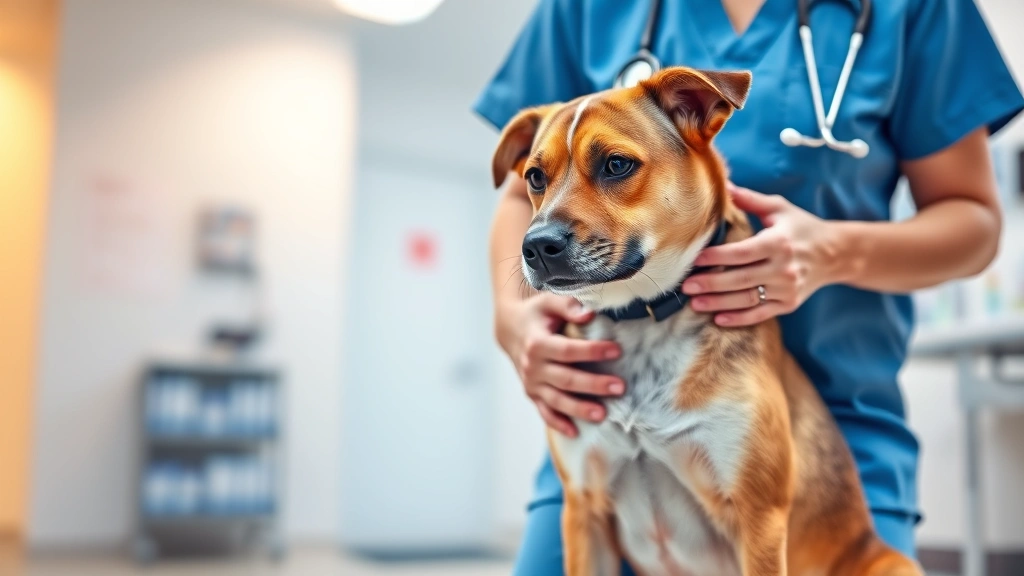
Normal, mild reactions typically include:
- Slight lethargy for 24-48 hours
- Low-grade fever
- Mild swelling at the injection site
- Brief loss of appetite (one meal)
- Slight behavior changes for a day
These reactions usually resolve within 48 hours without treatment. However, if symptoms persist beyond two days, worsen, or include the signs mentioned earlier—like persistent coughing, difficulty breathing, or fainting—contact your veterinarian immediately. Your dog may be experiencing something more serious than a typical vaccine response.
Diagnostic Steps Your Veterinarian May Take
If your dog shows concerning symptoms after vaccination, your vet will perform a thorough evaluation. Understanding what they’re looking for can help you feel more informed and prepared.
Your veterinarian may recommend:
- Physical examination: Listening to the heart for abnormal rhythms or murmurs
- Blood work: Checking for markers of heart stress or inflammation
- Chest X-rays: Evaluating heart size and lung fluid
- Ultrasound (echocardiogram): Detailed imaging of heart structure and function
- ECG: Recording electrical activity of the heart
These tests help determine whether your dog has a cardiac issue and how severe it might be. Don’t be alarmed if your vet recommends multiple tests—they’re being thorough to give your dog the best care possible.
Treatment Options and Management Strategies
If your dog is diagnosed with heart issues following vaccination, several treatment approaches may help. Your veterinarian will tailor recommendations to your dog’s specific situation and severity of symptoms.
Management strategies often include:
- Rest and restricted activity during recovery
- Medications to support heart function and reduce inflammation
- Dietary modifications to reduce strain on the heart
- Regular monitoring with follow-up appointments
- Lifestyle adjustments to minimize stress on the cardiovascular system
Many dogs recover well with appropriate care and monitoring. Learn more about comprehensive dog heart disease treatment options to understand what might be available for your pet. Understanding the stages of dog heart disease can also help you grasp your dog’s current condition and prognosis.
The Role of Diet in Heart Health Recovery
Nutrition plays a surprisingly important role in supporting cardiac recovery. The right diet can reduce strain on the heart and promote healing.
Your veterinarian may recommend a heart-friendly diet that’s lower in sodium and enriched with specific nutrients. Some dogs benefit from prescription heart diets formulated specifically for cardiac support. Learn more about the best diet for dogs with heart disease to give your pup optimal nutrition during recovery.
Never make dietary changes without consulting your vet first, as the right nutrition depends on your dog’s individual diagnosis and overall health status.
When to Seek Emergency Care
Certain symptoms require immediate emergency veterinary care. Don’t wait for a regular appointment if your dog shows any of these signs:
- Severe difficulty breathing or gasping for air
- Fainting or loss of consciousness
- Extreme lethargy or unresponsiveness
- Pale or blue-tinged gums
- Rapid heart rate that doesn’t slow with rest
- Sudden collapse
- Vomiting or inability to keep food down
These could indicate emergency signs of dog heart disease that need immediate attention. Head to your nearest emergency veterinary clinic without delay. Time matters in these situations, and quick action can save your dog’s life.
Preventing Future Complications: Monitoring and Follow-Up Care
Once your dog has experienced heart-related issues after vaccination, ongoing monitoring becomes part of your routine care. This doesn’t mean your dog is fragile—it means you’re being proactive about their health.

Schedule regular check-ups with your veterinarian, especially in the first few months after diagnosis. These visits help track your dog’s heart function and catch any changes early. Your vet may recommend periodic ultrasounds or blood work to monitor progress.
Keep a health journal noting your dog’s energy levels, appetite, breathing patterns, and any symptoms you observe. This information helps your veterinarian assess whether treatment is working effectively.
Addressing Common Concerns and Misconceptions
Pet owners often have questions about the safety of future vaccinations and the long-term outlook for their dogs. These concerns are valid and deserve thoughtful answers.
If your dog has experienced a reaction to vaccination, your veterinarian may recommend adjusting the vaccination schedule or approach for future vaccines. This might mean spacing out vaccines differently or using alternative protocols. The goal is to keep your dog protected while minimizing risk.
It’s also important to know that experiencing one adverse reaction doesn’t guarantee future reactions will occur. However, your vet will take your dog’s history into account when planning preventive care going forward.
Frequently Asked Questions
Can vaccines cause permanent heart damage in dogs?
While rare vaccine-related cardiac issues can occur, most dogs recover fully with appropriate treatment. Permanent damage is uncommon, especially when problems are caught early and managed properly.
How long after vaccination should I monitor my dog for heart problems?
The critical monitoring period is the first two to four weeks after vaccination. However, stay alert to any unusual symptoms throughout the first two months, as delayed reactions can occasionally occur.
Should I avoid future vaccinations if my dog had a reaction?
Not necessarily. Your veterinarian will work with you to develop a safe vaccination plan that protects your dog while minimizing risk. This might involve different timing, spacing, or approaches.
What’s the difference between a normal vaccine reaction and a heart problem?
Normal reactions are mild and resolve within 48 hours. Heart-related symptoms persist longer, include breathing difficulties, lethargy, or fainting, and require veterinary evaluation.
Can I use telehealth for initial heart problem concerns after vaccination?
Telehealth is great for discussing initial concerns and determining urgency, but physical examination and diagnostics require an in-person visit. However, follow-up consultations and monitoring can often be managed through telehealth.
What To Do Now
If you’re concerned about your dog’s health after vaccination, here are concrete steps to take:
- Document symptoms: Write down any changes in behavior, energy, breathing, or appetite, noting when they started and how they’ve progressed.
- Schedule a veterinary appointment: Contact your regular vet or an emergency clinic if symptoms are severe. Mention the recent vaccination when you call.
- Prepare your dog’s history: Have vaccination dates, any previous reactions, and current medications ready to share with your vet.
- Seek a telehealth consultation if needed: If you’re unsure whether your pet needs urgent care, a quick telehealth check-in can give you peace of mind—no appointment needed.
- Follow your vet’s recommendations: Once evaluated, follow all treatment and monitoring advice closely to support your dog’s recovery.
Summary: Moving Forward With Confidence
Dog heart disease after vaccination is rare, but it’s important to understand the signs and know how to respond. By staying vigilant during the critical monitoring period, recognizing warning symptoms, and seeking prompt veterinary care when needed, you’re giving your dog the best chance at a healthy recovery.
Remember, vaccines are vital for protecting your dog from serious diseases. The vast majority of dogs experience no cardiac complications from vaccination. If your dog is among the small percentage who do experience issues, early detection and proper treatment lead to excellent outcomes in most cases.
Your veterinarian is your best resource for personalized guidance about your dog’s health and vaccination needs. Whether you’re monitoring a healthy dog after routine vaccination or managing a diagnosed heart condition, you’re taking the right steps by staying informed and proactive about your pet’s wellbeing.