
Recognizing dog heart disease emergency signs could be the difference between a routine vet visit and a life-threatening crisis. If your dog is showing sudden changes in behavior, breathing, or energy levels, your instinct to worry is absolutely justified—and it’s time to act.
Table of Contents
- 1. Sudden Difficulty Breathing or Rapid Breathing
- 2. Collapse or Fainting Episodes
- 3. Excessive Coughing, Especially at Night
- 4. Pale or Blue-Tinged Gums
- 5. Lethargy and Unusual Weakness
- 6. Abdominal Swelling or Distension
- 7. Syncope During or After Exercise
- What Makes These Signs Emergencies?
- When Should You Go to an Emergency Clinic?
- What Happens at the Vet?
- Prevention and Long-Term Management
- Understanding Your Dog’s Heart Health
- Frequently Asked Questions
- What To Do Now
- Summary: Trust Your Instincts
This article is for informational purposes only and is not a substitute for professional veterinary advice. Always consult a licensed veterinarian for diagnosis and treatment.
Heart disease in dogs is more common than many pet owners realize. Whether your dog has a pre-existing condition or you’re noticing something new, understanding what to look for can help you respond quickly when it matters most. Let’s walk through the seven critical emergency signs that demand immediate attention.
1. Sudden Difficulty Breathing or Rapid Breathing
One of the most alarming emergency signs of dog heart disease is when your dog suddenly struggles to catch their breath. You might notice your pup breathing much faster than usual—sometimes 40+ breaths per minute at rest—or panting heavily even when they haven’t been active.
This happens because fluid can accumulate in the lungs when the heart isn’t pumping efficiently. Your dog may also seem anxious or restless, unable to find a comfortable position. Catching this early puts you in a great position to help your dog feel better quickly.
If your dog is gasping, wheezing, or breathing with their mouth wide open at rest, don’t wait. This is a sign to contact your vet or emergency clinic immediately.
2. Collapse or Fainting Episodes
Fainting (syncope) is a terrifying moment for any pet owner, but it’s a clear signal that your dog’s heart may not be pumping enough blood to the brain. Your dog might stumble, lose consciousness briefly, and then seem confused or disoriented when they come to.
These episodes can happen suddenly during play, walks, or even at rest. Some dogs may have a brief seizure-like appearance, but it’s actually a fainting episode related to inadequate blood flow.
Even if your dog seems fine afterward, a collapse episode is a medical emergency. Your vet needs to evaluate what triggered it and rule out serious heart conditions.
3. Excessive Coughing, Especially at Night
A persistent, dry cough—particularly one that wakes your dog at night or worsens when they lie down—is a classic sign of heart-related fluid buildup. Unlike a kennel cough that sounds harsh and honking, a heart-related cough is often softer and more frequent.
Your dog may try to sleep but keep waking themselves up coughing. They might seem restless, constantly shifting positions to find relief. This happens because fluid pools in the lungs when the heart can’t pump blood effectively.
If the coughing is new or getting worse, mention it to your vet right away. Early intervention can prevent this from becoming a full respiratory crisis.
4. Pale or Blue-Tinged Gums
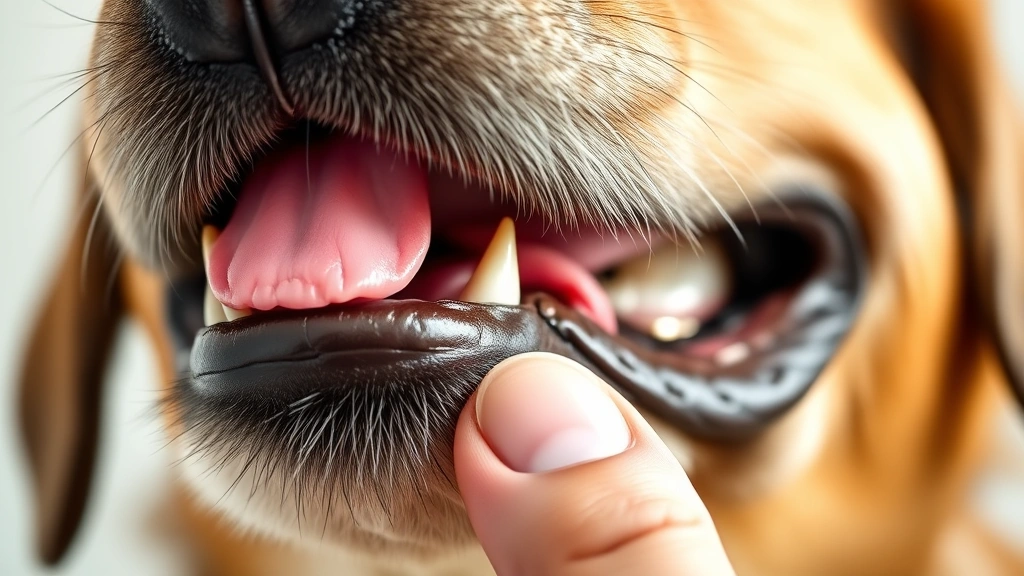
Gum color tells you a lot about your dog’s circulation. Healthy gums should be pink; pale or whitish gums suggest poor blood flow, while a blue or purple tinge (cyanosis) means your dog isn’t getting enough oxygen.
To check your dog’s gums, gently lift their lip and press your finger on the gum line. The color should return to pink within 1-2 seconds. If it takes longer or the gums stay pale, your dog needs emergency care.
This is one of the most serious dog heart disease emergency signs and requires immediate veterinary attention. Don’t delay—head to an emergency clinic right away.
5. Lethargy and Unusual Weakness
When your normally playful pup suddenly becomes a couch potato, something is wrong. Heart disease reduces the amount of oxygen-rich blood reaching your dog’s muscles and organs, leaving them exhausted even after minimal activity.
You might notice your dog struggling to climb stairs, reluctant to go on walks, or sleeping much more than usual. They may seem confused or unresponsive to their favorite toys or treats. This weakness develops because their heart is working harder but delivering less oxygen.
A sudden drop in energy level—especially combined with other symptoms—is worth investigating immediately. Your dog is telling you something is off, and their body is struggling.
6. Abdominal Swelling or Distension
Fluid can accumulate not just in the lungs but also in the abdomen when the heart isn’t pumping efficiently. You might notice your dog’s belly looks bloated or feels tight when you gently press it.
Your dog may also lose interest in eating or seem uncomfortable after meals. They might adopt a hunched posture or seem reluctant to move around. This abdominal fluid buildup is a sign of advanced heart stress.
If your dog’s belly suddenly looks swollen or feels hard, contact your vet immediately. This could indicate serious fluid accumulation that needs urgent treatment.
7. Syncope During or After Exercise
Some dogs with heart disease can seem fine at rest but collapse during or right after activity. This happens because exercise demands more blood flow than a weakened heart can provide. Your dog might faint during a walk, playtime, or even while eating.
This is particularly common in dogs with certain heart conditions where the heart can’t increase its output when the body needs more oxygen. After the episode, your dog may seem dazed, disoriented, or anxious.
Even a single fainting episode during activity is a red flag. Your dog’s heart needs professional evaluation to determine what’s happening and how to keep them safe.
What Makes These Signs Emergencies?
The reason these symptoms demand urgent attention is that heart disease can progress rapidly. What seems like a minor cough today could become life-threatening respiratory distress tomorrow. The heart is working overtime to keep your dog alive, and without intervention, it can fail suddenly.
Heart disease in dogs comes in many forms—from valve disease to dilated cardiomyopathy to arrhythmias. Each type presents differently, but all share one thing: early detection and management dramatically improve outcomes.
The good news? Many heart conditions can be managed with medication, diet changes, and lifestyle adjustments. But your vet needs to diagnose the specific problem first.
When Should You Go to an Emergency Clinic?
If your dog is experiencing any of these seven symptoms, here’s your decision-making guide:
- Go immediately to an emergency clinic if: Your dog is gasping for breath, has collapsed, has blue-tinged gums, or seems in severe distress. Don’t wait for your regular vet’s office to open.
- Call your vet first if: Your dog is showing mild coughing, lethargy, or reduced appetite. They can advise whether your dog needs same-day care or an emergency visit.
- Get a telehealth opinion if: You’re unsure whether your pet needs urgent care. A quick telehealth check-in can give you peace of mind and professional guidance—no appointment needed.
What Happens at the Vet?
When you bring your dog in with suspected heart disease, your vet will perform a thorough physical exam, listening carefully to the heart and lungs with a stethoscope. They’ll likely recommend diagnostic tests like X-rays or an ultrasound (echocardiogram) to see exactly what’s happening inside your dog’s chest.
Blood work may also be needed to check organ function and rule out other conditions. These tests help your vet create a treatment plan tailored to your dog’s specific condition.
Once diagnosed, many dogs respond well to treatment. Your vet might recommend medication, dietary changes, exercise restrictions, or a combination of these approaches. The key is catching it early.

Prevention and Long-Term Management
While some types of heart disease are genetic, others can be prevented or delayed through good nutrition and regular vet checkups. Maintaining a healthy weight, providing appropriate exercise, and feeding a high-quality diet all support heart health.
If your dog has been diagnosed with heart disease, follow your vet’s treatment plan closely. Medications may need adjustment over time, and your dog may need periodic rechecks to monitor their condition. A heart-healthy diet can also make a significant difference—check out our guide on dog heart disease best diet options for specific recommendations.
Regular monitoring helps catch complications early. Many dogs with heart disease live comfortably for years with proper management.
Understanding Your Dog’s Heart Health
Heart disease isn’t always obvious. Some dogs have no symptoms until the condition becomes serious, which is why regular vet visits are so important—especially for senior dogs or breeds predisposed to heart problems.
If your dog has been diagnosed with heart disease, learning about dog heart disease treatment options can help you make informed decisions with your vet. Understanding conditions like bradycardia in dogs or related issues can also give you better insight into your pup’s specific situation.
Your vet is your best resource. Don’t hesitate to ask questions about your dog’s condition, treatment plan, and what signs to watch for at home.
Frequently Asked Questions
Can a dog recover from heart disease?
Some heart conditions can be managed and controlled with treatment, allowing dogs to live comfortably for years. However, true recovery depends on the type and severity of the disease. Your vet can explain the prognosis for your specific dog.
How quickly does dog heart disease progress?
Heart disease progression varies widely. Some dogs decline slowly over months or years, while others can deteriorate rapidly. This is why regular monitoring and following your vet’s treatment plan is so important.
Is heart disease painful for dogs?
While heart disease itself isn’t typically painful, the symptoms—like difficulty breathing or fatigue—cause significant discomfort and distress. Treatment aims to relieve these symptoms and improve quality of life.
Can young dogs get heart disease?
Yes, some dogs are born with heart defects, and certain breeds are predisposed to early-onset heart disease. However, heart disease is most common in senior dogs. Any age dog can develop heart problems, so watch for emergency signs regardless of age.
What should I do if my dog faints?
Stay calm and keep your dog safe from injury. Once they regain consciousness, contact your vet or emergency clinic immediately. Even a single fainting episode warrants professional evaluation to rule out serious heart conditions.
What To Do Now
If you’re concerned your dog may be experiencing dog heart disease emergency signs, take these steps:
- Assess your dog’s current symptoms: Note any breathing changes, coughing, lethargy, fainting, pale gums, abdominal swelling, or exercise intolerance. Write down when symptoms started and how they’ve progressed.
- Determine urgency: If your dog is gasping, has collapsed, or shows blue-tinged gums, go to an emergency clinic immediately. Otherwise, call your vet for guidance on timing.
- Prepare for the vet visit: Gather any medical history, list current medications or supplements, and be ready to describe your dog’s symptoms in detail. Bring a list of questions about treatment and management.
- If unsure about urgency: Schedule a telehealth consultation with The Pet Vet to get professional guidance quickly. A vet can help you determine if your dog needs emergency care without the wait.
- Follow through with diagnostics: Once you see your vet, don’t skip recommended tests like X-rays or ultrasounds. These give your vet the information needed to create an effective treatment plan.
Summary: Trust Your Instincts
Your dog can’t tell you what’s wrong, so you have to be their advocate. If you notice sudden changes in breathing, energy, appetite, or behavior, trust that something needs attention. The seven dog heart disease emergency signs we’ve covered—difficulty breathing, collapse, coughing, pale gums, lethargy, abdominal swelling, and exercise-induced fainting—are your dog’s way of signaling distress.
Heart disease is serious, but it’s also manageable when caught early. Many dogs thrive with proper treatment and care. The difference between a good outcome and a crisis often comes down to how quickly you recognize the warning signs and seek help.
Don’t wait and wonder. If your dog is showing any of these symptoms, reach out to your vet today. Your quick action could add months or years to your dog’s life—and that’s worth everything.