
Watching your senior dog struggle with dog liver disease in senior pets can feel overwhelming, especially when you’re trying to figure out which treatments might help. The liver is your dog’s detoxification powerhouse, filtering out harmful substances and keeping their body running smoothly. When it starts to fail, it affects everything from digestion to energy levels. The good news? Early detection and the right management plan can help your senior companion enjoy their golden years more comfortably.
Table of Contents
- What Is Dog Liver Disease and Why Does It Affect Seniors?
- Common Signs Your Senior Dog May Be Experiencing Liver Problems
- How Vets Diagnose Liver Disease in Aging Dogs
- Understanding Medication Categories for Senior Dogs With Liver Disease
- The Role of Diet in Managing Senior Dog Liver Disease
- Managing Side Effects and Quality of Life
- Monitoring Your Senior Dog’s Liver Health Over Time
- When to Seek Urgent Care for Your Senior
- The Connection Between Liver and Kidney Health in Senior Dogs
- Nutritional Supplements and Liver Support
- Creating a Comfortable Environment for Your Senior
- Frequently Asked Questions
- What To Do Now
- Summary: Supporting Your Senior Through Liver Disease
This article is for informational purposes only and is not a substitute for professional veterinary advice. Always consult a licensed veterinarian for diagnosis and treatment.
What Is Dog Liver Disease and Why Does It Affect Seniors?
Liver disease in dogs develops when the liver can’t perform its normal functions efficiently. Senior dogs are particularly vulnerable because their organs naturally age and become less resilient over time. The liver’s ability to filter blood, produce proteins, and store nutrients gradually declines.
Several factors increase risk in aging dogs: chronic infections, prolonged medication use, poor nutrition, or exposure to toxins over many years. Sometimes, liver disease develops without an obvious cause—what vets call idiopathic liver disease. The important thing to know is that your senior dog isn’t alone in facing this challenge, and veterinary medicine offers real options to slow progression and improve quality of life.
Common Signs Your Senior Dog May Be Experiencing Liver Problems
Recognizing early symptoms of liver disease in senior dogs can make a tremendous difference. Watch for these potential warning signs:
- Yellowing of the eyes, gums, or skin (jaundice)
- Persistent vomiting or loss of appetite
- Increased thirst and frequent urination
- Lethargy or unusual fatigue
- Pale gums or unusual bruising
- Abdominal swelling or tenderness
- Changes in stool color (pale or clay-colored)
- Confusion or behavioral changes
If you notice any of these signs, scheduling a veterinary visit is crucial. Catching liver disease early puts you in a great position to help your senior thrive. Many of these symptoms can overlap with other age-related conditions, which is why professional diagnosis matters so much.
How Vets Diagnose Liver Disease in Aging Dogs
Your veterinarian will likely start with a thorough physical exam and ask detailed questions about your dog’s recent behavior and appetite changes. Blood work is essential—liver enzymes and bilirubin levels tell vets whether the liver is struggling. They may also recommend ultrasound imaging to check the liver’s structure and rule out tumors or other complications.
Some senior dogs benefit from a liver biopsy if the diagnosis remains unclear, though this is typically reserved for more complex cases. Once your vet confirms liver disease, they’ll grade its severity and discuss a personalized treatment plan. This is where understanding medication options becomes really valuable for supporting your senior’s health.
Understanding Medication Categories for Senior Dogs With Liver Disease
Treating dog liver disease in senior pets often involves multiple medications working together. Rather than listing specific drugs with dosages (which only your vet should prescribe), let’s explore the main categories and how they help:
Hepatoprotective agents are designed to support liver cell function and reduce inflammation. These may help slow disease progression and protect remaining healthy tissue. Your vet might recommend these as a cornerstone of treatment.
Diuretics help manage fluid accumulation, which can occur when the liver isn’t functioning optimally. They reduce swelling and improve comfort, though they require careful monitoring to prevent dehydration.
Antibiotics or antimicrobials address secondary infections that sometimes develop when liver function declines. These are used strategically and only when needed, to avoid unnecessary medication burden.
Digestive support medications help with nausea, vomiting, and appetite—common challenges for dogs with liver disease. These improve quality of life significantly by making eating more comfortable.
Vitamin and mineral supplements compensate for what the liver can no longer produce or store effectively. B vitamins, vitamin E, and other nutrients become especially important for senior dogs with hepatic disease.

Lactulose or other ammonia-reducing agents may be recommended if your dog shows signs of hepatic encephalopathy (confusion or behavioral changes). These help prevent the buildup of toxic substances the liver normally filters.
The Role of Diet in Managing Senior Dog Liver Disease
Medication is only part of the equation. Diet plays an equally critical role in supporting your senior dog’s liver health. Many vets recommend a specialized hepatic diet that’s lower in protein but higher in quality, easily digestible ingredients. This reduces the liver’s workload while still providing essential nutrition.
Fat content also matters—your vet may suggest a diet lower in fat to ease digestion. Some senior dogs benefit from foods rich in antioxidants and B vitamins. Always work with your veterinarian or a veterinary nutritionist before making dietary changes, especially when liver disease is involved. What works beautifully for one senior might not be ideal for another.
You’ll want to avoid foods that stress the liver, including those high in sodium, artificial additives, or difficult-to-digest fats. Fresh, whole foods are often better tolerated than heavily processed options.
Managing Side Effects and Quality of Life
Senior dogs with liver disease sometimes experience side effects from treatment. Nausea, reduced appetite, or constipation can occur. The key is communication with your vet—there are often adjustments or additional medications that can help manage these challenges.
Supporting your senior’s overall wellness matters too. Gentle exercise appropriate for their energy level, consistent sleep schedules, and stress reduction all contribute to better outcomes. You might notice your dog sleeping more—that’s actually healthy for a senior managing liver disease. For more insights, check out our guide on geriatric dog sleep patterns.
Some seniors also experience anxiety as they age, which can complicate liver disease management. If you notice behavioral changes beyond what’s typical for liver disease, discussing senior dog anxiety with your vet is worthwhile.
Monitoring Your Senior Dog’s Liver Health Over Time
Regular veterinary check-ups become even more important when your senior has liver disease. Your vet will likely recommend blood work every 3-6 months to track liver enzyme levels and adjust treatment as needed. This ongoing monitoring helps catch any worsening early and allows for proactive adjustments.
Keep detailed notes about your dog’s appetite, energy, bathroom habits, and any changes you observe. These observations help your vet make informed decisions about medication adjustments. You’re your senior’s best advocate—you know their baseline better than anyone.
When to Seek Urgent Care for Your Senior
While many cases of liver disease progress gradually, some situations require immediate veterinary attention. Seek urgent care if your senior experiences severe vomiting, inability to eat or drink, extreme lethargy, or signs of confusion. If you’re unsure whether your pet needs urgent care, a quick telehealth check-in can give you peace of mind—no appointment needed.
Recognizing the difference between typical disease progression and a crisis helps you respond appropriately. Your gut instinct matters—if something feels seriously wrong, don’t wait.
The Connection Between Liver and Kidney Health in Senior Dogs
Senior dogs sometimes develop both liver and kidney disease simultaneously. These organs work closely together, so problems in one can affect the other. If your senior has been diagnosed with liver disease, your vet may also monitor kidney function closely. Understanding dog kidney disease early signs helps you catch potential complications. For long-term management strategies, our article on dog kidney disease chronic management offers valuable insights applicable to multi-organ health in seniors.
Nutritional Supplements and Liver Support
Beyond prescription medications, certain supplements may support liver health in senior dogs. Milk thistle, SAMe, and omega-3 fatty acids are commonly discussed with veterinarians as potential supportive therapies. However, not every supplement is appropriate for every dog, and some can interact with medications.
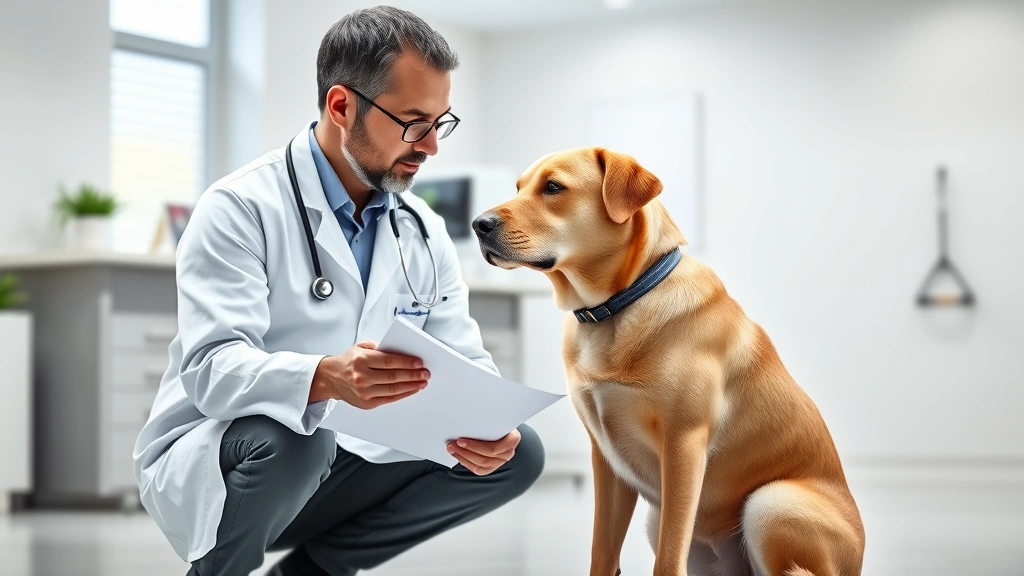
Always discuss any supplements with your vet before introducing them. Quality matters significantly—veterinary-grade supplements are more reliable than over-the-counter options. Your vet can recommend products they trust and explain how they fit into your senior’s overall treatment plan.
Creating a Comfortable Environment for Your Senior
Beyond medications and diet, environmental adjustments support your senior’s wellbeing. Ensure easy access to water and food bowls at comfortable heights. Soft bedding helps aging joints, which often ache alongside liver disease. If your senior experiences stomach pain, keeping their living space calm and stress-free becomes especially important.
Temperature control matters too—senior dogs regulate body heat less efficiently. Provide warm blankets in winter and cool spaces in summer. These small adjustments significantly improve comfort during treatment.
Frequently Asked Questions
How long can a senior dog live with liver disease?
Prognosis varies widely depending on disease severity, your dog’s age, and how well they respond to treatment. Some seniors live comfortably for years with proper management, while others may decline more quickly. Your vet can give you a more specific timeline based on your individual dog.
Can liver disease in dogs be cured?
Unfortunately, most liver disease in dogs cannot be completely cured, but it can be effectively managed to slow progression and improve quality of life. Early detection and consistent treatment make a significant difference in outcomes.
Are there natural alternatives to liver disease medications?
While some natural supplements may support liver health, they should never replace veterinary medications. Discuss any natural approaches with your vet to ensure they complement rather than interfere with prescribed treatment.
Will my senior dog need medication for life?
Most senior dogs with liver disease require ongoing medication management. Your vet may adjust dosages or medications over time based on blood work results and your dog’s response, but stopping treatment usually isn’t recommended.
How much does treating liver disease in senior dogs cost?
Costs vary based on medications, monitoring frequency, and dietary needs. Initial diagnosis might involve blood work and ultrasound, while ongoing care includes regular check-ups and medications. Discussing costs upfront with your vet helps you plan accordingly.
What To Do Now
- Schedule a veterinary appointment if your senior hasn’t been evaluated recently. Bring a list of any symptoms you’ve noticed, even minor ones.
- Request baseline blood work to establish your dog’s current liver enzyme levels. This gives you a starting point for monitoring disease progression.
- Ask your vet about a specialized hepatic diet and get specific feeding recommendations tailored to your senior’s condition and preferences.
- Set up a monitoring schedule with your vet for regular check-ups and blood work, typically every 3-6 months for dogs with liver disease.
- Create a symptom journal to track your dog’s appetite, energy levels, and any changes. Share this with your vet at each visit to guide treatment adjustments.
Summary: Supporting Your Senior Through Liver Disease
Discovering that your senior dog has liver disease is undoubtedly concerning, but it’s not a death sentence. Modern veterinary medicine offers multiple treatment approaches that can significantly improve your dog’s comfort and extend their quality time with you. Medications work alongside proper nutrition, environmental adjustments, and consistent monitoring to create a comprehensive care plan.
Your role as a caring pet owner is crucial. You observe your senior daily, notice subtle changes, and advocate for their needs. Combined with your veterinarian’s expertise and appropriate medication management, this partnership gives your senior the best possible chance at a comfortable life in their golden years.
Remember, every senior dog’s journey is unique. What matters most is that you’re taking action, staying informed, and showing up for your companion. That dedication makes all the difference.