
If your dog has been scratching more than usual, you might be noticing the early signs of dog skin allergies symptoms that deserve your attention. Watching your furry friend itch, lick, or chew at their skin can be heartbreaking, and it’s natural to feel concerned about what’s causing their discomfort.
Table of Contents
- What Are Dog Skin Allergies?
- Common Dog Skin Allergies Symptoms to Watch For
- How Environmental Allergies Show Up in Dogs
- Food Allergies and Skin Reactions
- Secondary Skin Infections: When Allergies Get Complicated
- Solution 1: Identify and Eliminate the Trigger
- Solution 2: Optimize Your Dog’s Diet
- Solution 3: Regular Bathing With Appropriate Shampoo
- Solution 4: Supplements and Omega Fatty Acids
- Solution 5: Environmental Management
- Solution 6: Topical Treatments and Moisturizers
- Solution 7: Professional Veterinary Support
- When to Seek Immediate Veterinary Care
- Frequently Asked Questions
- What To Do Now
- Summary: Taking Action Against Dog Skin Allergies Symptoms
This article is for informational purposes only and is not a substitute for professional veterinary advice. Always consult a licensed veterinarian for diagnosis and treatment.
The good news? You’re not alone in this journey, and there are proven ways to help your pup feel better. Skin allergies are one of the most common health issues vets see in dogs, affecting millions of pets every year. Understanding what to look for is the first step toward getting your dog relief.
What Are Dog Skin Allergies?
Dog skin allergies happen when your pet’s immune system overreacts to something in their environment or diet. This overreaction causes inflammation, redness, and that maddening itch that keeps your dog uncomfortable. Unlike a simple itch from a flea, allergies are your dog’s body fighting against a trigger it perceives as harmful.
There are three main types of allergies affecting dogs: environmental allergies (from pollen, dust, or mold), food allergies, and contact allergies (from shampoos or materials). Each type presents similarly but requires different approaches to find relief.

Common Dog Skin Allergies Symptoms to Watch For
Recognizing dog skin allergies symptoms early can make a huge difference in your pet’s comfort level. Here are the signs that typically show up:
- Excessive scratching, licking, or chewing – especially on paws, ears, face, and underarms
- Red, inflamed skin – patches that appear angry or swollen
- Hair loss – thinning or bald spots from constant licking
- Ear infections – frequent head shaking or ear odor
- Skin odor – a yeasty or musty smell that develops from secondary infections
- Dry, flaky skin – dandruff-like appearance or crusty patches
- Swelling of the face, ears, or paws – puffiness that comes and goes
- Watery eyes or discharge – allergies often affect the eyes too
Catching these early puts you in a great position to help your dog before secondary skin infections develop. Many pet owners don’t realize that constant scratching creates tiny wounds where bacteria can take hold, making things worse over time.

How Environmental Allergies Show Up in Dogs
Environmental allergies are triggered by things in your dog’s surroundings like pollen, dust mites, mold, or grass. These allergies often follow seasonal patterns—your dog might itch more during spring when trees pollinate or in fall when ragweed blooms.
Dogs with environmental allergies frequently lick their paws obsessively and scratch their ears and face. You might notice the itching gets worse after walks outside or during high pollen seasons. Some dogs develop what vets call “allergic salute”—a front paw raised to their face as they try to scratch their itchy nose.
Food Allergies and Skin Reactions
Food allergies trigger skin issues year-round since your dog eats the same food consistently. Common culprits include chicken, beef, wheat, and corn, though any ingredient can cause problems in sensitive dogs. Unlike food intolerance (which causes digestive upset), food allergies create immune system reactions that show up as skin inflammation.
If your dog has a food allergy, you’ll often see itching around the ears, face, and paws. The symptoms don’t improve seasonally and might actually get worse over time if the trigger food keeps appearing in their diet. An elimination diet under veterinary guidance can help identify the problematic ingredient. For more information on what your dog should and shouldn’t eat, check out our guide on foods dogs should avoid.

Secondary Skin Infections: When Allergies Get Complicated
Here’s where allergies get tricky: constant scratching breaks the skin barrier, letting bacteria and yeast move in. This is why dogs with untreated allergies often develop secondary infections that smell bad and look worse than the original allergy.
You might notice your dog’s skin becoming increasingly red, developing a strong odor, or producing discharge. These secondary infections need attention because they create a painful cycle—the infection makes itching worse, which causes more scratching, which worsens the infection. The good news is that addressing the underlying allergy helps prevent these complications from happening in the first place.

Solution 1: Identify and Eliminate the Trigger
The most effective long-term relief comes from figuring out what’s causing the allergy. For environmental allergies, this might mean reducing exposure to pollen by wiping paws after walks or running an air purifier at home. For food allergies, working with your vet on an elimination diet helps pinpoint the exact ingredient causing problems.
Start keeping a detailed log of when your dog itches most, what they’ve eaten, and what they’ve been exposed to. This information becomes invaluable when discussing patterns with your veterinarian. Sometimes the trigger is obvious; other times, it takes detective work to uncover.

Solution 2: Optimize Your Dog’s Diet
Nutrition plays a huge role in skin health. Dogs eating high-quality, limited-ingredient diets often see improvement in their skin condition. Look for foods with named meat sources (like chicken or fish) rather than vague terms like “meat meal,” and consider options with added omega-3 fatty acids.
Many vets recommend foods specifically formulated for sensitive skin, which are gentler and less likely to trigger reactions. Your veterinarian can recommend brands that have worked well for other allergic dogs. For more guidance on dietary management, explore our article about dog gastrointestinal issues foods to avoid.

Solution 3: Regular Bathing With Appropriate Shampoo
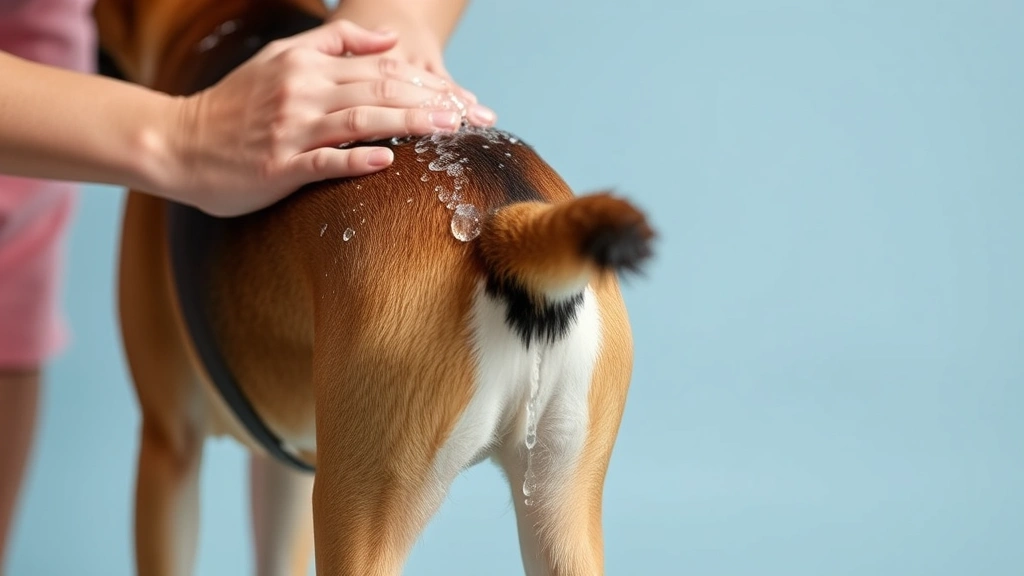
Bathing your dog with a gentle, hypoallergenic shampoo removes allergens from their coat and skin. Oatmeal-based or hypoallergenic shampoos can soothe irritation while cleansing. Bathe your dog every 1-2 weeks during allergy season, using lukewarm (not hot) water that won’t further irritate sensitive skin.
After bathing, pat your dog dry gently rather than rubbing, which can cause more irritation. Some vets recommend leaving the shampoo on for 5-10 minutes before rinsing to maximize soothing benefits. Avoid human shampoos or heavily fragranced products, which often trigger reactions.

Solution 4: Supplements and Omega Fatty Acids
Omega-3 and omega-6 fatty acids support skin barrier function and reduce inflammation from within. These supplements won’t cure allergies, but they significantly reduce itching and improve skin quality over time. Fish oil, flaxseed oil, and specialized skin support supplements are popular choices that many dogs tolerate well.
Start supplements gradually to ensure your dog’s system adjusts well. Most dogs show improvement within 4-6 weeks of consistent supplementation. Your vet can recommend appropriate dosages based on your dog’s size and specific needs.

Solution 5: Environmental Management
Reducing allergen exposure in your home makes a real difference. Wash your dog’s bedding weekly in hot water to eliminate dust mites and pollen. Use air filters in your home, vacuum frequently, and consider wiping your dog’s paws and face after outdoor time.
For dogs with grass allergies, limiting time on lawns or creating a designated potty area can help. Some pet parents use protective booties during high pollen seasons. These simple changes often provide noticeable relief without any medication.

Solution 6: Topical Treatments and Moisturizers
Hydrating your dog’s skin with appropriate moisturizers helps restore the skin barrier and reduces itching. Sprays, balms, and creams designed for allergic dogs can provide immediate comfort. Some products contain soothing ingredients like aloe or chamomile that calm inflamed areas.
Apply topical treatments to affected areas as directed, usually once or twice daily. These work best alongside other solutions rather than as standalone treatments. Your vet can recommend products that won’t interfere with other treatments your dog might be receiving.

Solution 7: Professional Veterinary Support
If home remedies aren’t providing relief within 2-3 weeks, your dog would benefit from professional evaluation. Your vet can perform skin scrapings or other tests to rule out parasites like mange in dogs, which sometimes mimics allergies. They can also recommend prescription options if your dog needs additional support.
If you’re unsure whether your pet needs urgent care or wants professional guidance on allergy management, a quick telehealth check-in with The Pet Vet can give you peace of mind—no appointment needed. Our vets can review your dog’s symptoms, discuss your observations, and recommend next steps based on what you’re seeing at home.
When to Seek Immediate Veterinary Care
Most allergies develop gradually and aren’t emergencies, but certain situations need prompt attention. Seek immediate care if your dog shows signs of severe swelling (especially around the face or throat), difficulty breathing, or signs of a serious infection like spreading redness or discharge with fever.
Secondary skin infections can escalate quickly, so don’t wait if you notice sudden worsening. Your vet can determine whether your dog needs antibiotics or other interventions to prevent complications.

Frequently Asked Questions
How long does it take to see improvement from allergy treatment?
Most dogs show some improvement within 2-4 weeks of starting treatment, though complete relief might take 6-8 weeks. Environmental changes and dietary adjustments take longer than topical treatments to show results.
Can dog skin allergies go away on their own?
Unfortunately, allergies typically don’t resolve without intervention. However, managing triggers and supporting skin health can significantly reduce symptoms and improve your dog’s quality of life.

Are certain dog breeds more prone to skin allergies?
Yes, breeds like Bulldogs, Retrievers, German Shepherds, and Terriers show higher allergy rates. However, any dog can develop allergies regardless of breed.
Is it safe to give my dog allergy medication long-term?
Many allergy medications are safe for long-term use under veterinary supervision. Your vet will monitor your dog and adjust treatment as needed to keep them comfortable.

Can I prevent my puppy from developing allergies?
While you can’t prevent genetic predisposition to allergies, feeding high-quality food, minimizing unnecessary chemical exposure, and maintaining good skin hygiene support overall skin health from a young age.
What To Do Now
- Document your observations: Keep a 1-2 week log of when your dog itches, what they’ve eaten, and environmental factors. This information helps your vet identify patterns.
- Schedule a veterinary consultation: Contact your vet or use The Pet Vet telehealth for an initial assessment. Describe the symptoms you’ve noticed and when they started.
- Switch to a gentle, hypoallergenic shampoo: Start bathing your dog weekly with a product formulated for sensitive or allergic skin.
- Evaluate your dog’s current food: Review the ingredient list with your vet to identify potential triggers, or ask about limited-ingredient diet options.
- Implement environmental changes: Wash bedding weekly, wipe paws after outdoor time, and consider air filtration in your home.
Summary: Taking Action Against Dog Skin Allergies Symptoms
Recognizing dog skin allergies symptoms early and taking action gives your dog the best chance at relief. Whether your pup is dealing with environmental triggers, food sensitivities, or contact allergies, a combination of identification, environmental management, and professional support typically brings improvement.
Remember that every dog is unique, and what works for one allergic pup might not work for another. Your veterinarian is your best partner in finding the right approach for your specific dog. With patience and the right strategy, most dogs with allergies go on to live comfortable, happy lives with their families.
You’re already on the right path by learning about these symptoms and solutions. Your dog is lucky to have someone who cares enough to seek answers.