
If your dog has been diagnosed with a thyroid disorder, you’re probably wondering what changes you need to make at home—and dog thyroid disorder foods to avoid is likely at the top of your list. The good news? Diet plays a significant role in managing your pup’s thyroid health, and knowing which foods could interfere with treatment can make a real difference in how your dog feels day to day.
Table of Contents
- Understanding Canine Thyroid Disorders and Diet
- Why Foods Matter for Dogs With Thyroid Conditions
- Foods High in Goitrogens to Limit
- Why High-Fat Foods Can Be Problematic
- Avoiding Excess Iodine and Iodine-Rich Foods
- Processed Foods and Artificial Additives
- The Timing Challenge: Medication and Food Interactions
- Supporting Your Dog’s Thyroid With Better Food Choices
- Creating a Thyroid-Friendly Feeding Schedule
- When to Seek Additional Veterinary Guidance
- Quick Reference: Foods to Avoid at a Glance
- What To Do Now
- Summary: Managing Your Dog’s Thyroid Through Diet
- Frequently Asked Questions
- Additional Resources
This article is for informational purposes only and is not a substitute for professional veterinary advice. Always consult a licensed veterinarian for diagnosis and treatment.
Understanding Canine Thyroid Disorders and Diet
Thyroid disorders in dogs—most commonly hypothyroidism—affect how your dog’s body regulates metabolism, energy levels, and overall health. When the thyroid isn’t working properly, certain foods can make symptoms worse or interfere with medication absorption. Your vet likely prescribed medication, but diet is your silent partner in treatment.
The thyroid controls everything from weight management to coat quality, so supporting it nutritionally matters more than you might think. Think of food as either helping or hindering your dog’s medication—there’s rarely a middle ground.
Why Foods Matter for Dogs With Thyroid Conditions
Some foods contain compounds that can block iodine absorption or interfere with thyroid medication. Others might trigger inflammation or digestive issues that make your dog feel worse. When your vet prescribes thyroid medication, they’re counting on your dog’s body to absorb it effectively—and certain foods can get in the way.
Additionally, dogs with thyroid disorders often struggle with weight gain and lethargy. The right diet—and avoiding the wrong one—helps keep your pup at a healthy weight and energy level.
Foods High in Goitrogens to Limit
Goitrogens are naturally occurring compounds found in some vegetables that can interfere with thyroid function by blocking iodine absorption. While these foods aren’t toxic, they can work against your dog’s treatment plan when fed in large amounts.
Common goitrogenic foods include:
- Cruciferous vegetables: Broccoli, cabbage, cauliflower, and Brussels sprouts should be given sparingly or avoided altogether
- Soy products: Soy-based dog treats or foods can suppress thyroid hormone levels
- Certain grains: Millet and other grains contain goitrogens and should be minimized
This doesn’t mean your dog can never have a broccoli floret, but large portions or frequent servings could interfere with medication effectiveness. Work with your vet to determine safe amounts for your individual dog.
Why High-Fat Foods Can Be Problematic
Dogs with thyroid disorders often gain weight easily because their metabolism is already slowed down. High-fat foods make this problem worse and can trigger inflammation that complicates the condition. Additionally, excessive fat can interfere with the absorption of thyroid medication.
Fatty meats, fried foods, and high-fat treats should be limited significantly. Instead, focus on lean proteins that support muscle maintenance without the metabolic burden. Your dog’s waistline—and their thyroid—will thank you.
Avoiding Excess Iodine and Iodine-Rich Foods
While iodine is essential for thyroid function, too much can be just as problematic as too little, depending on your dog’s specific condition. Some dogs with hyperthyroidism need to avoid iodine-rich foods, while others benefit from moderate iodine intake.
Foods to be cautious about include:
- Kelp and seaweed supplements
- Fish and fish meal (in large quantities)
- Dairy products
- Eggs (feed in moderation)
Always ask your vet whether your dog’s specific thyroid condition requires iodine restriction. This is where personalized veterinary guidance becomes crucial.
Processed Foods and Artificial Additives
Commercial dog foods loaded with artificial preservatives, dyes, and by-products can trigger inflammation and digestive upset in dogs with thyroid disorders. These additives don’t directly affect thyroid function, but they stress the immune system and complicate overall health management.
When choosing dog food, look for:
- Limited ingredient diets
- Whole food sources rather than meal by-products
- No artificial colors or preservatives
- Foods formulated for weight management (if your dog is overweight)
Reading ingredient labels becomes your new superpower when managing a thyroid condition. Your dog’s body is working hard enough without processing unnecessary chemicals.
The Timing Challenge: Medication and Food Interactions
Even “safe” foods can interfere with thyroid medication if given at the wrong time. Calcium, iron, and fiber can all reduce medication absorption when consumed close to dosing time. This is why your vet likely recommends giving medication on an empty stomach, separated from meals by at least 30-60 minutes.
Pro tip: Establish a medication routine that’s easy to remember and stick with. Many pet owners give medication first thing in the morning, then wait before breakfast. Consistency prevents accidental interactions.
Supporting Your Dog’s Thyroid With Better Food Choices
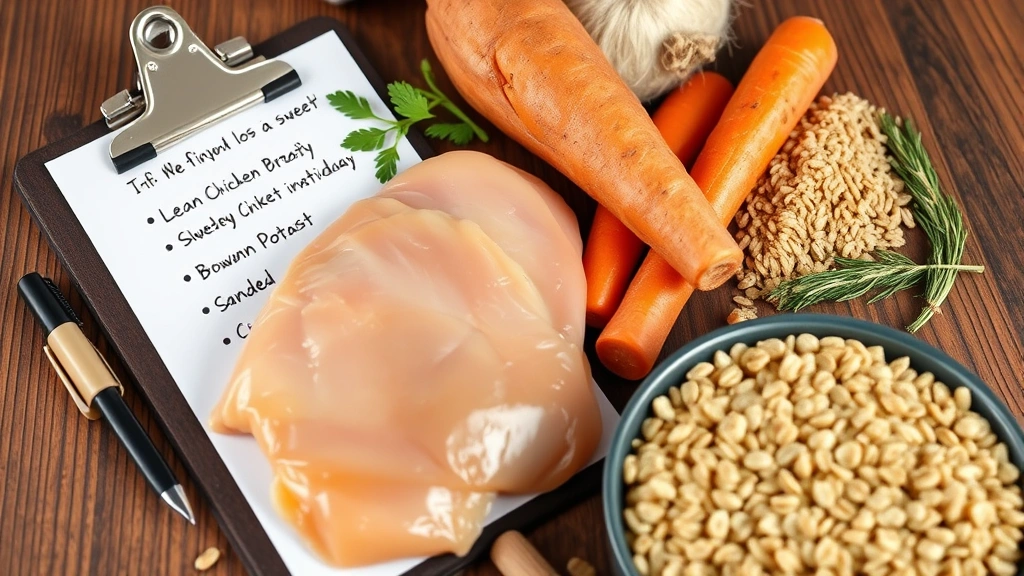
Now that you know what to avoid, let’s talk about what supports thyroid health. High-quality, lean proteins like chicken breast, turkey, and fish (in moderation) provide amino acids your dog’s thyroid needs. Sweet potatoes and carrots offer nutrients without goitrogens.
Consider working with your vet to develop a feeding plan tailored to your dog’s needs. Some pet owners find success with prescription thyroid-support diets, while others do well with carefully selected commercial foods. There’s no one-size-fits-all answer.
Catching thyroid issues early and managing them with both medication and proper nutrition puts you in a great position to help your dog feel their best. You’re already doing the hard part by educating yourself.
Creating a Thyroid-Friendly Feeding Schedule
Structure matters when managing a thyroid disorder. Feed your dog at consistent times each day, and keep medication timing separate from meals. This routine helps your dog’s body absorb medication consistently and makes it easier to monitor any dietary changes.
Most dogs do well with two meals per day, spaced 8-12 hours apart. If your dog is overweight—common with thyroid issues—your vet might recommend smaller, more frequent meals to maintain stable energy levels. Ask your veterinarian about the best schedule for your pup.
When to Seek Additional Veterinary Guidance
If your dog isn’t responding well to treatment despite medication and dietary changes, or if you’re noticing new symptoms, it’s time for a check-in with your vet. Sometimes thyroid disorders require medication adjustments, and food alone can’t compensate for an incorrect dose.
If you are unsure whether your pet needs urgent care or just a dietary consultation, a quick telehealth check-in with The Pet Vet can give you peace of mind—no appointment needed. Vets can review your dog’s current diet and medication timing to identify potential issues.
Quick Reference: Foods to Avoid at a Glance
Keep this list handy when shopping or preparing meals:

- Broccoli, cabbage, cauliflower, and Brussels sprouts (in large amounts)
- Soy-based treats and foods
- High-fat meats and fried foods
- Excessive fish or fish meal
- Processed foods with artificial additives
- Kelp and seaweed supplements
- Foods given within 30-60 minutes of thyroid medication
This isn’t about deprivation—it’s about making strategic choices that support your dog’s health and medication effectiveness.
What To Do Now
- Review your dog’s current diet with your veterinarian to identify any foods that might be interfering with thyroid medication or worsening symptoms. Bring a list of ingredients from your dog’s current food to the appointment.
- Establish a medication routine that separates thyroid medication from meals by at least 30-60 minutes. Set a phone reminder if it helps you stay consistent.
- Switch to a thyroid-supportive diet recommended or approved by your vet—whether that’s a prescription diet, high-quality commercial food, or a home-prepared option with veterinary guidance.
- Track your dog’s response to dietary changes over 4-6 weeks, noting energy levels, weight, coat quality, and any symptom improvements. Share these observations with your vet at follow-up appointments.
- Schedule a follow-up appointment 6-8 weeks after starting dietary changes to ensure your dog’s thyroid medication is working effectively and to adjust if needed.
Summary: Managing Your Dog’s Thyroid Through Diet
Managing dog thyroid disorder foods to avoid is one of the most practical steps you can take to support your pup’s health. By eliminating goitrogenic vegetables, high-fat foods, and processed additives while maintaining proper medication timing, you’re giving your dog’s thyroid medication the best chance to work effectively.
Remember: your dog’s thyroid condition is manageable. With the right combination of veterinary care, medication, and dietary support, most dogs with thyroid disorders go on to live happy, comfortable lives. You’re doing an amazing job by taking this seriously and learning what your pup needs.
Your veterinarian is your best resource for personalized guidance, but you’re the expert on your dog’s day-to-day behavior and health. Trust your instincts, stay consistent with medication and feeding routines, and don’t hesitate to reach out to your vet with questions. That’s what they’re here for.
Frequently Asked Questions
Can my dog eat chicken with a thyroid disorder?
Yes, lean chicken is an excellent protein choice for dogs with thyroid disorders. Avoid skin and fatty portions, and ensure it’s plain without seasoning or added oils.
How long does it take to see improvement after changing my dog’s diet?
Most dogs show noticeable improvements in energy, weight, and coat quality within 4-6 weeks of dietary changes combined with proper medication. Some dogs improve faster, while others need more time.
Is it safe to give my dog treats if they have a thyroid disorder?
Yes, but choose low-fat, limited-ingredient treats and account for them in your dog’s daily calorie intake. Avoid treats containing soy, excessive iodine, or artificial additives.
Should I give my dog supplements for thyroid support?
Only give supplements recommended or approved by your veterinarian. Some supplements can interfere with thyroid medication, so it’s important to get professional guidance before adding anything new.
What if my dog won’t eat the new thyroid-friendly food?
Transition slowly to new food over 7-10 days, mixing increasing amounts of the new food with the old. If your dog still refuses it, discuss alternative options with your vet—there are several thyroid-supportive diets available.
Additional Resources
For more information on supporting your dog’s thyroid health, check out our guide on dog thyroid disorder early signs to catch issues before they progress. You might also find our article on dog thyroid disorder home treatment helpful for a comprehensive approach to management.
If your dog has other health concerns alongside thyroid issues, like metabolic conditions, our resource on diabetic pet food offers insights into managing multiple dietary restrictions. For dogs whose thyroid health affects coat quality, feeding for coat health provides additional nutritional guidance.
External references: For authoritative information on canine thyroid disorders, visit PetMD’s guide to thyroid disease in dogs and the American Veterinary Medical Association for evidence-based veterinary care standards.