
If you’ve ever caught your Beagle shaking their head or pawing at their ears, you’re not alone. Ear infections in Beagles are one of the most common health complaints veterinarians see in this breed, largely because of their long, floppy ears. This guide walks you through why it happens, what to watch for, and how to keep your dog’s ears healthy for the long run.
Table of Contents
- Why Beagles Are Prone to Ear Infections
- Anatomy of the Ear: Understanding the Risk
- Common Signs of an Ear Infection
- Types of Ear Infections in Dogs
- What Causes Ear Infections Beyond Ear Shape
- How Vets Diagnose Ear Infections
- Treatment Options Your Vet May Recommend
- The Risks of Leaving an Ear Infection Untreated
- At-Home Ear Cleaning: Dos and Don’ts
- Choosing the Right Ear Cleaning Products
- Preventing Future Infections
- Diet and Allergies: A Hidden Connection
- When to See a Vet Immediately
- Living with a Beagle Prone to Ear Issues
- Final Thoughts
Why Beagles Are Prone to Ear Infections
Beagles are adored for their soulful eyes and those long, velvety ears that seem to sway with every step. Unfortunately, those same ears create the perfect environment for bacteria and yeast to thrive. Unlike dogs with upright ears that allow air to circulate freely, a Beagle’s ears drape down and cover the ear canal, trapping warmth and moisture inside.
This warm, dark, moist environment is essentially a breeding ground for the microorganisms that cause ear infections. It doesn’t mean every Beagle will develop chronic ear problems, but it does mean owners of this breed need to pay closer attention to ear health than owners of breeds with more open ear structures.
Anatomy of the Ear: Understanding the Risk
To understand why ear infections happen, it helps to know a little about how a dog’s ear is built. The ear canal in dogs is L-shaped, running vertically before turning horizontally toward the eardrum. This shape already makes it harder for debris, wax, and moisture to escape on their own compared to the straighter human ear canal.
In Beagles, the external ear flap, called the pinna, hangs low and seals off the opening of that L-shaped canal. Combine that with the breed’s tendency to have narrower ear canals and more wax production than some breeds, and you have a recipe for trapped moisture that rarely dries out completely between baths, swims, or humid days outside.
Common Signs of an Ear Infection
Catching an ear infection early can make treatment faster and more comfortable for your dog. Beagles can’t tell you their ears are bothering them, so it’s up to you to notice the subtle changes in behavior and appearance that signal something is wrong.
Some signs are obvious, like a strong odor coming from the ears, while others are more behavioral, such as increased irritability when you touch their head. Watching for these changes regularly, especially after baths or swimming, can help you catch problems before they become severe.
- Frequent head shaking or tilting to one side
- Scratching at the ears or rubbing the head against furniture or carpet
- A foul or yeasty odor coming from the ear
- Redness, swelling, or visible discharge inside the ear flap
- Sensitivity or pain when the ears are touched
- Loss of balance or unusual eye movements in severe cases
Types of Ear Infections in Dogs
Not all ear infections are the same, and knowing the difference can help you understand what your vet is treating. The three general categories are otitis externa, media, and interna, referring to how deep into the ear canal the infection has progressed.
Otitis externa, an infection of the outer ear canal, is by far the most common type seen in Beagles and is usually caused by bacteria, yeast, or a combination of both. If left untreated, the infection can spread deeper into the middle ear (otitis media) or even the inner ear (otitis interna), which can affect balance and, in rare cases, hearing.
What Causes Ear Infections Beyond Ear Shape
While floppy ears set the stage, they’re rarely the only factor at play. Many Beagles who develop recurring ear infections have an underlying issue that keeps setting them up for trouble, even with regular cleaning and care.
Allergies, whether environmental or food-related, are one of the most common underlying causes of chronic ear infections in dogs. Excess moisture from swimming or bathing without proper drying, foreign objects like grass seeds, and even hormonal imbalances can all contribute as well. Identifying and addressing the root cause is often just as important as treating the infection itself.
- Environmental or food allergies causing chronic inflammation
- Excess moisture trapped after baths, swimming, or rainy walks
- Foreign debris like grass awns or seeds lodged in the canal
- Wax buildup that isn’t cleaned regularly
- Underlying hormonal conditions such as hypothyroidism
How Vets Diagnose Ear Infections
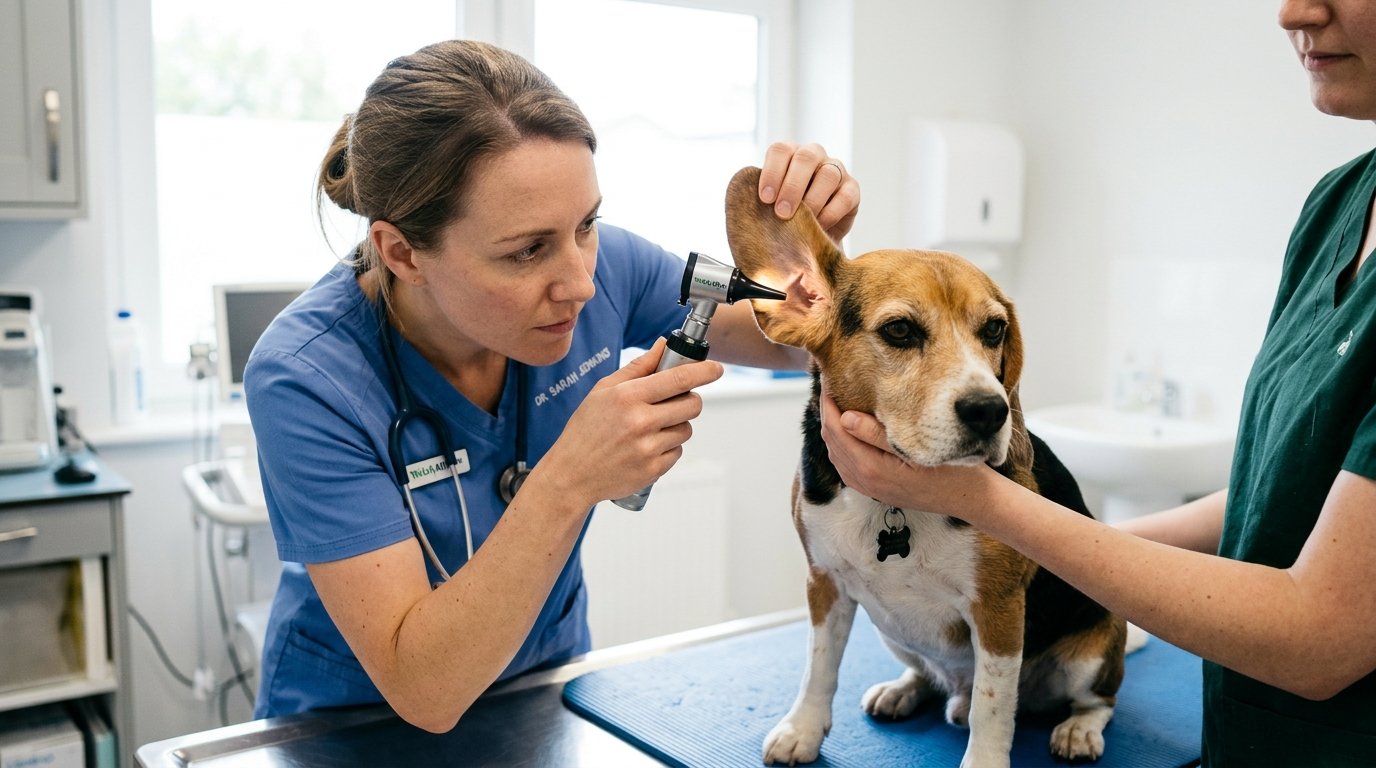
If you suspect your Beagle has an ear infection, a trip to the vet is the right next step. A veterinarian will typically start with a visual exam using an otoscope to look deep into the ear canal, checking for redness, swelling, discharge, or a ruptured eardrum.
In many cases, your vet will also take a small sample of the discharge to examine under a microscope. This helps determine whether the infection is bacterial, yeast-based, or a combination of both, which directly influences the treatment plan. Never attempt to diagnose the type of infection yourself, since bacterial and yeast infections often require very different approaches.
Treatment Options Your Vet May Recommend
Treatment for ear infections in Beagles depends heavily on what’s causing the problem and how far it has progressed. Your veterinarian may prescribe topical ear drops, oral medication, or a combination of both, along with a thorough ear cleaning performed in the clinic to remove built-up debris before treatment begins.
It’s important to follow your vet’s instructions closely and complete the full course of treatment, even if your dog’s ears seem to improve after just a few days. Stopping treatment early is one of the most common reasons infections come back or become resistant to future treatment. Always ask your vet before using any over-the-counter ear products alongside prescribed medication.
The Risks of Leaving an Ear Infection Untreated
It can be tempting to wait and see if an ear infection clears up on its own, especially if your Beagle seems otherwise happy and active. Unfortunately, untreated ear infections rarely resolve without help and often get worse the longer they’re left alone.
Chronic, untreated infections can lead to thickened, scarred ear canals that narrow over time, making future infections even harder to treat. In severe cases, the infection can rupture the eardrum or spread to the middle and inner ear, potentially affecting your dog’s balance and hearing permanently. If you notice any signs of an ear problem, it’s always worth having your vet take a look sooner rather than later.
At-Home Ear Cleaning: Dos and Don’ts
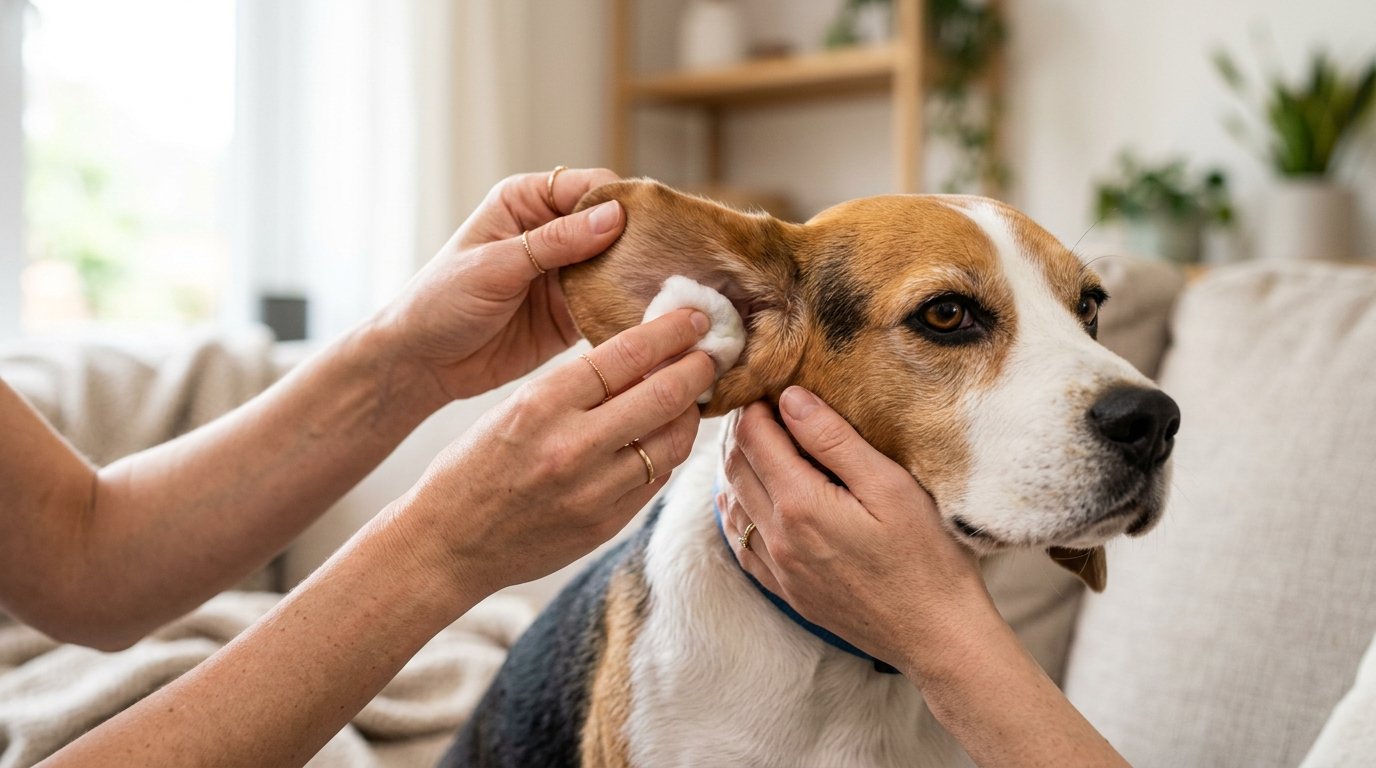
Regular ear cleaning is one of the best ways to prevent infections in a breed like the Beagle, but it needs to be done correctly to avoid causing harm. Never insert a cotton swab or anything else deep into the ear canal, as this can push debris further in or even damage the eardrum.
Instead, use a vet-approved ear cleaner and a soft cotton ball or gauze to gently wipe the visible parts of the ear. Ask your veterinarian to show you the proper technique during a routine visit so you can feel confident doing it safely at home between checkups.
- Use only cleaners recommended or approved by your veterinarian
- Clean the outer ear and visible canal gently, never deep inside
- Dry ears thoroughly after baths and swimming sessions
- Watch for signs of irritation during or after cleaning and stop if your dog seems in pain
- Schedule cleanings on a routine basis rather than only when problems appear
Choosing the Right Ear Cleaning Products
Not every ear cleaner on the market is suitable for every dog, and using the wrong product can sometimes make things worse rather than better. Some cleaners are formulated to dry excess moisture, while others focus on breaking down wax or soothing inflamed skin.
Your veterinarian can recommend a product suited specifically to your Beagle’s needs, whether that’s a preventive cleaner for regular maintenance or a medicated formula for an active infection. Avoid switching products frequently or using human ear care items, since a dog’s ear canal has a different pH and sensitivity than ours.
Preventing Future Infections
Once your Beagle has had one ear infection, they’re often more prone to developing another, which makes prevention an ongoing part of their care routine. Consistency is key here, since small daily or weekly habits add up to healthier ears over time.
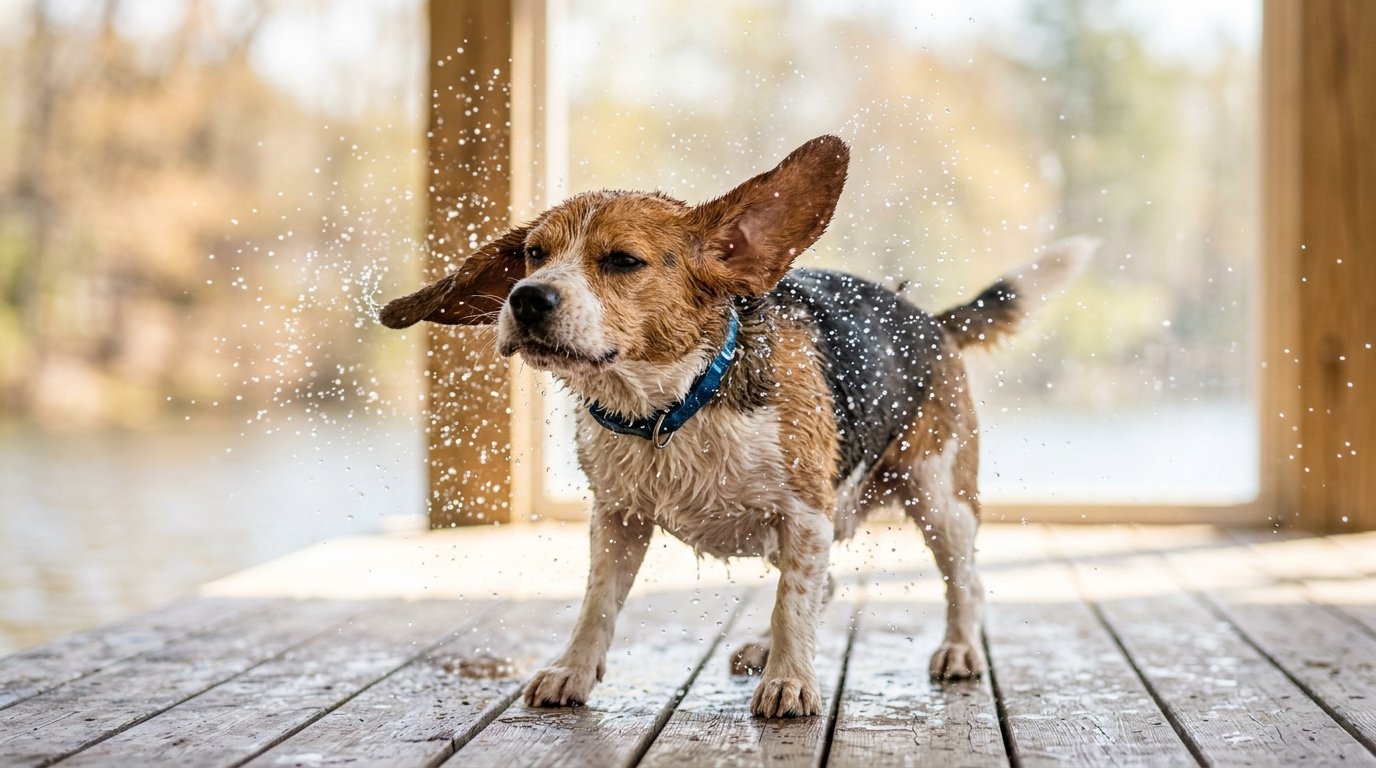
Beyond cleaning, keeping the fur around the ears trimmed can help improve airflow, and drying the ears completely after any water exposure reduces the moisture that bacteria and yeast need to grow. If your Beagle swims or plays in water often, consider asking your vet about a preventive drying solution made specifically for this purpose.
Diet and Allergies: A Hidden Connection
Many owners are surprised to learn that what their Beagle eats can directly affect their ear health. Food allergies and sensitivities often show up as skin and ear inflammation long before any digestive symptoms appear, making ears a common early warning sign of a bigger allergy issue.
If your Beagle experiences recurring ear infections despite good cleaning habits, it may be worth discussing a diet trial with your veterinarian to rule out food sensitivities. This usually involves switching to a limited ingredient or hydrolyzed protein diet under veterinary guidance for several weeks to see if symptoms improve.
When to See a Vet Immediately
While many ear infections can be managed with a routine vet visit, some signs indicate a more urgent problem that shouldn’t wait. Recognizing these red flags can help you avoid unnecessary suffering for your dog and prevent complications.
If your Beagle shows any of the following signs, it’s best to contact your veterinarian or an emergency animal hospital right away rather than waiting for a regular appointment to open up.
- Sudden loss of balance, circling, or a severe head tilt
- Visible blood or pus draining from the ear
- Signs of intense pain, such as yelping when the ear area is touched
- Swelling that appears suddenly and severely around the ear
- A foul odor combined with lethargy or fever-like symptoms
Living with a Beagle Prone to Ear Issues
Owning a Beagle means embracing both the joys and the quirks that come with the breed, and ear care is simply part of the package. With a consistent routine and a good relationship with your veterinarian, most Beagles can live comfortably without chronic ear problems dominating their lives.
Pay attention to your dog’s individual patterns, since some Beagles are more prone to ear trouble after swimming, while others react more to seasonal allergens. Over time, you’ll get a feel for what triggers issues in your specific dog, which makes prevention much easier to manage day to day.
Final Thoughts
Ear infections in Beagles are common, but they’re also very manageable with the right knowledge and a proactive approach. Regular cleaning, prompt attention to symptoms, and a strong partnership with your veterinarian go a long way toward keeping your dog’s ears healthy and comfortable.
If you ever notice signs of an ear infection or aren’t sure whether what you’re seeing is normal, don’t hesitate to reach out to your vet. Early treatment is almost always easier, faster, and less stressful for your dog than waiting until the problem becomes severe.
This article is for general education and is not a substitute for care from your own veterinarian. Learn about The Pet Vet and our editorial policy.