
If you’ve noticed your cat hovering around the water bowl more than usual, you’re probably wondering whether it’s something to worry about. Excessive thirst in cats, known medically as polydipsia, is rarely just a quirky habit. It’s often your cat’s body sending a signal that something internally has changed, and figuring out what’s behind it matters.
Table of Contents
- What Counts as Excessive Thirst in Cats
- Why Paying Attention to Water Intake Matters
- Diabetes as a Common Cause
- Kidney Disease and Thirst
- Hyperthyroidism’s Role in Increased Drinking
- Urinary Tract Issues and Infections
- Could It Just Be the Weather or Activity Level
- Medications That Can Increase Thirst
- How Diet Affects How Much Your Cat Drinks
- Signs That Should Prompt a Vet Visit
- What Happens During a Vet Visit for Increased Thirst
- Treatment Approaches Depend on the Cause
- Monitoring Your Cat’s Water Intake at Home
- Encouraging Healthy Hydration Habits
- When Increased Thirst Becomes an Emergency
- The Bottom Line for Worried Owners
What Counts as Excessive Thirst in Cats
Cats are famously low water drinkers compared to dogs, largely because their ancestors were desert animals that got most of their moisture from prey. A healthy adult cat typically drinks somewhere around 4 to 5 ounces of water per day for every 10 pounds of body weight, though this can vary quite a bit depending on diet and activity level. If your cat is eating mostly wet food, they may drink very little from the bowl because they’re already getting a lot of moisture from their meals.
When thirst becomes ‘excessive,’ it usually means a noticeable and sustained increase from your cat’s normal pattern. This isn’t about one hot afternoon where your cat drinks a bit more water. It’s about a consistent change over days or weeks that stands out from their usual habits, especially when paired with more frequent trips to the litter box or larger clumps of urine.
Why Paying Attention to Water Intake Matters
It’s easy to overlook how much your cat drinks because most owners don’t measure it precisely. But increased thirst is one of the earliest and most reliable warning signs of several serious feline illnesses, some of which are much easier to manage when caught early. Because cats are so good at hiding discomfort, changes in thirst and urination are sometimes the only outward clue that something is wrong internally.
Tracking water intake doesn’t need to be complicated. Simply noticing that you’re refilling the water bowl more often, that your cat is drinking from unusual places like the bathtub faucet, or that the litter box needs more frequent scooping can all be meaningful observations to share with your vet.
Diabetes as a Common Cause
Diabetes mellitus is one of the most frequent reasons cats develop excessive thirst. When a cat’s body can’t properly regulate blood sugar, excess glucose spills into the urine and pulls extra water along with it. This leads to more frequent urination, which in turn triggers the cat to drink more to keep up with fluid loss.
Along with increased thirst, cats with diabetes often show increased appetite paired with weight loss, lethargy, or a change in gait that looks like they’re walking on their hocks. If you notice these signs together, it’s worth having your vet run bloodwork rather than waiting to see if things improve on their own.
Kidney Disease and Thirst
Chronic kidney disease is another leading cause of increased water consumption in cats, particularly in middle-aged and senior cats. As kidney function declines, the kidneys lose their ability to concentrate urine, so cats end up producing more diluted urine and compensating by drinking more water to avoid dehydration.
Kidney disease tends to develop gradually, which means the early signs can be subtle. You might notice your cat seems a little less interested in food, has occasional vomiting, or seems to be losing muscle tone along the spine. Bloodwork and urine testing are the main ways vets identify kidney issues, so routine senior wellness visits play an important role in catching this early.
Hyperthyroidism’s Role in Increased Drinking
An overactive thyroid gland speeds up nearly every system in a cat’s body, including metabolism, heart rate, and often thirst. Cats with hyperthyroidism frequently drink more water while also eating more, yet still losing weight because their bodies are burning through calories so quickly.
Other signs that often accompany hyperthyroidism include a fast heart rate, restlessness, vomiting, and a coat that looks unkempt or greasy. Since this condition is common in older cats and shares symptoms with several other illnesses, a vet visit with bloodwork is really the only reliable way to confirm it.
Urinary Tract Issues and Infections
While urinary tract infections in cats are less common than in dogs, they can still cause noticeable changes in drinking and urination habits. An infection or inflammation in the bladder can make a cat feel like they need to urinate more frequently, sometimes in smaller amounts, which can look similar to increased thirst if you’re not watching closely.
Straining in the litter box, vocalizing while urinating, or urinating outside the box are all signs that point more toward a urinary issue than simple increased thirst. Because urinary blockages can become emergencies, especially in male cats, any straining or inability to urinate should be treated as urgent.
Could It Just Be the Weather or Activity Level
Not every increase in thirst points to disease. Hot weather, increased play, or a recent switch from wet food to dry kibble can all cause your cat to drink more water than usual. Cats fed exclusively dry food naturally need to drink more from their bowl since they aren’t getting moisture from their meals.
The key difference is that environmental or dietary increases in thirst tend to be mild and temporary, while illness-related thirst usually persists and often comes with other symptoms. If the increase in drinking doesn’t resolve within a few days or seems to be getting more pronounced, it’s better to have it checked out than to assume it will pass.
Medications That Can Increase Thirst
Certain medications, including some steroids and diuretics, can cause a temporary increase in thirst as a known side effect. If your cat has recently started a new medication and you’ve noticed they’re drinking more, it’s worth mentioning this to your vet so they can determine whether it’s expected or something to monitor more closely.
Never stop or adjust a medication on your own based on a thirst change. Instead, describe what you’re seeing to your vet, who can weigh the benefits of the medication against any side effects and adjust the treatment plan if needed.
How Diet Affects How Much Your Cat Drinks
The type of food your cat eats has a big impact on how much water they need to drink directly from a bowl. Wet food is typically 70 to 80 percent moisture, while dry kibble contains much less, so cats on a wet food diet often appear to barely drink at all because they’re getting hydration through their meals.
If you’ve recently switched your cat’s diet, either from wet to dry or vice versa, it’s completely normal to see a shift in how much water they drink from the bowl. This is one of the more benign explanations for a change in thirst, but it’s still worth ruling out other causes if the change seems more dramatic than expected from a diet switch alone.
Signs That Should Prompt a Vet Visit
While occasional extra drinking isn’t automatically alarming, certain patterns warrant a trip to the vet sooner rather than later. Trust your instincts here. You know your cat’s habits better than anyone, and a persistent change is worth investigating even if your cat seems otherwise fine.
Bring these observations to your vet appointment so they have a clear picture of what’s changed and when it started.
- Drinking noticeably more water for more than a few days
- Urinating more frequently or producing larger amounts of urine
- Weight loss despite a normal or increased appetite
- Lethargy, hiding, or reduced interest in play
- Vomiting or diarrhea alongside increased thirst
- Changes in coat quality or unkempt grooming
What Happens During a Vet Visit for Increased Thirst
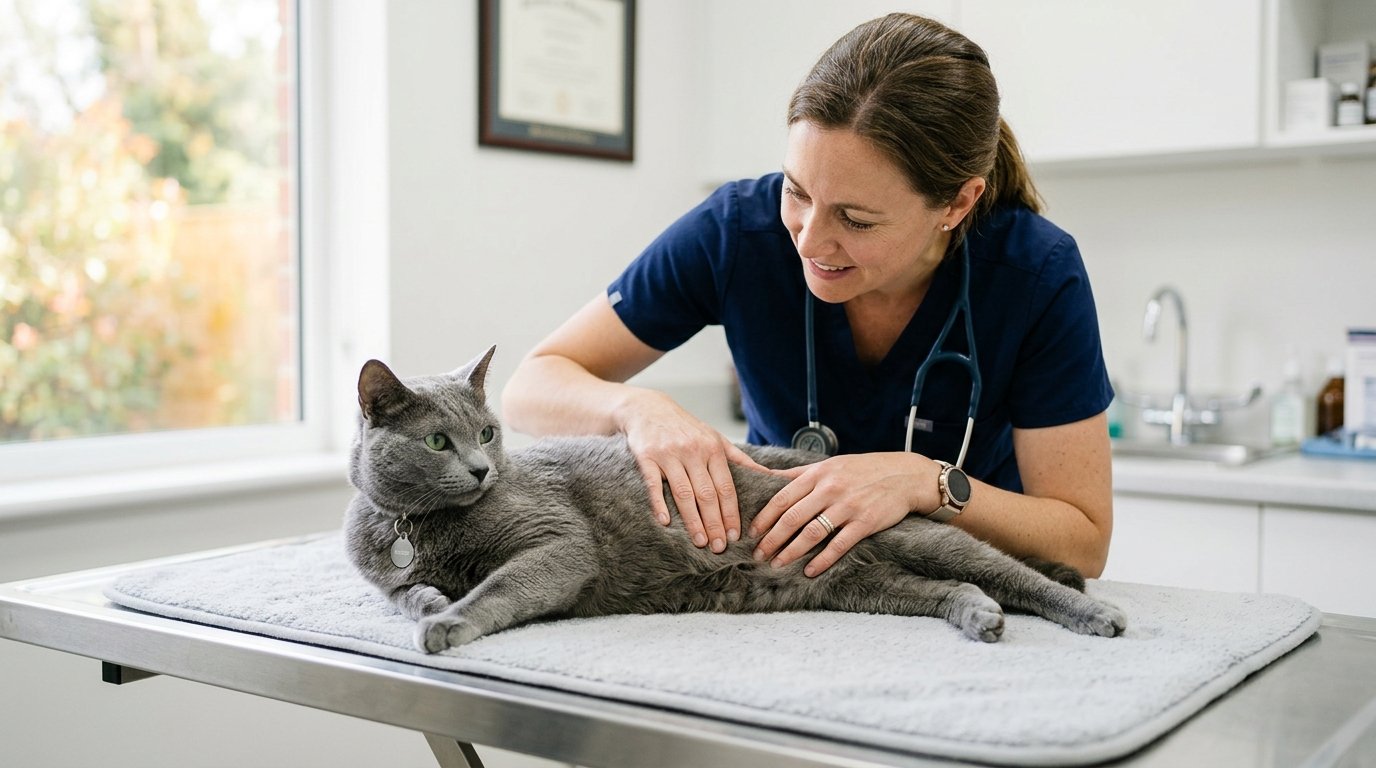
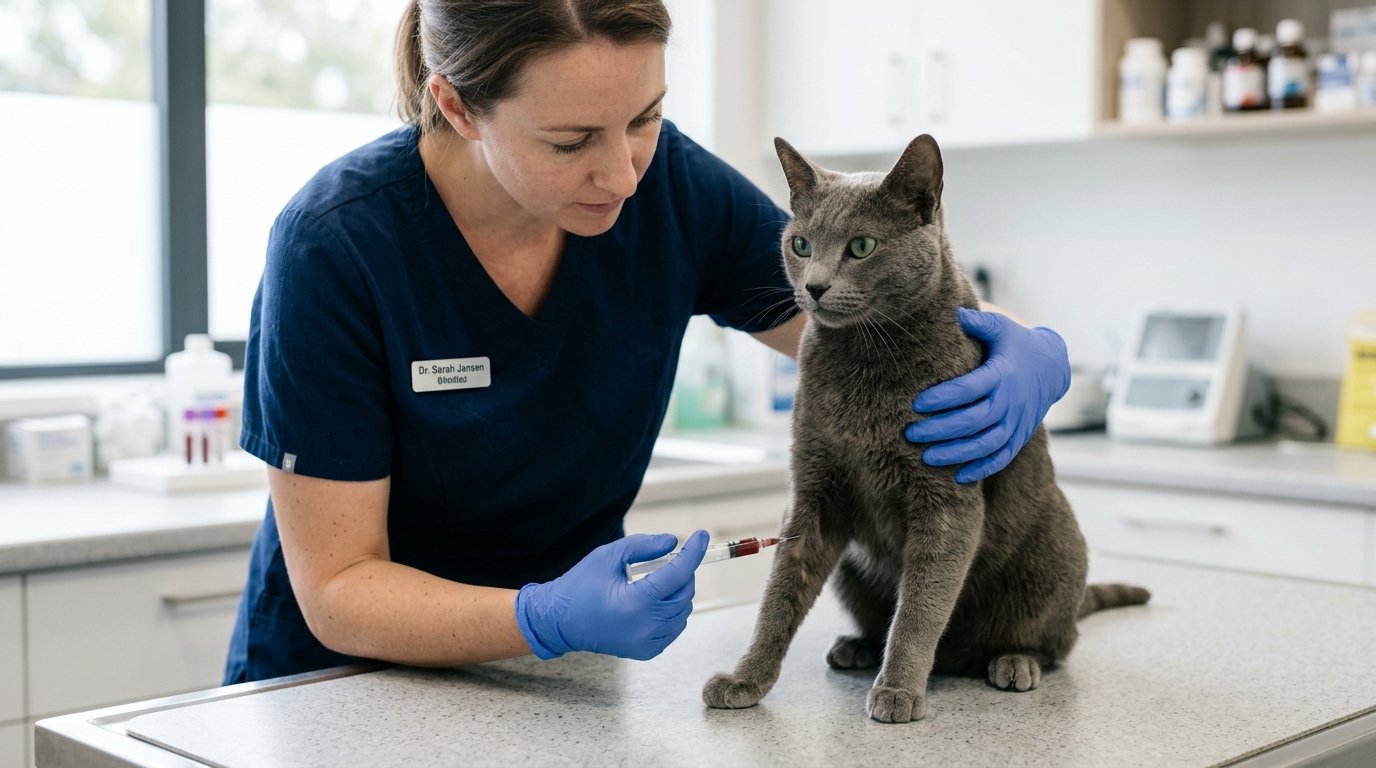
When you bring your cat in for evaluation, your vet will likely start with a physical exam and a detailed history of when the increased thirst started and what else has changed. Be ready to describe your cat’s diet, any recent medication changes, and any other symptoms you’ve noticed, even ones that seem minor.
From there, bloodwork and a urinalysis are usually the next step, since these tests can reveal kidney function, blood sugar levels, thyroid hormone levels, and signs of infection or inflammation. Depending on the results, your vet might recommend additional imaging like an ultrasound or X-rays to get a clearer picture of what’s going on internally.
Treatment Approaches Depend on the Cause
There isn’t a single treatment for excessive thirst because it’s a symptom rather than a diagnosis on its own. Once your vet identifies the underlying cause, whether that’s diabetes, kidney disease, hyperthyroidism, or something else, they’ll put together a treatment plan tailored specifically to your cat’s condition and overall health.
Management might involve dietary changes, medication, or ongoing monitoring depending on what’s found. It’s important to follow your vet’s recommendations closely and attend any follow-up appointments, since many of these conditions require adjustments over time based on how your cat responds.
- Prescription diets formulated for kidney or urinary support
- Medications to regulate blood sugar or thyroid hormone levels
- Increased hydration support through wet food or water fountains
- Regular bloodwork to monitor how the condition is progressing
Monitoring Your Cat’s Water Intake at Home
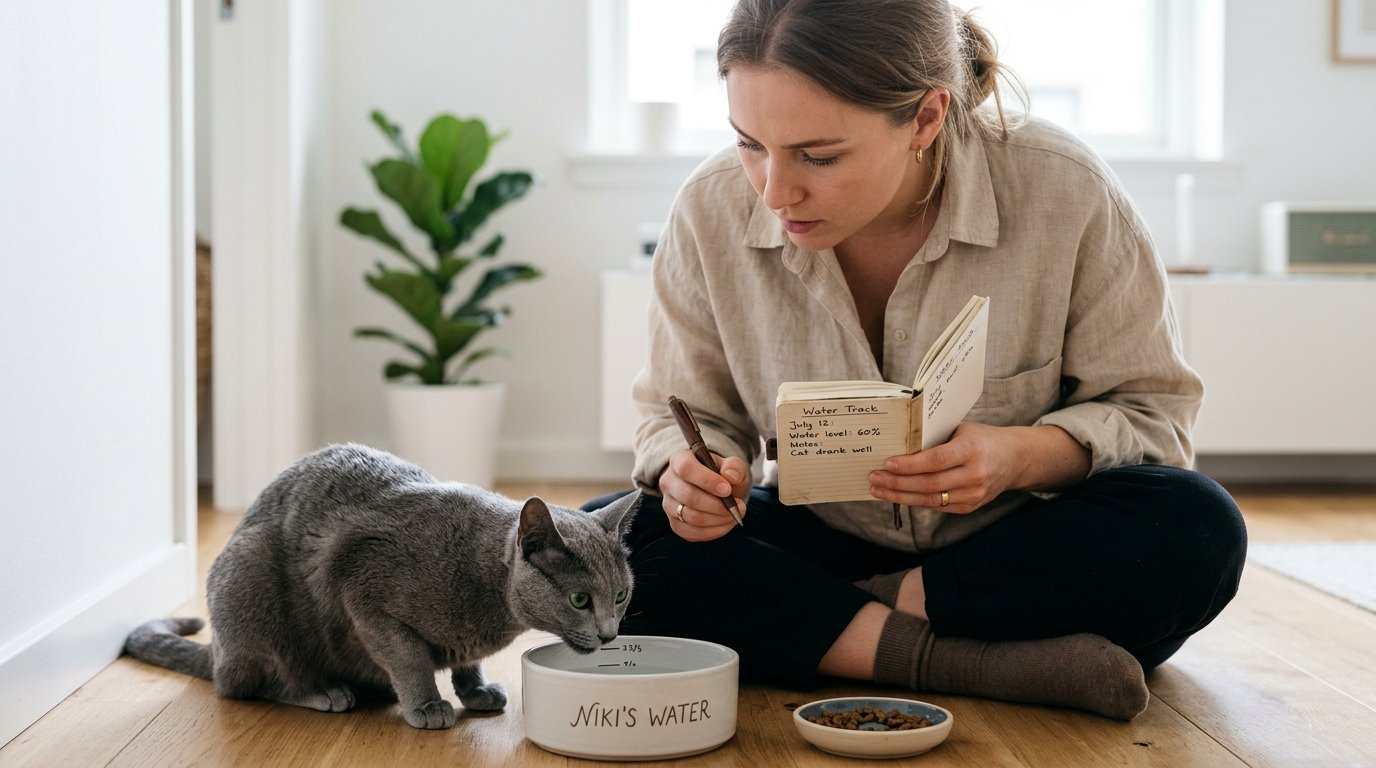
If your vet asks you to monitor water intake, there are a few simple ways to get a more accurate picture than just eyeballing the bowl. Measuring out a known amount of water each morning and checking how much is left the next day gives you a rough daily total, especially useful if you have multiple pets sharing water sources.
Keeping a simple log of water intake, litter box habits, and any other symptoms can be incredibly helpful for your vet, especially if the cause isn’t obvious right away. Photos of urine clumps or notes about frequency can add useful detail that’s easy to forget by the time you’re at the appointment.
Encouraging Healthy Hydration Habits
Regardless of the underlying cause, staying properly hydrated is important for every cat’s overall health, particularly for kidney and urinary function. Making water more appealing and accessible can support your cat’s wellbeing whether or not an underlying condition is found.
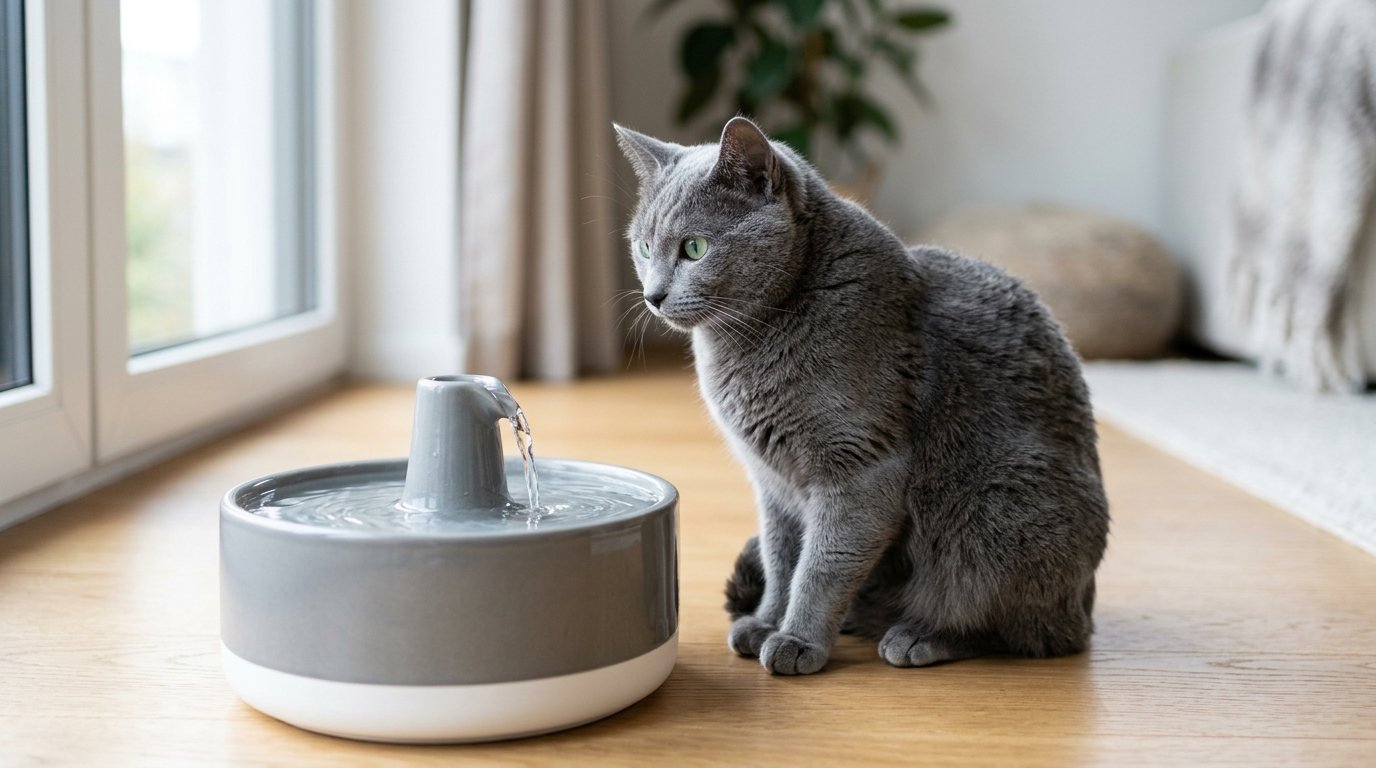
Cats are often drawn to moving water, which is part of why fountains tend to be popular. Placing multiple water bowls in different rooms, away from food and litter boxes, can also encourage more consistent drinking throughout the day.
- Use a pet water fountain to encourage drinking from moving water
- Place several water bowls in different rooms of the house
- Add wet food or water to dry kibble to boost moisture intake
- Clean water bowls daily to keep water fresh and appealing
When Increased Thirst Becomes an Emergency
In most cases, excessive thirst develops gradually and gives you time to schedule a regular vet visit. However, there are situations where it can be part of a more urgent picture, particularly if it’s paired with vomiting, lethargy, collapse, or an inability to urinate.
If your cat suddenly seems extremely weak, is breathing rapidly, or hasn’t urinated in over 24 hours despite drinking a lot, these are signs that need immediate veterinary attention rather than a wait-and-see approach. When in doubt, it’s always safer to call your vet or an emergency animal hospital and describe what you’re seeing so they can guide you on next steps.
The Bottom Line for Worried Owners
Noticing that your cat is drinking more than usual can feel unsettling, especially once you start reading about all the possible causes. The most important thing you can do is pay attention to patterns rather than panicking over a single day of extra drinking, and to bring any persistent changes to your vet’s attention.
With proper diagnosis and a tailored treatment plan, many of the conditions linked to excessive thirst in cats can be managed effectively, especially when caught early. Your vet is your best partner in figuring out what’s normal for your individual cat and what deserves closer attention.
This article is for general education and is not a substitute for care from your own veterinarian. Learn about The Pet Vet and our editorial policy.