
Maine Coon polydactyl paws are one of the breed’s most charming traits, giving these cats wide, mitten-like feet with one or more extra toes. While most polydactyl cats live completely normal lives, those extra digits bring a few unique care needs around nail trims, paw checks, and joint health. Here’s what you should know to keep your cat’s special feet comfortable and healthy for life.
Table of Contents
- What Polydactyly Actually Is
- Why Maine Coons Specifically
- How Many Toes Is Normal
- Nail Care for Extra Toes
- Signs of Trouble to Watch For
- Does Polydactyly Cause Joint Problems
- Litter Box and Scratching Habits
- Bathing and Drying Extra-Toed Paws
- Trimming Technique for Extra Toes
- Is Polydactyly Linked to Any Genetic Conditions
- Living Comfortably with Extra-Toed Paws
- When to Call Your Vet
- The Bottom Line
What Polydactyly Actually Is
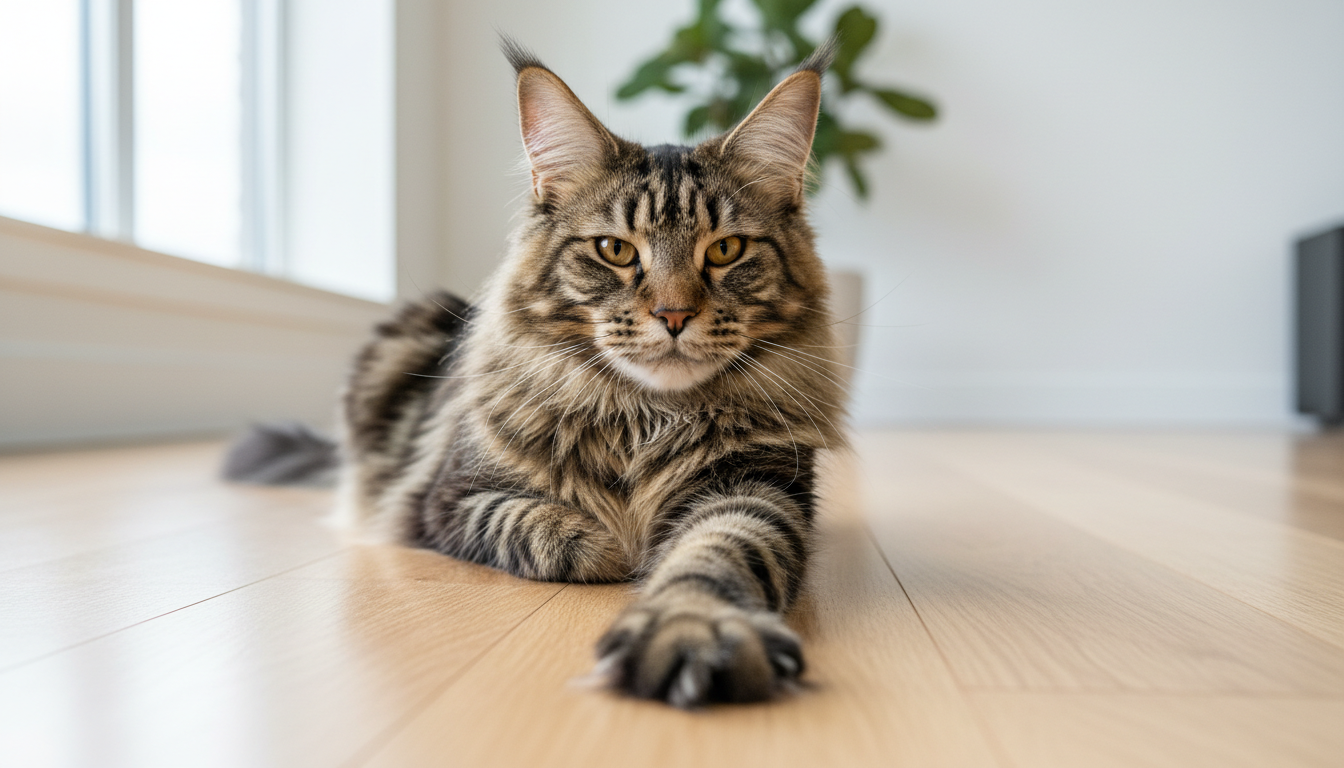
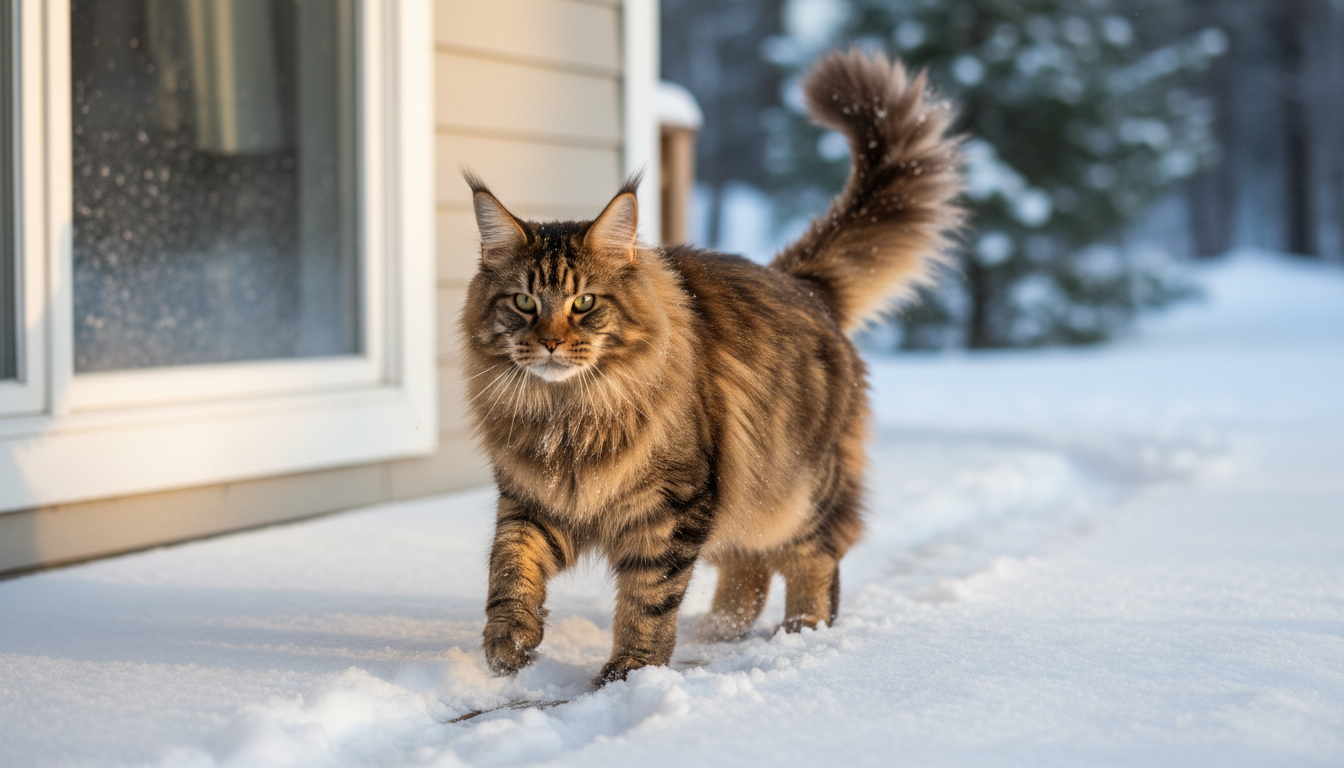
Polydactyly is a harmless genetic trait that causes a cat to be born with more toes than usual on one or more paws. A typical cat has five toes in front and four in back, but a polydactyl Maine Coon might have six, seven, or occasionally more toes on a single foot. This trait is especially common in Maine Coons because of their New England sailing ship history, where extra-toed “mitten cats” were prized for their wide paws and reputed skill at catching rodents and walking on snow and icy decks.
The extra toes usually appear on the front paws, though back paw polydactyly happens too, just less often. Some cats have a neat extra toe that looks like a small thumb, while others have a more complex cluster of toes that can look like a fan or mitten shape. None of this is inherently dangerous, and the vast majority of polydactyl cats never have a single problem related to their extra digits.
That said, because the paw structure is different from a standard cat foot, it does mean you need to pay a little closer attention during grooming and routine health checks. Extra toes mean extra nails, extra nail beds, and sometimes unusual angles of growth that a typical five-toed cat simply does not have to deal with.
Why Maine Coons Specifically
Maine Coons are the breed most associated with polydactyly, and historically a significant portion of the breed’s early population carried the trait before breeding standards began favoring the standard paw count in show lines. Pet Maine Coons today, especially those from casual or farm breeding lines, still commonly show up with extra toes, and many owners consider it one of the breed’s most endearing features alongside their large size and tufted ears.
Because Maine Coons are already a big-boned, large breed with substantial paws, the extra toes tend to fit naturally into their overall sturdy look. Those wide, snowshoe-like feet were likely useful for this breed’s original working life in cold New England barns and farms, giving them better weight distribution in snow and ice.
If you have adopted a Maine Coon with extra toes, know that you are caring for a cat with a well-documented, breed-associated trait rather than something unusual or concerning on its own.
How Many Toes Is Normal
The number of extra toes varies quite a bit from cat to cat, and there is no single “normal” count for a polydactyl Maine Coon. Some cats have just one extra toe on one front paw, while others have extra toes on all four feet. The shape also varies, from a simple extra digit to a more complex paw with toes bunched closely together.
Vets sometimes describe polydactyl paws using terms like “mitten foot” for a simple extra thumb-like toe, or more complex terms for paws with several extra toes fused or clustered together. None of these variations is better or worse on its own, though more complex paw structures can sometimes need closer nail care simply because there are more nails tucked into a smaller space.
- A single extra toe on one or both front paws is the most common pattern
- Extra toes on the back paws are less common but do happen
- Some cats have mirror-image extra toes on both front feet
- Paw shape can range from a clean extra digit to a wide fan of toes
Nail Care for Extra Toes
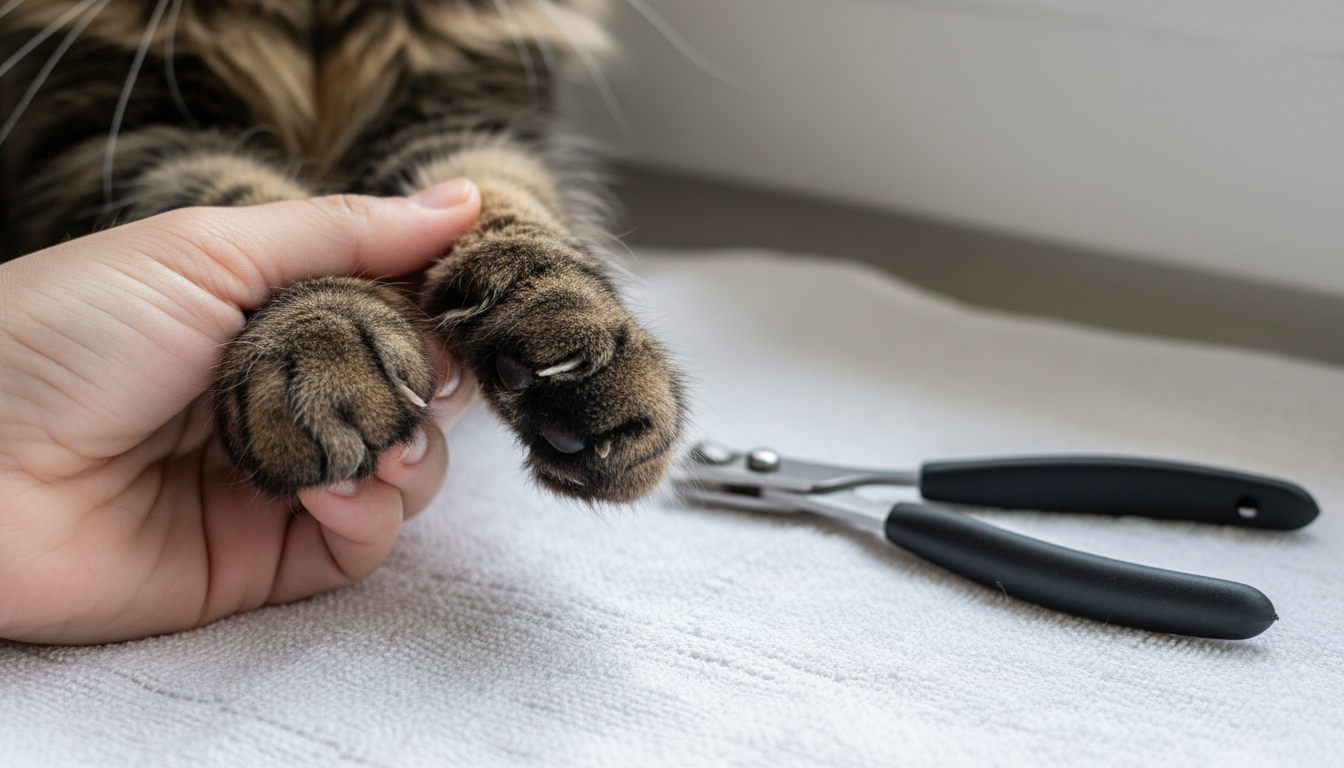
Nail trims are the single biggest adjustment when caring for a polydactyl cat, because more toes means more nails to check and trim regularly. The extra toe or toes often sit at a slightly different angle than the standard toes, and nails on these toes can be easy to miss during a quick trim, especially if the extra digit is small or tucked close to the paw.
Overgrown nails on an extra toe can curl around and grow into the paw pad if they are not checked regularly, since that toe may not get the same natural wear from walking and scratching that the main toes get. This is one of the more common issues polydactyl owners run into, simply because it is easy to overlook one small extra nail during a routine trim.
- Check every toe individually during nail trims, not just the main ones
- Pay close attention to small or tucked-in extra toes that are easy to miss
- Watch for nails that curl back toward the paw pad on less-used extra toes
- Ask your vet or groomer to show you the full paw layout so you know what to check
Signs of Trouble to Watch For
Most polydactyl cats go through life without any paw-related problems, but it helps to know what would actually be worth a vet visit. Limping, favoring one paw, reluctance to jump, or visible swelling around any toe are all signs that something needs a closer look, regardless of whether the toe in question is a standard one or an extra one.
An ingrown nail on an extra toe can cause pain, swelling, and sometimes infection if it goes unnoticed for too long, since the nail can curl into the soft pad tissue. Redness, discharge, or a foul smell from any toe is a sign of possible infection and should not wait for a routine appointment.
If you notice any of these signs, it is time to see a vet rather than trying to manage it at home, since an infected or ingrown nail can get worse quickly and cause real discomfort.
- Limping or reluctance to put weight on a paw
- Visible swelling, redness, or discharge around any toe
- Excessive licking or chewing at one particular paw
- A nail that has visibly curled into the pad rather than growing outward
Does Polydactyly Cause Joint Problems
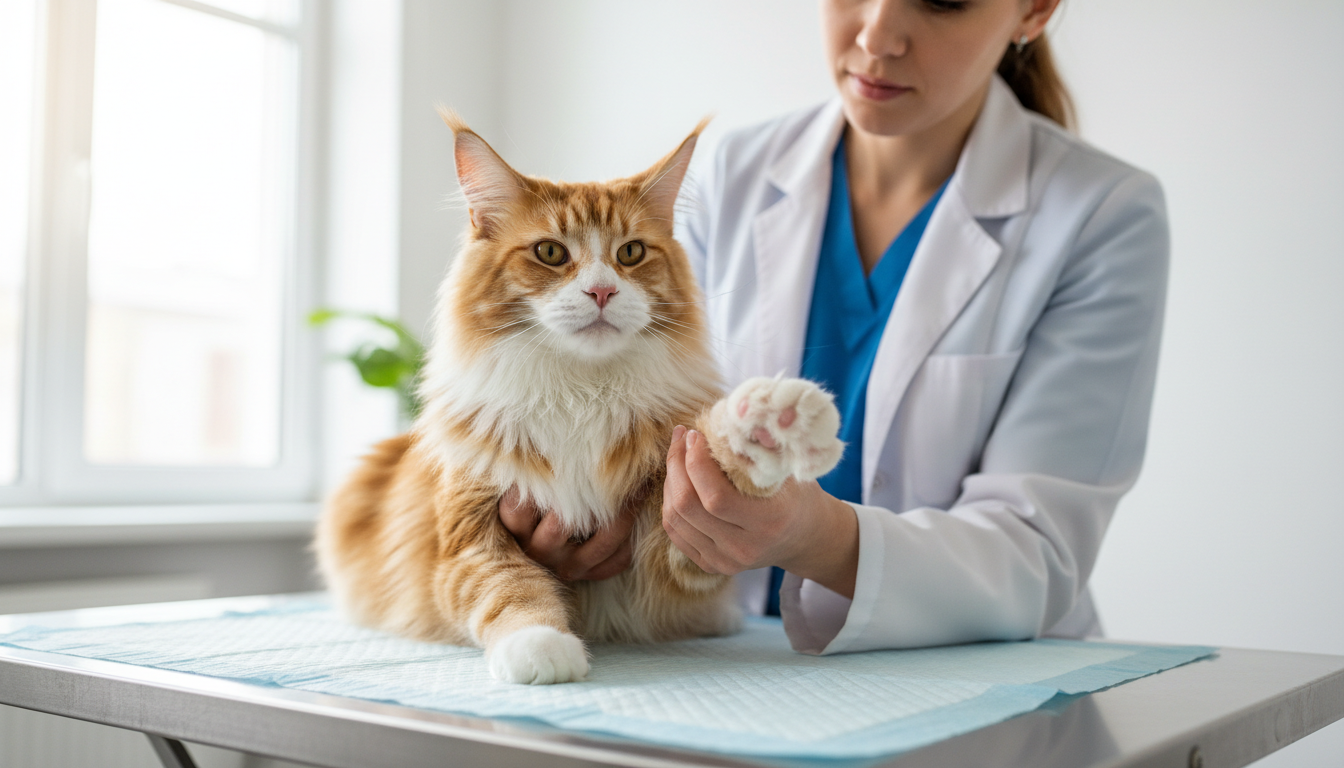
A common question owners ask is whether extra toes lead to arthritis or joint pain down the road, and for the vast majority of polydactyl cats, the answer is no. The extra digits are generally well-formed, functional toes that move normally and do not put abnormal stress on the rest of the foot or leg.
In rare cases, a more complex or unusually shaped paw can affect how weight is distributed across the foot, and this is something your vet can evaluate during routine exams by watching how your cat walks and bears weight. If your cat’s paw shape looks unusually crowded or the toes seem to bunch at an odd angle, mentioning this at a wellness visit is a reasonable, low-stress way to keep an eye on things over time.
Overall, though, polydactyly on its own is not considered a disease or a condition that requires ongoing medical management, and most vets view it as a cosmetic and structural variation rather than a health concern.
Litter Box and Scratching Habits
Extra toes can sometimes change how a cat interacts with litter boxes and scratching posts, since the wider paw shape affects grip and digging motion. Some owners notice their polydactyl cat has an unusually strong or deliberate digging style in the litter box, using those wide mitten paws to really move litter around.
Scratching posts are worth watching too, since a wider paw with extra claws may wear down a scratching post faster than a standard paw would. This is not a problem, just something to budget for if you are restocking scratching posts more often than you expected.
- Wider paws may dig more vigorously in litter boxes
- Scratching posts may wear down faster with extra claws involved
- Some polydactyl cats show impressive dexterity, almost looking like they are “holding” toys
- None of these habits are signs of a problem, just breed quirks worth knowing about
Bathing and Drying Extra-Toed Paws
Maine Coons already have dense, water-resistant coats that take a while to dry, and their larger, wider paws with extra toes can hold onto more moisture after a bath than a standard paw. Making sure paws are thoroughly dried after any bath or heavy outdoor romp in wet conditions helps prevent the kind of damp, warm environment that bacteria and yeast like to grow in.
Pay particular attention to the spaces between toes, especially around any extra digit that creates a tighter, less airy pocket of fur and skin. A soft towel pressed gently between the toes, followed by a few minutes of air drying before your cat curls up somewhere, is usually enough.
If you ever notice a persistent damp smell, redness, or soreness between the toes after bathing or wet weather, it is worth a vet check to rule out a skin infection in that space.
Trimming Technique for Extra Toes
Trimming nails on a polydactyl cat takes a bit more patience than a standard cat, mostly because you are working with more nails and some awkward angles. Going slowly, handling one toe at a time, and giving your cat breaks if they get restless will make the whole process less stressful for both of you.
If your cat has a particularly complex paw with several closely clustered extra toes, it may help to have your vet or a professional groomer demonstrate the technique at least once so you can see exactly how the nails sit and where the quick is on each one. Trimming too close on any toe, standard or extra, can cause bleeding and pain, so when in doubt, trim conservatively and more often rather than aggressively less often.
- Handle and trim one toe at a time rather than rushing through the whole paw
- Use good lighting to clearly see where each nail’s quick begins
- Keep styptic powder on hand in case of an accidental nip
- Ask a vet or groomer to demonstrate technique on your specific cat’s paw shape
Is Polydactyly Linked to Any Genetic Conditions
Polydactyly itself is caused by a well-understood genetic trait and is not known to be linked to other serious genetic diseases in cats. It is considered a benign structural variation rather than part of a syndrome, and polydactyl cats are not thought to be at higher risk for conditions like heart disease or kidney disease simply because of their extra toes.
This is reassuring news for owners who may have read conflicting information online, since it is easy to assume that any unusual physical trait must come bundled with other risks. For Maine Coons specifically, any health monitoring you do should focus on breed-general concerns like heart health and joint health as your cat ages, rather than anything specific to the polydactyl trait itself.
Your vet can always address specific concerns at wellness visits, and bringing up your cat’s paw structure during those checkups is a reasonable way to stay informed without needing to worry between appointments.
Living Comfortably with Extra-Toed Paws
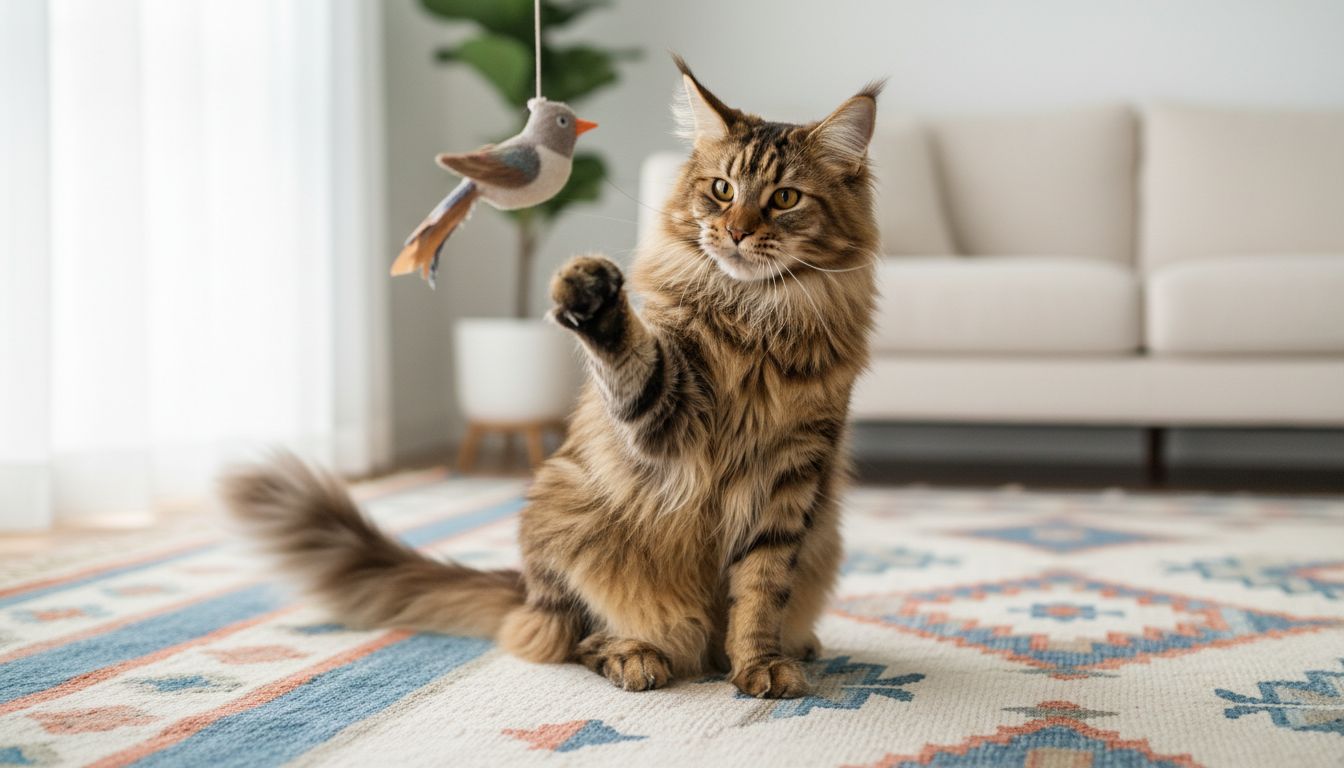
Day to day, caring for a polydactyl Maine Coon does not look much different from caring for any other cat, aside from the slightly more involved nail care routine. These cats climb, jump, scratch, and play just like any other cat, and most owners report that the wide mitten paws do not slow their cats down in the slightest.
Many owners actually find the extra toes add to their cat’s charm, noting that polydactyl cats sometimes seem to use their paws with extra dexterity, almost like hands, when batting at toys or holding onto food. This is anecdotal rather than medically documented, but it is a fun part of living with a cat who has this trait.
Routine wellness visits, regular nail checks, and attentive at-home paw inspections are really all it takes to keep a polydactyl Maine Coon’s feet healthy for life.
When to Call Your Vet
While polydactyly itself is not a medical emergency or ongoing condition, there are specific paw-related signs that should prompt a call to your vet rather than a wait-and-see approach. Trust your instincts here, since you know your cat’s normal gait and paw appearance better than anyone else.
Getting a prompt exam for any of these signs helps catch small issues like ingrown nails or minor infections before they become bigger problems, and your vet can give your polydactyl cat’s unique paw structure a proper look to confirm everything is healthy underneath all that fur.
- Sudden limping or reluctance to walk on a paw
- Visible swelling, redness, warmth, or discharge around any toe
- A nail that has grown into the pad or is causing visible pain
- Persistent licking, chewing, or biting at one specific paw
- Any wound, cut, or bleeding around the toes that does not stop quickly
The Bottom Line
Maine Coon polydactyl paws are a charming, generally harmless trait that simply requires a bit of extra attention during nail trims and paw checks compared to a standard-pawed cat. With routine care, regular vet visits, and a watchful eye for the warning signs above, there is no reason a polydactyl Maine Coon cannot live a full, active, and completely comfortable life on those wonderfully wide mitten feet.
This article is for general education and is not a substitute for care from your own veterinarian. Learn about The Pet Vet and our editorial policy.