
Russian Blue stress sensitivity is something many owners notice early on, often after a move, a new pet, or even rearranged furniture sends their cat into hiding. This breed tends to be reserved, routine-loving, and quick to pick up on tension in the home. Understanding why Russian Blues react this way, and what you can do to ease their worry, can make a real difference in your cat’s day-to-day happiness and long-term wellbeing.
Table of Contents
- Why Russian Blues Are Wired This Way
- What Stress Looks Like in a Russian Blue
- Common Triggers Owners Should Know About
- Building a Predictable Daily Routine
- Creating Safe Spaces at Home
- Introducing New People and Pets Slowly
- The Role of Environmental Enrichment
- When Stress Becomes a Medical Concern
- Working With Your Vet on a Long-Term Plan
- Helping Your Russian Blue Feel Secure Over Time
Why Russian Blues Are Wired This Way
Russian Blue cats have a well-earned reputation for being thoughtful, watchful, and a little bit shy around anything unfamiliar. Breeders and longtime owners describe them as cats who like to observe a new person or situation from a distance before deciding whether to engage. This isn’t a flaw in the breed, it’s simply part of their temperament, and it tends to show up consistently across the breed rather than being a quirk of one individual cat.
This cautious nature likely comes from a combination of genetics and the breed’s history as a naturally occurring landrace cat before formal breeding programs refined its look. Cats who are naturally more alert to changes in their environment may have had a survival advantage in the wild, and some of that wariness seems to have carried into the domesticated Russian Blue we know today. The result is a cat who bonds deeply with a small circle of trusted people but who can become genuinely distressed when life feels unpredictable.
Knowing this about your Russian Blue isn’t about labeling your cat as “difficult.” It’s about recognizing that routine, predictability, and a low-drama environment aren’t just preferences for this breed, they’re closer to a need. Owners who understand this upfront tend to have an easier time building a home environment where their cat can relax and thrive.
What Stress Looks Like in a Russian Blue
Because Russian Blues are naturally quiet and reserved even when they’re happy, it can be tricky to tell the difference between their normal personality and genuine stress. Many owners miss early warning signs simply because the cat isn’t doing anything dramatic, they’re just doing less.
Watch for these common signs that your Russian Blue may be feeling overwhelmed.
If you notice several of these signs together, especially after a change in the home, it’s worth paying closer attention and possibly checking in with your vet to rule out a medical cause.
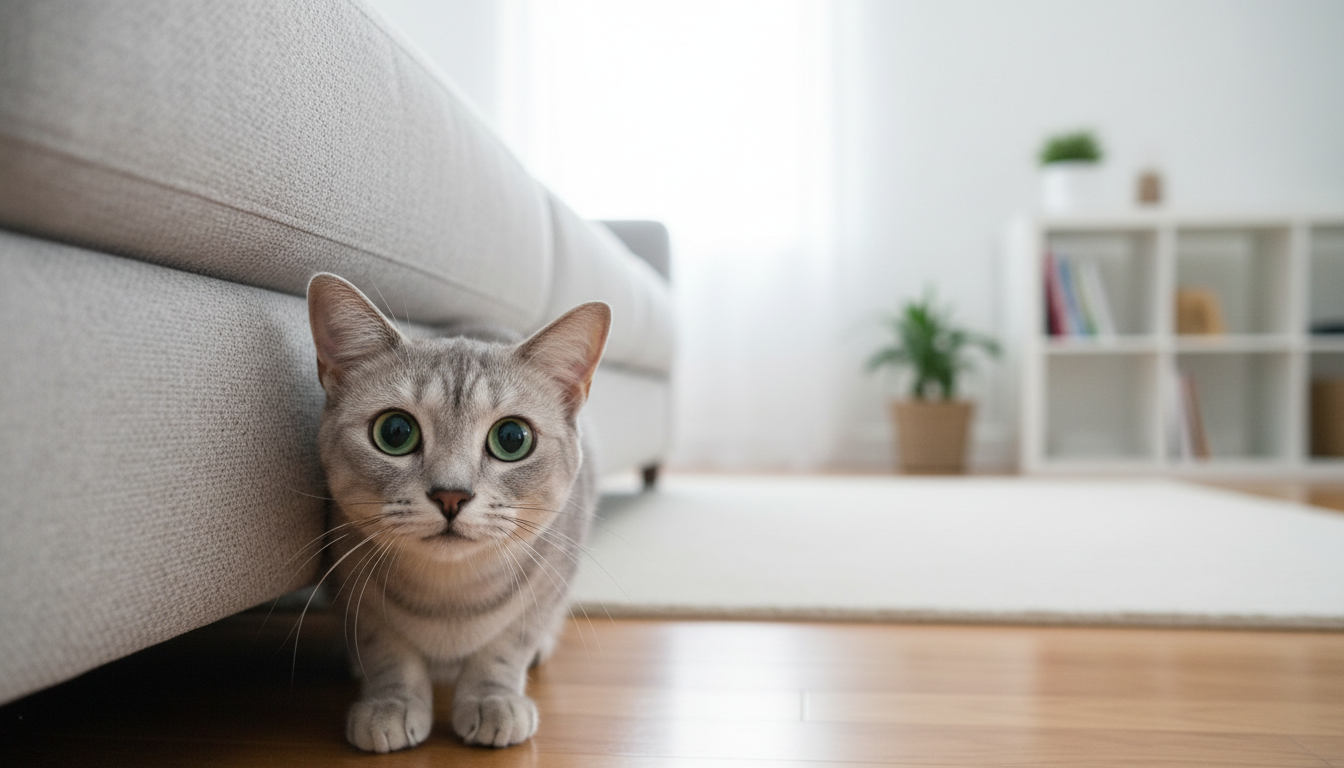
- Spending unusually long stretches hiding under furniture or in closets
- Eating less or picking at food during times of change in the household
- Grooming excessively in one spot, or conversely, not grooming enough
- Becoming more vocal or unusually silent compared to their normal pattern
- Avoiding the litter box or having accidents outside it
- Showing tension in the body, such as a low crouch, flattened ears, or a tucked tail when nothing obvious has happened
Common Triggers Owners Should Know About
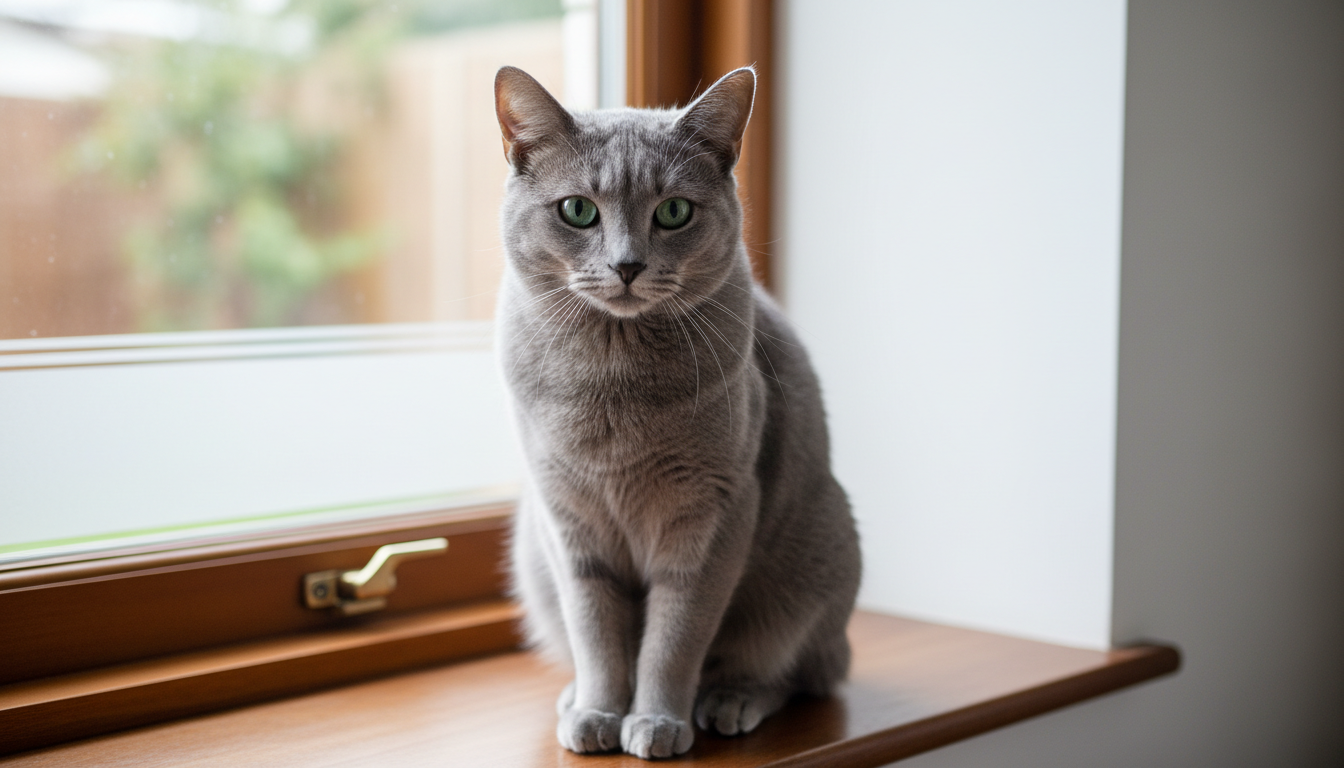
Russian Blues tend to react to changes that many other cats barely notice. A rearranged living room, a new piece of furniture, or even switching the brand of cat litter can be enough to unsettle a particularly sensitive individual. It helps to think of your Russian Blue as a cat who notices everything, even when they’re not showing it outwardly.
Bigger life changes are naturally harder on this breed than on more easygoing cats. Moving to a new home, welcoming a new baby, adding another pet, or having houseguests stay for an extended period can all trigger a noticeable shift in behavior. Even positive changes, like a favorite person coming home after being away, can temporarily throw off a Russian Blue’s sense of equilibrium if it disrupts their usual routine.
Loud or chaotic environments are another common stressor. Construction noise, parties, or even a vacuum cleaner running more often than usual can wear on a cat who prefers things calm and quiet. Over time, repeated exposure to these triggers without any buffer or safe space can contribute to a more chronically anxious cat.
Building a Predictable Daily Routine
Because Russian Blues find comfort in sameness, one of the most effective things you can do is build a daily routine and stick to it as closely as possible. This doesn’t mean your life has to revolve entirely around your cat’s schedule, but small consistencies go a long way toward helping your cat feel secure.
Try to keep feeding times, play sessions, and bedtime routines roughly consistent from day to day. Cats are remarkably good at reading patterns, and a Russian Blue who knows breakfast comes at the same time every morning is far less likely to feel anxious about other changes happening around them.
When changes are unavoidable, such as moving house or introducing a new pet, try to make the transition gradual rather than abrupt. Giving your cat access to a familiar blanket, bed, or toy during the change can also help bridge the gap between old and new.
- Feed meals at approximately the same times each day
- Keep litter boxes, food, and water bowls in consistent locations
- Maintain a regular play and cuddle routine, even if it’s brief
- Avoid sudden, frequent rearranging of furniture when possible
- Give advance quiet time before and after guests or events
Creating Safe Spaces at Home
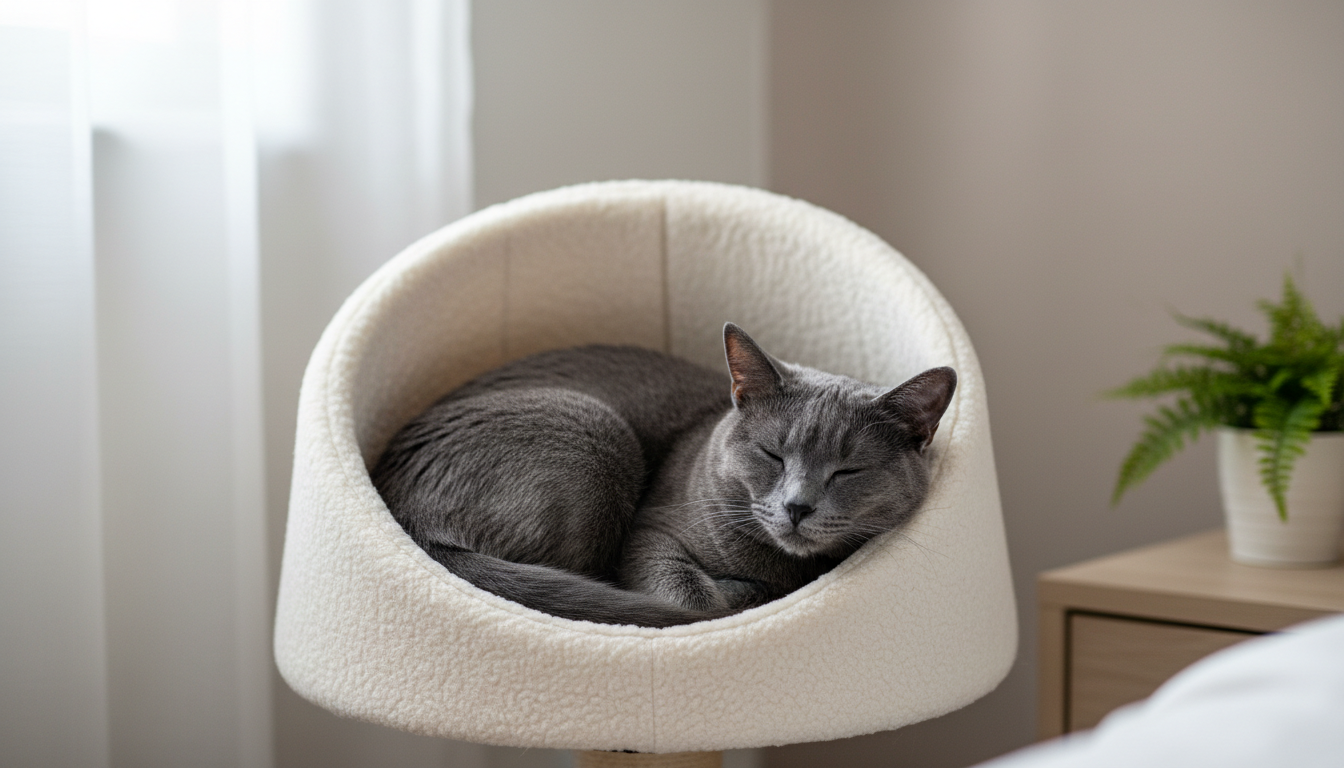
Every Russian Blue benefits from having at least one space in the home that is entirely their own, somewhere they can retreat to when the world feels like too much. This might be a covered cat bed, a quiet closet shelf, or a cardboard box tucked into a low-traffic corner of a room.
The key is making sure this space is always accessible and never disturbed when your cat is using it. Resist the urge to pull your cat out of their hiding spot to force affection or introduce them to a visitor, even if your intentions are good. Letting your cat choose when to come out reinforces that the space is truly safe, which actually builds their confidence over time rather than reducing it.
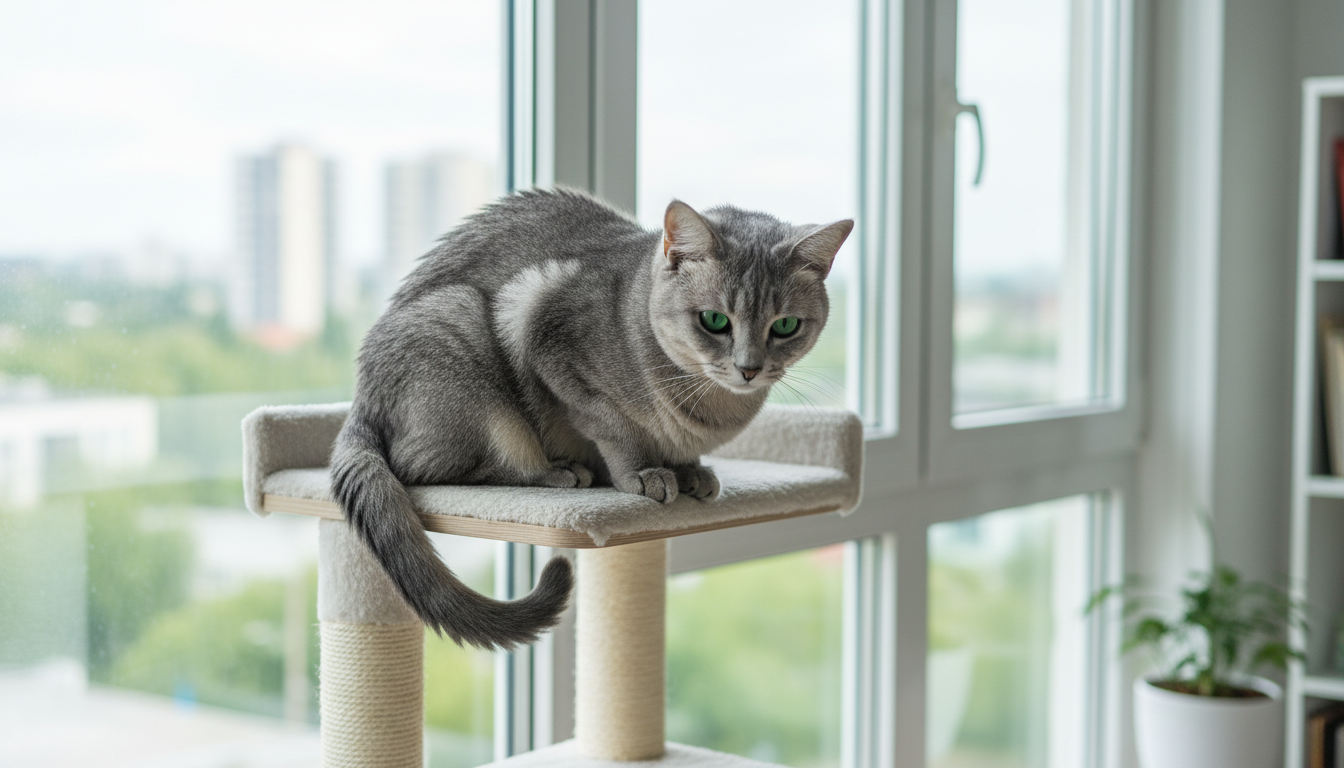
Vertical space matters too. Many Russian Blues feel more secure when they can observe their environment from up high, whether that’s a cat tree, a tall bookshelf, or a window perch. Having the option to retreat upward, rather than only having floor-level hiding spots, gives your cat more tools to manage their own comfort level throughout the day.
Introducing New People and Pets Slowly
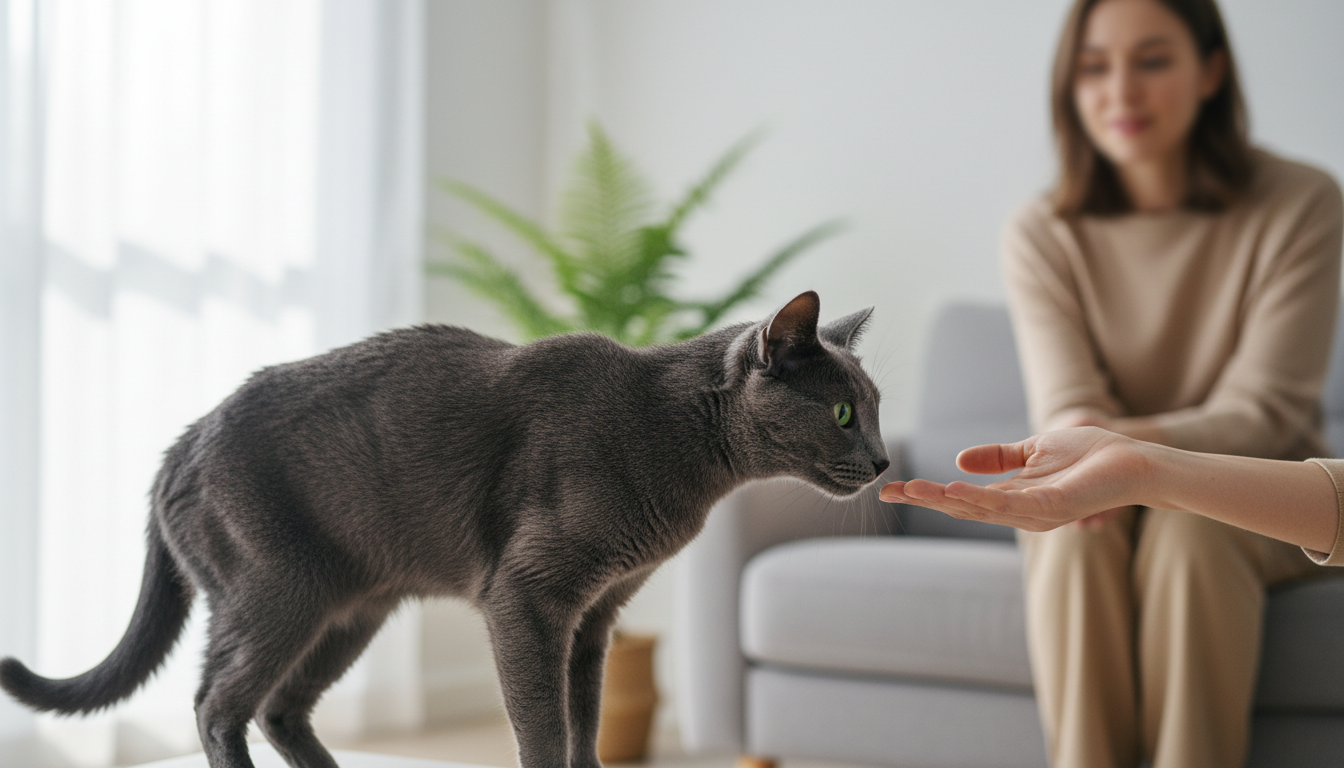
Russian Blues are notorious for taking their time to warm up to strangers, and rushing this process almost always backfires. If you’re expecting guests, it’s kinder to let your cat observe from a distance rather than forcing an introduction. Over time, as the same people visit repeatedly and nothing bad happens, most Russian Blues will gradually become more comfortable, though some may always prefer to keep their distance from unfamiliar faces.
Introducing a new pet requires even more patience. A slow, gradual introduction that allows both animals to get used to each other’s scent and presence before any face-to-face meeting tends to go much better than throwing them together and hoping for the best. Keeping the new pet in a separate space initially, then slowly expanding shared territory over days or weeks, respects your Russian Blue’s need to adjust at their own pace.
- Let new visitors ignore the cat rather than approach directly
- Use treats or favorite toys to create positive associations slowly
- Introduce new pets through a closed door before any visual contact
- Expand shared space gradually once both animals seem relaxed
- Avoid forcing physical closeness between your cat and anyone new
The Role of Environmental Enrichment
A Russian Blue who has plenty of mental and physical stimulation is generally more resilient when faced with change than one who is understimulated and bored. Interactive play, puzzle feeders, and rotating toys can help keep your cat’s mind engaged in a positive way, which may buffer some of the stress that comes from an unpredictable event.
Scratching posts, climbing structures, and safe window views where your cat can watch birds or outdoor activity all contribute to a richer daily life. These outlets give your cat a constructive way to spend energy and attention, rather than channeling nervous energy into hiding or over-grooming.
It’s worth remembering that enrichment doesn’t need to be elaborate or expensive. A simple daily play session with a wand toy, a few minutes of training with treats, or rotating a small handful of toys so they feel new again can make a meaningful difference in how settled your Russian Blue feels overall.
When Stress Becomes a Medical Concern
While some sensitivity is simply part of the Russian Blue personality, it’s important not to assume that every behavior change is “just how they are.” Chronic stress can contribute to real physical health problems in cats, including urinary tract issues, appetite changes, and a weakened immune response. If your cat’s stress-related behaviors are frequent, severe, or getting worse over time, this is worth discussing with your vet rather than managing on your own indefinitely.
Your vet can help rule out underlying medical conditions that sometimes look like stress but actually have a physical cause, such as pain, thyroid issues, or urinary problems. This is an especially important step if you’re noticing litter box avoidance, since this can be a sign of a medical issue as easily as it can be behavioral.
Never assume a behavior is purely psychological without ruling out a medical cause first. Your vet is the right person to help you sort out what’s going on and recommend next steps, which may include behavioral strategies, environmental changes, or in some cases a referral to a veterinary behaviorist.
- Frequent urinary accidents outside the litter box
- Noticeable weight loss or prolonged appetite changes
- Excessive grooming leading to bald patches or skin irritation
- Behavior changes that don’t improve despite a calm, stable environment
- Signs of pain such as reluctance to jump or move normally
Working With Your Vet on a Long-Term Plan
If your Russian Blue’s stress sensitivity is significantly affecting their quality of life, it’s reasonable to ask your vet about a more structured plan. This might involve a thorough physical exam to rule out pain or illness, a conversation about your cat’s daily routine and environment, and potentially a referral to a veterinary behaviorist who specializes in feline anxiety.
Some vets may also discuss calming products, pheromone diffusers, or other supportive tools that can complement the environmental changes you make at home. It’s important not to try unproven remedies or over-the-counter calming products without first checking with your vet, since not everything marketed for anxious pets is actually safe or effective for cats.
Building a long-term plan with your vet means you have a partner to check in with as things change, rather than guessing on your own about whether your cat is improving. This is especially valuable if you notice new or worsening symptoms, since catching problems early generally leads to better outcomes.
Helping Your Russian Blue Feel Secure Over Time
Living with a sensitive cat like a Russian Blue is ultimately about shifting your expectations and your home environment to meet your cat where they are, rather than expecting them to adapt quickly to every change the way a more easygoing cat might. With patience, consistency, and a genuine respect for your cat’s need for predictability, most Russian Blues settle into a confident, secure version of themselves within their own home.
It’s also worth remembering that this breed’s cautious nature often comes paired with deep loyalty and affection once trust is established. Many owners describe their Russian Blue as intensely devoted to their immediate family, even if they remain shy around outsiders for life. That combination of sensitivity and loyalty is part of what makes the breed so beloved by the people who understand and work with it, rather than against it.
If you’re ever unsure whether your cat’s behavior reflects normal Russian Blue temperament or something that needs medical attention, don’t hesitate to reach out to your vet. A quick conversation can offer peace of mind and ensure you’re supporting your cat in the way they actually need, rather than guessing based on general advice that may not fit your individual cat.
This article is for general education and is not a substitute for care from your own veterinarian. Learn about The Pet Vet and our editorial policy.