
If your cat has been scratching more than usual and you’ve noticed tiny scabs or bumps across their skin, they may be experiencing miliary dermatitis in cats—a frustrating condition that leaves many pet parents feeling helpless. The good news? This skin condition is manageable, and understanding what’s happening is the first step toward relief for your feline friend.
Table of Contents
- What Is Miliary Dermatitis in Cats?
- Common Causes of Miliary Dermatitis
- Recognizing the Symptoms
- Diagnostic Process at Your Vet Visit
- Treatment Approaches for Miliary Dermatitis
- The Role of Nutrition in Skin Health
- Managing Flare-Ups and Preventing Recurrence
- When to Seek Urgent Care
- Summary: Taking Action for Your Cat’s Skin Health
- Frequently Asked Questions
- What To Do Now
This article is for informational purposes only and is not a substitute for professional veterinary advice. Always consult a licensed veterinarian for diagnosis and treatment.
What Is Miliary Dermatitis in Cats?
Miliary dermatitis is a skin reaction pattern in cats that appears as tiny, crusty bumps—often described as looking like millet seeds (hence the name “miliary”). These lesions typically show up on the head, neck, and back, though they can spread across the entire body.
Think of miliary dermatitis as your cat’s skin’s way of saying “something’s not right.” It’s not a disease itself, but rather a symptom that something underneath needs attention. This distinction matters because treating the root cause is what actually helps your cat feel better.
Common Causes of Miliary Dermatitis
The tricky part about miliary dermatitis in cats is that multiple triggers can cause it. Your veterinarian will need to investigate to pinpoint what’s bothering your cat’s skin.
Fleas and parasites are the most common culprits. Even if you don’t see fleas on your cat, a single bite can trigger an allergic reaction that leads to miliary dermatitis. Indoor cats can still get fleas from wildlife or contaminated clothing.
Food allergies are another frequent cause. Cats can develop sensitivities to proteins (like chicken or fish) or other ingredients over time. If your cat has miliary dermatitis, exploring dietary changes through a food trial feeding schedule may help identify triggers.
Environmental allergies (pollen, dust, mold) can also trigger this skin pattern. Stress, bacterial infections, and even overgrowth of yeast on the skin may contribute as well.
Catching this early puts you in a great position to help your cat recover faster and prevent secondary infections.
Recognizing the Symptoms
Miliary dermatitis shows up differently in different cats, but there are telltale signs to watch for:
- Tiny, crusty or scabby bumps on the skin (especially on head, neck, and back)
- Excessive scratching, licking, or chewing at the skin
- Hair loss in patches or overall thinning
- Red or inflamed skin underneath the fur
- Flaking or dandruff-like appearance
- Your cat seeming uncomfortable or restless
Some cats also develop a greasy or matted coat texture. If you notice any of these signs, a veterinary check-in is worth scheduling soon—but try not to worry. Many cats with miliary dermatitis respond well to treatment once the underlying cause is identified.
Diagnostic Process at Your Vet Visit
Your veterinarian will take a thorough history and perform a physical examination. They may ask about your cat’s diet, indoor versus outdoor status, flea prevention routine, and whether other pets in the home have similar symptoms.
Common diagnostic tools include:
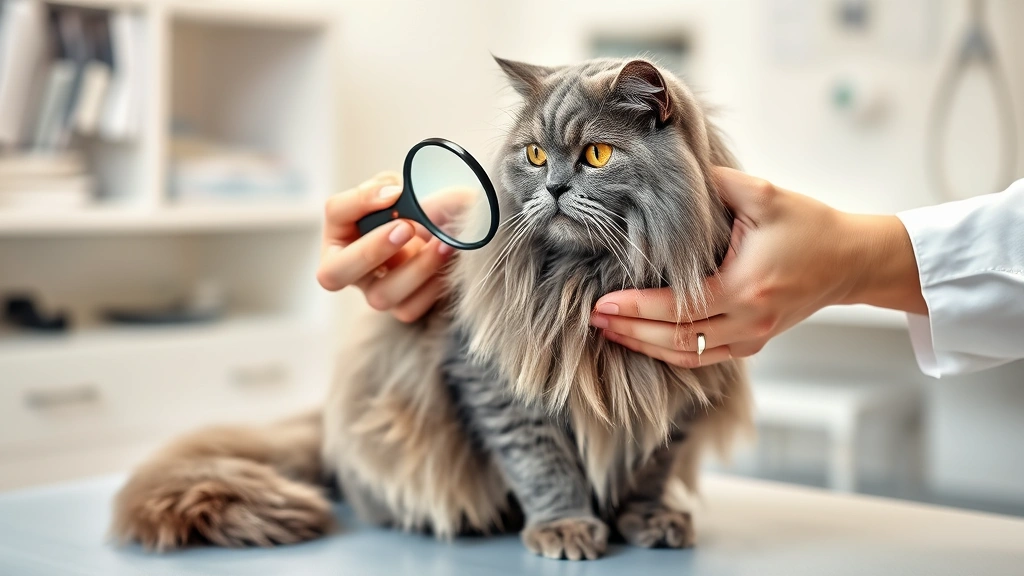
- Skin scrapings or cytology to check for mites, bacteria, or yeast
- Wood’s lamp examination to rule out fungal infections like ringworm
- Allergy testing (intradermal or blood tests) if parasites and infections are ruled out
If you’re uncertain whether your cat needs urgent care or just a routine check, a quick telehealth consultation can give you peace of mind—no appointment needed. Many vets can assess miliary dermatitis symptoms through a video call and guide your next steps.
Treatment Approaches for Miliary Dermatitis
Treatment depends entirely on what’s causing the skin reaction. A one-size-fits-all approach rarely works, which is why diagnosis matters so much.
Parasite control is often the first line of defense. Even if fleas aren’t visible, your vet may recommend a flea prevention product to rule out flea allergy dermatitis. Consistent, year-round flea prevention can prevent this issue from returning.
Dietary management plays a major role when food allergies are suspected. Your vet might recommend an elimination diet or a novel protein diet. Our guide on novel protein introduction schedule can help you navigate dietary changes carefully and systematically.
Topical treatments like medicated shampoos, sprays, or ointments can soothe irritated skin and reduce secondary infections. Your vet will recommend products suited to your cat’s specific condition.
Oral medications may be prescribed to manage inflammation, itching, or infection. Your veterinarian will discuss which options are appropriate for your cat and monitor for any side effects.
Environmental modifications can also help. Reducing stress, improving air quality, and maintaining a clean living space all support skin health.
The Role of Nutrition in Skin Health
What your cat eats directly impacts their skin quality. A diet lacking essential fatty acids, vitamins, or high-quality protein can worsen skin conditions or slow healing.
Look for cat foods with:
- High-quality, easily digestible proteins
- Omega-3 and omega-6 fatty acids for skin and coat support
- Minimal fillers and artificial ingredients
- Appropriate moisture content (wet food can be beneficial)
Our article on feeding for coat health dives deeper into nutritional strategies that support skin recovery. If your cat has food sensitivities, a carefully planned diet transition is crucial to avoid triggering flare-ups.
Managing Flare-Ups and Preventing Recurrence
Once you’ve identified the cause and started treatment, consistency is key. Here’s how to keep miliary dermatitis from coming back:
- Stick with flea prevention year-round—even indoor cats benefit from regular protection
- Maintain the recommended diet if food allergies were the trigger; sudden changes can restart symptoms
- Keep your home clean to minimize environmental allergens and parasites
- Monitor your cat’s stress levels and provide enrichment to support overall wellness
- Schedule regular vet check-ins to catch any early signs before they escalate
Most cats show improvement within 2-4 weeks of starting appropriate treatment, though some cases take longer. Be patient and communicate regularly with your vet about progress.

When to Seek Urgent Care
While miliary dermatitis itself isn’t typically an emergency, certain situations warrant prompt attention:
- Signs of severe infection (pus, warmth, odor, or spreading lesions)
- Your cat’s scratching is so intense they’re causing open wounds
- Sudden worsening despite treatment
- Signs of systemic illness (fever, lethargy, loss of appetite)
If you notice any of these red flags, contact your vet right away or visit an emergency clinic. Early intervention prevents complications and gets your cat back to comfort faster.
Summary: Taking Action for Your Cat’s Skin Health
Miliary dermatitis in cats is frustrating, but it’s absolutely treatable once you understand what’s causing it. Whether it’s fleas, food allergies, environmental triggers, or a combination of factors, your veterinarian can help you create a targeted plan.
The key steps are: identify the cause, start appropriate treatment, maintain consistency, and follow up with your vet. With patience and the right approach, most cats recover well and enjoy healthy, comfortable skin again.
Frequently Asked Questions
Is miliary dermatitis contagious to other pets or humans?
Miliary dermatitis itself isn’t contagious, but the underlying cause (like parasites or ringworm) might be. If multiple pets in your home are affected, let your vet know so they can investigate whether a shared trigger exists.
Can miliary dermatitis go away on its own?
It’s unlikely to resolve without treatment because the underlying cause (fleas, allergies, infection) typically persists. Addressing the root issue is what allows the skin to heal.
How long does treatment usually take?
Most cats show noticeable improvement within 2-4 weeks, though some cases take 6-8 weeks or longer depending on the cause and severity.
Can diet alone fix miliary dermatitis?
If food allergies are the sole cause, dietary changes can resolve it. However, many cats have multiple triggers, so a combination approach (diet plus parasite control, for example) often works best.
What’s the difference between miliary dermatitis and other cat skin conditions?
Miliary dermatitis refers specifically to the tiny, crusty bump pattern. Other conditions like ringworm or mange present differently. Your vet’s diagnosis will clarify which condition your cat has and guide the right treatment.
What To Do Now
- Schedule a veterinary appointment to get a proper diagnosis and rule out parasites, infections, and other causes. If you’re unsure whether your cat needs urgent care, a quick telehealth check-in can give you peace of mind—no appointment needed.
- Review your flea prevention routine and ensure your cat is on a year-round parasite control product recommended by your vet, even if they’re indoors.
- Document your cat’s symptoms (when scratching happens most, where lesions appear, any diet or environment changes) to share with your veterinarian—this information helps narrow down the cause.
- Prepare for a possible food trial by researching limited-ingredient or novel protein diets in case your vet suspects food allergies. Our food trial feeding schedule can guide you through the transition safely.
- Keep follow-up appointments and report back to your vet about your cat’s progress so treatment can be adjusted if needed.
Your cat’s comfort matters, and you’re already doing the right thing by seeking answers. With veterinary guidance and consistent care, miliary dermatitis is very manageable.