
Norwegian Forest Cat dental health is one of those things that can slip under the radar until a checkup turns up tartar, inflamed gums, or a tooth that needs to come out. These large, thick-coated cats are so good at masking discomfort that early dental trouble is easy to miss at home. This guide walks you through why the breed is prone to it, what signs to watch for, and how to keep your cat’s mouth healthy for the long run.
Table of Contents
- Why Dental Disease Sneaks Up on This Breed
- How Plaque Turns Into a Real Problem
- Signs You Might Notice at Home
- Why Early Screening Matters So Much Here
- What Happens During a Professional Dental Cleaning
- Building a Home Dental Care Routine
- Diet’s Role in Oral Health
- When Tooth Extraction Becomes Necessary
- The Connection Between Dental Health and Overall Wellness
- Age and Life Stage Considerations
- Red Flags That Need Immediate Veterinary Attention
- Working With Your Vet on a Long-Term Plan
- A Final Word on Staying Ahead of the Problem
Why Dental Disease Sneaks Up on This Breed
Norwegian Forest Cats are stoic by nature. They were bred to survive harsh Scandinavian winters, and that hardy temperament means they rarely show obvious pain even when something is bothering them. A sore tooth or inflamed gum line does not usually stop one of these cats from eating, playing, or greeting you at the door, which is exactly why dental disease can progress for months before anyone notices.
Add to that their thick fur and calm demeanor, and it becomes easy for an owner to miss the early visual cues that a shorter-haired, more expressive cat might show more plainly. Many owners only discover a problem when their vet opens the cat’s mouth during a routine wellness exam and finds tartar buildup, red gums, or a resorptive lesion that has clearly been developing for a while.
This does not mean Norwegian Forest Cats have fundamentally worse teeth than other breeds. It means their dental issues are often discovered later, at a point where more intervention is needed. Understanding this tendency toward silent progression is the first step toward catching problems earlier.
How Plaque Turns Into a Real Problem
Dental disease in cats follows a fairly predictable path. Soft plaque forms on the teeth within hours of eating, and if it is not removed, it hardens into tartar within a few days. Tartar provides a rough surface where bacteria thrive, and those bacteria irritate the gum line, leading to the redness and swelling known as gingivitis.
Left unaddressed, gingivitis can progress into periodontal disease, where the supporting structures around the tooth start to break down. This is a much more serious stage because it can lead to tooth loss, chronic pain, and even allow bacteria to enter the bloodstream. Norwegian Forest Cats are not inherently more prone to tartar than other breeds, but because their discomfort goes unnoticed longer, the disease often has more time to advance before treatment begins.
The good news is that this progression is slow enough that regular attention can interrupt it at almost any stage. Catching gingivitis early, before it becomes true periodontal disease, is far easier on your cat and far less expensive to manage.
Signs You Might Notice at Home
Because Norwegian Forest Cats hide discomfort so well, you have to look for subtle clues rather than waiting for obvious distress. Bad breath is often the first sign owners notice, though many assume it is just normal “cat breath” rather than a symptom of a real issue. Watching your cat’s eating habits and mouth closely over time will help you catch changes before they become serious.
If you notice any combination of these signs, it is worth scheduling a veterinary exam rather than waiting to see if things improve on their own. Dental pain in cats rarely resolves without some form of intervention.
- Persistent bad breath that does not improve with time
- Red, swollen, or bleeding gums along the tooth line
- Yellow or brown tartar buildup, especially on the back teeth
- Dropping food while chewing or favoring one side of the mouth
- Pawing at the face or rubbing the mouth against furniture
- Reduced interest in dry food or crunchy treats
- Excessive drooling, which is unusual for most healthy cats
Why Early Screening Matters So Much Here
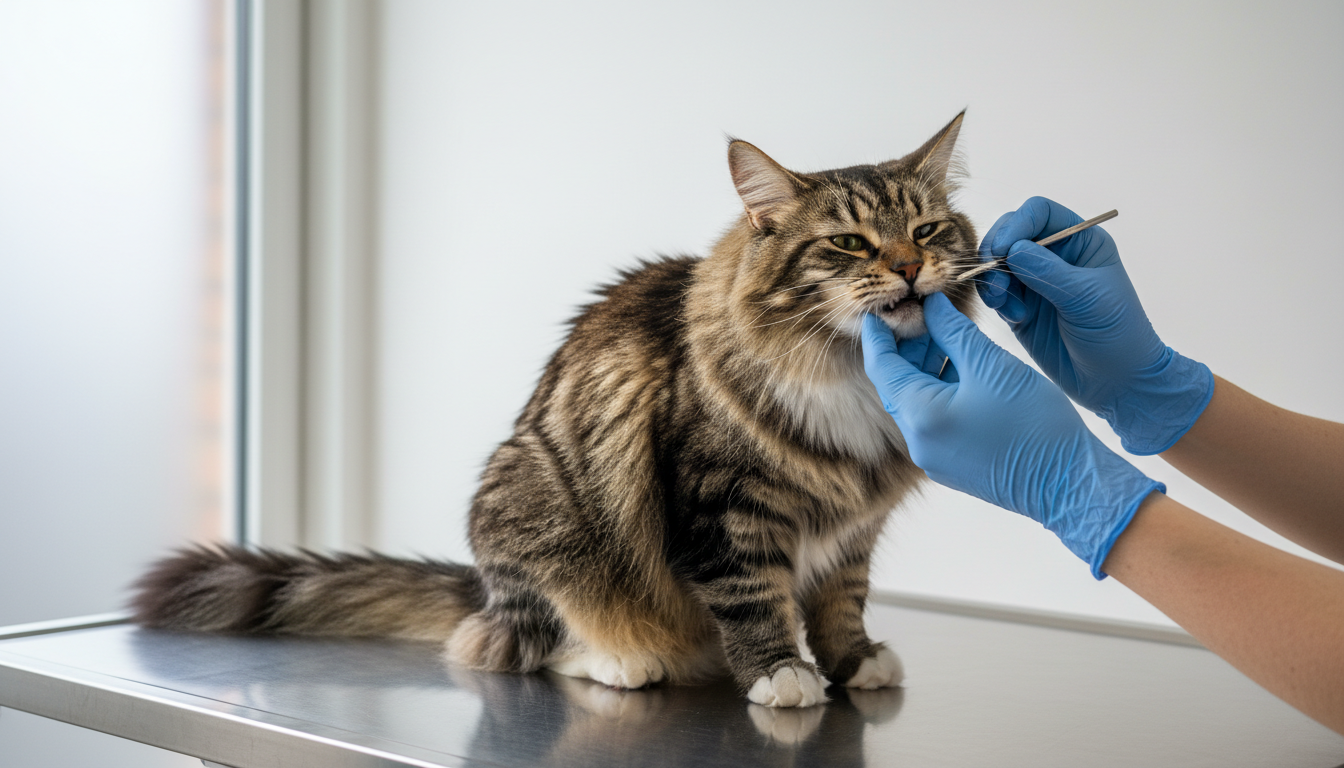
Because this breed is so good at functioning normally despite dental pain, relying on behavior alone to judge oral health is not reliable. This is where routine veterinary checkups become especially important. A vet can see and feel things during an oral exam that are simply not visible when you look in your cat’s mouth at home, including problems below the gumline that only show up on dental X-rays.
Annual wellness visits should always include a thorough look at the teeth and gums, and your vet may recommend starting professional dental cleanings earlier than you expect, especially if any tartar or gingivitis is already present. Because symptoms can be so quiet, many veterinarians treat Norwegian Forest Cats as a breed that benefits from more frequent oral checks rather than waiting for a yearly exam to catch something significant.
If your vet recommends a dental cleaning under anesthesia, try not to feel alarmed. This is the standard and safest way to properly clean below the gumline and get a full picture of your cat’s oral health, including X-rays that can reveal issues no visual exam could catch.
What Happens During a Professional Dental Cleaning
A professional veterinary dental cleaning is more thorough than anything that can be done while your cat is awake. It involves scaling away tartar both above and below the gumline, polishing the teeth to slow future plaque buildup, and taking X-rays to assess the roots and bone structure that are hidden from view. This process requires general anesthesia because it is simply not safe or possible to do this work on an awake, moving cat.
Your vet will walk you through the risks and benefits of anesthesia based on your cat’s age and overall health, and pre-anesthetic bloodwork is typically done to make sure your cat is a good candidate. If any teeth are found to be severely diseased or already causing pain, your vet may recommend extraction during the same procedure to avoid putting your cat through anesthesia twice.
Many owners are surprised by how much more comfortable and energetic their cat seems after a dental cleaning, especially if painful teeth were removed. This improvement is often the first real sign that a problem had been bothering the cat for much longer than anyone realized.
Building a Home Dental Care Routine
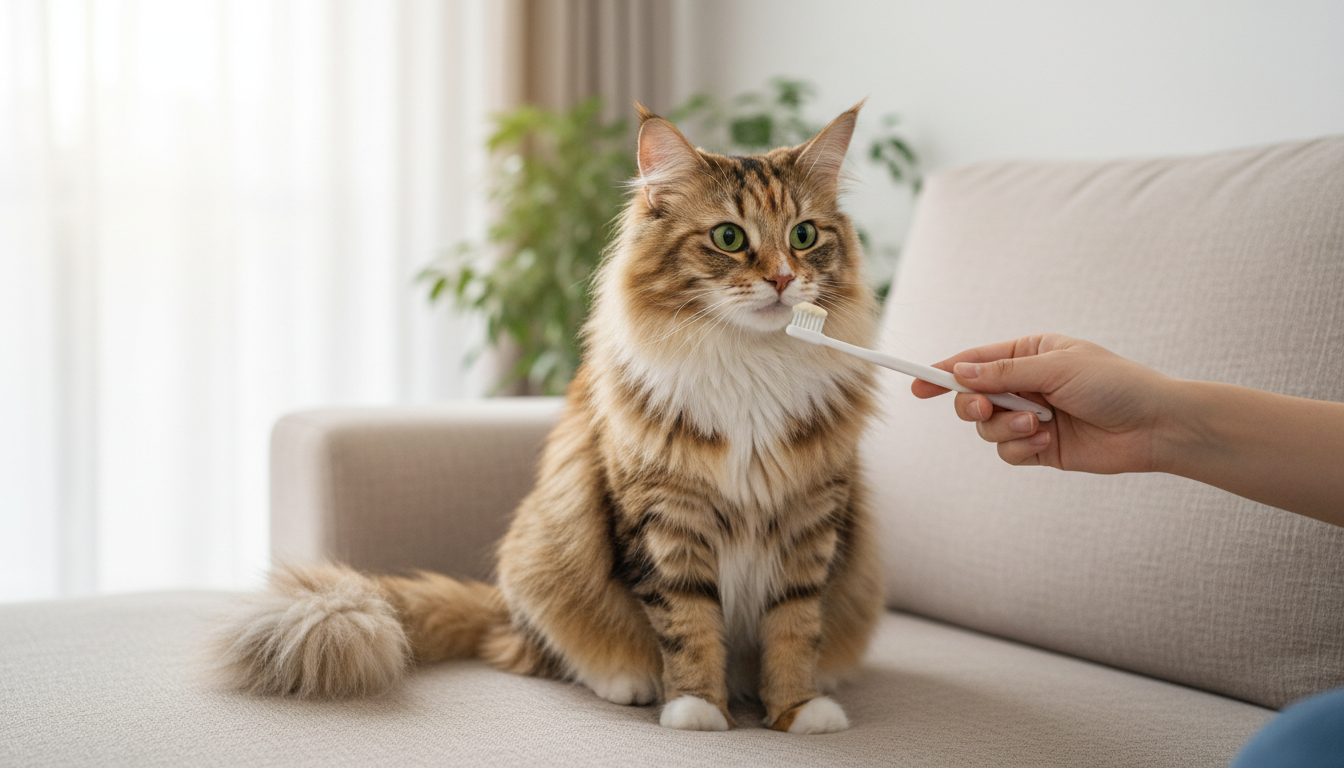
While professional cleanings are essential, what you do at home between those visits makes a real difference in how quickly plaque and tartar build up. The gold standard is daily tooth brushing with a pet-safe toothpaste, though even a few times a week is better than nothing. It takes patience and consistency, especially with a cat who has never had their teeth brushed before, but most cats can learn to tolerate it with a slow, positive introduction.
If brushing truly is not realistic for your cat, ask your vet about dental-specific diets, water additives, or dental chews that carry veterinary approval for reducing plaque. These are not a replacement for brushing or professional cleanings, but they can meaningfully support your overall dental care plan.
- Use a toothbrush designed for cats or a finger brush, never a human toothbrush
- Only use toothpaste made specifically for pets, since human toothpaste can be harmful
- Start slowly by letting your cat taste the toothpaste before introducing brushing
- Aim for short, calm sessions rather than forcing a long brushing routine
- Reward your cat with praise or a treat after each session to build positive associations
Diet’s Role in Oral Health
What your Norwegian Forest Cat eats can influence how quickly plaque accumulates. Some dental-specific dry foods are formulated with a texture and fiber structure designed to scrape plaque off the tooth surface as your cat chews. These diets are not magic, but they can be a helpful part of a broader dental care strategy, especially for cats who will not tolerate brushing.
Wet food, while often better for hydration and urinary health, does not provide the same mechanical cleaning action and can be more likely to stick to teeth if dental hygiene is not otherwise maintained. This does not mean you need to avoid wet food, but it is worth discussing your cat’s overall diet with your vet, especially if dental disease has already been diagnosed.
Treats matter too. Many cat treats are soft and sugary in ways that do nothing for dental health and may even contribute to plaque buildup. Look for treats that are specifically formulated with dental benefits in mind, and always check with your vet before making major changes to your cat’s diet.
When Tooth Extraction Becomes Necessary
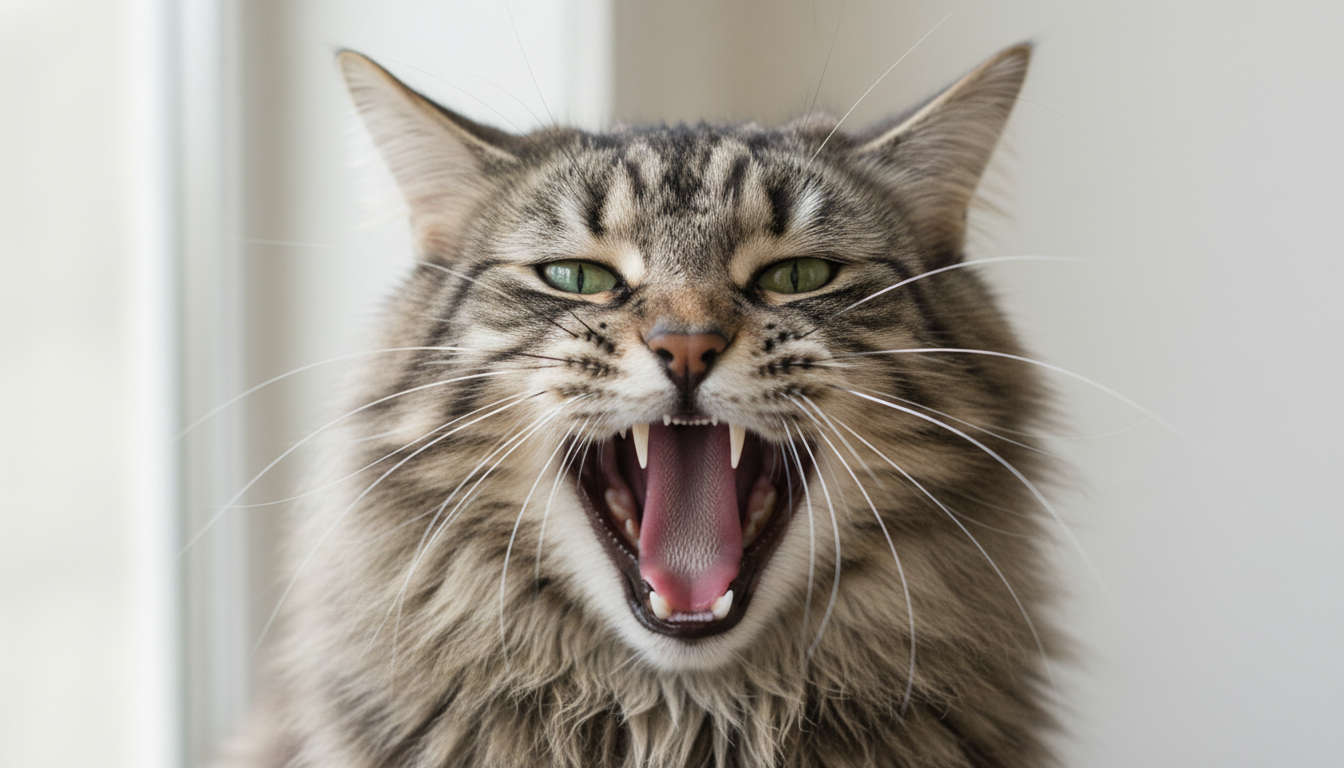
Sometimes, despite everyone’s best efforts, a tooth becomes too diseased to save. This is more common in cases of advanced periodontal disease or feline tooth resorption, a painful condition where the tooth structure itself begins to break down. Resorptive lesions are relatively common in cats and can be difficult to detect without X-rays, which is another reason routine dental screening matters so much.
Hearing that your cat needs a tooth extraction can feel upsetting, but cats generally adapt remarkably well to having fewer teeth, especially once the source of chronic pain is removed. Most cats eat normally again within days of recovery, often with more enthusiasm than before because eating is no longer painful.
Your vet will manage pain carefully during and after any extraction procedure, and will give you clear instructions for a smooth recovery at home, including any dietary adjustments needed during the healing period.
The Connection Between Dental Health and Overall Wellness
Dental disease does not stay contained to the mouth. Chronic gum inflammation allows bacteria to enter the bloodstream, and over time this has been linked to stress on other organs, including the heart and kidneys. This is one of the key reasons vets take feline dental health so seriously, even in cats who otherwise seem perfectly healthy.
For a breed like the Norwegian Forest Cat, which already needs careful monitoring for certain genetic conditions, keeping the mouth healthy is one more way to support the body as a whole. A cat in chronic dental pain may also eat less or avoid certain foods, which can affect weight and energy levels over time, particularly in older cats who are already more vulnerable to weight loss.
Taking dental health seriously is not about chasing perfection. It is about reducing one more source of chronic inflammation and discomfort in your cat’s life, which contributes to better overall quality of life as they age.

Age and Life Stage Considerations
Dental care needs shift as your Norwegian Forest Cat moves through different life stages. Kittens lose their baby teeth and get their adult set in by around six months of age, and this is a good time to start introducing tooth brushing so your cat grows up accustomed to the process. Adult cats in the prime of life still need regular monitoring, since plaque and tartar accumulate steadily regardless of age.
Senior cats deserve particular attention, since dental disease tends to be more advanced by the time cats reach their senior years, and anesthesia for dental cleanings requires more careful planning in older cats with other health considerations. Your vet can help you weigh the risks and benefits of dental procedures at every life stage, and may adjust the frequency of exams and cleanings as your cat ages.
Regardless of age, consistency matters more than intensity. A cat who receives steady, routine dental attention throughout life will generally fare much better than one who only gets occasional, sporadic care.
Red Flags That Need Immediate Veterinary Attention
While most dental issues develop gradually, some signs point to a more urgent problem that should not wait for a routine appointment. A swollen face, especially around the jaw or under the eye, can indicate a dental abscess that needs prompt treatment. Similarly, a cat who suddenly stops eating altogether, rather than just eating less, should be seen by a vet as soon as possible, since this can be a sign of significant oral pain or another underlying issue.
If you see any of these signs, contact your vet or an emergency animal hospital promptly rather than waiting for the next scheduled visit. Dental infections can escalate quickly and are much easier to treat early.
- Visible facial swelling, particularly near the jaw or cheek
- Sudden refusal to eat or drink
- Blood in the mouth or on toys and bedding
- A broken or visibly loose tooth
- Strong, sudden onset of bad breath paired with lethargy
Working With Your Vet on a Long-Term Plan
Every cat’s dental needs are a little different, and your vet is the best resource for building a plan tailored to your Norwegian Forest Cat specifically. Some cats will need professional cleanings every year, while others can go longer between appointments if home care is consistent and effective. Your vet can also help you figure out realistic expectations for brushing frequency, dietary choices, and how to spot early warning signs specific to your individual cat.
Do not hesitate to ask questions during checkups, whether that means asking to see dental X-rays, understanding what a particular lesion means, or discussing the pros and cons of extraction versus trying to save a compromised tooth. An engaged, informed owner is one of the biggest factors in long-term dental success for any cat.
Ultimately, protecting your Norwegian Forest Cat’s dental health comes down to consistent attention and a willingness to act on small changes before they become bigger problems. With regular veterinary care and a reasonable home routine, most dental issues in this breed are very manageable.
A Final Word on Staying Ahead of the Problem
Because Norwegian Forest Cats are so good at hiding discomfort, dental health is one area where being proactive truly pays off. Waiting for obvious signs of pain means you are likely already dealing with more advanced disease than you realize. Regular exams, consistent home care, and a willingness to act on your vet’s recommendations will go a long way toward keeping your cat comfortable and healthy for years to come.
If you have any concerns about your cat’s teeth, gums, or eating habits, reach out to your veterinarian rather than waiting to see if things resolve on their own. Dental health plays a bigger role in your cat’s overall wellbeing than many owners realize, and catching problems early almost always leads to a better outcome.
This article is for general education and is not a substitute for care from your own veterinarian. Learn about The Pet Vet and our editorial policy.