
Russian Blue cat kidney health is one of those topics that rarely comes up until something goes wrong. These quiet, reserved cats often hide discomfort so well that early kidney changes can slip past even attentive owners. Understanding how this breed’s kidneys tend to age, what warning signs to watch for, and why routine screening matters can help you catch trouble early and give your cat the best possible quality of life for years to come.
Table of Contents
- Why Kidney Health Deserves Special Attention in This Breed
- How Kidney Disease Develops Over Time
- Early Warning Signs Worth Watching For
- The Role of Routine Bloodwork and Screening
- Hydration and Its Quiet Impact on Kidney Function
- Diet Considerations for Supporting Kidney Health
- Why Stress Might Compound the Problem
- When to Seek Immediate Veterinary Care
- Living Well With Early-Stage Kidney Changes
- Building a Long-Term Monitoring Plan With Your Vet
Why Kidney Health Deserves Special Attention in This Breed
Russian Blue cats are known for their calm, almost stoic temperament, and that same quiet nature can work against them when it comes to internal health problems. Cats in general are masters at masking pain or discomfort, a survival trait passed down from their wild ancestors, and Russian Blues seem to take this instinct especially far. By the time an owner notices a change in appetite, energy, or litter box habits, kidney function may already be declining.
Kidneys are responsible for filtering waste from the bloodstream, balancing hydration, and regulating several hormones that keep a cat’s body running smoothly. Because cats have a naturally low thirst drive to begin with, and because many Russian Blues are picky, routine-loving eaters who do not always get enough moisture in their diet, their kidneys can face more strain over a lifetime than owners realize. This does not mean every Russian Blue will develop kidney disease, but it does mean this breed benefits from a proactive approach rather than a reactive one.
Veterinarians increasingly recommend that owners of breeds prone to subtle internal issues schedule wellness bloodwork earlier and more often than the standard once-a-year checkup for younger cats. For Russian Blues, building this habit into adulthood rather than waiting until signs appear can make a meaningful difference in catching problems while they are still manageable.
How Kidney Disease Develops Over Time
Chronic kidney disease rarely appears overnight. In most cats, it develops gradually over months or years as functioning kidney tissue slowly declines and the remaining tissue works harder to compensate. This is part of why the disease is often not detected until a significant portion of kidney function has already been lost, because cats can get by on a surprising amount of reduced capacity before symptoms become obvious.
Age is the single biggest risk factor for kidney decline in cats, and Russian Blues are no exception. Many cats are not screened regularly until they reach their senior years, which is often when kidney changes have already begun to take hold. Dehydration, untreated dental disease, certain medications, and underlying conditions like hypertension can also accelerate kidney stress, which is one more reason to keep up with full physical exams rather than skipping them when your cat seems fine.
Genetics may also play a role in how individual cats age, though research in this area continues to evolve and no owner should assume their cat is doomed simply because of its breed. What matters most is consistent monitoring, because early-stage kidney changes are often manageable with diet and supportive care, while advanced disease is much harder to treat.
Early Warning Signs Worth Watching For
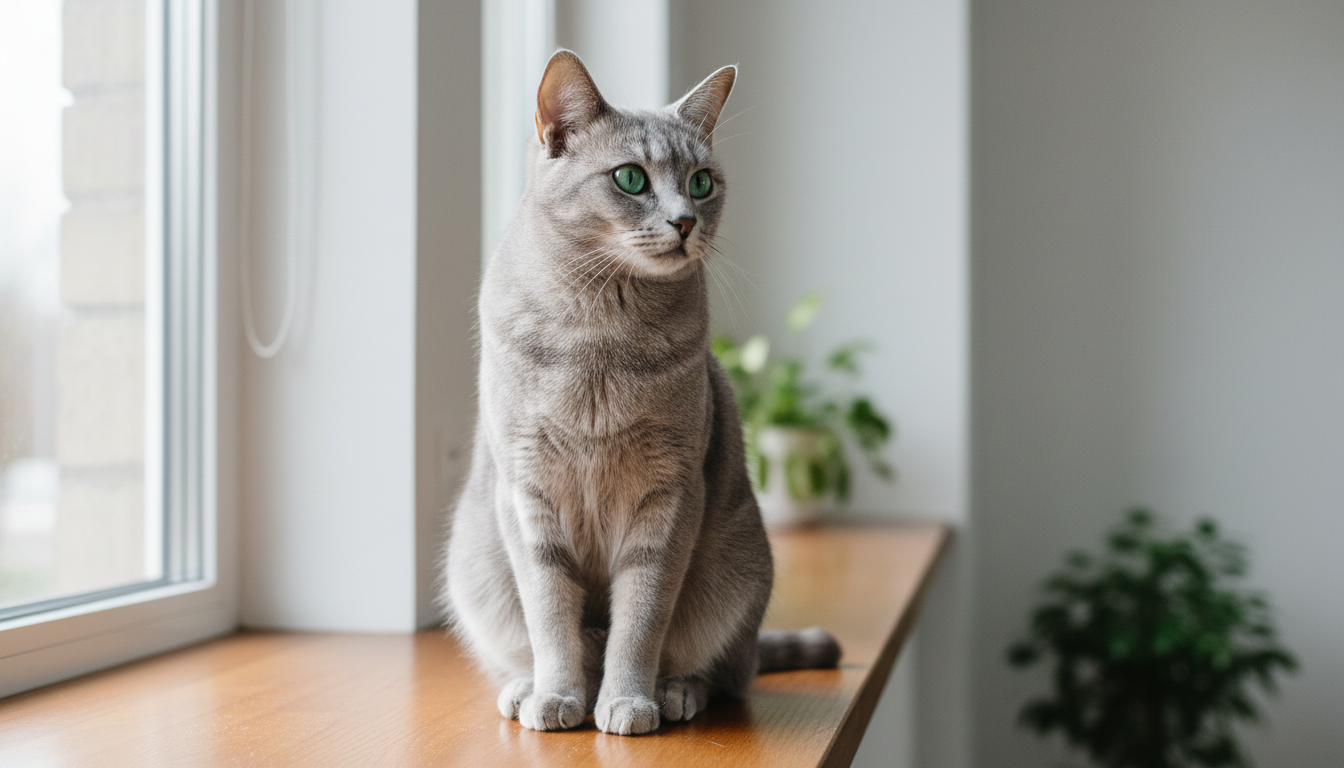
Because Russian Blues tend to be undemonstrative by nature, owners often need to watch for subtle shifts rather than dramatic symptoms. A cat who was never especially vocal about food might start showing less interest in meals, or a cat who always had tidy litter box habits might begin producing noticeably more urine. These changes can be easy to dismiss as simple aging or personality quirks, but they are worth mentioning to your vet.
None of these signs are exclusive to kidney disease, and several can point to other common feline health issues instead. That said, any combination of these changes in a Russian Blue, especially one over the age of seven, is a good reason to schedule bloodwork rather than wait for the next annual visit. Catching early kidney disease often comes down to timing, and timing favors the owner who pays attention to small details.
- Increased thirst or noticeably more frequent trips to the water bowl
- Larger or more frequent urine clumps in the litter box
- Gradual weight loss despite a normal or even increased appetite
- A dull, unkempt coat that your usually fastidious groomer has stopped maintaining
- Occasional vomiting or a subtle decrease in overall energy
The Role of Routine Bloodwork and Screening
Standard wellness bloodwork typically checks kidney values along with a broader picture of organ function, and newer testing methods have made it possible to detect kidney stress earlier than older methods allowed. Urinalysis is just as important as blood testing, since concentrated or dilute urine can reveal how well the kidneys are doing their job even before blood values shift. Blood pressure checks are another piece of the puzzle, since hypertension and kidney disease often travel together in cats.
For Russian Blues, many vets suggest starting a pattern of twice-yearly senior wellness panels once a cat reaches middle age, rather than waiting until the classic senior years begin. This is not about assuming the worst, it is about giving your vet enough data points over time to notice a trend before it becomes a crisis. A single blood test only shows a snapshot, while a series of tests over the years shows a trajectory, and trajectories are what catch early disease.
Your vet is the only one who can interpret these results accurately and recommend next steps, so please do not try to diagnose kidney disease yourself based on general symptoms or online information. If you have any concern about your Russian Blue’s kidney health, the right move is always to schedule an appointment rather than guess.
Hydration and Its Quiet Impact on Kidney Function
Cats evolved from desert ancestors and never developed a particularly strong thirst drive, which means many cats go through life mildly under-hydrated without anyone noticing. This matters a great deal for kidney health, because well-hydrated kidneys simply have an easier time filtering waste than kidneys working with concentrated, sluggish blood flow. Russian Blues, who can be creatures of habit and sometimes stick stubbornly to familiar routines, may be slow to adapt to changes in water sources or bowl placement, which can inadvertently reduce how much they drink.
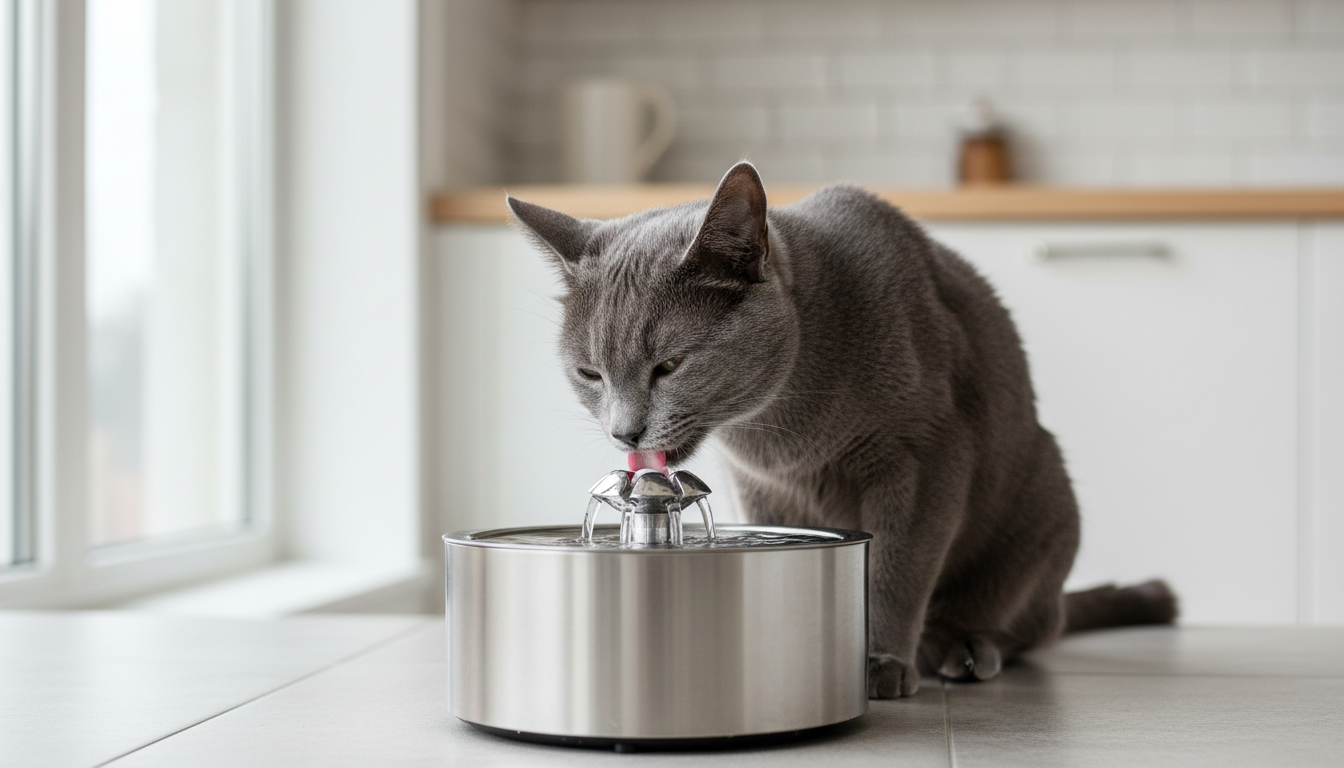
Encouraging better hydration does not require anything dramatic, but it does require a bit of intention. Many owners find that offering water in multiple locations, trying a pet fountain, or incorporating wet food into the diet makes a noticeable difference in how much their cat drinks over the course of a day. Small, consistent changes tend to work better than occasional big gestures, since cats respond well to routine.
- Place water bowls in several rooms rather than just one central spot
- Consider a circulating water fountain, since many cats prefer moving water
- Mix wet food into at least some meals to boost overall moisture intake
- Keep bowls very clean, since cats can be surprisingly picky about water freshness
- Avoid placing water bowls right next to the litter box, which many cats avoid
Diet Considerations for Supporting Kidney Health
Nutrition plays a meaningful role in supporting kidney function, both for healthy cats and for those already managing some decline. Lower phosphorus levels, moderate high-quality protein, and added moisture are common themes in diets designed with kidney support in mind, though the right approach always depends on your individual cat’s bloodwork and your vet’s specific recommendations. This is not a place for guesswork or for switching foods based on internet advice, since needs vary so much from cat to cat.
Russian Blues are sometimes described as food-motivated in a measured, routine-driven way, meaning they often do best with consistent feeding schedules and gradual diet transitions rather than abrupt changes. If your vet does recommend a therapeutic kidney diet at some point, expect to introduce it slowly over one to two weeks, mixing it with the current food in increasing amounts, since cats can be notoriously resistant to sudden dietary shifts.
It is worth repeating that no diet should be started specifically for kidney support without veterinary guidance, because some nutritional approaches that help one stage of kidney disease can be inappropriate or even harmful at another stage. Always loop your vet in before making any food changes if you suspect your cat’s kidneys may be struggling.
Why Stress Might Compound the Problem
Russian Blues are well known for being sensitive to changes in their environment, and this sensitivity to stress may have ripple effects beyond just behavior. Chronic stress can influence a cat’s eating and drinking habits, which indirectly affects hydration and kidney workload over time. A Russian Blue who stops eating normally after a household disruption, whether that is a move, a new pet, or even rearranged furniture, may inadvertently put extra strain on an already aging system.
Keeping a stable, predictable environment is not just good for your Russian Blue’s emotional wellbeing, it may also support better overall physical health by keeping appetite and water intake steady. This is one more reason why understanding your cat’s breed-specific temperament matters just as much as understanding its breed-specific health risks, since the two are often more connected than they first appear.
If you notice your Russian Blue going off food or water after a stressful event and the behavior does not resolve within a day or two, do not assume it will pass on its own. A vet visit is warranted, both to rule out a physical cause and to make sure the stress itself is not creating a secondary problem.

When to Seek Immediate Veterinary Care
While most kidney changes develop slowly, there are situations that call for urgent attention rather than a routine appointment. A cat who stops eating entirely, becomes lethargic and unresponsive, or shows signs of significant dehydration needs to be seen right away rather than monitored at home. These can be signs of an acute kidney crisis or another serious underlying problem, and delaying care in these situations can have real consequences.
If you see any of these signs in your Russian Blue, please contact your vet or an emergency animal hospital immediately rather than waiting to see if things improve. Acute kidney problems can escalate quickly, and prompt treatment often makes a significant difference in outcome.
- Complete loss of appetite lasting more than 24 hours
- Repeated vomiting, especially combined with lethargy
- Visible weakness or collapse
- Straining to urinate or producing very little urine
- Pale or yellowish gums
Living Well With Early-Stage Kidney Changes
A kidney disease diagnosis, especially one caught early, is not necessarily a reason to panic. Many cats live comfortably for years with well-managed early-stage kidney changes, particularly when owners stay consistent with diet, hydration, and follow-up bloodwork. The goal at this stage is to slow progression and support quality of life, not to chase a cure that current veterinary medicine cannot yet offer for chronic kidney disease.
Your vet will likely want to recheck bloodwork periodically to track how your Russian Blue is responding to any dietary or lifestyle changes, and this ongoing partnership between you and your veterinary team is really the backbone of long-term management. Try not to get discouraged if adjustments are needed along the way, since kidney management is rarely a one-and-done plan, it is an evolving process that shifts as your cat ages.
Russian Blues, with their calm and adaptable nature once they feel secure, often handle these changes better than owners expect. Sticking to a steady routine, keeping stress low, and following your vet’s guidance closely gives your cat the best chance at a comfortable, stable life even with some degree of kidney change present.

Building a Long-Term Monitoring Plan With Your Vet
The most effective approach to Russian Blue cat kidney health is not a single test or a single diet change, it is an ongoing relationship with a vet who knows your cat’s individual history and baseline values. Ask your vet about setting up a monitoring schedule that fits your cat’s age and risk factors, and keep records of bloodwork results over time so trends are easy to spot at a glance.
Bring a list of any behavior or appetite changes to each appointment, even ones that seem minor, since you know your Russian Blue’s normal patterns better than anyone else does. This kind of detailed, attentive partnership between owner and vet is often what makes the real difference in catching kidney issues early enough to act on them effectively.
- Schedule wellness bloodwork at least annually, twice yearly after middle age
- Keep a simple log of water intake, appetite, and litter box habits
- Mention any behavior changes to your vet, even subtle ones
- Avoid starting new diets or supplements without veterinary guidance
- Stick to a stable home routine to support healthy eating and drinking habits
This article is for general education and is not a substitute for care from your own veterinarian. Learn about The Pet Vet and our editorial policy.