
When your pet isn’t feeling well, finding online vet help now can be the fastest way to get answers and peace of mind without leaving home. Whether your dog has suddenly stopped eating, your cat is limping, or you’re unsure about a medication your vet prescribed, telehealth veterinary services connect you with licensed vets in minutes—not weeks.
Table of Contents
- Why Pet Owners Are Turning to Online Vet Help Now
- Understanding Pet Medications: When You Need Guidance
- Common Situations Where Online Vet Help Saves the Day
- How to Get Online Vet Help Now: Step-by-Step
- What to Expect When Discussing Medications Online
- Red Flags That Warrant Immediate Attention
- The Advantage of Asking a Vet Online Before Emergencies Happen
- Medication Safety Tips for Pet Owners
- When to Choose Telehealth vs. In-Person Visits
- Building a Relationship With Your Vet Through Telehealth
- Cost Considerations: Is Online Vet Help Affordable?
- Frequently Asked Questions
- What To Do Now
- Summary: Online Vet Help Is Here When You Need It
This article is for informational purposes only and is not a substitute for professional veterinary advice. Always consult a licensed veterinarian for diagnosis and treatment.
Pet parents know that worry doesn’t follow business hours. A concerning symptom might appear on a Sunday evening, or you might have a question about your pet’s current medication that can’t wait until Monday. That’s where modern veterinary telehealth steps in to bridge the gap between your concerns and professional guidance.
Why Pet Owners Are Turning to Online Vet Help Now
The rise of telehealth in veterinary medicine reflects a simple truth: pet emergencies don’t always happen during clinic hours. Many pet owners find themselves in situations where they need immediate guidance but don’t know if their concern warrants an expensive emergency room visit.
Telehealth offers a practical middle ground. You get professional veterinary input quickly, often at a fraction of the cost of an in-person emergency visit. This is especially valuable when you’re trying to decide whether your pet’s symptoms need urgent attention or can wait for a regular appointment.
Beyond convenience, online vet consultations reduce stress for anxious pets. Some animals become nervous in clinical settings, and a video or chat consultation lets your vet assess behavior in your pet’s natural environment.
Understanding Pet Medications: When You Need Guidance
Medications are a cornerstone of pet health management, but they can also be confusing. Questions about side effects, interactions, or whether you’ve given the right dose are perfectly normal—and exactly the kind of thing immediate vet consultation services handle daily.
Common medication concerns include:
- Understanding what a prescribed medication does and why your pet needs it
- Noticing unexpected changes in behavior or appetite after starting a new drug
- Wondering if your pet is experiencing side effects
- Figuring out what to do if you missed a dose
- Clarifying how to give medication if your pet refuses it
Rather than guessing or stopping medication without guidance, reaching out to a vet online gives you accurate information in real time. This is especially important because medication management directly impacts your pet’s recovery and long-term health.
Common Situations Where Online Vet Help Saves the Day
There are countless scenarios where having access to online vet help now prevents panic and ensures your pet gets the right care. Understanding these situations helps you know when to reach out.
After-hours health changes: Your dog vomits once at 10 PM—is this an emergency? A quick telehealth consultation can help you determine if you should monitor at home or head to an emergency clinic.
Medication side effects: Your cat started a new antibiotic and is acting drowsy. Is this normal? A vet can review the medication and your cat’s symptoms to reassure you or recommend next steps.
Behavioral concerns: Your puppy is suddenly anxious or aggressive. Before investing in training or behavioral medication, online vet for puppy anxiety consultations help rule out underlying medical issues.
Chronic condition management: You’re managing your dog’s diabetes or arthritis and want to discuss whether current medications are working well. Telehealth lets you check in without a full office visit.
Medication refill questions: You’re out of your pet’s regular medication and need clarification on whether you can use an alternative temporarily.
Catching these issues early puts you in a great position to help your pet recover faster.
How to Get Online Vet Help Now: Step-by-Step
The process is simpler than most pet owners expect. Here’s what typically happens when you seek telehealth veterinary care:
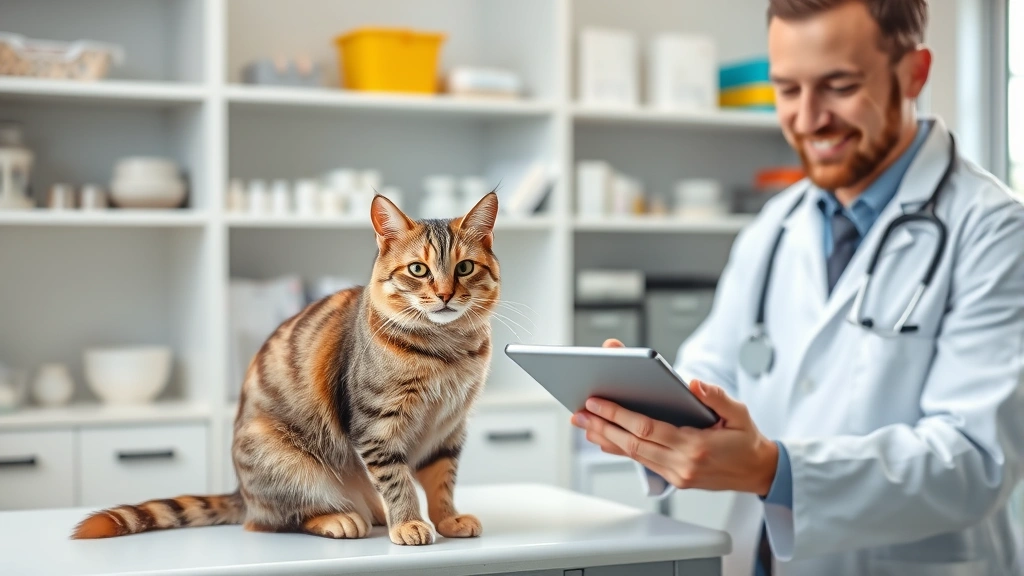
- Choose a platform: Select a reputable telehealth veterinary service like The Pet Vet that operates in your state and has licensed veterinarians available.
- Describe your concern: Provide details about your pet’s symptoms, medical history, and any medications they’re currently taking.
- Connect with a vet: You’ll be matched with an available licensed veterinarian, often within minutes.
- Share information: Be ready to describe what you’re observing and answer questions about your pet’s behavior, appetite, and recent changes.
- Receive guidance: The vet will provide recommendations, which might include monitoring at home, scheduling an in-person exam, or seeking emergency care.
If you are unsure whether your pet needs urgent care, a quick telehealth check-in can give you peace of mind — no appointment needed.
What to Expect When Discussing Medications Online
When you’re talking to a vet about your pet’s medications through telehealth, preparation helps the conversation go smoothly. Have your pet’s medication list ready, including the names, the reason each was prescribed, and when your pet started taking them.
Be specific about any changes you’ve noticed. Instead of saying “my dog seems off,” describe what that looks like: “My dog isn’t eating breakfast but is drinking water normally, and he’s been sleeping more than usual.”
The vet will ask questions to understand your pet’s full health picture. This context helps them determine whether what you’re seeing is a known side effect, a sign that medication needs adjusting, or something unrelated to the medication entirely.
If your pet is on multiple medications, the vet can also check for potential interactions—something especially important as pets age or develop new health conditions.
Red Flags That Warrant Immediate Attention
While telehealth is wonderful for many situations, some symptoms require immediate in-person emergency care. Knowing the difference protects your pet.
Seek emergency care immediately if your pet is experiencing:
- Difficulty breathing or gasping for air
- Loss of consciousness or extreme lethargy
- Severe bleeding or trauma
- Inability to move or paralysis
- Severe pain or distress
- Uncontrollable vomiting or diarrhea lasting more than a few hours
- Inability to urinate or defecate
- Signs of choking or airway obstruction
In these cases, skip the telehealth consultation and head directly to an emergency veterinary clinic. Time matters, and in-person evaluation and treatment are essential.
The Advantage of Asking a Vet Online Before Emergencies Happen
One of the smartest uses of online vet services is prevention. Getting professional input on early symptoms can sometimes prevent a situation from escalating into a true emergency.
For example, talking to a vet about puppy lethargy online when you first notice your pup seems less playful might reveal a simple issue—like needing more water or rest—rather than something serious. Early guidance often makes a difference.
This proactive approach also helps you understand your pet’s baseline. Vets can explain what’s normal for your specific dog or cat, which makes it easier to spot real changes later.
Medication Safety Tips for Pet Owners
Beyond using telehealth for questions, here are practical ways to keep your pet safe with medications:
- Keep a medication log: Write down when you give each medication and any observations about your pet’s response.
- Store medications properly: Follow storage instructions on the label—some medications need to be kept in cool, dark places.
- Don’t skip doses: Consistency matters. If you miss a dose, contact a vet for guidance rather than doubling up.
- Watch for changes: Monitor your pet’s appetite, energy, bathroom habits, and behavior after starting new medications.
- Ask about alternatives: If your pet refuses a medication or experiences side effects, ask your vet about other options.
- Keep records: Maintain a file of all medications your pet has taken, including dates and reasons, to help future vets understand your pet’s history.
When to Choose Telehealth vs. In-Person Visits
Both telehealth and in-person veterinary care have their place in your pet’s healthcare routine. Understanding when to use each ensures your pet gets the best care.
Telehealth works well for: Medication questions, behavioral concerns, follow-up questions about previous diagnoses, and deciding whether a symptom needs urgent attention.
In-person visits are essential for: Physical examinations, vaccinations, dental work, diagnostic testing like blood work or imaging, and any situation where the vet needs to examine your pet directly.
Many pet owners use telehealth as a first step. If the vet determines your pet needs physical examination or testing, they’ll recommend scheduling an in-person appointment. This approach saves time and money while ensuring nothing serious is missed.

Building a Relationship With Your Vet Through Telehealth
Consistent veterinary care builds better health outcomes for pets. Telehealth makes it easier to stay connected with your vet between regular appointments, which strengthens that relationship.
When you use online vet services regularly, your vet gets to know your pet’s personality, baseline health, and your concerns as a pet parent. This familiarity helps them provide more personalized care.
Over time, you develop confidence in knowing when to reach out and what to expect. You’re not just getting medical advice—you’re building a healthcare partnership that supports your pet’s wellbeing throughout their life.
Cost Considerations: Is Online Vet Help Affordable?
One major advantage of telehealth is affordability. A typical online consultation costs significantly less than an emergency room visit and often less than an urgent care clinic visit.
Most telehealth platforms charge per consultation, with no membership requirement. This means you pay only when you need help, making it accessible for pet parents on various budgets.
Additionally, getting quick answers can prevent unnecessary emergency visits. If a telehealth vet reassures you that your pet’s symptoms can be monitored at home, you avoid a costly emergency bill while still getting professional peace of mind.
Consider telehealth as preventive healthcare spending—a small investment that often saves money and stress in the long run.
Frequently Asked Questions
Can a vet prescribe medication through telehealth?
Yes, licensed vets can prescribe medications during telehealth consultations in most states. They’ll evaluate your pet’s symptoms and medical history, then send prescriptions to a pharmacy or mail-order service.
Is online vet help available 24/7?
Many telehealth platforms offer extended hours, including evenings and weekends, though 24/7 availability varies by service. Check your chosen platform’s hours to know when vets are available.
What if my pet needs blood work or imaging?
Telehealth vets can recommend testing and refer you to a local veterinary clinic for procedures. You’ll typically need an in-person visit for diagnostic testing.
How do I know if the vet is actually licensed?
Reputable telehealth platforms display veterinarian credentials and license information. Always verify that your vet is licensed in your state before the consultation.
Can telehealth replace my regular vet?
Telehealth complements regular veterinary care but shouldn’t completely replace it. Your pet still needs annual physical exams and preventive care from an in-person vet.
What To Do Now
- Identify your pet’s current medications: Gather all medication bottles and create a list with names, dosages, and reasons prescribed. This prepares you for any telehealth consultation.
- Research telehealth options: Look into reputable services like The Pet Vet, check licensing information, and read reviews from other pet owners.
- Bookmark telehealth contact information: Save your chosen service’s phone number or app on your phone so you can access it quickly if a concern arises.
- Schedule a regular vet appointment if you haven’t had one recently: Combine telehealth with routine in-person care for comprehensive pet health management.
- Keep a pet health journal: Start noting any changes in behavior, appetite, or energy. This information is invaluable when talking to vets online or in person.
Summary: Online Vet Help Is Here When You Need It
Finding online vet help now has transformed how pet parents access veterinary guidance. Whether you’re concerned about medication side effects, unsure if symptoms warrant emergency care, or simply need professional reassurance, telehealth connects you with licensed vets quickly and affordably.
The key is knowing when to use telehealth versus in-person care, preparing information about your pet’s health and medications, and recognizing true emergencies that require immediate clinic visits.
Your pet’s health is important, and you don’t have to navigate concerns alone. With modern telehealth options available, professional veterinary guidance is closer than ever—just a few clicks or a phone call away.
Start building your pet healthcare strategy today. Know your vet, stay informed about your pet’s medications, and don’t hesitate to reach out when questions arise. Your proactive approach to pet health makes all the difference in keeping your furry family member happy and healthy.