
Siamese cat vocalization is one of the first things new owners notice, and often one of the biggest surprises. These cats are known for being chatty, demanding, and remarkably expressive, using a wide range of sounds to communicate everything from hunger to loneliness to pure affection. This guide walks you through why Siamese cats talk so much, what different sounds typically mean, and when vocal changes might signal something worth a vet visit.
Table of Contents
- Why Siamese Cats Are So Vocal
- Common Sounds and What They Likely Mean
- Vocalizing as a Request for Attention
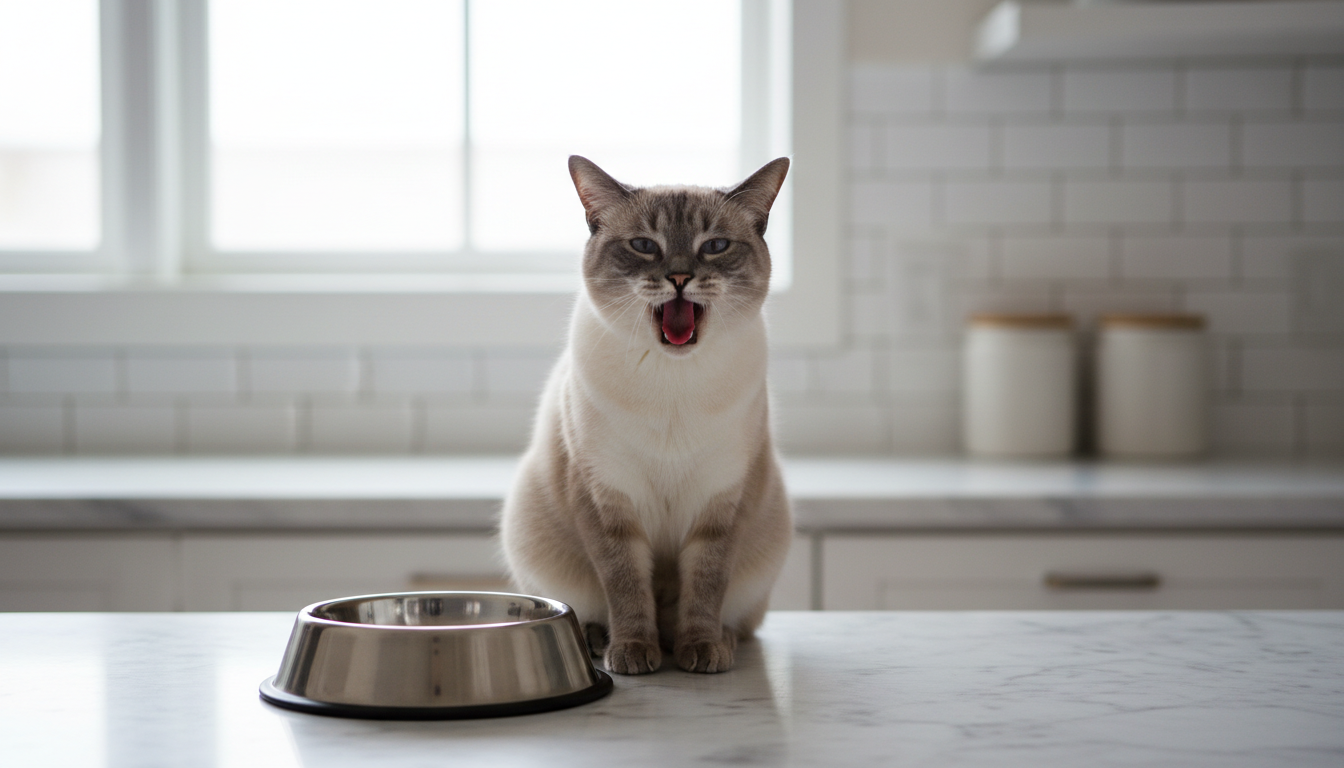
- Hunger and Mealtime Vocalization
- Loneliness and Separation-Related Vocalization
- Vocalizing During Heat Cycles
- When Vocalization Signals Pain or Illness
- Vocalization Linked to Cognitive Changes in Senior Cats
- Vocalizing Related to Stress or Environmental Changes
- How Breeding and Individual Personality Play a Role
- Managing Excessive Vocalizing Without Punishment
- Living Happily with a Talkative Cat
- When to Talk to Your Vet
Why Siamese Cats Are So Vocal
If you have ever lived with a Siamese cat, you already know they rarely do anything quietly. This breed has a long history of being bred for close human companionship, and that bond shows up as near-constant conversation. Unlike more reserved breeds who might meow once or twice a day, a Siamese can carry on what feels like an actual dialogue, responding to your voice, your movements, and even your tone.
Part of this comes down to genetics. Siamese cats are closely related to other naturally vocal breeds, and generations of selective breeding for an affectionate, people-oriented temperament seem to have reinforced the chatty trait right along with it. Their vocal cords and the way they use them often produce a distinctive raspy, almost raucous tone that many owners describe as “loud” compared to other cats’ softer mews.
It also comes down to personality. Siamese cats tend to be intelligent, social, and easily bored, and vocalizing is one of the main tools they have to get your attention. Whether they want food, play, a closed door opened, or just acknowledgment that you know they exist, a Siamese will usually tell you about it rather than wait patiently.
Common Sounds and What They Likely Mean
Siamese cats have a surprisingly varied vocal repertoire, and learning to tell the sounds apart can help you respond appropriately instead of guessing. Over time, most owners start to recognize patterns specific to their own cat, since each Siamese tends to develop its own personal “vocabulary” built around its favorite requests.
Paying attention to the context around the sound, such as time of day, location, and your cat’s body language, gives you the clearest picture of what they are trying to tell you.
- A short, sharp meow repeated quickly often signals urgent wants, like an empty food bowl or a desire to go outside
- A long, drawn-out yowl is frequently used to get attention from across the house or to express frustration
- Soft chirps or trills usually show friendliness, often used as a greeting when you walk into a room
- Low growls or hisses signal discomfort, fear, or a warning to back off
- Purring combined with soft meows often happens during calm bonding moments, like lap time or petting sessions
Vocalizing as a Request for Attention
Siamese cats bond strongly with their people, and many of them simply do not like being ignored. If you have ever had a Siamese meow persistently while you are on the phone, cooking, or trying to work, you have experienced this firsthand. These cats often view vocalizing as the most effective way to insert themselves into whatever you are doing.
This attention-seeking vocal behavior is rarely a sign of a problem on its own. It is simply part of how social this breed is, and it tends to be most intense in younger cats or those who do not have another companion animal to interact with throughout the day. Giving your Siamese consistent, predictable attention, even in short bursts, often reduces the constant demands for conversation.
Hunger and Mealtime Vocalization
Many Siamese owners report that their cat becomes especially talkative around mealtimes, sometimes starting well before the actual feeding time. This can turn into a learned behavior fairly quickly, since cats are excellent at recognizing patterns and will vocalize more if they learn that meowing gets food to appear faster.
It helps to set a consistent feeding schedule and avoid responding immediately every time your cat vocalizes near the food bowl, since this can unintentionally reinforce the behavior. Using a feeding routine with set times, rather than feeding on demand, often helps reduce excessive mealtime meowing over several weeks.
Loneliness and Separation-Related Vocalization
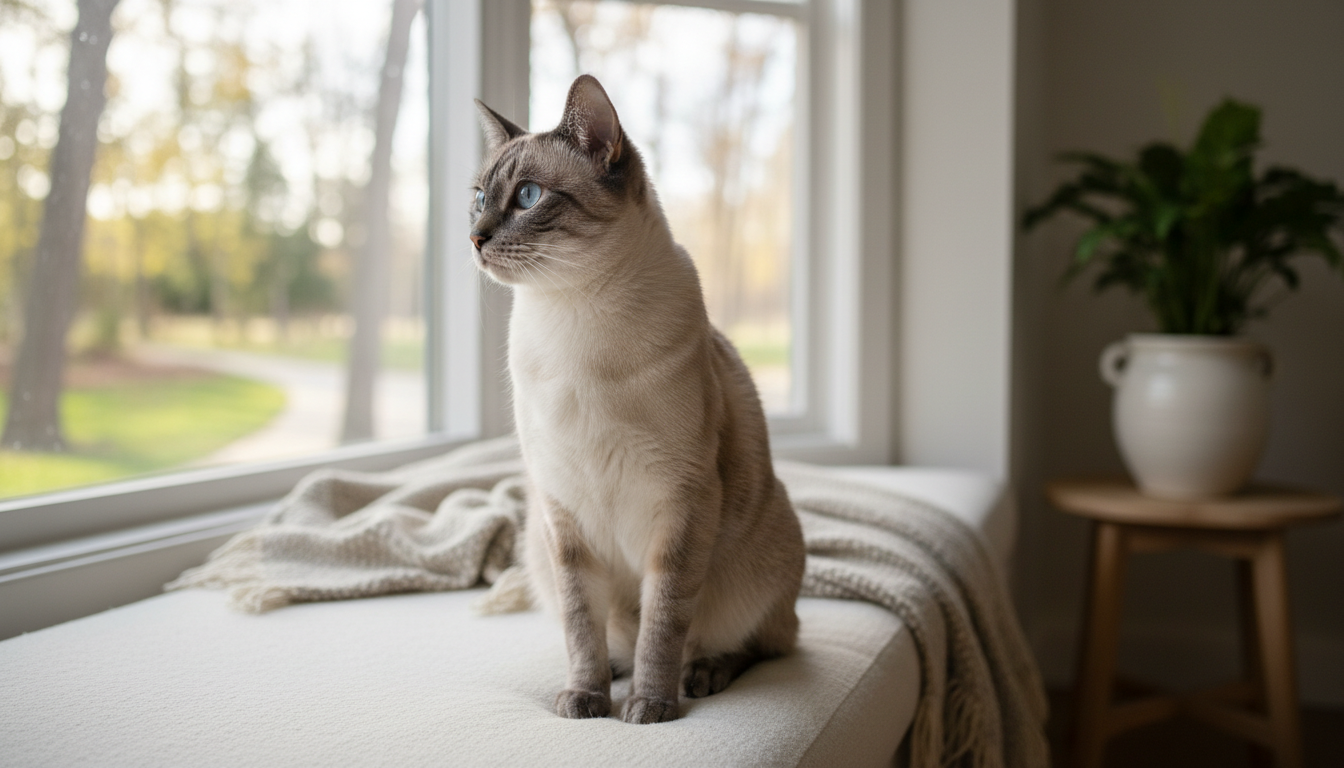
Siamese cats generally do not do well being left alone for long stretches, and vocalization is one of the clearest signs of this. Some Siamese cats become noticeably more vocal in the evenings when their owners return home after a long day, almost as if they are catching up on everything that happened while you were gone.
In more pronounced cases, a Siamese left alone frequently may develop what looks like separation anxiety, including excessive vocalizing, pacing, or even changes in appetite while you are away. If you notice your cat’s vocal behavior escalating specifically around your comings and goings, it is worth looking into enrichment options and, if the behavior is severe, discussing it with your vet.
- Leaving interactive toys or puzzle feeders out during work hours
- Considering a second cat companion if your household and current cat’s personality allow for it
- Using background noise, like a radio or television, to make the home feel less empty
- Keeping departures and arrivals low-key to avoid reinforcing anxious behavior
Vocalizing During Heat Cycles
Unspayed female Siamese cats are known for particularly loud, insistent vocalizing during heat cycles, and this is one of the more dramatic examples of breed-typical talkativeness turning intense. The yowling associated with heat can sound distressing and often happens at inconvenient hours, including overnight.
This type of vocalization is a normal reproductive behavior rather than a medical emergency, but it is also one of the many good reasons many owners choose to have their female cats spayed. If you are unsure whether your cat’s vocal behavior is heat-related or something else, your vet can help you figure out the cause and the best path forward.
When Vocalization Signals Pain or Illness
While a chatty Siamese is normal, a sudden change in the type, frequency, or tone of vocalization can sometimes point to an underlying health issue. Cats in pain often vocalize differently than usual, and this can be one of the earlier signs that something is wrong, especially in a breed that already talks a lot and where subtle changes might otherwise be missed.
If you notice any of these patterns, it is important to see a vet rather than assuming it is just normal Siamese chattiness. Changes in vocal behavior can sometimes be an early clue to conditions affecting senior cats, and catching them early generally leads to better outcomes.
- A sudden increase in yowling, especially at night, in an older cat
- New vocalizing that sounds strained, hoarse, or different in pitch
- Vocalizing paired with hiding, reduced appetite, or lethargy
- Crying out when using the litter box or jumping
- Vocal changes alongside noticeable weight loss or increased thirst
Vocalization Linked to Cognitive Changes in Senior Cats
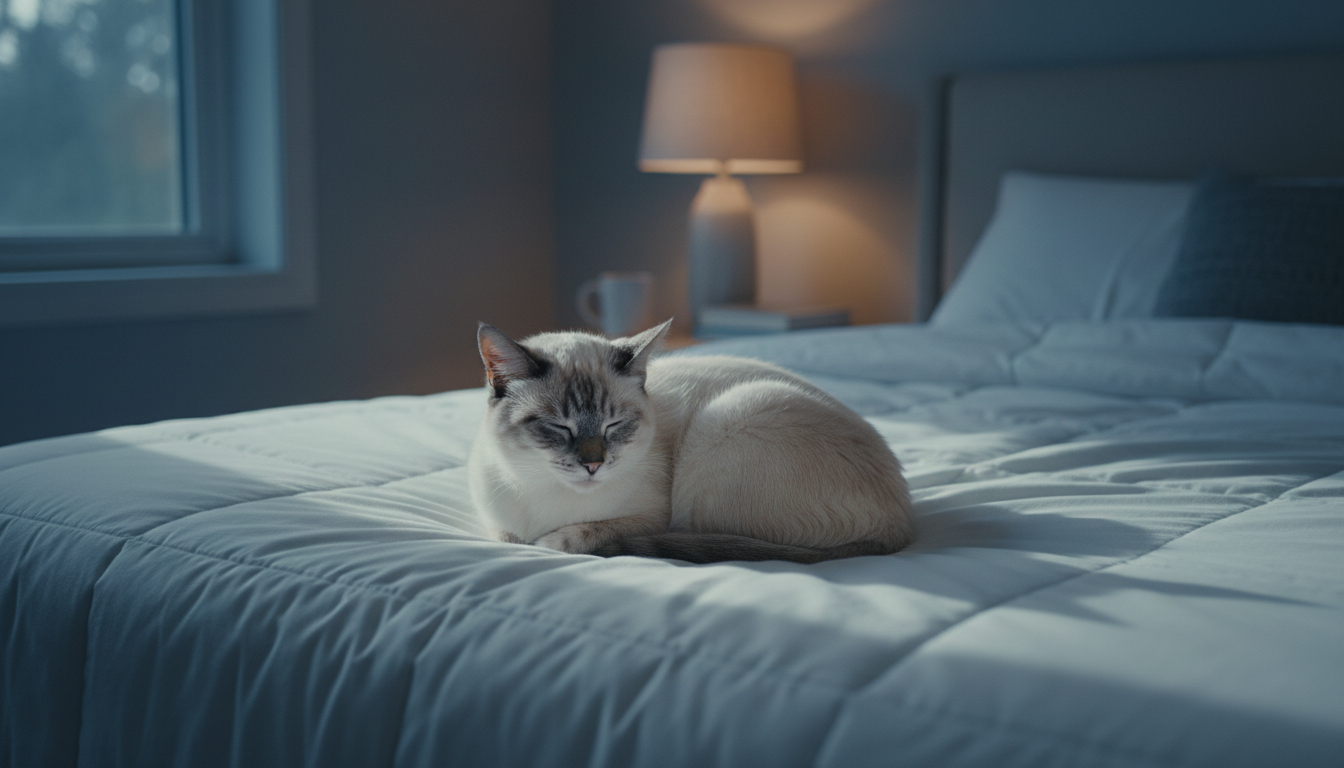
As Siamese cats age, some owners notice new or different vocal patterns that seem to appear out of nowhere, particularly at night. This can sometimes be related to normal aging, but it can also be associated with cognitive changes that affect older cats, similar to how memory and awareness can shift in aging humans.
Night-time yowling in a senior cat, especially when it seems disoriented or distressed rather than purposeful, is worth mentioning to your vet. They can help determine whether this is an age-related behavioral shift or something that might benefit from management, since there are ways to support senior cats experiencing these kinds of changes.
Vocalizing Related to Stress or Environmental Changes
Siamese cats are sensitive to their environment, and changes like moving to a new home, introducing a new pet, or even rearranging furniture can trigger a noticeable uptick in vocalizing. This is their way of processing unfamiliar surroundings and expressing unease about disruptions to their routine.
Giving your cat time to adjust, maintaining familiar routines where possible, and providing safe, quiet spaces during transitions can help reduce stress-related vocalizing. If the behavior does not settle down within a few weeks of a change, or if it seems to be getting worse rather than better, a vet visit can help rule out any underlying medical component.
How Breeding and Individual Personality Play a Role
Not every Siamese cat is equally vocal, and individual personality plays a real role alongside breed tendencies. Some lines and individual cats are noticeably louder and more insistent than others, and factors like early socialization, the home environment, and the presence of other pets can all shape how much a particular cat talks.
This means two Siamese cats raised in different households might have fairly different vocal habits, even though both fall well within the range of normal for the breed. Understanding your own cat’s baseline helps you more easily notice when something seems off compared to their usual chatter.
Managing Excessive Vocalizing Without Punishment
Because Siamese cats are so vocal by nature, many owners eventually look for ways to manage the behavior rather than eliminate it entirely, since expecting a Siamese to be quiet is generally unrealistic. The good news is that there are gentle, effective ways to work with this trait instead of against it.
Patience tends to pay off here, since harsh responses to vocalizing usually backfire with a breed this emotionally attuned to its owners.
- Providing plenty of physical and mental enrichment throughout the day
- Avoiding yelling or punishing vocalization, which often increases stress and worsens the behavior
- Rewarding calm, quiet behavior with attention and treats
- Sticking to consistent daily routines for feeding, play, and sleep
- Making sure your cat has company, whether human or feline, for a good portion of the day
Living Happily with a Talkative Cat
For many owners, the constant conversation is actually one of the most endearing things about sharing a home with a Siamese cat. Once you learn to interpret the different sounds, the vocalizing starts to feel less like noise and more like genuine communication, which is part of why so many people become devoted to this breed specifically.
Building a daily rhythm that includes dedicated play time, feeding consistency, and plenty of affection usually keeps vocal behavior at a manageable, even enjoyable level. Most owners find that a well-exercised, well-bonded Siamese settles into a predictable pattern of chatter that becomes a normal, comforting part of life together.
When to Talk to Your Vet
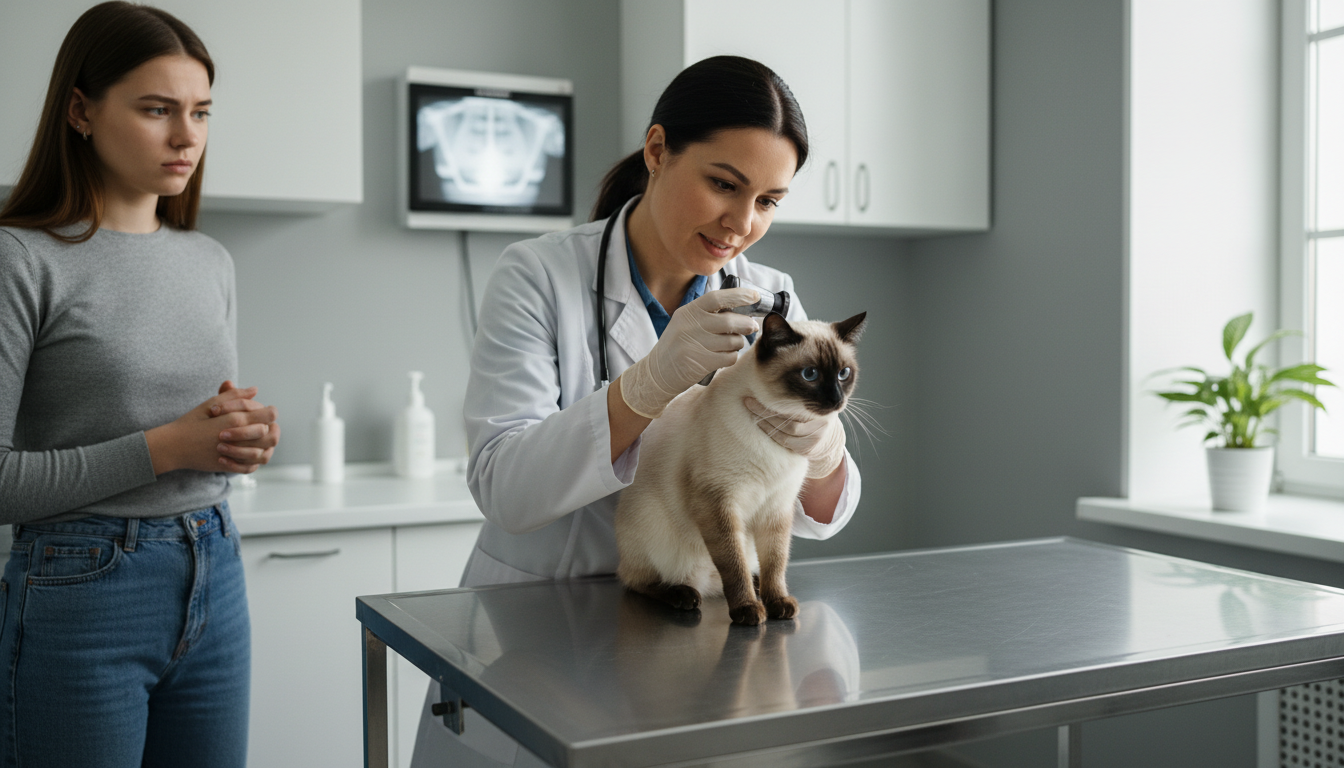
Because vocalization can be both a completely normal breed trait and, occasionally, a sign of a health issue, it is worth knowing when a conversation with your vet makes sense. Trust your instincts here, since you know your own cat’s normal patterns better than anyone else.
Your vet can help determine whether what you are seeing is simply Siamese being Siamese or something that needs further attention, and getting that reassurance is always worth the visit.
- Sudden changes in pitch, tone, or frequency of vocalizing
- Vocalizing paired with other symptoms like appetite changes, hiding, or lethargy
- New nighttime yowling in a senior cat
- Vocal behavior that seems distressed rather than typical attention-seeking
- Any vocal change that worries you or seems out of character for your cat
This article is for general education and is not a substitute for care from your own veterinarian. Learn about The Pet Vet and our editorial policy.