
Dental disease in cats is one of the most common health problems vets see, yet it’s also one of the easiest to miss. Cats are experts at hiding pain, so by the time you notice bad breath or trouble eating, the disease may already be advanced. This guide walks you through the stages of feline dental disease, the signs to watch for, and what treatment usually looks like so you can act before things get painful.
Table of Contents
- Why Dental Disease Is So Common in Cats
- The Stages of Dental Disease in Cats
- Early Warning Signs to Watch For
- Signs That Indicate More Advanced Disease
- How Vets Diagnose Dental Disease
- What Treatment Usually Involves
- Recovery After a Dental Procedure
- Preventing Dental Disease at Home
- Why Breed and Age Can Play a Role
- The Connection Between Dental Disease and Overall Health
- When to See a Vet
- Living With a Cat Prone to Dental Issues
Why Dental Disease Is So Common in Cats
Dental disease affects a huge number of adult cats at some point in their lives, and it tends to creep up quietly. Plaque forms on the teeth within hours of eating, and if it isn’t removed, it hardens into tartar within a few days. Once tartar builds up along the gumline, it creates the perfect environment for bacteria to irritate and eventually infect the gum tissue.
Cats are particularly good at masking discomfort because, in the wild, showing pain would make them vulnerable. This instinct hasn’t gone away just because your cat lives on a couch. A Russian Blue with early gum inflammation might still eat normally, groom normally, and act completely fine, all while the disease progresses beneath the surface.
Because the signs are so subtle at first, dental disease is often caught during a routine wellness exam rather than because an owner noticed something wrong. This is one of the main reasons vets recommend regular checkups even when your cat seems perfectly healthy.
The Stages of Dental Disease in Cats
Veterinary dentists generally describe feline dental disease in stages, starting with mild gingivitis and progressing toward severe periodontal disease. Understanding these stages can help you grasp why early intervention matters so much.
Once a cat reaches stage 3 or 4, extraction is frequently the only option for that particular tooth, since the supporting structure is too damaged to save. This is why vets push so hard for cleanings earlier in the process, when the damage can still be stopped or slowed.
- Stage 1, gingivitis: the gums appear red or slightly swollen along the tooth edge, but there’s no permanent damage yet and it’s often reversible with cleaning
- Stage 2, early periodontitis: minor loss of the bone and tissue supporting the tooth begins, though it may not be obvious without dental X-rays
- Stage 3, moderate periodontitis: noticeable bone loss, possible gum recession, and the tooth may start to feel loose
- Stage 4, advanced periodontitis: significant bone and attachment loss, often with visible tooth mobility, pain, and sometimes abscess formation
Early Warning Signs to Watch For
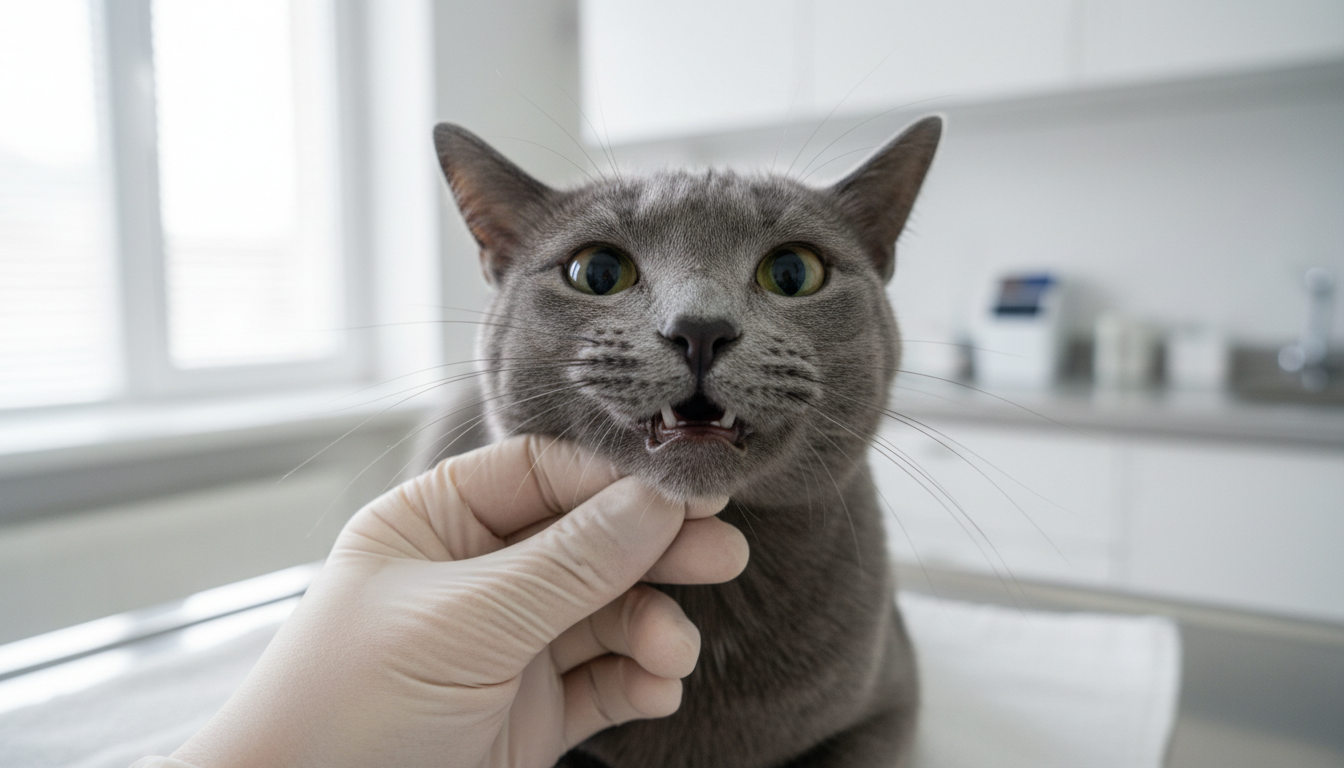
Because cats hide pain so well, you have to look for subtle clues rather than waiting for obvious distress. Bad breath is often the first sign owners notice, though many people mistakenly assume strong breath is just normal for cats. It isn’t, and persistent bad breath almost always points to something happening in the mouth.
Other early signs can include slightly red or puffy gums, a bit of drooling, or reluctance to let you touch their face. Some cats also start favoring one side of their mouth when they chew, or they may drop food more than usual. These changes can be so gradual that you only notice them in hindsight, once treatment has already started and your cat seems more comfortable.
- Persistent bad breath that doesn’t improve with brushing
- Red, swollen, or bleeding gums
- Drooling, sometimes with a slight pink tinge from bleeding gums
- Pawing at the face or rubbing the mouth against furniture
- Dropping food, chewing on one side, or turning away from dry kibble
Signs That Indicate More Advanced Disease
As dental disease progresses, the signs usually become harder to ignore. A cat that once ate normally may start approaching the food bowl but then walking away without eating much, a behavior that worried owners often describe as acting hungry but not actually eating. Weight loss can follow if the discomfort continues long enough to meaningfully reduce food intake.
You might also notice visibly loose or missing teeth, swelling along the jaw, or a foul odor that’s much stronger than typical cat breath. Some cats develop a draining tract near a tooth root, which looks like a small bump or sore on the face that may ooze. These are signs of significant infection and should be seen by a vet promptly rather than monitored at home.
Lethargy or a general change in temperament can also show up, since chronic pain affects mood just as it would in a person. A normally social cat may start hiding more or seem irritable when picked up, especially if you’re touching anywhere near the head or jaw.
How Vets Diagnose Dental Disease
A visual exam during a wellness visit is usually the first step, and your vet will look at the color of the gums, the amount of tartar buildup, and whether any teeth look loose or discolored. However, a lot of dental disease happens below the gumline, in the bone and root structures that simply can’t be assessed just by looking.
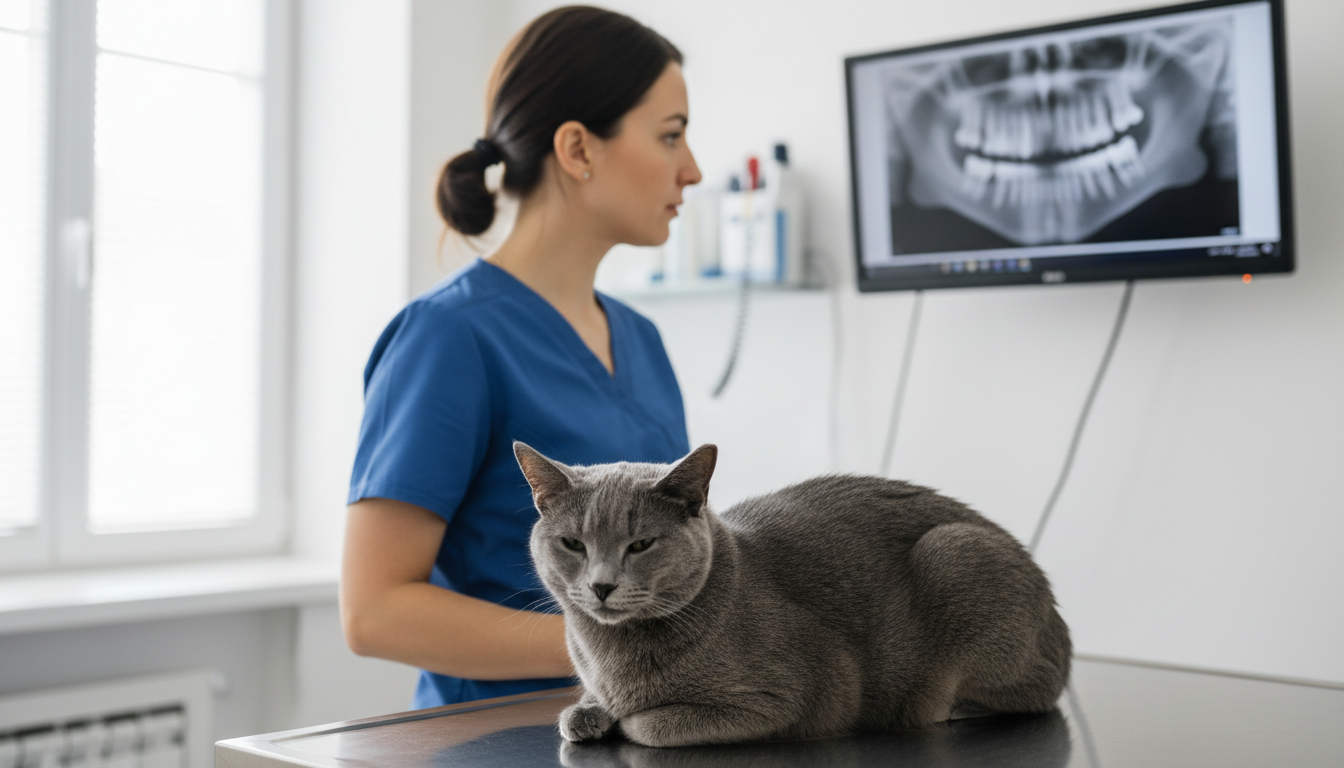
This is why dental X-rays, taken while your cat is under anesthesia, are such an important part of a full dental workup. They allow the vet to see bone loss, resorptive lesions, and root abscesses that would otherwise go completely undetected. Many cats who appear to have only mild tartar on the surface turn out to have much more extensive disease once X-rays are taken.
Your vet will also check for a condition called tooth resorption, which is surprisingly common in cats and involves the body slowly breaking down the structure of the tooth itself. This condition can be extremely painful and often isn’t visible without X-rays, which is another reason dental workups under anesthesia are so valuable.
What Treatment Usually Involves
Treatment depends heavily on how advanced the disease is at the time of diagnosis. For milder cases, a professional cleaning under anesthesia, along with polishing and a thorough exam, may be enough to bring the gums back to a healthy state. For more advanced cases, some teeth may need to be extracted because they’re too damaged to save.
Anesthesia is necessary for a proper dental cleaning because it allows the vet to clean below the gumline, take X-rays, and address any problem teeth safely and without causing stress or pain to your cat. Many owners feel nervous about anesthesia, which is understandable, but modern monitoring protocols make it quite safe for the vast majority of cats, and your vet will discuss any individual risk factors with you beforehand.
- Scaling and polishing to remove plaque and tartar above and below the gumline
- Full mouth dental X-rays to evaluate roots and bone
- Extraction of any teeth that are too diseased to save
- Pain management tailored to your cat’s needs during recovery
- A follow-up plan to prevent disease from progressing again
Recovery After a Dental Procedure
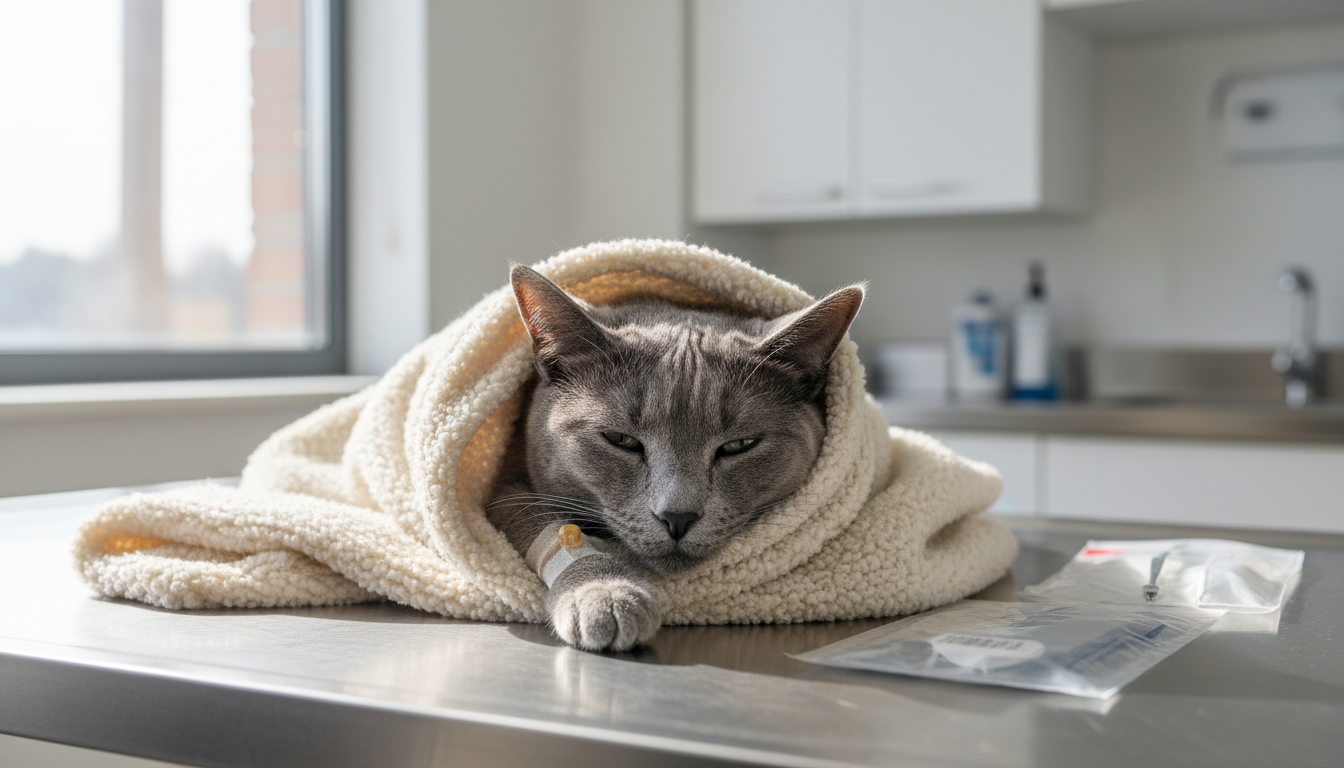
Most cats bounce back from a dental cleaning or extraction fairly quickly, often within a day or two. Your vet will likely send you home with pain relief and possibly a temporary change in diet, such as softer food, to make eating more comfortable while the gums heal. It’s normal for a cat to be a little groggy from the anesthesia for the rest of the day.
Watch for any signs that recovery isn’t going as expected, such as refusal to eat for more than a day, excessive drooling, or swelling that seems to be getting worse rather than better. These would be reasons to call your vet promptly rather than waiting to see if things improve on their own.
Most cats actually seem brighter and more energetic in the days following treatment, especially if they’d been living with undiagnosed pain for a while. Owners often tell their vet that their cat seems like a completely different animal once the source of chronic discomfort has been addressed.
Preventing Dental Disease at Home
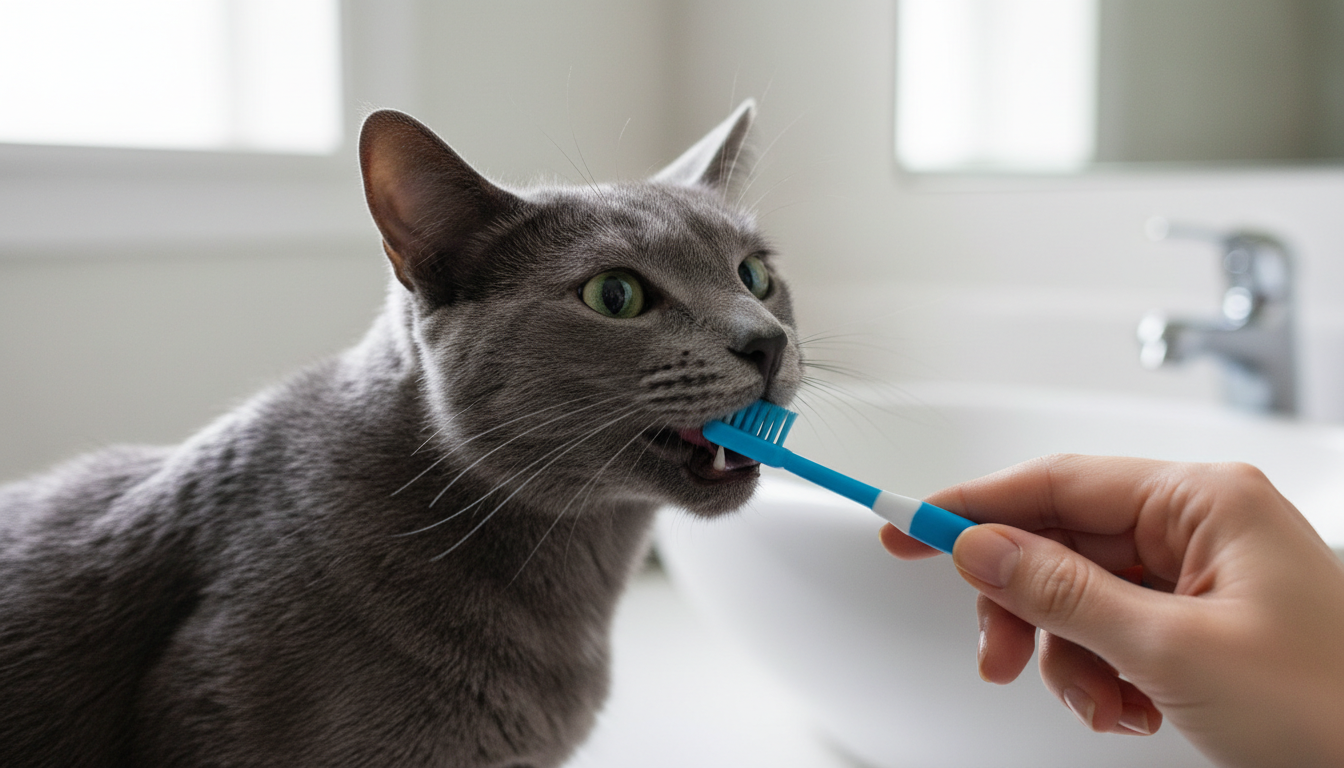
While professional cleanings are important, daily care at home makes a real difference in how quickly plaque turns into tartar. Brushing your cat’s teeth is the gold standard, though it takes patience and a gradual approach, especially if your cat has never experienced it before. Starting slowly, with a cat-specific toothpaste and short sessions, gives your cat time to adjust without feeling overwhelmed.
Not every cat will tolerate brushing, and that’s okay. There are other tools that can help reduce plaque buildup even if brushing isn’t realistic for your household.
- Daily or several-times-weekly brushing with a cat-safe toothpaste
- Dental-specific diets formulated to reduce plaque through texture and mechanical action
- Water additives designed to help reduce bacteria in the mouth
- Dental treats approved for plaque control, used alongside brushing rather than instead of it
- Regular at-home mouth checks so you notice changes early
Why Breed and Age Can Play a Role
While dental disease can affect any cat, age is one of the biggest factors, since plaque and tartar accumulate over the years if not addressed. Senior cats are far more likely to have significant dental disease simply because they’ve had more time for small problems to progress into bigger ones.
Some breeds, including Russian Blues, tend to have narrower jaws or crowded teeth compared to other cats, which can make plaque buildup more likely in certain areas of the mouth. This doesn’t mean every Russian Blue will develop severe dental problems, but it does mean regular dental checks are worth prioritizing rather than assuming your cat is in the clear just because they’re still young.
Genetics also play a role in how prone an individual cat is to conditions like tooth resorption, something researchers are still working to fully understand. Regardless of breed, the best approach is consistent monitoring paired with professional cleanings as recommended by your vet.
The Connection Between Dental Disease and Overall Health
Dental disease doesn’t stay contained to the mouth. Chronic oral infections can allow bacteria to enter the bloodstream, and over time this has been linked to stress on other organs, including the heart and kidneys. This is one of the reasons vets treat dental health as a core part of overall wellness rather than a cosmetic concern.
Cats with painful mouths often eat less, which can lead to weight loss and reduced muscle mass, especially in seniors who are already more vulnerable to those changes. Addressing dental disease early can help protect your cat’s appetite, energy, and overall quality of life well beyond just their teeth.
When to See a Vet
If you notice any signs of dental disease, from bad breath to visible redness along the gums, it’s worth scheduling a vet visit rather than waiting for the next annual exam. Early stages are far easier and less invasive to treat than advanced disease, and catching things sooner often means saving more teeth in the long run.
You should see a vet promptly if your cat stops eating, seems to be in pain, has visible facial swelling, or has a draining sore near the mouth, since these can indicate a more urgent infection. Never attempt to diagnose or treat dental disease on your own, and avoid giving any human pain medications, since many are unsafe for cats.
- Persistent or worsening bad breath
- Visible redness, swelling, or bleeding of the gums
- Reluctance to eat or noticeable weight loss
- Pawing at the mouth or face
- Facial swelling or a draining sore near a tooth

Living With a Cat Prone to Dental Issues
If your cat has a history of dental disease, ongoing management becomes part of their routine care rather than a one-time fix. This might mean more frequent professional cleanings than average, a lifelong dental diet, or daily brushing that becomes as normal as feeding time. It can feel like a lot at first, but most owners find it becomes second nature fairly quickly.
Keeping a simple log of your cat’s eating habits, breath, and behavior can help you and your vet track patterns over time and catch any changes early. This is especially useful for cats who’ve had extractions in the past, since you’ll want to watch closely for any new issues developing in the remaining teeth.
With consistent care, many cats with a history of dental problems go on to live comfortable, pain-free lives. The goal isn’t perfection, it’s staying ahead of the disease so your cat never has to suffer silently through something that’s very treatable when caught early.
This article is for general education and is not a substitute for care from your own veterinarian. Learn about The Pet Vet and our editorial policy.