
If your dog is displaying unexpected aggression, excessive anxiety, or destructive behaviors, it’s time to talk to vet about dog behavior problems before the situation escalates. Many pet owners feel overwhelmed when their beloved companion suddenly acts out of character, but the good news is that veterinary professionals have effective strategies—including behavioral modification and medication options—to help restore peace in your home.
Table of Contents
- Why You Should Talk to Your Vet About Dog Behavior Problems
- Common Dog Behavior Problems Worth Discussing With Your Vet
- Medical Conditions That Mimic Behavior Problems
- What to Expect When You Talk to Your Vet
- Behavioral Medication Options Your Vet Might Discuss
- The Role of Training and Behavior Modification
- When to Seek Urgent Help for Dog Behavior Problems
- Telehealth: A Convenient Way to Talk to Your Vet
- Creating an Action Plan With Your Vet
- Building a Support Network for Your Dog
- Related Concerns: Behavior and Physical Health
- Frequently Asked Questions
- What to Do Now
- Summary: Taking the First Step
This article is for informational purposes only and is not a substitute for professional veterinary advice. Always consult a licensed veterinarian for diagnosis and treatment.
Behavior problems in dogs rarely appear without reason. Whether your pup is lunging at other dogs, chewing furniture, or showing signs of separation anxiety, these actions often signal an underlying medical or psychological issue that deserves professional attention. Understanding when and how to reach out to your veterinarian is the first step toward helping your dog feel better and safer.
Why You Should Talk to Your Vet About Dog Behavior Problems
Your veterinarian is uniquely positioned to evaluate your dog’s behavior holistically. They can rule out medical conditions—such as thyroid imbalances, neurological issues, or chronic pain—that frequently masquerade as behavioral problems. A dog in pain might snap or become withdrawn; a dog with an overactive thyroid might display excessive energy or aggression.

Beyond medical screening, vets understand how medications, environmental factors, and training intersect to shape your dog’s actions. They’ll ask detailed questions about when the behavior started, what triggers it, and how it’s progressing. This detective work is essential because the root cause determines the treatment path.
Early intervention often prevents behaviors from becoming entrenched habits. Catching this early puts you in a great position to help your dog recover confidence and reduce stress.
Common Dog Behavior Problems Worth Discussing With Your Vet
Not every quirk requires a vet visit, but certain behaviors signal distress or dysfunction. Understanding which ones warrant professional guidance helps you act decisively.

- Aggression toward people or other animals: Any form of snapping, growling, or biting should be addressed immediately.
- Separation anxiety: Destructive behavior, excessive barking, or elimination when you leave indicates genuine distress.
- Excessive fear or phobias: Dogs that panic during storms, car rides, or vet visits may benefit from behavioral support.
- Obsessive behaviors: Repetitive licking, spinning, or tail-chasing can signal medical or anxiety-related issues.
- House training regression: Sudden accidents indoors often point to urinary tract infections or other health concerns.
- Destructive chewing: When targeted and compulsive, this may indicate anxiety or nutritional deficiencies.
- Excessive barking: Constant vocalization, especially when triggered by specific situations, warrants evaluation.
Medical Conditions That Mimic Behavior Problems
Before assuming your dog has a purely behavioral issue, your vet will screen for medical culprits. Conditions like hypothyroidism, cognitive dysfunction, or hormonal imbalances can trigger personality changes that look like misbehavior.
Pain is a silent driver of behavior change. A dog with arthritis might snap when touched; one with ear infections might shake their head obsessively. Dog neurological disorder symptoms can also present as unusual behaviors, making professional diagnosis critical.
Nutritional deficiencies and gastrointestinal discomfort also influence behavior. If your dog is experiencing digestive upset, they may act out. Learning about dog gastrointestinal issues and foods to avoid might reveal dietary triggers contributing to behavioral shifts.

What to Expect When You Talk to Your Vet
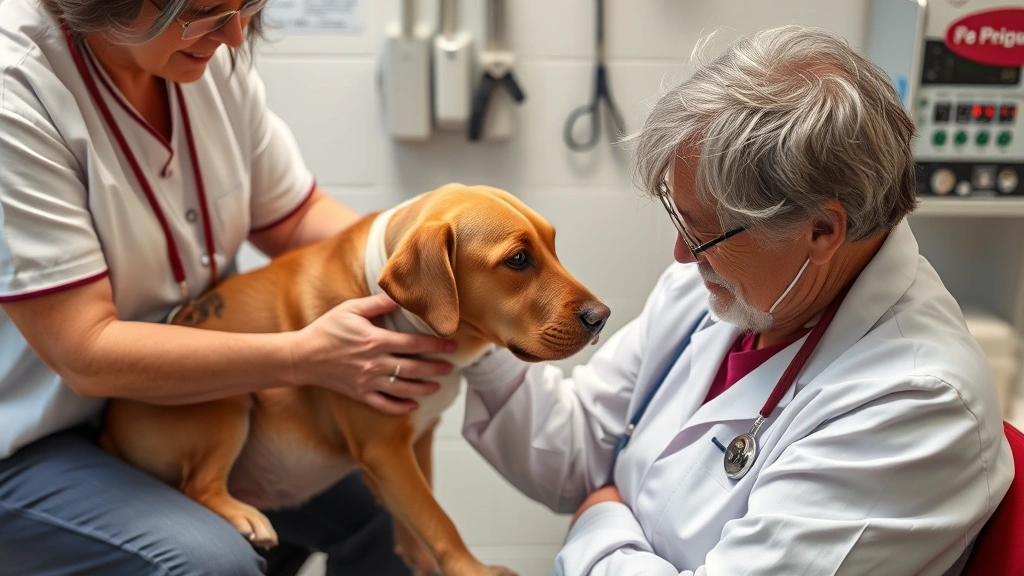
Your veterinary appointment will likely follow a structured approach. The vet will review your dog’s complete medical history, conduct a physical examination, and ask behavioral questions. Be prepared to describe the behavior in detail: when it started, what triggers it, how often it occurs, and how your dog responds to correction attempts.
Bring notes or videos if possible. Visual documentation helps your vet understand the severity and context. They may recommend bloodwork or other diagnostics to rule out medical causes before pursuing behavioral interventions.
If your dog is showing signs of stress-related behaviors like excessive paw licking, your vet can help determine if it’s medical or anxiety-driven. Resources like Can I Talk to a Vet About Dog Licking Paws Online show how accessible professional guidance has become, even for seemingly minor concerns.
Behavioral Medication Options Your Vet Might Discuss
Once medical issues are ruled out, your vet may discuss medication as part of a comprehensive behavior plan. These medications don’t “fix” behavior—they reduce anxiety or impulsivity enough that your dog can learn better responses through training and environmental management.
Your veterinarian will explain how different medication classes work and what to monitor. They’ll discuss potential side effects in plain language and establish a timeline for evaluating effectiveness. Medication often works best when combined with training, desensitization, and lifestyle adjustments.
The goal is always to use the lowest effective dose for the shortest necessary duration while addressing root causes through behavior modification.

The Role of Training and Behavior Modification
Medication is rarely a standalone solution. Your vet will likely recommend working with a certified professional dog trainer or veterinary behaviorist to address the underlying issues. Training teaches your dog new responses to triggering situations and rebuilds their confidence.
Environmental management is equally important. If your dog struggles with separation anxiety, gradual desensitization to your departures, combined with enrichment activities, can reduce panic. If aggression stems from fear, controlled exposure and positive reinforcement help your dog feel safer.
Your vet can refer you to qualified trainers and may even coordinate care with a veterinary behaviorist for complex cases.
When to Seek Urgent Help for Dog Behavior Problems
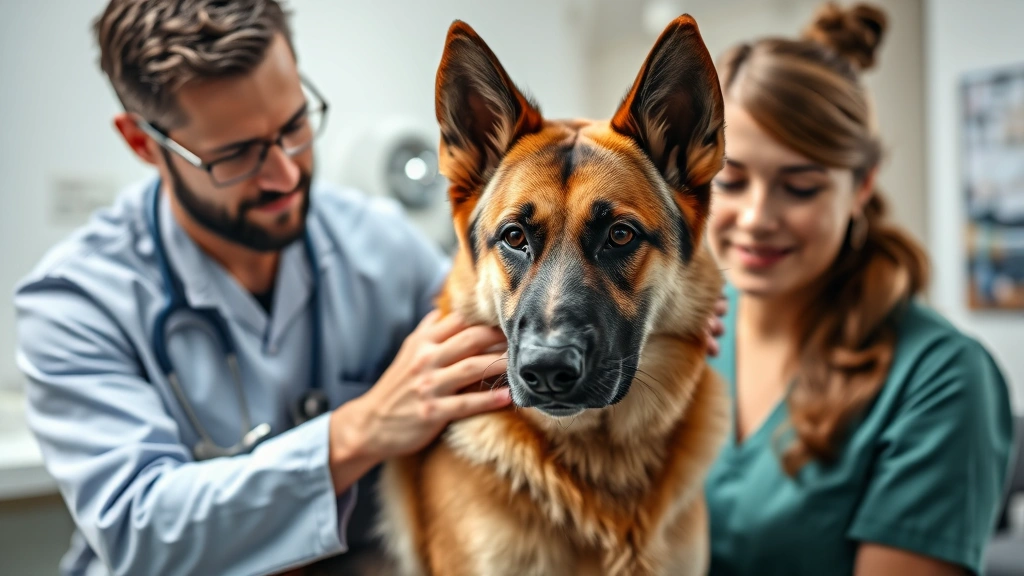
Some behavioral situations require immediate attention. If your dog has bitten someone, is showing escalating aggression, or poses a safety risk, contact your vet or an emergency clinic right away. These situations often benefit from professional assessment and intervention within hours, not days.
If your dog is self-injuring, refusing food, or showing signs of severe distress, don’t delay. Urgent behavioral crises sometimes indicate serious underlying medical emergencies that need prompt diagnosis.
Telehealth: A Convenient Way to Talk to Your Vet
If you’re unsure whether your pet needs urgent care, a quick telehealth check-in can give you peace of mind—no appointment needed. Many pet owners find it helpful to start with a virtual consultation to describe the behavior, ask initial questions, and get guidance on next steps.

Telehealth works especially well for initial behavior consultations, follow-up medication discussions, and behavioral progress check-ins. Your vet can assess your dog’s body language on video and provide recommendations from the comfort of your home. If in-person evaluation is needed, they’ll guide you toward scheduling an office visit.
The Pet Vet and similar platforms make it easier than ever to access professional guidance without the stress of a clinic visit—which can actually help anxious dogs feel calmer during the consultation process.
Creating an Action Plan With Your Vet
By the end of your consultation, you should have a clear action plan. This includes any recommended diagnostics, medication details (if applicable), training referrals, and environmental modifications. Your vet should explain the timeline for improvement and how you’ll monitor progress.

Ask about follow-up appointments to reassess. Behavior change takes time—typically weeks to months—so regular check-ins help your vet adjust the plan if needed. Write down key points and don’t hesitate to call with questions between visits.
Building a Support Network for Your Dog
Managing behavior problems is easier with support. Beyond your vet, consider connecting with certified trainers, behaviorists, and support groups for dog owners facing similar challenges. Online communities can provide encouragement and practical tips from people who’ve walked this path.
Your family members should understand the behavior plan and stay consistent with training techniques. Dogs thrive on predictability, so everyone in the household needs to respond the same way to triggers and reward good behavior uniformly.

Related Concerns: Behavior and Physical Health
Sometimes behavior problems overlap with physical health issues. For example, if your puppy is licking paws excessively, it could signal allergies, anxiety, or both. Similarly, if your dog isn’t eating, behavioral anxiety might be compounded by a medical issue—so discussing dog not eating concerns with your vet is important.
Even tremors and shaking can have behavioral or medical roots. Understanding when to talk to a vet about dog shaking helps you address your dog’s wellbeing comprehensively.
Frequently Asked Questions
How do I know if my dog’s behavior is a medical problem or a training issue?
Your vet can help distinguish between the two through a physical exam and medical history review. Medical problems often come with other signs like changes in appetite, energy, or bathroom habits, while purely behavioral issues typically appear without physical symptoms.

Are behavior medications safe for dogs?
Behavior medications prescribed by a veterinarian are generally safe when used as directed. Your vet will discuss potential side effects and monitor your dog during treatment to ensure the medication is working well and not causing problems.
How long does it take for behavior medication to work?
Most behavior medications take 2-4 weeks to show noticeable effects, though some dogs respond faster. Your vet will establish a timeline and may adjust dosing based on your observations during follow-up visits.
Can behavior problems be cured without medication?
Many behavior problems improve significantly with training, environmental management, and lifestyle changes alone. Your vet will recommend medication only if they believe it’s necessary to help your dog learn and respond to training.

What should I bring to my vet appointment for behavior concerns?
Bring notes about when the behavior started, what triggers it, and how often it occurs. Videos of the behavior are helpful, along with your dog’s complete medical history and any previous training attempts you’ve tried.
What to Do Now
- Schedule a vet appointment: Contact your veterinarian or use a telehealth service to discuss your dog’s behavior and get a professional evaluation scheduled.
- Document the behavior: Keep a detailed log of when the behavior occurs, what triggers it, and how your dog responds. Include video clips if possible to share with your vet.
- Rule out medical causes: Ask your vet about bloodwork or diagnostics that might identify underlying health issues contributing to the behavior.
- Explore training resources: Research certified professional dog trainers in your area and ask your vet for referrals to behaviorists if needed.
- Plan follow-up care: Once you have a diagnosis and treatment plan, schedule follow-up appointments to monitor progress and adjust strategies as needed.
Summary: Taking the First Step
When your dog displays behavior problems, reaching out to talk to vet about dog behavior problems is one of the most important decisions you can make. Your veterinarian brings medical expertise, behavioral knowledge, and access to resources that can genuinely transform your dog’s quality of life.
Whether the issue is rooted in anxiety, medical illness, or learned behavior, professional guidance clarifies the path forward. Combined with training, environmental adjustments, and sometimes medication, most dogs show significant improvement. You’re not alone in this journey—veterinary professionals are ready to help your dog feel safe, confident, and happy again.
Take action today by reaching out to your vet. Your dog is counting on you, and help is closer than you might think.