
If you’ve noticed your dog tilting their head to one side and it won’t straighten out, you might be dealing with torticollis in dogs—a condition where the neck muscles contract abnormally, causing that distinctive head tilt. It’s understandably worrying to see your furry friend uncomfortable, but the good news is that with proper veterinary care, many dogs respond well to treatment and can return to their normal, happy selves.
Table of Contents
- What Is Torticollis in Dogs?
- Common Causes of Torticollis in Dogs
- Recognizing the Symptoms of Torticollis
- Diagnostic Approach Your Vet Will Take
- Treatment Options Beyond Medication
- Medication Approaches for Managing Torticollis
- Recovery Timeline and What to Expect
- When to Seek Emergency Veterinary Care
- Supporting Your Dog at Home During Recovery
- Long-Term Outlook and Prevention
- Frequently Asked Questions
- What To Do Now
- Summary
This article is for informational purposes only and is not a substitute for professional veterinary advice. Always consult a licensed veterinarian for diagnosis and treatment.
What Is Torticollis in Dogs?
Torticollis, sometimes called wry neck, is a condition characterized by involuntary contraction of the neck muscles on one side of the body. This causes the head to tilt persistently toward the affected side, and in some cases, the neck may twist slightly. Unlike a quick head tilt your dog might do out of curiosity, torticollis is a sustained, often uncomfortable position that your dog cannot easily correct on their own.
The condition can develop suddenly or gradually, depending on the underlying cause. Some dogs experience mild discomfort, while others may show signs of pain or difficulty moving their neck. The important thing to remember is that catching this early puts you in a great position to help your dog recover faster.
Common Causes of Torticollis in Dogs
Understanding what triggers torticollis is the first step toward effective treatment. Several conditions can lead to this neck abnormality:
- Vestibular disease: Problems with the inner ear or balance system often cause head tilting. Learn more about canine vestibular disease and how it affects your dog’s coordination.
- Muscle strain or injury: Trauma, whiplash, or overexertion can inflame neck muscles.
- Infections: Ear infections, meningitis, or other infections affecting the nervous system may trigger the condition.
- Spinal issues: Disc herniation or other spinal problems can cause muscle contractions.
- Toxins or medications: Certain substances can affect muscle control and cause torticollis-like symptoms.
- Neurological disorders: Brain tumors, stroke, or other neurological conditions may be responsible.
- Idiopathic causes: Sometimes vets cannot pinpoint an exact cause, but treatment still helps.
Your veterinarian will perform a thorough examination and may recommend diagnostic tests to identify the root cause before recommending a treatment plan.
Recognizing the Symptoms of Torticollis
The most obvious sign is a persistent head tilt, but there are other symptoms to watch for. Your dog may show reluctance to move their neck, difficulty eating or drinking, or signs of pain when touched on the neck. Some dogs become disoriented, lose their balance, or show weakness in their limbs.
Additional signs may include:
- Nausea or vomiting (especially if vestibular-related)
- Circling or rolling to one side
- Drooping eyelids or facial asymmetry
- Reluctance to play or move around
- Sensitivity to light or sound
If you notice any of these symptoms, don’t panic—early intervention makes a real difference. If you are unsure whether your pet needs urgent care, a quick telehealth check-in can give you peace of mind—no appointment needed.
Diagnostic Approach Your Vet Will Take
To properly diagnose torticollis in dogs, your veterinarian will start with a detailed physical and neurological exam. They’ll assess your dog’s posture, gait, reflexes, and cranial nerve function to narrow down the cause. This hands-on evaluation is crucial because torticollis is a symptom, not a diagnosis—the underlying cause determines the best treatment approach.
Depending on what your vet finds, they may recommend blood work, ear cultures, spinal imaging (X-rays or MRI), or other diagnostic tests. These investigations help rule out serious conditions and guide medication selection. Don’t hesitate to ask your vet to explain what they’re looking for and why each test matters for your dog’s care.
Treatment Options Beyond Medication
While medications play an important role, a comprehensive treatment plan often includes supportive care measures. Rest is fundamental—limiting your dog’s activity while their neck heals prevents further strain and allows inflammation to subside. You might notice improvement within days if the cause is muscle-related.
Physical therapy and gentle stretching, guided by your vet or a rehabilitation specialist, can help restore normal neck mobility. Some dogs benefit from heat therapy or massage to ease muscle tension. Environmental modifications, like using raised food and water bowls, reduce the strain of eating and drinking while your dog recovers.
In cases where an underlying infection is present, addressing that infection directly is essential. For instance, treating an ear infection may resolve torticollis-related symptoms within weeks.
Medication Approaches for Managing Torticollis
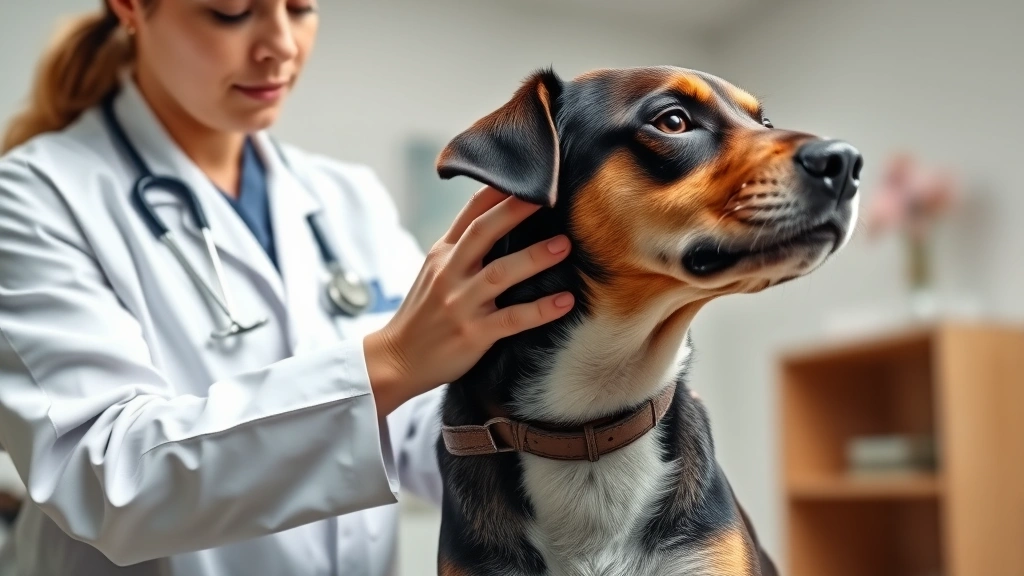
Medications are tailored to address the specific cause of your dog’s torticollis. Your veterinarian will select drugs based on diagnostic findings, your dog’s age, weight, and overall health. Here are the general categories of medications that may be recommended:
Anti-inflammatory medications: These reduce swelling and pain in affected muscles and nerves. They’re often the first-line treatment for muscle-related torticollis and help your dog feel more comfortable during recovery.
Muscle relaxants: These medications ease muscle tension and involuntary contractions, allowing your dog’s neck to return to a more normal position. They work by calming overactive muscle signals.
Antibiotics: If infection is the underlying cause—such as ear infection or meningitis—appropriate antibiotics target the bacterial or fungal culprit. Treating the infection often resolves the torticollis as a secondary benefit.
Anticonvulsants: In cases where neurological disorders are involved, these medications may help stabilize nerve signals and reduce abnormal muscle contractions.
Corticosteroids: For severe inflammation or immune-mediated causes, short-term corticosteroid therapy may be considered to reduce swelling rapidly.
Vestibular medications: If your dog’s torticollis stems from inner ear problems, medications that address nausea and dizziness can make them more comfortable while the underlying condition resolves. Explore more about vestibular disease treatment to understand this connection better.
Pain management: Depending on severity, your vet may recommend pain relief to keep your dog comfortable during recovery and encourage normal movement.
Your veterinarian will never prescribe specific dosages in an initial consultation without a full examination. The right medication, dose, and duration depend entirely on your individual dog’s situation.
Recovery Timeline and What to Expect
Recovery from torticollis varies widely depending on the cause. Muscle-strain cases may improve within 1–2 weeks with rest and anti-inflammatory medication. Vestibular-related torticollis often shows improvement within 2–4 weeks as the inner ear inflammation subsides, though some dogs take longer to fully regain balance.
Infection-related torticollis may resolve as soon as the infection clears—sometimes within days of starting appropriate antibiotics. Neurological causes may require longer-term management, and some dogs may experience residual head tilt even after successful treatment.
Throughout recovery, monitor your dog’s progress and keep regular follow-up appointments with your vet. Don’t be discouraged if improvement is gradual—many dogs make full or near-complete recoveries with patience and consistent care.
When to Seek Emergency Veterinary Care
While torticollis itself is usually not an immediate emergency, certain accompanying symptoms warrant urgent attention. If your dog shows sudden severe pain, inability to stand or walk, loss of consciousness, or difficulty breathing, seek emergency care immediately.

Also contact your vet urgently if your dog develops a high fever, seizures, or worsening neurological signs. These could indicate serious underlying conditions like meningitis or stroke that require prompt intervention. Trust your instincts—if something feels wrong beyond the head tilt, don’t wait for a routine appointment.
Supporting Your Dog at Home During Recovery
Your care at home is just as important as veterinary treatment. Keep your dog in a calm, quiet environment to reduce stress and prevent re-injury. Limit jumping, running, and rough play until your vet gives the all-clear.
Here are practical steps to support your dog’s healing:
- Use raised food and water bowls to minimize neck strain while eating and drinking.
- Apply warm compresses to the affected neck area for 10–15 minutes several times daily (if your vet approves) to ease muscle tension.
- Administer medications exactly as prescribed, even if your dog seems to improve quickly.
- Gently restrict your dog’s activity—short, controlled walks on a leash are fine, but avoid off-leash play.
- Watch for signs of improvement and report any changes to your veterinarian at follow-up visits.
Your attentive care and consistency with treatment significantly improve your dog’s chances of a full recovery.
Long-Term Outlook and Prevention
Many dogs recover completely from torticollis with proper treatment. The long-term outlook depends on the underlying cause—muscle-related cases typically have the best prognosis, while neurological causes may require ongoing management.
To help prevent torticollis in the future, maintain your dog’s overall health through regular vet check-ups, keep their ears clean and infection-free, and avoid situations that could cause neck trauma. For senior dogs, understanding conditions like aging dog dementia care can help you recognize neurological changes early.
If your dog has experienced torticollis before, be extra vigilant about early warning signs. Quick action at the first hint of a persistent head tilt can prevent the condition from worsening.
Frequently Asked Questions
Can torticollis in dogs go away on its own?
Some mild cases may improve with rest, but most benefit from veterinary treatment. The underlying cause determines whether self-resolution is possible or if medication and care are necessary.
Is torticollis painful for dogs?
Torticollis can range from mildly uncomfortable to quite painful, depending on the cause and severity. Your vet can recommend pain management to keep your dog comfortable.
How long does it take for medication to work?
Some dogs show improvement within days, while others take 2–4 weeks. The timeline depends on the underlying cause and how your dog’s body responds to treatment.
Will my dog’s head tilt go away completely?
Many dogs recover fully, but some may retain a slight residual tilt even after successful treatment. This usually doesn’t affect their quality of life or function.
Can I treat torticollis at home without seeing a vet?
No—torticollis requires professional diagnosis to identify the underlying cause. Home care supports veterinary treatment but cannot replace it.
What To Do Now
If you suspect your dog has torticollis, here are your next steps:
- Schedule a veterinary appointment: Contact your vet as soon as possible for a thorough examination and diagnostic evaluation.
- Document symptoms: Note when the head tilt started, any triggering events, and other symptoms your dog is showing to share with your vet.
- Limit activity: Keep your dog calm and restrict strenuous activity until your vet gives clearance.
- Prepare for diagnostics: Be ready for your vet to recommend blood work, imaging, or other tests to pinpoint the cause.
- Follow the treatment plan: Once your vet prescribes medications and care instructions, stick to them consistently for the best results.
Summary
Torticollis in dogs is a treatable condition that, while concerning, responds well to proper veterinary care when caught early. Whether caused by muscle strain, infection, vestibular disease, or neurological issues, your vet can identify the root cause and recommend targeted medications and supportive care. With consistent treatment, most dogs recover fully or significantly improve, returning to their normal, happy lives. Don’t delay—reach out to your veterinarian today if you notice a persistent head tilt or other concerning symptoms. Your dog’s comfort and recovery depend on prompt, professional care.