
If you own an Australian Shepherd, the MDR1 gene mutation is something you need to know about long before your dog ever needs medication. This inherited trait affects how certain drugs move through your dog’s body, and for some Aussies, it can turn routine treatments into emergencies. Understanding what MDR1 means, how it’s tested, and how to work with your vet can help keep your dog safe for life.
Table of Contents
- What Is the MDR1 Gene Mutation?
- Why Australian Shepherds Are at Higher Risk
- How the Mutation Affects Drug Metabolism
- Common Medications That Can Be Dangerous
- Ivermectin and Other Parasite Preventives
- Signs of Drug Toxicity to Watch For
- How MDR1 Status Is Tested
- What to Do Before Surgery or Anesthesia
- Living With an MDR1-Positive Dog
- Talking to Your Veterinarian About MDR1
- Breeding Considerations and MDR1
- Diet, Supplements, and General Safety Tips
- Emergency Steps If You Suspect Toxicity
- Long-Term Outlook for MDR1-Affected Dogs
- When to See a Vet Immediately
What Is the MDR1 Gene Mutation?
MDR1 stands for multidrug resistance gene 1, and it plays a critical role in producing a protein called P-glycoprotein. This protein acts like a security guard at the blood-brain barrier, pumping certain drugs and toxins out of the brain before they can build up to harmful levels. In dogs with a normal, functioning MDR1 gene, this pump works efficiently and keeps sensitive brain tissue protected from many common medications.
In dogs with the MDR1 mutation, that protective pump doesn’t work properly or doesn’t work at all. This means that certain drugs can accumulate in the brain at much higher concentrations than they would in a dog without the mutation. The result can range from mild sedation to severe, life-threatening neurological reactions, even when a medication is given at a dose that would be perfectly safe for another dog.
Why Australian Shepherds Are at Higher Risk
The MDR1 mutation is especially common in herding breeds, and Australian Shepherds are one of the breeds most frequently affected. This isn’t a random health issue that pops up occasionally; it’s a genetic trait that has been passed down through generations of herding dog bloodlines. Other related breeds, such as Collies, Shelties, and Old English Sheepdogs, share this same genetic vulnerability.
Because the mutation is inherited, an individual Aussie can be unaffected, a carrier, or fully affected depending on which genes they received from each parent. This is why two Australian Shepherds from different litters, even from the same breeder, can react completely differently to the exact same medication. Knowing your own dog’s genetic status is the only reliable way to predict how they might respond.
How the Mutation Affects Drug Metabolism
When P-glycoprotein isn’t working correctly, drugs that are normally pumped out of the brain instead linger there. This buildup can affect the central nervous system in ways that are unpredictable and sometimes severe. A medication dose that a vet calculates based on body weight alone may not account for this hidden genetic factor.
This is one of the main reasons vets now recommend genetic testing for herding breeds before prescribing certain drug classes. It’s not about avoiding medication altogether; it’s about choosing the right drug, adjusting how it’s given, or monitoring more closely when a sensitive dog needs treatment. Your veterinarian is the only person who should be making these calls based on your dog’s specific test results and health history.
Common Medications That Can Be Dangerous
Several classes of medications have been linked to problems in dogs with the MDR1 mutation. These aren’t necessarily unsafe for all dogs, but they require extra caution and often a different approach in Aussies with the mutation. Some sedatives, certain chemotherapy drugs, and specific anti-diarrheal medications fall into this category.
It’s important to understand that this list isn’t something you should use to self-diagnose or avoid medications on your own. Always disclose your dog’s breed and, if known, their MDR1 status to any veterinarian treating them, including emergency vets who may not have your dog’s full history.
- Certain sedative and anesthesia-related drugs
- Some chemotherapy medications
- Specific anti-diarrheal drugs
- Certain heart medications
- Some pain management drugs used post-surgery
Ivermectin and Other Parasite Preventives
Ivermectin is one of the most well-known concerns for MDR1-affected dogs. At the low doses used in most commercial heartworm preventives, reactions are uncommon, but higher doses used for other purposes, such as treating certain mite infestations, carry a much greater risk for dogs with the mutation. This is why it’s essential to only use parasite preventives that your vet has specifically approved for your Australian Shepherd.
Never assume that a product is safe just because it’s labeled for dogs in general. Some over-the-counter or livestock formulations contain ivermectin concentrations that are far too high for a sensitive dog, even in small amounts. Always run any new parasite prevention product past your veterinarian first, especially if your dog’s MDR1 status is unknown.
Signs of Drug Toxicity to Watch For
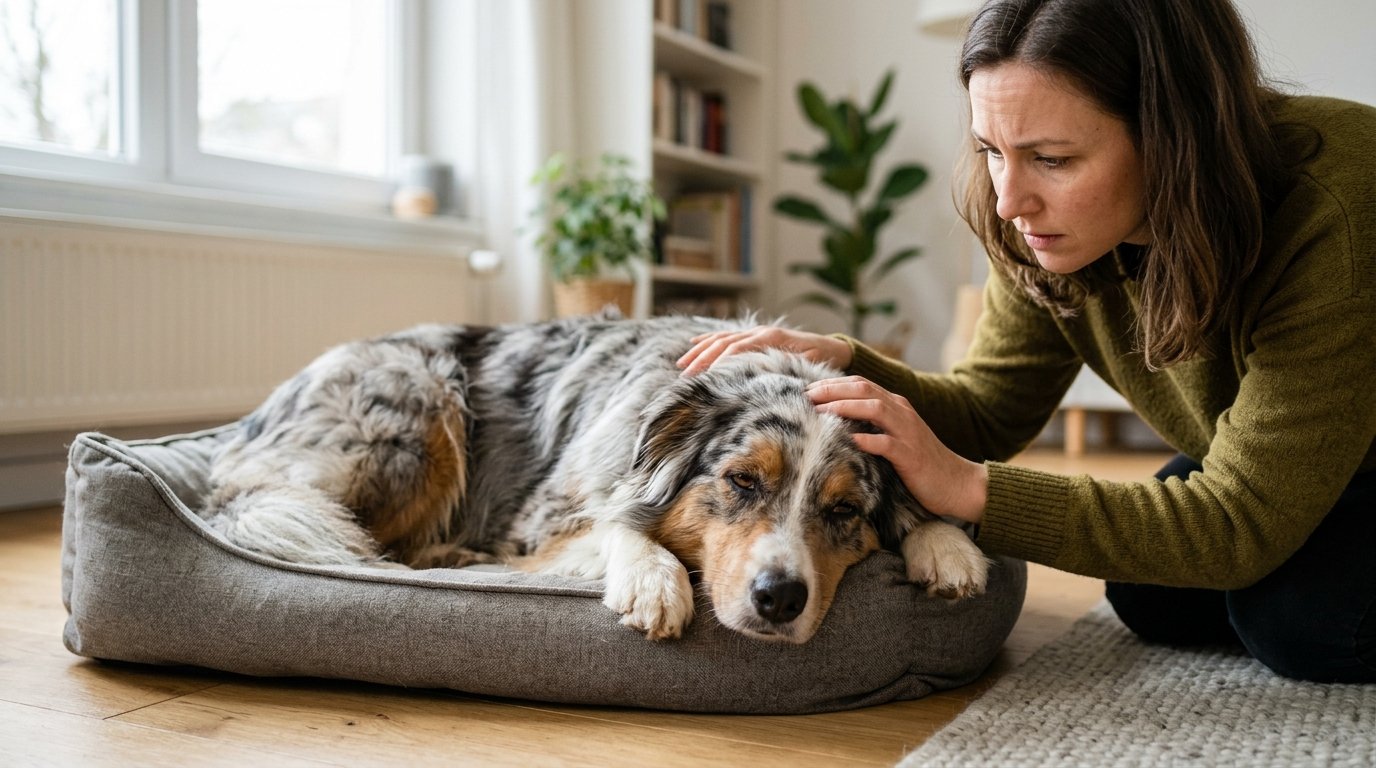
If your Australian Shepherd has been given a medication and something seems off, don’t wait to see if it resolves on its own. Neurological symptoms can escalate quickly in sensitive dogs, and early veterinary intervention makes a real difference in outcome. Trust your instincts if your dog seems unusually disoriented or unwell after any new medication.
Reactions can appear within hours of a dose, though timing can vary depending on the drug involved. If you notice any of the following signs after a medication change, contact your vet or an emergency animal hospital right away rather than waiting for a scheduled appointment.
- Excessive drooling or salivation
- Wobbliness or loss of coordination
- Tremors or uncontrolled shaking
- Dilated pupils
- Unusual lethargy or unresponsiveness
- Vomiting that doesn’t resolve
- Difficulty breathing
How MDR1 Status Is Tested
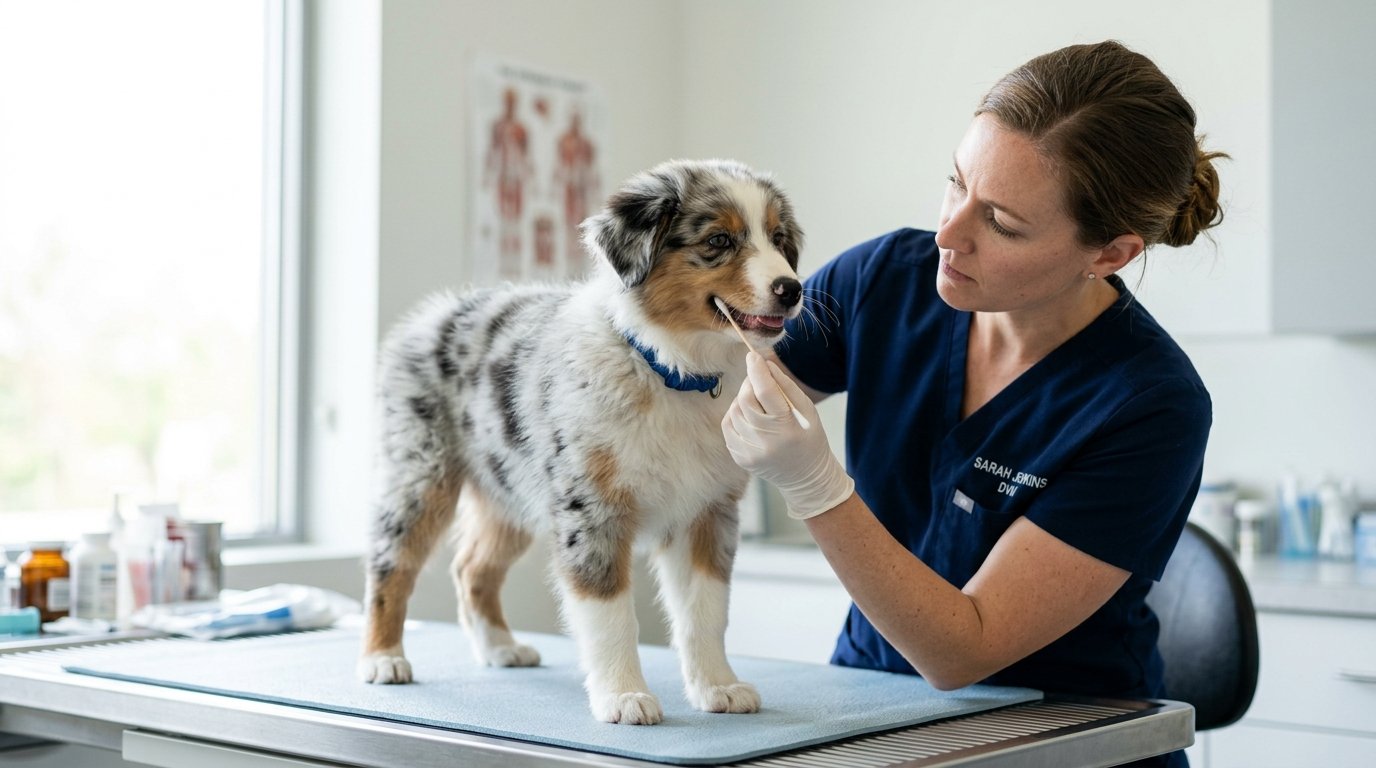
Testing for the MDR1 mutation is straightforward and typically involves a simple cheek swab or blood sample sent to a genetic testing laboratory. Many labs that specialize in canine genetics offer this test specifically for herding breeds, and your veterinarian can help you arrange it or point you toward a reputable lab. Results usually classify dogs as normal, carrier, or affected based on the genes inherited from each parent.
Testing is generally recommended for every Australian Shepherd, ideally done while your dog is still a puppy or as soon as possible after adoption. Having this information on file before your dog ever needs medication means your vet can make safer choices from day one, rather than discovering a sensitivity during an emergency.
What to Do Before Surgery or Anesthesia
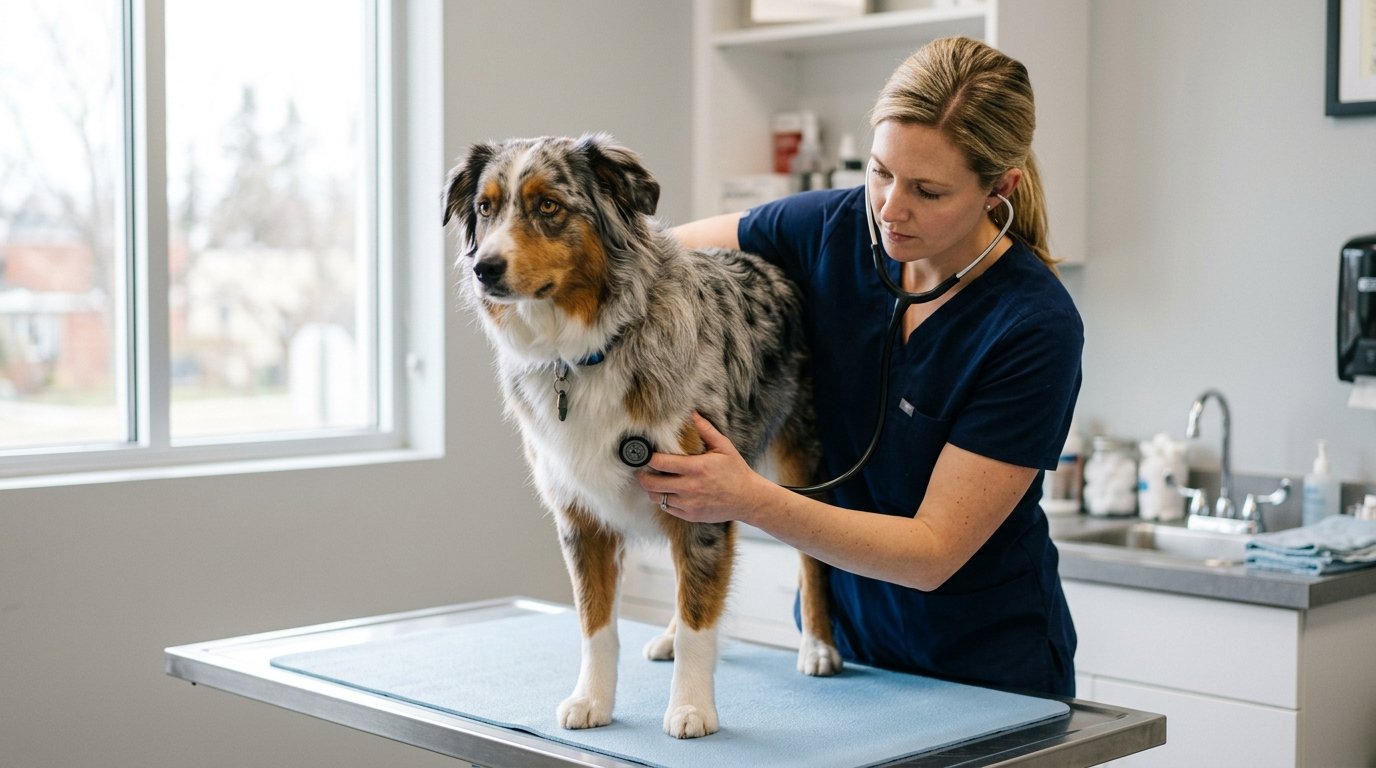
Anesthesia is one of the situations where MDR1 status matters most. Certain sedative and anesthetic drugs are affected by the mutation, and your vet needs to know your dog’s genetic status well before any planned procedure, including routine spay or neuter surgery. This gives your veterinary team time to select appropriate protocols and monitor your dog closely during and after the procedure.
If your dog needs emergency surgery and you don’t have prior test results, tell the veterinary team that your Australian Shepherd is a herding breed with a known risk for MDR1 sensitivity. Even without a confirmed test result, this information can guide safer drug choices and closer observation during recovery.
Living With an MDR1-Positive Dog
A confirmed MDR1 mutation doesn’t mean your Australian Shepherd can’t live a full, happy, active life. It simply means you and your veterinary team need to be more deliberate about medication choices going forward. Many MDR1-affected dogs go through life without ever experiencing a serious drug reaction, simply because their owners and vets know to plan ahead.
Keep a written record of your dog’s MDR1 status and share it with every new vet, groomer administering medicated treatments, or pet sitter who might need to give medication in your absence. Consider a tag or card in your dog’s file noting the mutation, so the information travels with your dog even in an emergency where you can’t speak for them.
Talking to Your Veterinarian About MDR1
Bring up MDR1 status at your Australian Shepherd’s very first wellness visit, ideally before any vaccines, dewormers, or other medications are given. Ask your vet whether testing is available in-house or whether they can send a sample to an outside lab. This conversation sets the foundation for every future medical decision involving your dog.
If your vet doesn’t routinely test for MDR1 in herding breeds, don’t hesitate to request it directly. This is a well-recognized issue in veterinary medicine, and a good vet will welcome the extra information rather than dismiss it. Your dog’s safety depends on this being part of their permanent medical record.
Breeding Considerations and MDR1
If you’re considering breeding your Australian Shepherd, MDR1 testing becomes even more important. Responsible breeders test both parent dogs before breeding so they understand the likelihood of producing affected puppies. This allows for informed decisions and helps future puppy owners know what to expect and test for in their new dog.
If you’re purchasing an Aussie puppy, ask the breeder whether the parents have been MDR1 tested and what the results showed. A responsible breeder should have this information readily available and be willing to share it, along with other relevant health clearances for the breed.
Diet, Supplements, and General Safety Tips
Beyond prescription medications, it’s worth being cautious with certain over-the-counter supplements and topical treatments too, since some contain ingredients that interact with the same pathways affected by the MDR1 mutation. Always check with your vet before starting any new supplement, even one marketed as natural or holistic.
Keep all medications, including your own prescriptions and over-the-counter products, safely out of reach of your Australian Shepherd. Many human medications are dangerous for dogs regardless of MDR1 status, but the margin for error is even smaller in a dog with this genetic sensitivity.
- Store all medications in secure, closed cabinets
- Never share human medications with your dog
- Check with your vet before starting new supplements
- Ask about ingredient lists in flea, tick, and heartworm products
- Keep a current medication and testing history on hand
Emergency Steps If You Suspect Toxicity
If you believe your Australian Shepherd is having a reaction to a medication, call your veterinarian or the nearest emergency animal hospital immediately. Time matters in these situations, and describing the exact medication, dose given, and time it was administered helps the veterary team respond quickly and appropriately.
Do not attempt to treat a suspected reaction at home or induce vomiting without direct veterinary guidance, since some situations require specific medical intervention rather than home remedies. Bring the medication packaging with you if possible, as this gives the vet team critical information about what your dog was exposed to.
Long-Term Outlook for MDR1-Affected Dogs
With proper awareness and veterinary partnership, most Australian Shepherds with the MDR1 mutation live entirely normal lifespans. The key is consistency: making sure every person involved in your dog’s care, from your regular vet to emergency clinics to pet sitters, knows about the mutation and takes it seriously.
Over time, this becomes second nature. You’ll learn to ask the right questions before any new treatment, and your veterinary team will build a medication history that accounts for your dog’s sensitivity. This proactive approach is what allows MDR1-affected dogs to avoid the vast majority of preventable drug reactions.
When to See a Vet Immediately
Any time your Australian Shepherd shows signs of an unexpected reaction after receiving medication, treat it as an emergency rather than something to monitor at home. This is especially true for symptoms involving coordination, breathing, or responsiveness, since these can indicate a serious neurological reaction that needs immediate professional care.
Never rely on this article or any online resource to diagnose your dog’s condition or adjust their medication. Your veterinarian is the only person qualified to interpret your dog’s specific symptoms, test results, and treatment plan, and building a strong relationship with a vet who understands MDR1 is one of the best things you can do for your Australian Shepherd’s long-term health.