
If you share your home with a Scottish Fold, that adorable folded ear is more than just a cute trait. It’s tied to a genetic cartilage condition called osteochondrodysplasia, which can cause joint pain and mobility problems. Understanding this condition helps you recognize early warning signs and get your cat the care they need before discomfort takes hold.
Table of Contents
- What Is Osteochondrodysplasia?
- Why Scottish Folds Are Prone to This Condition
- The Genetics Behind the Fold
- Early Signs to Watch For
- How the Disease Progresses
- Areas of the Body Most Affected
- Diagnosing Osteochondrodysplasia
- Treatment Options
- Pain Management at Home
- Straight-Eared Scottish Folds and Carrier Cats
- Should You Adopt a Scottish Fold?
- Living With a Scottish Fold With Joint Disease
- Working With Your Veterinarian
- Prevention and Responsible Breeding
- When to Seek Emergency Care
- Final Thoughts
What Is Osteochondrodysplasia?
Osteochondrodysplasia is a mouthful, but the concept behind it is fairly simple. It’s a disorder that affects how cartilage develops throughout the body, and in Scottish Folds, it’s directly linked to the same gene mutation that gives them their signature folded ears. That same mutation affects cartilage everywhere else, including the joints, tail, and limbs.
In a healthy cat, cartilage cushions the joints and allows smooth, pain-free movement. In cats affected by this disorder, cartilage forms abnormally, becomes thickened, and can fuse in ways that restrict movement and cause chronic discomfort. This is not a condition your cat will simply grow out of, and it tends to worsen with age if left unmanaged.
Why Scottish Folds Are Prone to This Condition
The folded ear that makes this breed so recognizable comes from a spontaneous genetic mutation affecting cartilage formation. Breeders selected for this trait because owners found it charming, but the same gene responsible for the ear fold also affects cartilage in the tail, legs, and joints throughout the body.
Because the trait is dominant, even one copy of the gene is enough to produce folded ears. Unfortunately, that same copy is also enough to cause varying degrees of skeletal abnormality. This means that virtually every fold-eared Scottish Fold carries some risk of developing joint and cartilage problems, even if symptoms aren’t obvious right away.
The Genetics Behind the Fold
Understanding the genetics can help explain why this condition is so closely tied to the breed. The mutation responsible for folded ears is located on a gene involved in cartilage and bone development. Cats with one copy of the gene typically have folded ears and a milder form of the disorder, while cats with two copies tend to have more severe skeletal problems.
This is part of why responsible breeding practices matter so much for this breed. Breeding two fold-eared cats together increases the likelihood of kittens with two copies of the gene, which is associated with significantly more severe joint disease. Reputable breeders avoid this pairing, but not every breeding program follows these guidelines, so it’s worth asking questions if you’re considering bringing home a Scottish Fold kitten.
Early Signs to Watch For
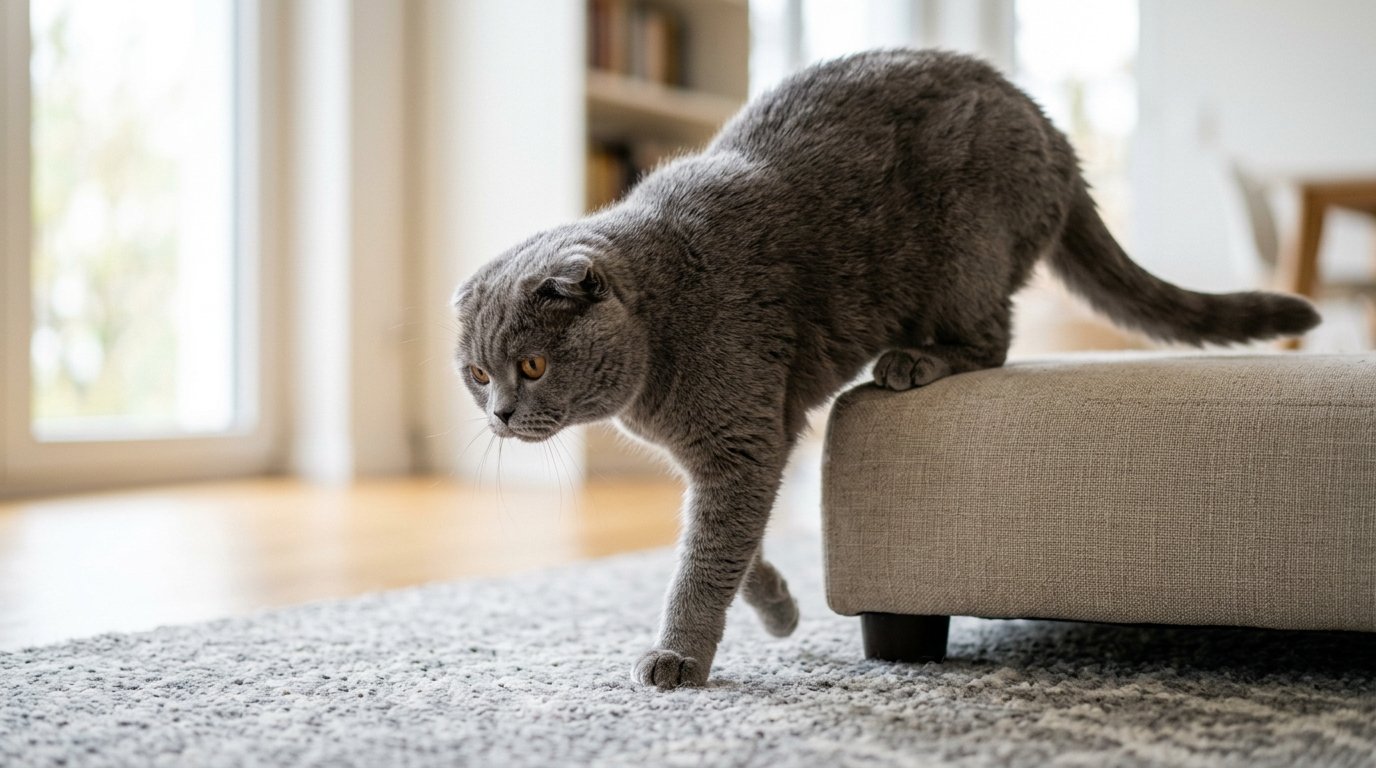
Because cats are experts at masking pain, the early signs of osteochondrodysplasia can be subtle. You might notice your Scottish Fold moving a little differently than other cats, or seeming hesitant to do things they used to enjoy without a second thought.
Catching these changes early gives you and your veterinarian a head start on managing discomfort before it becomes severe.
Signs to watch for include:
- A stiff, short-strided, or unusual walking gait
- Reluctance to jump onto furniture or climb stairs
- A thickened, stiff, or less flexible tail
- Swelling or reduced range of motion in the wrists, ankles, or knees
- Reduced activity levels or a general reluctance to play
- Sensitivity or discomfort when picked up or handled around the legs or tail
How the Disease Progresses
Osteochondrodysplasia typically becomes noticeable within the first few months to a couple of years of life, though the severity can vary quite a bit from one cat to another. Some Scottish Folds show only mild stiffness that owners might not even attribute to a medical condition, while others develop more pronounced joint deformities early on.
Over time, cartilage abnormalities can lead to joint fusion, which further limits mobility and increases discomfort. Because this is a progressive condition, symptoms generally don’t improve on their own and often become more noticeable as your cat ages. This is why ongoing veterinary monitoring is so important, even if your cat seems to be doing fine at first.
Areas of the Body Most Affected
While the ears are the most visible sign of this genetic mutation, the tail and hind legs are often where the more serious effects show up. The tail is frequently short, thick, or less mobile than in other cats, and in more severe cases, it can become quite rigid.
The hocks, wrists, and knees are also common trouble spots. These joints may become swollen, misshapen, or stiff, making it harder for your cat to move comfortably. Some cats develop a distinctive, cautious walking style as they try to compensate for joint discomfort, which can be one of the more telling signs something is going on beneath the surface.
Diagnosing Osteochondrodysplasia
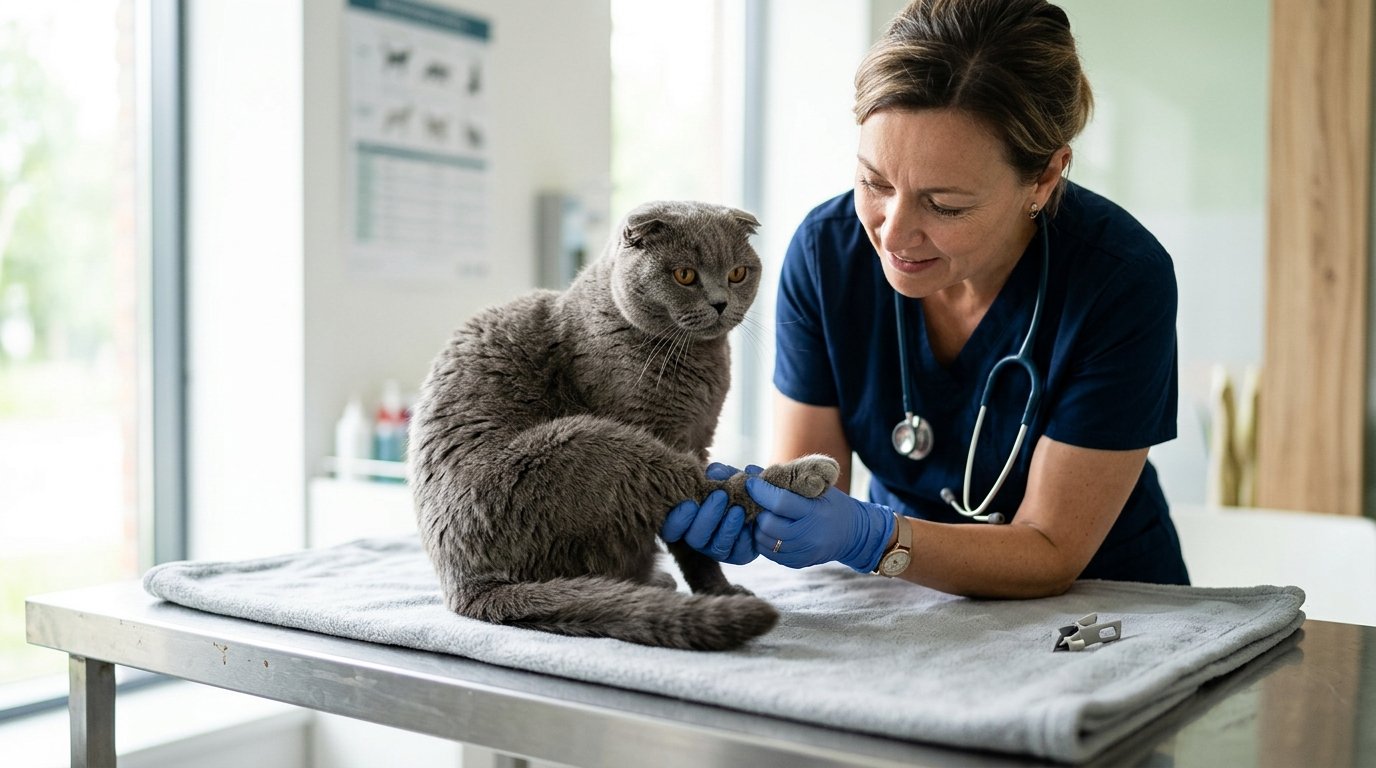
If you suspect your Scottish Fold is showing signs of joint discomfort, a veterinary visit is the right next step. Your vet will start with a physical examination, checking your cat’s gait, joint flexibility, and tail mobility, along with asking about any changes you’ve noticed at home.
X-rays are typically the most useful tool for confirming the diagnosis and understanding how far the cartilage and bone changes have progressed. Your veterinarian may recommend imaging of the tail, limbs, and joints to get a clearer picture of what’s happening internally. This information helps guide a treatment plan tailored to your cat’s specific needs.
Treatment Options
There is currently no cure for osteochondrodysplasia, since the underlying cause is genetic and affects cartilage formation throughout the body. However, that doesn’t mean nothing can be done. Treatment focuses on managing pain, preserving mobility, and improving your cat’s overall quality of life.
Your veterinarian may recommend a combination of approaches depending on your cat’s specific symptoms and severity. This might include pain management strategies, joint supplements, weight management to reduce stress on the joints, and lifestyle adjustments at home. In more severe cases, your vet may discuss surgical options for cats with significant tail or joint deformities causing considerable discomfort.
Never give your cat human pain medications or over-the-counter supplements without veterinary guidance, since many common medications are toxic to cats. Always work directly with your vet to find a safe, effective plan.
Pain Management at Home
Living with a cat who has ongoing joint discomfort means making some adjustments around the house to help them stay comfortable. Small changes can make a meaningful difference in how easily your cat moves through their day.
Consider these home adjustments:
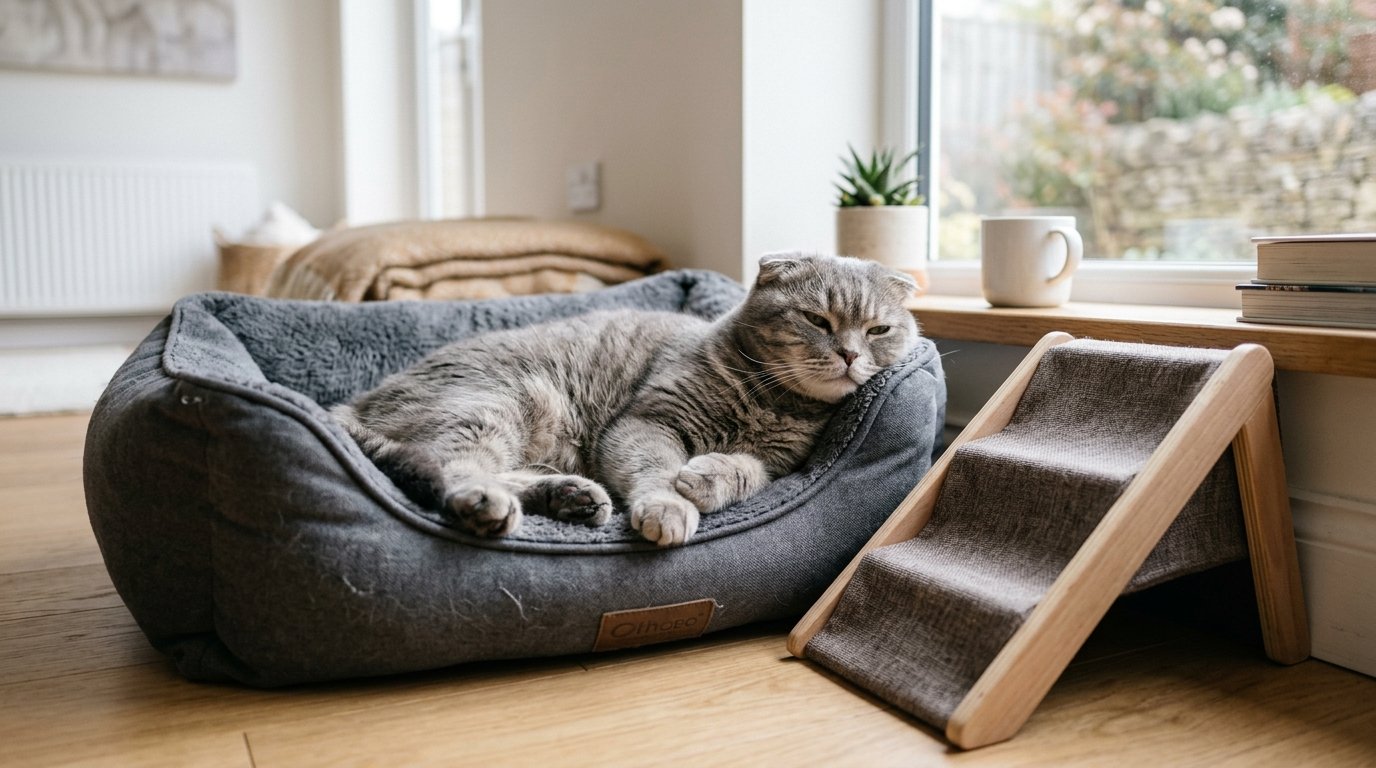
- Provide low-sided litter boxes that are easy to step into
- Use ramps or steps to help your cat reach favorite resting spots
- Choose soft, supportive bedding for joints and pressure points
- Keep food and water bowls easily accessible without requiring jumping or climbing
- Handle your cat gently, especially around the tail and hind legs
- Maintain a healthy body weight to reduce added strain on joints
Straight-Eared Scottish Folds and Carrier Cats
Not every kitten born to Scottish Fold parents ends up with folded ears. Some kittens inherit only one copy of the recessive form of the gene and are born with straight ears, often called Scottish Straights or Highland Straights depending on coat length. These cats are far less likely to develop significant cartilage problems.
That said, straight-eared cats from Scottish Fold lines can still carry the gene and pass it on to future litters. If you’re considering breeding or simply want to understand your cat’s health risks, genetic testing and a conversation with your veterinarian can help clarify what you’re working with.
Should You Adopt a Scottish Fold?
It’s completely understandable to fall in love with those round faces and folded ears, but it’s worth going into cat ownership with realistic expectations. Scottish Folds can absolutely make wonderful, affectionate companions, but their breed comes with a higher likelihood of joint-related health issues than many other cats.
If you’re set on adopting a Scottish Fold, look for a breeder who prioritizes cat welfare, avoids fold-to-fold breeding, and can provide health records for the kitten’s parents. Adopting from a rescue is another option worth considering, since many wonderful Scottish Folds end up needing new homes through no fault of their own.
Living With a Scottish Fold With Joint Disease
Many cats with mild to moderate osteochondrodysplasia go on to live full, happy lives with the right care and support. The key is staying attentive to changes in mobility and comfort, and not assuming that slower movement or reduced jumping is just a normal part of aging.
Building a strong relationship with your veterinarian means you’ll have a partner to help you adjust your cat’s care plan as their needs change over time. Regular checkups allow for early intervention if symptoms progress, which can make a real difference in your cat’s comfort and quality of life.
Working With Your Veterinarian
Because osteochondrodysplasia varies so much in severity from one cat to another, there’s no single treatment plan that works for every Scottish Fold. Your veterinarian is your best resource for interpreting your cat’s specific symptoms, imaging results, and overall health picture.
Don’t hesitate to ask questions during appointments, whether that’s about pain management options, activity restrictions, or what changes to watch for at home. Bringing a list of observations from home, including video of your cat’s gait if possible, can be genuinely helpful for your vet in assessing progression over time.
Prevention and Responsible Breeding
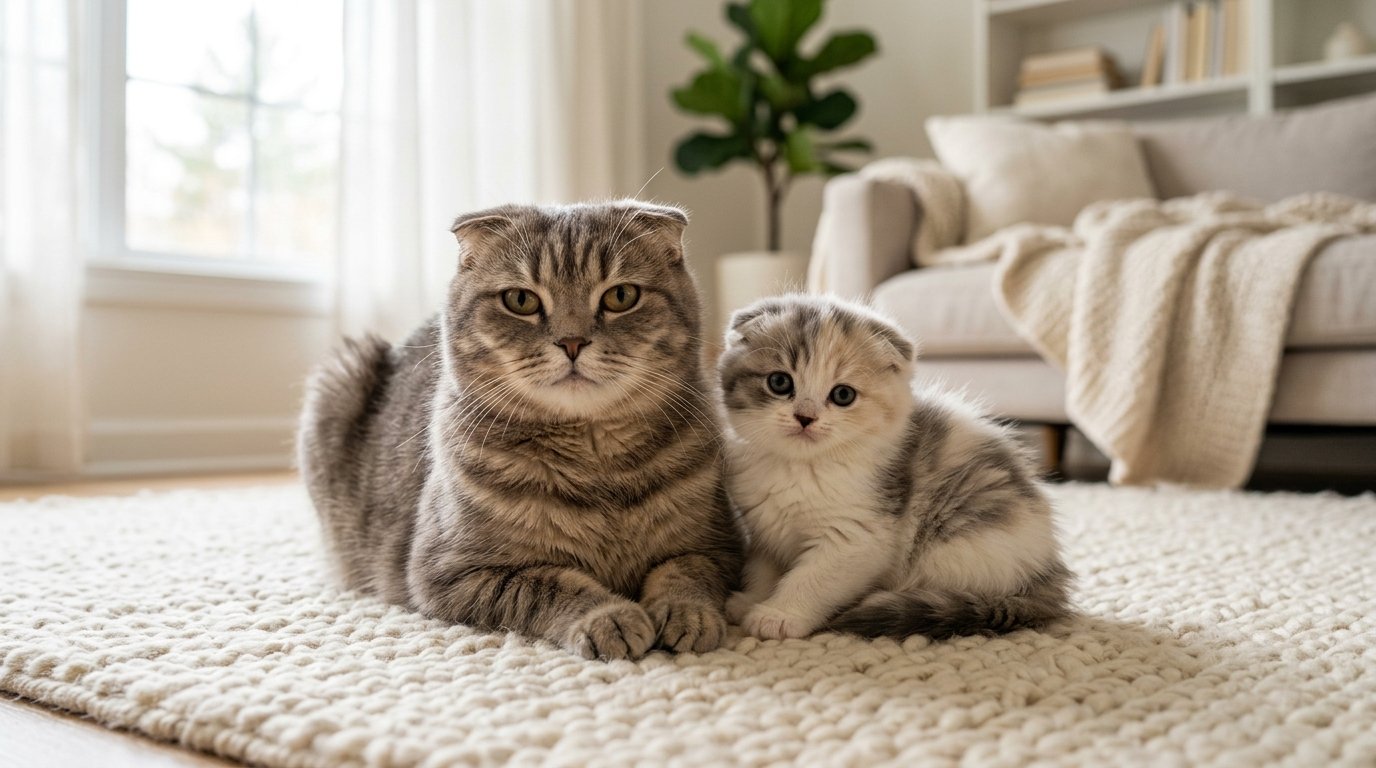
While you can’t change your cat’s genetics after the fact, prevention plays an important role in reducing the prevalence of severe cases within the breed. Responsible breeders avoid pairing two fold-eared cats together, since this significantly raises the risk of kittens with severe skeletal abnormalities.
If you’re considering a Scottish Fold kitten, ask the breeder about the health history of both parents and whether genetic testing has been performed. A transparent, ethical breeder should be willing to answer these questions openly and provide documentation when available.
When to Seek Emergency Care
While osteochondrodysplasia is generally a chronic, progressive condition rather than an emergency, there are situations that warrant prompt veterinary attention. Sudden inability to walk, extreme pain, or a rapid change in your cat’s tail or limb mobility should never be ignored.
If your Scottish Fold suddenly seems to be in significant distress, is crying out when moved, or refuses to bear weight on a limb, contact your veterinarian or an emergency animal hospital right away. It’s always better to have a sudden change evaluated promptly than to wait and see.
Final Thoughts
Loving a Scottish Fold means understanding both the charm and the challenges that come with the breed. Osteochondrodysplasia is a serious, lifelong condition, but with attentive care, regular veterinary support, and a comfortable home environment, many affected cats continue to enjoy happy, fulfilling lives.
If you notice any signs of stiffness, reluctance to move, or changes in your cat’s tail or gait, don’t wait to bring it up with your veterinarian. Early attention gives your cat the best chance at staying comfortable for years to come.
This article is for general education and is not a substitute for care from your own veterinarian. Learn about The Pet Vet and our editorial policy.