
Feline asthma is a chronic airway condition that makes it harder for your cat to breathe, and it can be frightening to watch happen. Many owners mistake early symptoms for hairballs or a minor cold, which delays treatment. This guide walks you through the signs, common triggers, and the steps your vet may take to help your cat breathe easier and live comfortably.
Table of Contents
- What Is Feline Asthma?
- Why Cats Develop Asthma
- Early Warning Signs You Might Miss
- Recognizing an Asthma Attack
- What Happens During a Flare-Up
- Common Triggers in the Home
- How Vets Diagnose Feline Asthma
- Treatment Options Your Vet May Recommend
- Using Inhalers and Medication Safely
- Managing Flare-Ups at Home
- Reducing Environmental Triggers
- Living With a Cat With Asthma: Long-Term Outlook
- When to Seek Emergency Care
- Monitoring and Follow-Up Care
- Tips for Multi-Cat Households
- Final Thoughts on Caring for a Cat With Asthma
What Is Feline Asthma?
Feline asthma is a chronic inflammatory condition that affects the small airways in your cat’s lungs. When something irritates those airways, they become inflamed, swollen, and narrowed, which makes it difficult for air to move in and out normally. Over time, repeated episodes can cause the airway walls to thicken, making breathing problems more frequent and more severe.
This condition shares some similarities with asthma in people, but it is very much its own disease in cats. It is not contagious, and it is not something your cat caught from another animal. Instead, it develops because of how an individual cat’s immune system reacts to certain particles or irritants in the air around them.
Why Cats Develop Asthma
Veterinarians believe feline asthma happens when a cat’s immune system overreacts to inhaled allergens or irritants, treating harmless particles as a threat. This overreaction triggers inflammation in the airways, along with muscle spasms that tighten the passageways even further. The exact reason some cats develop this sensitivity while others don’t is still not fully understood.
Any cat can potentially develop asthma, though it tends to show up more often in cats between two and eight years old. Indoor cats exposed to certain household irritants day after day may be more prone to developing symptoms over time, simply because of repeated exposure in an enclosed space.
Early Warning Signs You Might Miss
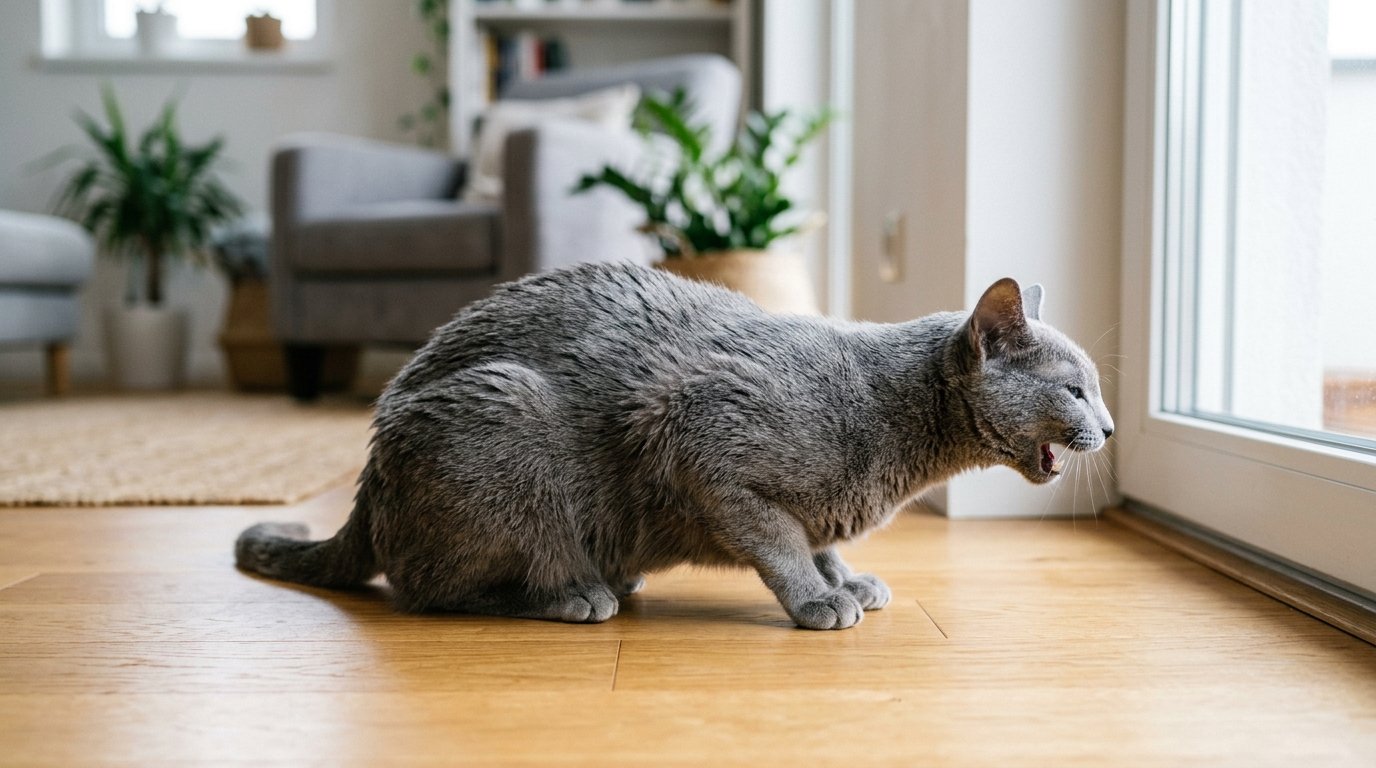
In the beginning, feline asthma symptoms can be subtle and easy to overlook. You might notice your cat coughing occasionally and assume it’s just a hairball attempt that never quite produces anything. This is one of the most commonly missed early signs, since a cat crouched low with its neck extended, coughing, looks a lot like it’s trying to bring up a hairball.
Other early signs include mild wheezing, especially after activity or excitement, and a subtle change in breathing pattern that you might only notice if you’re paying close attention. Some cats become a little more tired than usual or seem reluctant to play as long as they used to.
- Occasional dry, hacking cough mistaken for a hairball
- Faint wheezing sound, especially after exercise
- Breathing that looks slightly faster or more effortful than normal
- Reduced interest in play or activity
- Open-mouth breathing after mild exertion
Recognizing an Asthma Attack
An asthma attack looks different from the occasional cough and is much more alarming to witness. During an attack, your cat may crouch low to the ground with its neck stretched forward, mouth open, and belly working hard with each breath. You may hear audible wheezing or a whistling sound as your cat struggles to move air through the narrowed airways.
This is a frightening moment for any owner, and it’s important to stay as calm as you can so your cat doesn’t become more stressed, which can worsen the episode. If you ever see your cat struggling to breathe this way, treat it as an emergency and contact your vet or an emergency animal hospital right away rather than waiting to see if it passes on its own.
- Crouched posture with neck extended and mouth open
- Rapid, labored breathing with visible chest and belly movement
- Blue-tinted or pale gums, which signals an emergency
- Panic or distress in your cat’s behavior
- Collapse or extreme lethargy during or after the episode
What Happens During a Flare-Up
When a flare-up occurs, three things typically happen inside your cat’s airways at the same time. The lining of the airways becomes inflamed and swollen, the muscles around the airways spasm and tighten, and extra mucus is produced that can further clog the narrowed passages. Together, these changes dramatically reduce the amount of air that can move freely in and out of the lungs.
This combination explains why flare-ups can escalate quickly. What starts as mild wheezing can become severe respiratory distress within a short window of time, which is part of why prompt veterinary attention matters so much when symptoms appear.
Common Triggers in the Home
Because feline asthma is driven by an immune reaction to inhaled particles, identifying and reducing your cat’s exposure to potential triggers is a meaningful part of managing the condition. Every cat is different, so what sets off one cat’s airways may not bother another at all. Still, there are several common household culprits worth paying attention to.
Keeping a simple log of when your cat’s symptoms flare up, and what was happening in the home around that time, can help you and your vet spot patterns. Over weeks, this kind of tracking often reveals a trigger you hadn’t considered.
- Cigarette or cigar smoke, including residual smoke on clothing
- Scented candles, air fresheners, and plug-in fragrance diffusers
- Dusty cat litter, especially clumping varieties that create fine particles
- Household cleaning sprays and aerosol products
- Perfume, cologne, or heavily scented hair products
- Dust from renovations, sweeping, or vacuuming
- Mold or mildew in humid areas of the home
How Vets Diagnose Feline Asthma
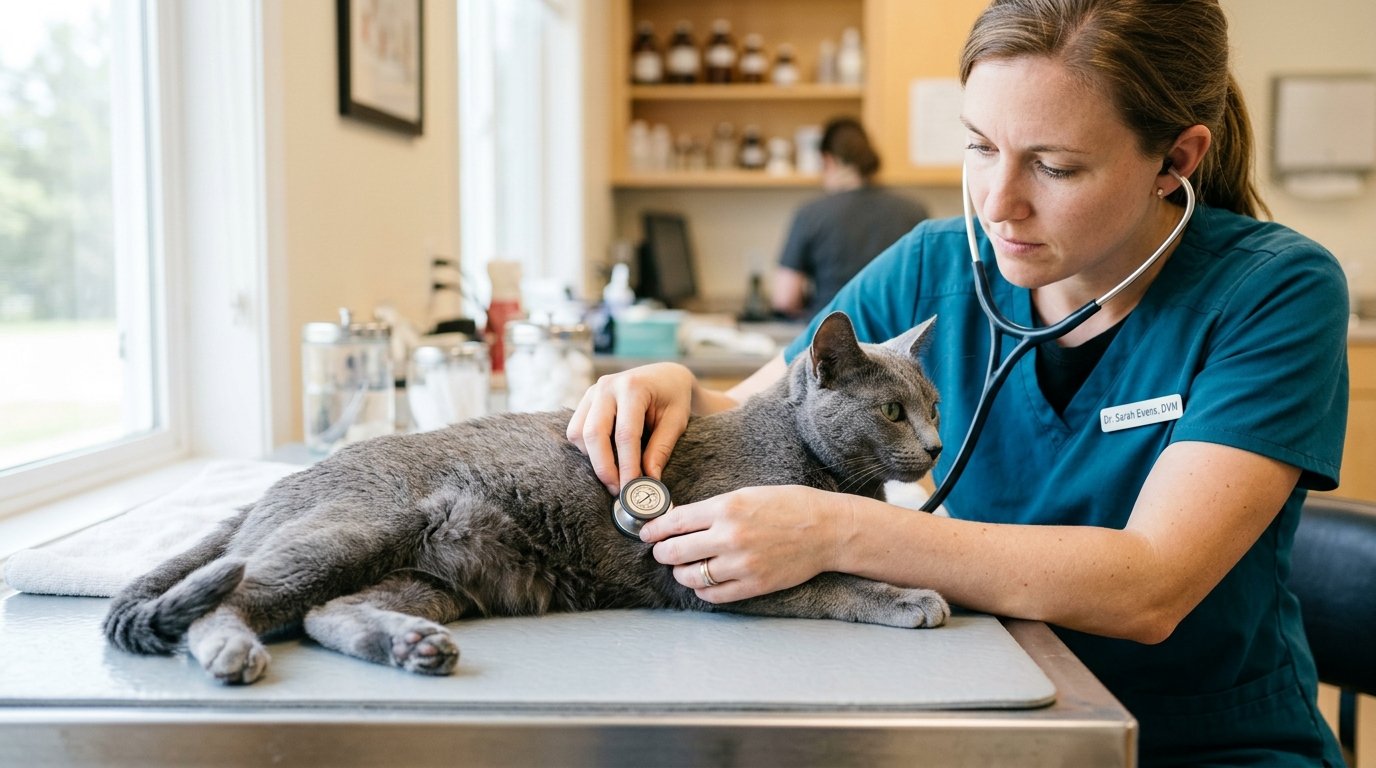
There isn’t a single, simple test that confirms feline asthma on its own, which is part of what makes diagnosis a process rather than a one-visit answer. Your vet will typically start with a physical exam, listening closely to your cat’s lungs and asking detailed questions about when symptoms occur and how often.
From there, your vet may recommend chest X-rays to look at the pattern of the airways and rule out other conditions that can cause similar symptoms, such as heartworm disease, heart problems, or lung infections. In some cases, additional tests like bloodwork or airway sampling may be suggested to rule out other causes and support a more confident diagnosis.
Treatment Options Your Vet May Recommend
Treatment for feline asthma is generally aimed at reducing airway inflammation and easing breathing during flare-ups. Your vet is the right person to determine which combination of treatments fits your cat’s specific situation, since severity and response to treatment vary quite a bit from one cat to another.
Many treatment plans involve a combination of long-term control medication to reduce ongoing inflammation and fast-acting medication to use during a flare-up. Never adjust dosages or medication schedules on your own, and always follow your vet’s specific instructions for your cat rather than relying on advice meant for a different cat or a different condition.
Using Inhalers and Medication Safely
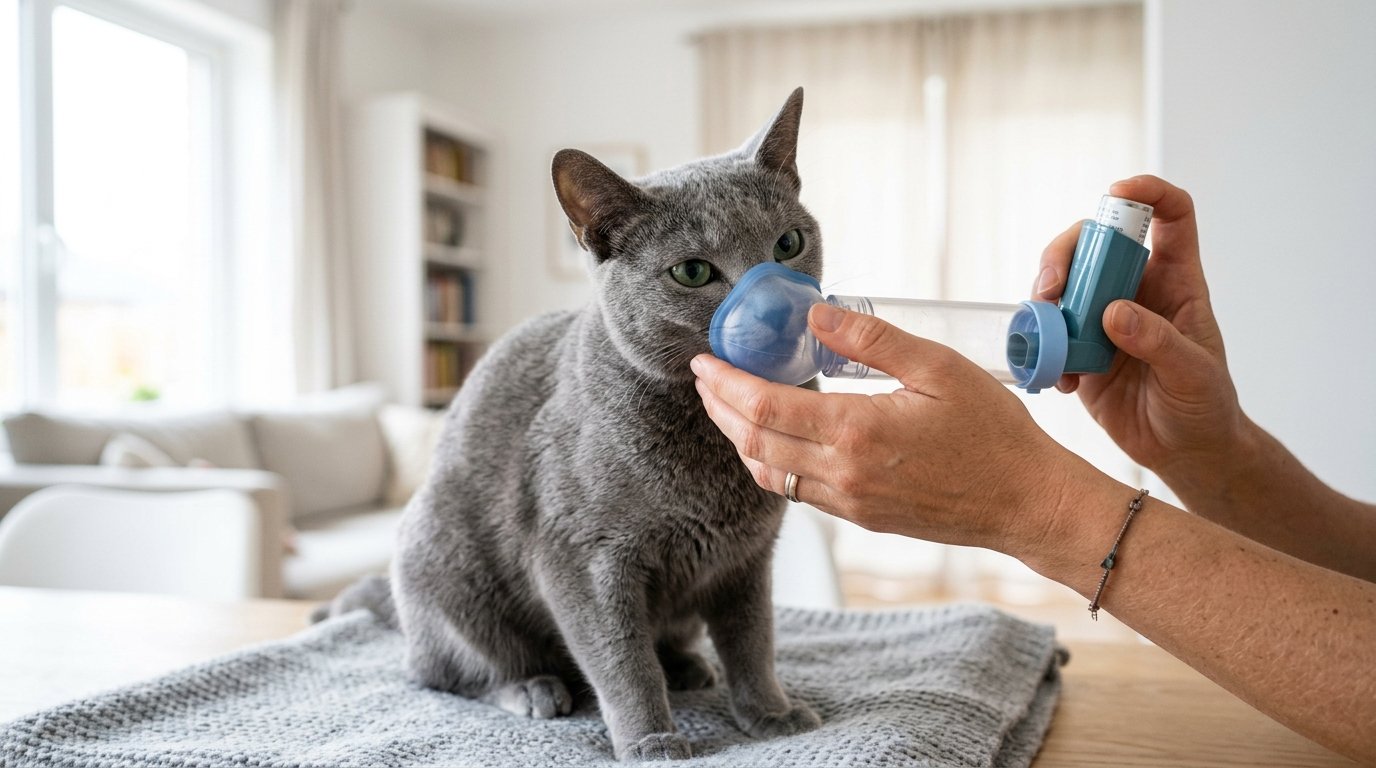
Some vets prescribe inhaled medications for cats with asthma, delivered through a specially designed cat-sized inhaler chamber that fits over the nose and mouth. This method can deliver medication directly to the airways, which some vets prefer because it may reduce the amount of medication that circulates throughout the rest of the body.
Learning to use an inhaler chamber takes some practice, and your cat will need time to get comfortable with the mask being placed near its face. Your vet’s team can walk you through the proper technique step by step, and it’s worth asking for a demonstration during your appointment so you feel confident using it correctly at home.

Managing Flare-Ups at Home
If your vet has prescribed emergency medication for flare-ups, keep it in a spot you can access quickly, and make sure everyone in your household knows where it is and how to use it. During a flare-up, try to keep your cat calm and in a quiet, low-stress environment, since panic can make breathing even more difficult.
Avoid handling your cat more than necessary during an episode, since stress from restraint can worsen breathing distress. If your cat does not improve quickly after using prescribed rescue medication, or if the episode seems severe from the start, contact your vet or head to an emergency clinic immediately rather than waiting at home.
Reducing Environmental Triggers
Making small adjustments around your home can meaningfully reduce how often your cat’s airways are irritated. Switching to a low-dust, unscented litter is one of the simplest changes many owners make after a diagnosis, since litter dust is inhaled directly and sits close to your cat’s face when they’re in the box.
Improving air quality in general also helps. Using a HEPA air filter in the rooms your cat spends the most time in, vacuuming regularly with a filtered vacuum, and avoiding aerosol sprays near your cat can all lower the amount of airborne irritation your cat is exposed to day after day.
- Switch to unscented, low-dust litter
- Run a HEPA air purifier in your cat’s main living space
- Avoid smoking indoors or around your cat entirely
- Skip scented candles, plug-ins, and heavy perfumes near your cat
- Dust and vacuum regularly using a filtered vacuum cleaner
Living With a Cat With Asthma: Long-Term Outlook
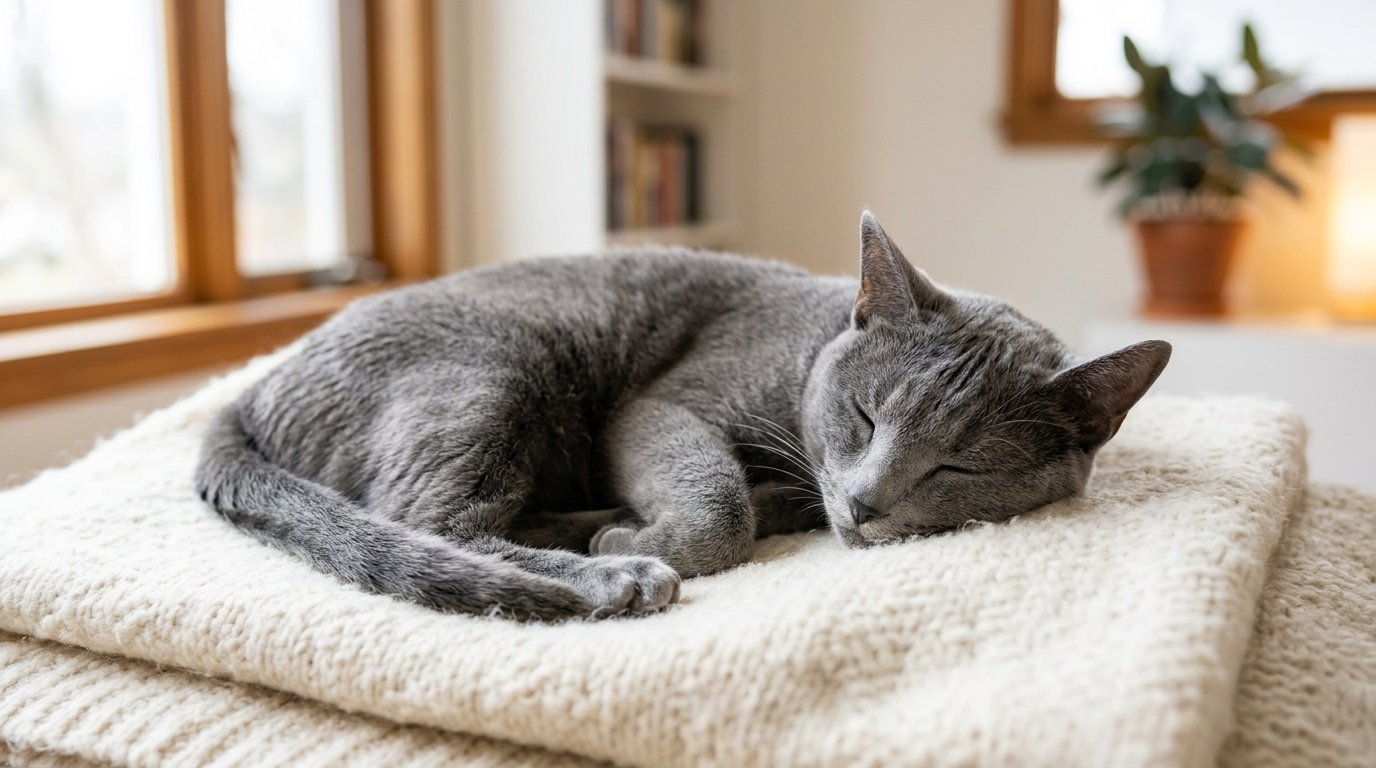
Many cats with asthma go on to live full, comfortable lives once the condition is properly managed. The key is consistency: sticking with prescribed medications, attending follow-up appointments, and staying alert to changes in your cat’s breathing patterns over time. Asthma is generally considered a manageable chronic condition rather than something that can be permanently cured.
It’s worth remembering that severity can change over time, sometimes improving with good management and sometimes flaring up again due to new triggers or seasonal changes. Staying in close communication with your vet allows treatment to be adjusted as needed rather than staying static year after year.
When to Seek Emergency Care
Certain signs mean you should not wait for a regular appointment and should seek emergency veterinary care immediately. Blue or pale gums, extreme difficulty breathing, collapse, or a cat that seems unable to catch its breath even at rest are all signs of a true emergency.
If you’re ever unsure whether what you’re seeing is serious, it’s always safer to call your vet or an emergency animal hospital and describe what you’re observing. Veterinary staff can help you decide over the phone whether you need to come in right away, and it’s far better to make that call than to wait and hope symptoms pass.
- Blue, gray, or pale gums and tongue
- Open-mouth breathing that doesn’t resolve within minutes
- Complete collapse or extreme weakness
- No improvement after using prescribed rescue medication
- Breathing distress that occurs even while your cat is resting quietly
Monitoring and Follow-Up Care
Once your cat has been diagnosed and started on a treatment plan, ongoing monitoring becomes part of everyday life. Your vet may ask you to track how often flare-ups occur, how your cat responds to medication, and whether symptoms are improving, staying the same, or getting worse over time.
Regular follow-up visits allow your vet to reassess how well the current treatment plan is working and make adjustments if needed. Bringing a written log of symptoms and any potential triggers you’ve noticed can make these visits far more productive, since it gives your vet real patterns to work from rather than a general impression.
Tips for Multi-Cat Households
If you have more than one cat and only one has been diagnosed with asthma, you’ll want to think about how household changes affect all of your pets, not just the one with symptoms. Switching to unscented litter or reducing candles and sprays benefits every cat in the home, even the ones without diagnosed breathing issues.
It’s also worth keeping an eye on your other cats for similar symptoms, since more than one cat in a household can develop asthma, particularly if they’re exposed to the same environmental triggers day in and day out. If you notice coughing or wheezing in another cat, mention it to your vet rather than assuming it’s unrelated.
Final Thoughts on Caring for a Cat With Asthma
Feline asthma can feel overwhelming when you first notice the signs, especially if you witness a flare-up before you understand what’s happening. With a proper diagnosis and a consistent treatment plan from your vet, most cats adjust well and continue to enjoy playing, cuddling, and living comfortably at home.
If you notice coughing, wheezing, or changes in your cat’s breathing pattern, don’t wait to bring it up with your vet. Early diagnosis and management make a real difference in how well your cat’s asthma is controlled over the years ahead.
This article is for general education and is not a substitute for care from your own veterinarian. Learn about The Pet Vet and our editorial policy.