
Exercise-induced collapse in Border Collies is a condition that catches many owners completely off guard, especially during an intense game of fetch or a herding session. One moment your dog is running full speed, and the next their back legs give out or they seem confused and wobbly. This article walks you through what’s known about this condition, what it looks like, and how to work with your vet to keep your dog safe during exercise.
Table of Contents
- What Exercise-Induced Collapse Looks Like
- What Triggers an Episode
- Why This Happens in Border Collies
- Other Conditions That Can Look Similar
- When to See a Vet Right Away
- How Vets Diagnose the Condition
- Managing Exercise for an Affected Dog
- Recognizing the Early Warning Signs
- Keeping Your Dog Cool During Play
- Genetic Testing and What It Can Tell You
- Living With a Dog Who Has This Condition
- Emotional Impact on Owners
- Questions to Ask Your Vet
- The Bottom Line
What Exercise-Induced Collapse Looks Like
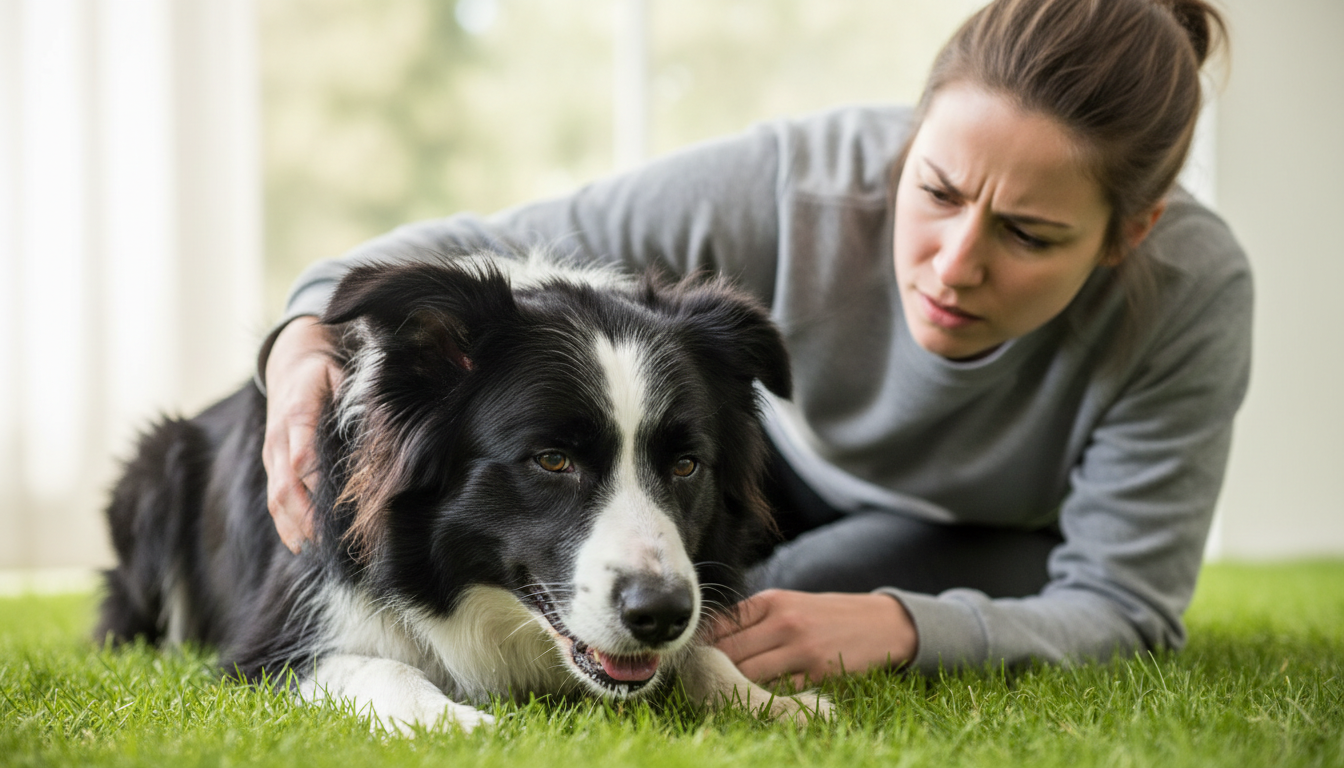
If you’ve never seen an episode before, it can be frightening to watch. Your Border Collie might be in the middle of an energetic activity—chasing a ball, working sheep, or playing with other dogs—when suddenly their hind end starts to sway or buckle. Some dogs drag their back legs, others collapse completely and lie on their side, seemingly unable to get up for a few minutes.
During an episode, dogs often remain mentally alert even though their bodies aren’t cooperating. You might notice a dazed or worried expression, rapid breathing, or a dog that seems disoriented despite being conscious. The episode itself usually passes within five to twenty-five minutes, and most dogs recover fully and act completely normal afterward, as if nothing happened.
It’s worth noting that this condition has been studied more extensively in Border Collies used for intense working or sporting activities, though it can show up in pets that simply enjoy vigorous play. The unpredictable nature of these episodes is part of what makes them so unsettling for owners, since a dog can seem perfectly fine for weeks and then suddenly have an episode during a routine walk or game.
What Triggers an Episode
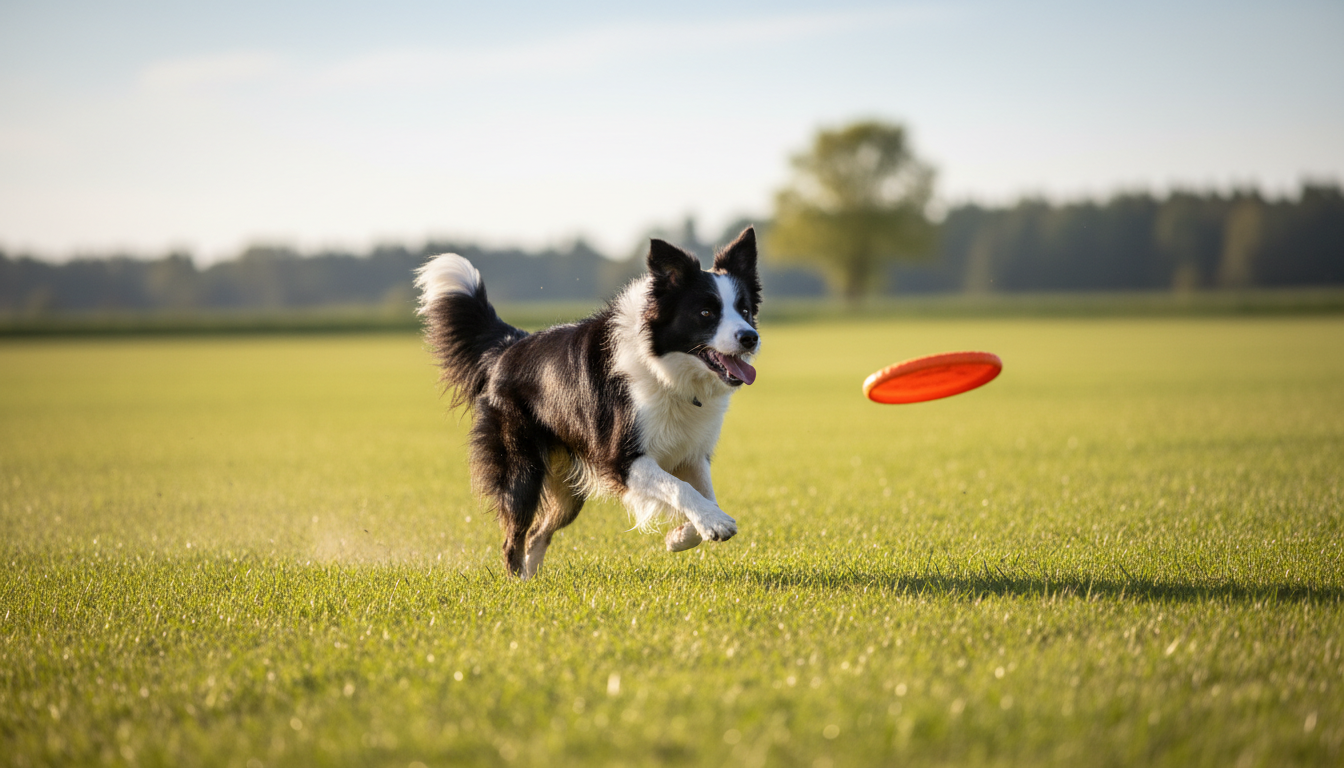
Episodes tend to happen during periods of high excitement combined with intense physical exertion, rather than calm, steady exercise. A dog chasing a ball repeatedly, working livestock at a fast pace, or playing chase games with other dogs at the park seems to be more likely to trigger a collapse than a long, relaxed hike.
Heat and humidity may also play a role in how quickly a dog becomes symptomatic, since overheating puts additional strain on the body during exercise. Some owners report that episodes are more common on warm days or when a dog has been working hard without breaks.
- Repetitive high-intensity activity like fetch or frisbee
- Herding or working sessions involving fast movement and excitement
- Hot or humid weather during exercise
- Excitement or arousal levels running high, such as during group play
- Exercise sessions that go on without rest breaks
Why This Happens in Border Collies
Border Collies are working dogs bred for stamina, focus, and physical intensity, which makes this condition particularly relevant to the breed. Researchers have looked into genetic and metabolic factors that may make certain dogs more prone to collapse episodes, though the exact mechanisms are still being studied and understood.
This isn’t something that happens because a dog is out of shape or poorly trained. Even extremely fit, well-conditioned working Border Collies can experience episodes, which suggests there’s an underlying physiological component rather than simply a fitness issue. If you have a Border Collie that seems to fit this pattern, it’s worth having a conversation with your vet about testing and management options specific to your dog.
Other Conditions That Can Look Similar
Because collapse can be a symptom of several different problems, it’s important not to assume you know what’s happening without a proper veterinary evaluation. Heart conditions, low blood sugar, seizure disorders, and orthopedic issues can all cause a dog to collapse or seem unsteady during or after exercise, and some of these are far more serious or urgent than others.
Your vet will want to rule out these other possibilities before settling on a diagnosis, since the treatment and prognosis for each condition differs significantly. This is one of those situations where getting an accurate diagnosis really matters for your dog’s long-term safety and quality of life.
- Cardiac abnormalities that affect blood flow during exertion
- Low blood sugar, particularly in young or small dogs
- Seizure activity that happens to occur during exercise
- Musculoskeletal pain or weakness affecting the hind end
- Heatstroke or severe overheating
When to See a Vet Right Away
Any time your dog collapses, even if they seem to recover quickly, it’s worth scheduling a veterinary visit to figure out what happened. While many episodes resolve on their own without lasting harm, collapse can also be a sign of something more serious that needs prompt attention, so it’s never something to brush off as “just a weird moment.”
If your dog’s episode includes labored breathing that doesn’t improve, blue or pale gums, an inability to stand at all after twenty minutes, or repeated episodes in a short period, treat this as an emergency and get to a vet immediately. These signs suggest the underlying cause might be more serious than a typical collapse episode and needs urgent evaluation.
How Vets Diagnose the Condition
Diagnosing exercise-induced collapse usually starts with a detailed conversation about what you observed, including how long the episode lasted, what your dog was doing beforehand, and how they recovered. Video footage of an episode, if you happen to have it, can be incredibly helpful for your vet to review.
Your vet will likely recommend a full physical exam along with tests to rule out heart problems, metabolic issues, and neurological causes. Depending on what they find, this might include bloodwork, an EKG or cardiac ultrasound, and possibly genetic testing, since a specific genetic marker has been identified in some Border Collies affected by this condition.
Managing Exercise for an Affected Dog
Once other causes have been ruled out and your vet confirms the pattern is consistent with exercise-induced collapse, management usually focuses on adjusting how your dog exercises rather than eliminating activity altogether. Most affected dogs can still live active, happy lives with some thoughtful modifications to their routine.
Breaking up intense exercise sessions into shorter bursts with rest periods in between can help reduce the likelihood of triggering an episode. Paying close attention to your dog’s excitement level and body language during play also gives you a chance to intervene before things escalate.
- Shorter, more frequent exercise sessions instead of one long intense workout
- Built-in rest breaks during high-energy games like fetch
- Avoiding exercise during the hottest parts of the day
- Watching for early warning signs like stumbling or hesitation
- Working with your vet on an individualized activity plan
Recognizing the Early Warning Signs
Many owners find that with time, they start to notice subtle signs that an episode might be starting before a full collapse happens. This might include a slight stumble, a change in gait, or your dog suddenly slowing down mid-play for no obvious reason.
Learning to spot these early cues gives you the chance to calmly stop the activity and let your dog rest before things progress further. Keeping a journal of when episodes happen, what the weather was like, and what activity was involved can help you and your vet identify patterns over time.
Keeping Your Dog Cool During Play
Since heat appears to be a contributing factor for many dogs, managing temperature during exercise is a practical step every owner can take. This is especially important for Border Collies, who often want to keep playing well past the point of being tired simply because of their strong drive and focus.
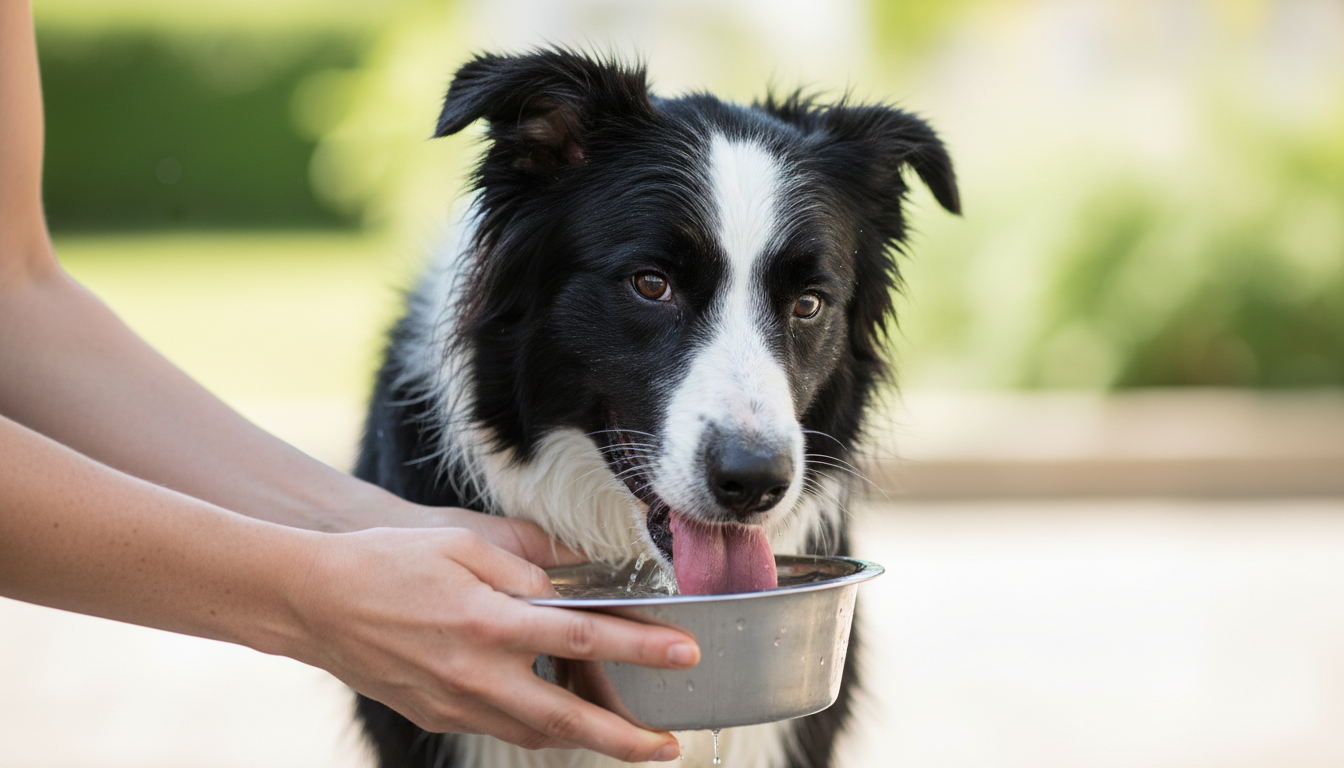
Bringing water along for breaks, choosing cooler times of day for vigorous exercise, and providing shade during rest periods are all simple ways to reduce heat-related strain on your dog’s body. If you notice your dog panting heavily or seeming to overheat, it’s a good cue to pause the activity regardless of how much fun they’re having.
- Exercise during cooler morning or evening hours
- Offer water breaks every few minutes during intense play
- Provide shaded rest areas during outdoor activities
- Watch for excessive panting as an early sign of overheating
- Consider cooling vests or mats for hot weather activities

Genetic Testing and What It Can Tell You
If your Border Collie has had episodes consistent with this condition, your vet may suggest genetic testing to look for the specific mutation associated with it. This kind of testing can offer helpful information, particularly if you’re considering breeding your dog or want more clarity on their long-term outlook.
It’s important to understand that genetic testing is one piece of the puzzle rather than a definitive answer on its own. A positive result combined with a consistent history of episodes and ruled-out alternative causes gives the clearest picture, and your vet is the best person to help interpret what the results mean for your individual dog.
Living With a Dog Who Has This Condition
Many Border Collies with exercise-induced collapse go on to live full, active lives once their owners understand their triggers and adjust accordingly. It does require a bit more mindfulness during play and exercise, but it doesn’t have to mean the end of an active lifestyle for your dog.
Working closely with your vet to develop a management plan tailored to your dog’s specific triggers and severity gives you the best chance of minimizing episodes while still letting your dog enjoy the activities they love. Many owners find that once they adjust exercise patterns, episodes become far less frequent or stop happening altogether.
Emotional Impact on Owners
Watching your dog collapse, even briefly, can be genuinely distressing, and it’s completely normal to feel anxious about exercise afterward. Some owners find themselves hesitant to let their dog play as freely as before, worried that another episode is right around the corner.
Give yourself grace during this adjustment period, and lean on your vet for guidance and reassurance as you figure out a new normal. Connecting with other Border Collie owners who’ve navigated similar experiences can also be a helpful source of support and practical tips.
Questions to Ask Your Vet
Bringing a written list of questions to your appointment can help you make the most of your time together and ensure you leave with a clear understanding of next steps. This condition can feel confusing, and it’s completely fair to want as much clarity as possible.
- What tests do you recommend to confirm or rule out this diagnosis
- How severe does my dog’s condition appear to be
- What specific activities should I avoid or modify
- Are there warning signs I should watch for during exercise
- Should other family members in my dog’s line be tested
The Bottom Line
Exercise-induced collapse in Border Collies is a real and recognized condition that can be startling to witness, but it’s manageable with the right approach and veterinary guidance. If your dog has ever collapsed during or after exercise, don’t try to diagnose the situation yourself, since several conditions can look similar and require very different treatment approaches.
Schedule a visit with your vet as soon as possible after any collapse episode, even if your dog seems back to normal by the time you get there. With a proper diagnosis and a thoughtful exercise plan, most affected dogs can continue enjoying an active life with the people and activities they love most.
This article is for general education and is not a substitute for care from your own veterinarian. Learn about The Pet Vet and our editorial policy.