
Mitral valve disease is one of the most important health issues facing Cavalier King Charles Spaniels, affecting the majority of this breed at some point in their lives. Because the condition develops quietly and progresses over years, many owners don’t notice anything wrong until symptoms become obvious. Understanding what mitral valve disease is, why Cavaliers are so prone to it, and what signs to watch for can help you catch problems early and work with your vet to keep your dog comfortable for as long as possible.
Table of Contents
- What Is Mitral Valve Disease
- Why Cavaliers Are So Prone to This Condition
- Early Signs to Watch For
- How Vets Diagnose the Disease
- Stages of Mitral Valve Disease
- Living With a Dog That Has a Heart Murmur
- When Medication Becomes Part of the Picture
- Recognizing Congestive Heart Failure
- The Role of Regular Vet Checkups
- Diet and Weight Management Considerations
- Exercise Guidelines for Cavaliers With Heart Disease
- Supporting Your Dog’s Quality of Life
- Breeding Considerations and Prevention
- When to See a Vet Right Away
What Is Mitral Valve Disease
Mitral valve disease is a condition in which the valve between the left atrium and left ventricle of the heart gradually thickens and becomes misshapen. Instead of closing tightly with each heartbeat, the valve starts to leak, allowing blood to flow backward into the atrium instead of moving forward through the body the way it should. Over time this backward flow, called regurgitation, forces the heart to work harder and can lead to enlargement of the heart chambers.
In veterinary medicine this disease is sometimes called myxomatous mitral valve disease, a name that refers to the degenerative changes seen in the valve tissue itself. The valve leaflets become thickened and the supporting structures stretch, which is why the problem tends to worsen gradually rather than appearing suddenly. It is one of the most common heart conditions diagnosed in dogs overall, but it shows up at a much higher rate, and often at a much younger age, in Cavalier King Charles Spaniels than in most other breeds.
Why Cavaliers Are So Prone to This Condition
The Cavalier King Charles Spaniel has an unusually strong predisposition to mitral valve disease, and veterinary cardiologists consider it something of a hallmark condition for the breed. While the exact genetic factors are still being studied, it is widely accepted that inherited traits passed down through the breed’s history play a significant role in how early and how severely the disease develops. Many Cavaliers show signs of valve changes on a heart exam well before they show any outward symptoms.
This breed tendency means that even young, apparently healthy Cavaliers can have early valve changes detectable by a vet. Because the disease can begin showing up in dogs as young as a few years old, far earlier than in most other breeds, routine heart monitoring takes on extra importance for Cavalier owners. Responsible breeding practices that screen adult dogs before breeding have helped some lines, but the prevalence in the breed as a whole remains high, so vigilance matters for every Cavalier owner regardless of where their dog came from.
Early Signs to Watch For
In the earliest stages, mitral valve disease often causes no outward symptoms at all. The only clue may be a heart murmur that your vet picks up during a routine physical exam using a stethoscope. This is one of the main reasons regular wellness visits matter so much for this breed, since a murmur can be present long before your dog shows any changes in behavior or energy.
As the disease progresses, you may start to notice changes at home. These symptoms can be subtle at first and easy to mistake for normal aging or simply a lazy day.
If you notice any of these changes, it’s important to see a vet rather than waiting to see if they pass. Catching progression early gives you and your vet more options for managing the condition.
- A soft cough, especially at night or after lying down
- Tiring more quickly on walks or during play
- Breathing that seems faster or more labored than usual
- Restlessness at night or difficulty settling
- A reduced appetite or general change in demeanor

How Vets Diagnose the Disease
When your vet suspects mitral valve disease, the first step is usually listening carefully to your dog’s heart to characterize the murmur, noting its location and intensity. From there, additional tests help determine how far the disease has progressed and whether the heart has started to enlarge in response to the leaking valve.
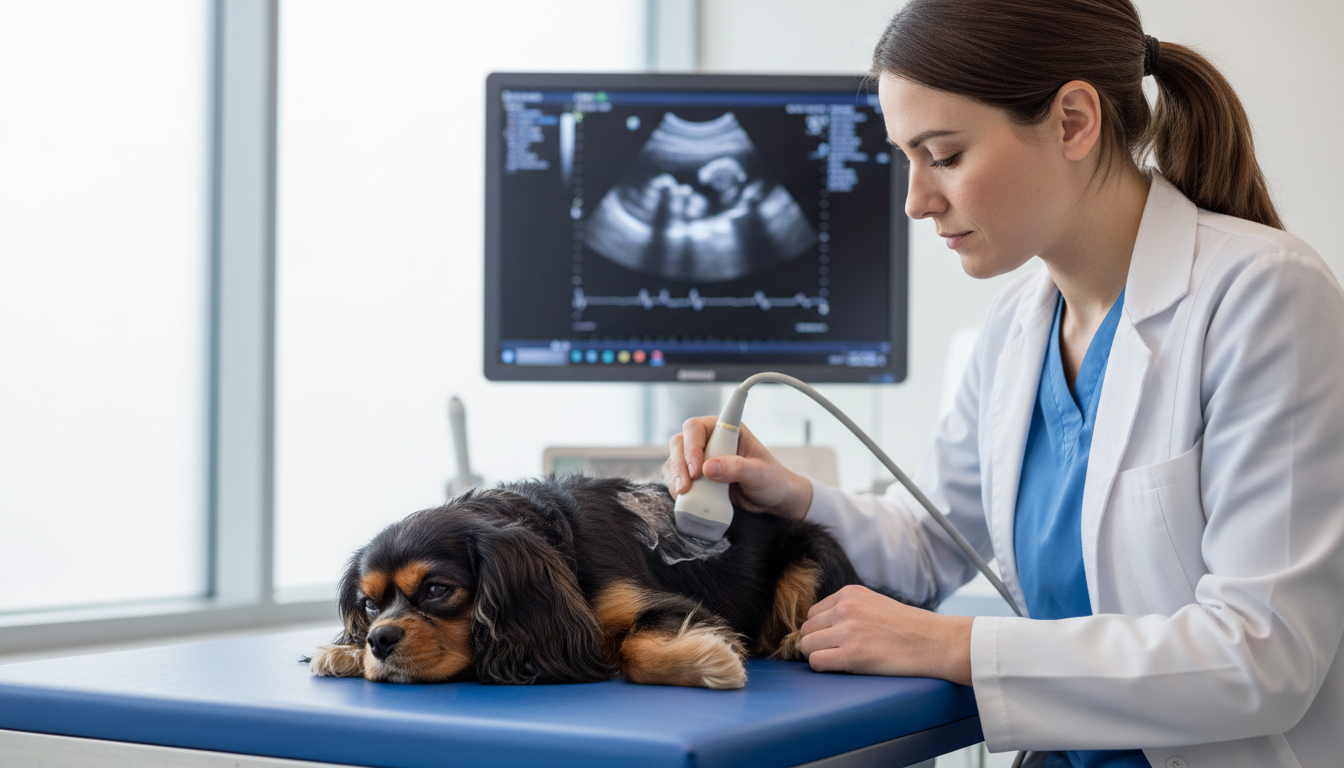
Chest X-rays are commonly used to look at the size and shape of the heart and to check the lungs for early signs of fluid buildup. An echocardiogram, which is an ultrasound of the heart, gives a much more detailed picture of the valve itself and how well the heart is pumping, and it’s often the gold standard for staging the disease. Blood tests may also be used to check for substances the heart releases when it’s under strain, which can help support the overall picture. Your vet will decide which combination of tests makes sense based on what they hear on exam and your dog’s overall health.
Stages of Mitral Valve Disease
Veterinary cardiologists often describe this disease using a staged system that reflects how far it has advanced. Understanding these stages can help you have more informed conversations with your vet about what to expect and when to adjust your dog’s care plan.
Dogs can remain in the earlier stages for years, and not every dog with a murmur will progress to heart failure in their lifetime. Still, because Cavaliers tend to progress through these stages at a younger age than other breeds, regular monitoring is the best tool for knowing where your dog stands at any given time.
- Early stage, where a murmur is present but there are no signs of heart enlargement
- Structural changes, where the heart begins to enlarge in response to the leaking valve but your dog shows no outward symptoms
- Symptomatic heart disease, where signs like coughing, exercise intolerance, or labored breathing start to appear
- Advanced disease, where congestive heart failure develops and more intensive management is needed

Living With a Dog That Has a Heart Murmur
Finding out your Cavalier has a heart murmur can feel alarming, but many dogs live full, happy lives for years after a murmur is first detected. The key is working closely with your vet to monitor the murmur over time rather than treating the diagnosis as an emergency on its own. Your vet may recommend rechecking the murmur and possibly repeating imaging at set intervals to track whether and how quickly things are changing.
In the meantime, there’s a lot you can do at home to support your dog’s overall wellbeing. Keeping your Cavalier at a healthy weight reduces strain on the heart, and moderate, consistent exercise is generally better tolerated than occasional bursts of intense activity. Avoiding excessive heat and humidity, which can make breathing more difficult for dogs with heart changes, is another simple way to help. Your vet can tailor specific recommendations based on your dog’s stage of disease.
When Medication Becomes Part of the Picture
As mitral valve disease progresses and the heart begins to show signs of enlargement or your dog starts developing symptoms, your vet may discuss starting medication to help manage the condition. These medications work in different ways, some by easing the heart’s workload, some by helping the body manage fluid balance, and others by supporting the strength of the heart’s contractions.
It’s important to understand that medication decisions, including which drugs to use and in what combination, need to be made by your vet based on your dog’s specific stage of disease and overall health. Never start, stop, or adjust any heart medication without your vet’s direct guidance, since getting the timing and combination right matters a great deal for dogs with this condition. Regular rechecks allow your vet to adjust the plan as your dog’s needs change over time.
Recognizing Congestive Heart Failure
Congestive heart failure develops when the heart can no longer keep up with the body’s circulation needs, and fluid begins to build up, most commonly in or around the lungs. This is a more advanced stage of mitral valve disease and requires prompt veterinary attention. Recognizing the signs early can make a real difference in how quickly your dog gets the care they need.
If you notice any of these signs, treat it as an emergency and get your dog to a vet or emergency animal hospital right away. Congestive heart failure can progress quickly, and timely treatment gives your dog the best chance of stabilizing.
- Persistent coughing that doesn’t resolve
- Breathing that looks labored even at rest
- A swollen or distended abdomen
- Pale or bluish gums
- Sudden weakness, collapse, or extreme lethargy
The Role of Regular Vet Checkups
Because mitral valve disease is so common in this breed and tends to develop silently in its early stages, routine veterinary checkups are one of the most valuable tools you have. Many vets recommend more frequent heart checks for Cavaliers compared to breeds without this strong predisposition, especially as your dog moves into middle age and beyond.
During these visits, your vet will listen for any new or worsening murmur, ask about changes in your dog’s energy and breathing, and may recommend periodic imaging even if your dog seems perfectly healthy at home. Catching changes early, before symptoms appear, gives you more time to plan and adjust your dog’s care proactively rather than reactively. Think of these checkups as an investment in catching problems while they’re still manageable.

Diet and Weight Management Considerations
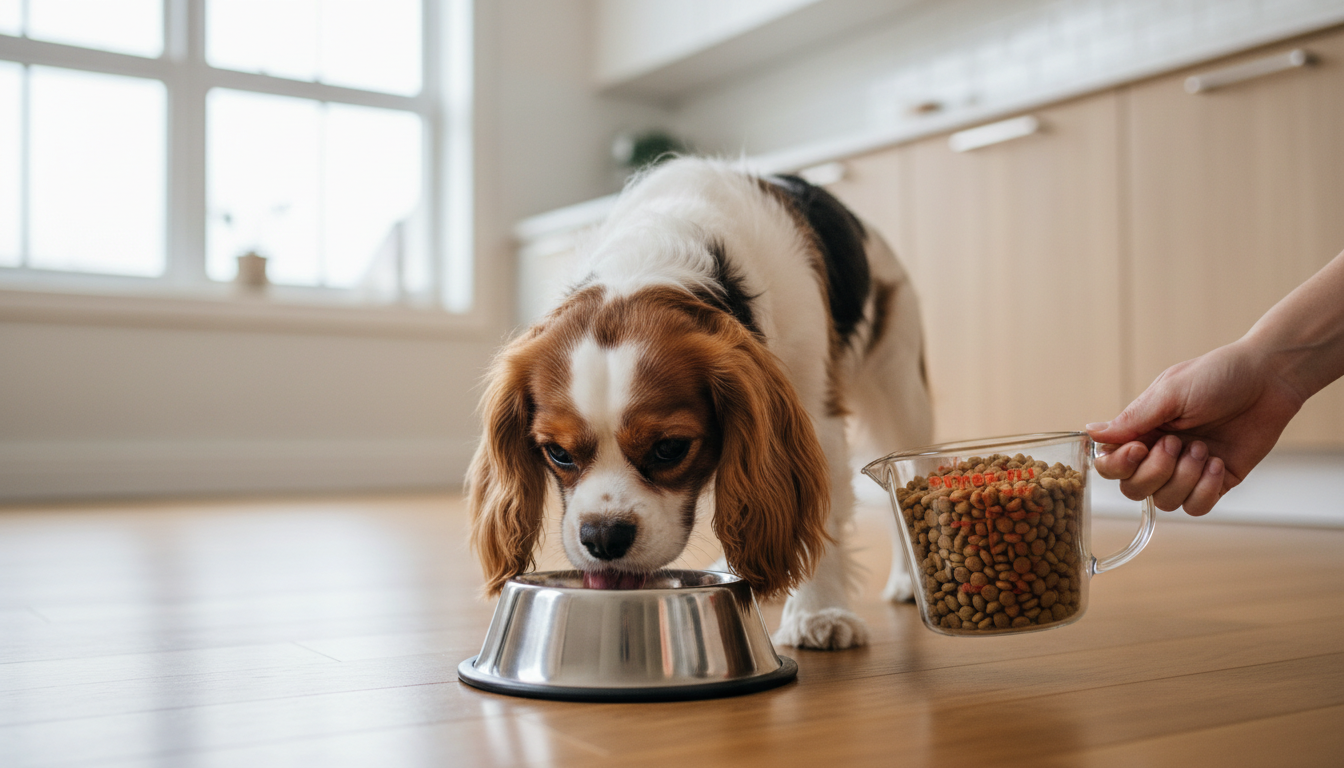
What your Cavalier eats and how much they weigh both play a meaningful role in managing a heart condition like this one. Carrying extra weight forces the heart to work harder with every beat, so keeping your dog lean is one of the simplest ways to reduce unnecessary strain. Your vet can help you figure out an appropriate target weight and feeding plan based on your dog’s age, activity level, and stage of heart disease.
Some vets also recommend dietary adjustments as heart disease progresses, which might include changes related to sodium intake or supplementation with specific nutrients that support heart function. These decisions should always be made in partnership with your vet, since the right approach depends heavily on your dog’s individual stage of disease and any other health conditions they may have. Never make significant diet changes for a dog with heart disease without first talking to your vet.
Exercise Guidelines for Cavaliers With Heart Disease
Exercise doesn’t need to stop once your Cavalier is diagnosed with mitral valve disease, but the approach may need to shift depending on how advanced things are. In the earlier stages, many dogs continue to enjoy regular walks and play without any noticeable limitation. As the disease progresses, your vet may suggest shorter, gentler sessions and closer attention to how your dog responds during and after activity.
Watching for signs of fatigue, excessive panting, or coughing during or after exercise can help you and your vet fine-tune what level of activity is appropriate at any given stage. It’s generally better to offer several short, low-key outings throughout the day rather than one long, strenuous walk, particularly as symptoms develop. Always loop your vet in before making major changes to your dog’s exercise routine once a heart condition has been diagnosed.
Supporting Your Dog’s Quality of Life
Living with a dog who has a chronic heart condition can feel stressful, but many Cavaliers with mitral valve disease continue to enjoy happy, comfortable lives for a long time with the right management plan in place. Focusing on quality of life, rather than trying to eliminate every sign of disease, often leads to a more balanced approach for both you and your dog.
Small adjustments to your daily routine, like providing a comfortable, cool resting spot, avoiding stressful situations that spike heart rate unnecessarily, and keeping up with regular vet visits, all add up over time. Paying attention to your dog’s normal breathing rate at rest, and learning what’s typical for them, can also help you notice subtle changes sooner. Your vet is your best partner in figuring out what quality of life looks like for your individual dog as the disease progresses.
Breeding Considerations and Prevention
If you’re considering adding another Cavalier to your family or are involved in breeding decisions, it’s worth knowing that cardiac screening of breeding dogs has become an important tool in trying to reduce the prevalence of this disease in future generations. Reputable breeders often have adult breeding dogs evaluated by a veterinary cardiologist before breeding, since dogs that develop murmurs at a young age are more likely to pass on that predisposition.
While screening can’t eliminate the risk entirely given how deeply rooted this condition is in the breed, supporting breeders who prioritize cardiac health is one way the broader Cavalier community is working to address the issue over time. If you’re bringing home a new Cavalier puppy, asking about the cardiac history of the parents is a reasonable and informed question to raise with a breeder.
When to See a Vet Right Away
Knowing when a symptom warrants a routine appointment versus urgent care can be confusing, so it helps to have a clear sense of the warning signs that shouldn’t wait. Trust your instincts here. You know your dog’s normal patterns better than anyone, and any significant change is worth having checked out.
If you see any of these signs, don’t wait for a scheduled appointment. Contact your vet or the nearest emergency animal hospital right away, since prompt treatment can make a meaningful difference in how your dog responds and recovers.
- A new cough that persists for more than a day or two
- Noticeably faster or more labored breathing, especially at rest
- Fainting spells or sudden collapse
- Gums that look pale, gray, or bluish instead of healthy pink
- Sudden reluctance to move, extreme lethargy, or apparent distress
This article is for general education and is not a substitute for care from your own veterinarian. Learn about The Pet Vet and our editorial policy.