
Shiba Inu skin allergies show up more often in this breed than many owners expect, and they can turn a confident, clean dog into one who scratches, licks, and chews at himself constantly. Shibas carry a thick double coat and a tendency toward sensitive skin, which together make allergic reactions harder to spot early and easier to let slide into something more serious. This guide walks you through why Shibas are prone to allergies, what to watch for, and how your vet can help.
Table of Contents
- Why Shiba Inus Are Prone to Skin Allergies
- Common Signs to Watch For
- Environmental Allergies (Atopy)
- Food Allergies and Sensitivities
- The Role of the Shiba’s Double Coat
- Secondary Skin Infections
- Ear Involvement in Allergic Shibas
- Diagnosing the Cause of Your Shiba’s Itching
- Bathing and Topical Care
- Medications and Treatments Your Vet May Discuss
- Managing Flare-Ups at Home
- When to See Your Vet
- Living With a Allergy-Prone Shiba Long Term
- Final Thoughts
Why Shiba Inus Are Prone to Skin Allergies
Shiba Inus were bred in mountainous regions of Japan for hunting work, and that heritage gave them a dense double coat built for insulation rather than breathability. That same coat, combined with a genetic tendency toward atopic dermatitis, makes Shibas more likely than many breeds to react to things in their environment or food. Breeders and veterinary dermatologists have long noted that Shibas, along with some other spitz-type breeds, seem to have a lower threshold for allergic skin reactions compared to dogs without that heritage.
It is also worth remembering that allergies in dogs are rarely about a single trigger. A Shiba Inu might be sensitive to pollen in the spring, dust mites in the carpet, a protein in his food, or even his own skin bacteria overgrowing when the skin barrier is already irritated. Because the coat is so dense, moisture and debris can get trapped against the skin, which sets the stage for secondary infections that make the original allergy look and feel worse than it actually is.
None of this means every Shiba will develop allergies, but it does mean owners of this breed benefit from paying closer attention to skin and coat changes than owners of less allergy-prone breeds might.
Common Signs to Watch For
Allergic skin disease in dogs rarely announces itself with one dramatic symptom. Instead, it tends to creep in gradually, starting with mild irritation that owners sometimes mistake for a dry patch or a reaction to a recent bath. Over time, the itching intensifies, and a Shiba may start focusing on specific areas of his body with unusual persistence.
If you notice any of these signs lasting more than a few days, it is worth having your vet take a look rather than waiting to see if it resolves on its own.
- Frequent licking or chewing at the paws, especially between the toes
- Redness or darkened, thickened skin in the armpits, groin, or belly
- Recurrent ear scratching or head shaking without an obvious ear infection
- Hair thinning or bald patches from excessive licking
- A musty or yeasty odor coming from the skin or ears
- Small scabs or bumps that appear after scratching sessions
Environmental Allergies (Atopy)
Environmental allergies, sometimes called atopic dermatitis, happen when a dog’s immune system overreacts to things like pollen, mold spores, or dust mites that are normally harmless. In Shiba Inus, this often shows up seasonally at first, with symptoms flaring in spring or fall and then calming down in between. Over the years, though, many dogs with atopy start reacting to a wider range of triggers, and the itching becomes more of a year-round issue rather than a seasonal one.
Because Shibas have such a dense coat, it can be harder to spot the subtle redness or skin irritation that signals an environmental flare-up until it has progressed to a point where the dog is already uncomfortable. Owners sometimes notice their Shiba rubbing his face along the carpet or furniture, or constantly licking his paws after walks, both of which can be clues that something in the environment is bothering him. Your vet may suggest allergy testing or a trial of certain medications to help pinpoint how much of the itching is environmental in nature.
Food Allergies and Sensitivities
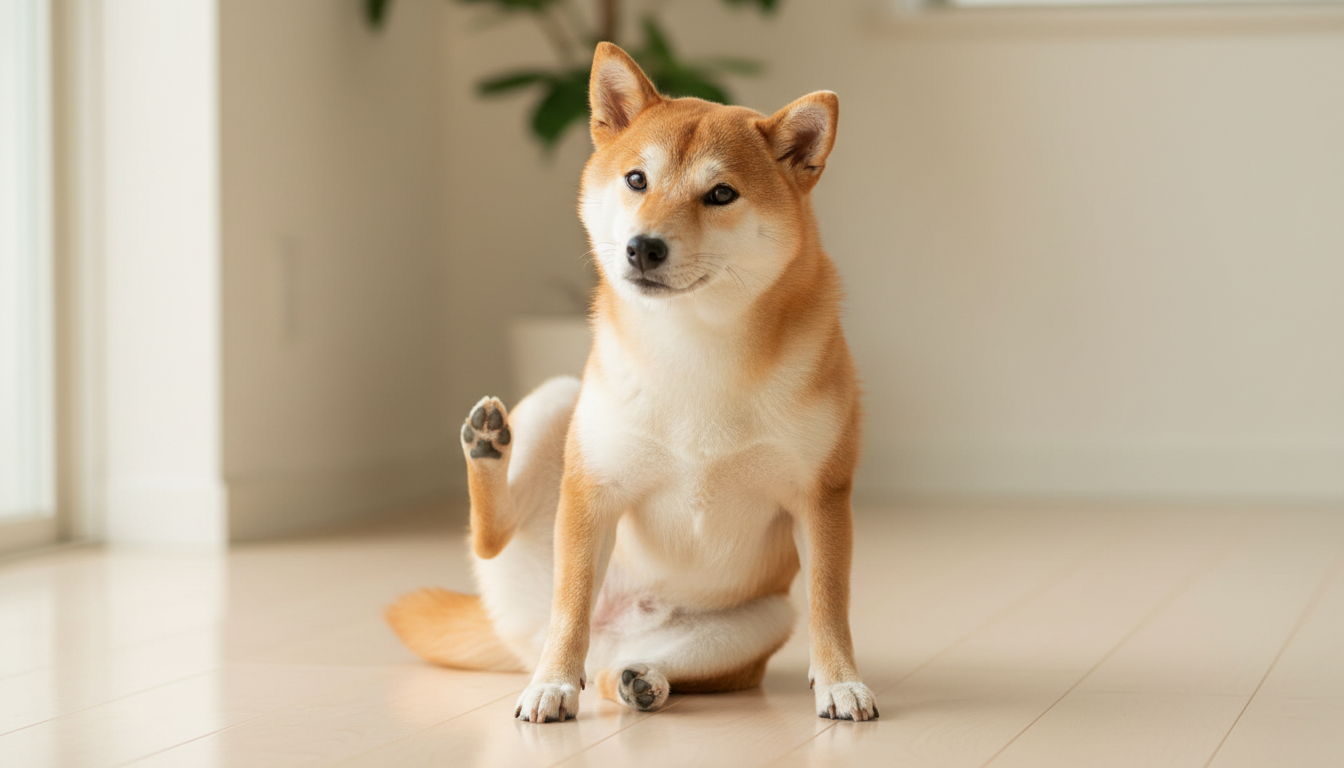
Food allergies work a little differently than environmental ones, since they are triggered by a protein or ingredient in the diet rather than something inhaled or touched. In Shiba Inus, food-related skin reactions often affect the same areas as environmental allergies, which is part of why the two can be tricky to tell apart without professional guidance. Chronic ear infections, itchy paws, and skin irritation around the rear end are all patterns that sometimes point toward a food component.
Diagnosing a true food allergy typically involves a structured elimination diet under veterinary supervision, since over-the-counter allergy tests marketed directly to pet owners are not considered reliable by most veterinary dermatologists. This process takes patience, often several weeks, because the dog needs to eat a single novel or hydrolyzed protein source exclusively before any conclusions can be drawn. Your vet can walk you through what this looks like in practice and help you choose a diet suited to your Shiba’s specific needs.
The Role of the Shiba’s Double Coat
The Shiba Inu’s coat is made up of a soft, dense undercoat and a straighter, coarser outer layer, and this structure plays a real role in how allergies present and progress. Moisture, pollen, and debris can get trapped close to the skin, especially during the heavy seasonal shedding periods often called “blowing coat.” If the skin underneath is already inflamed from an allergic reaction, that trapped debris can make things worse and create an environment where yeast or bacteria multiply more easily.
Regular brushing helps remove loose undercoat and allows air to reach the skin, which can reduce some of this secondary irritation even if it does not address the underlying allergy itself. During shedding season, more frequent brushing sessions are especially helpful, and they also give you a chance to inspect the skin closely for redness, bumps, or hot spots that might otherwise go unnoticed under all that fur.
Secondary Skin Infections
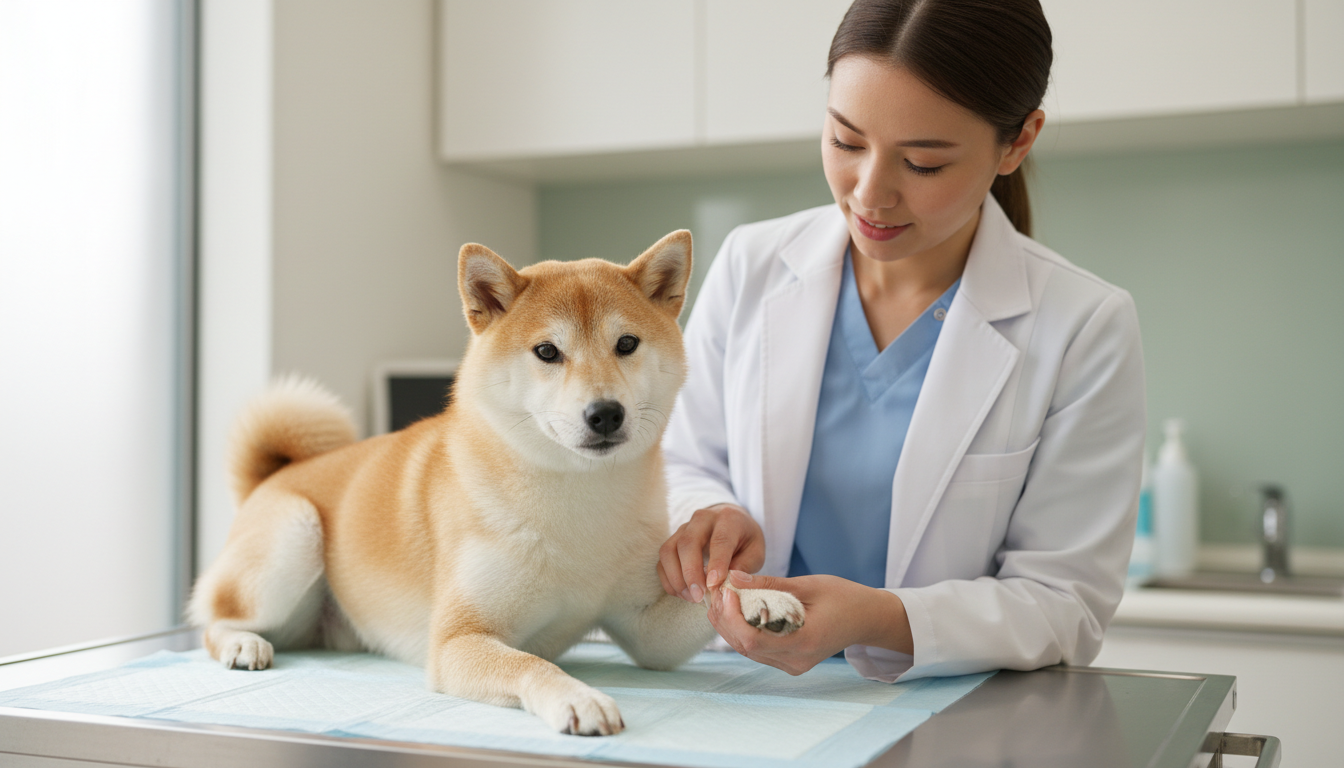
When a Shiba’s skin barrier is compromised by ongoing allergic itching, bacteria and yeast that normally live harmlessly on the skin can multiply out of control. This leads to secondary infections that often look worse than the original allergy and tend to smell distinctly musty or sour. These infections are uncomfortable on their own and can make the underlying allergy feel far more intense than it would otherwise.
Treating the infection is usually a separate step from managing the allergy itself, and your vet will likely want to address both so the dog gets relief and the itch-scratch-infection cycle has a chance to break.
- Greasy or flaky patches with a noticeable odor
- Pustules or small pimple-like bumps on the belly or groin
- Darkened, leathery skin in chronically affected areas
- Persistent paw licking that leaves the fur stained reddish-brown
Ear Involvement in Allergic Shibas
Ears are a common trouble spot for allergic dogs, and Shiba Inus are no exception. The same inflammation that affects the skin elsewhere on the body often extends into the ear canal, creating a warm, moist environment where yeast and bacteria thrive. Owners sometimes focus entirely on the ears without realizing that recurring ear infections can actually be a symptom of an underlying allergy rather than a standalone problem.
Signs of allergic ear involvement include head shaking, scratching at the ears, a buildup of dark or waxy discharge, and a noticeable odor. If your Shiba seems to get ear infections repeatedly despite treatment, it is worth discussing with your vet whether an underlying allergy could be driving the pattern, since treating the ears alone without addressing the allergy often leads to the infections coming right back.
Diagnosing the Cause of Your Shiba’s Itching
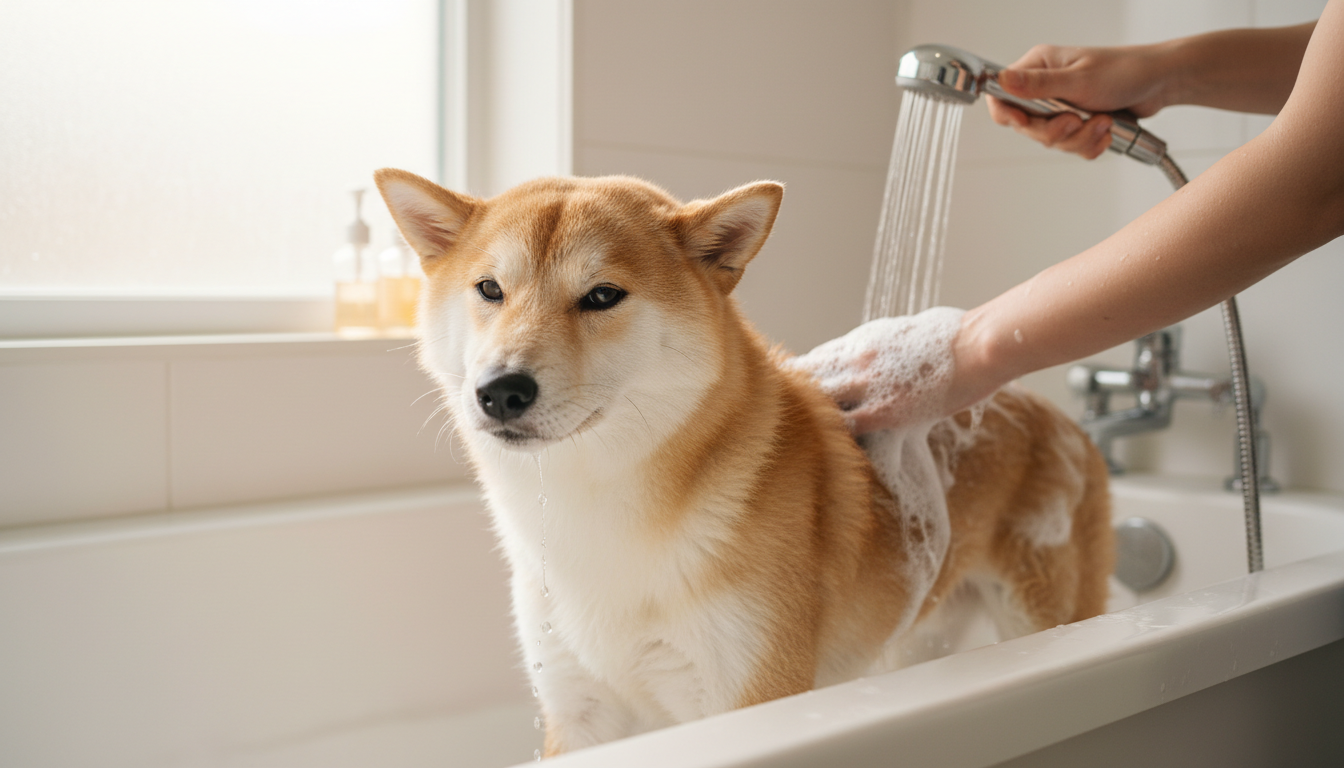
Figuring out exactly what is triggering a Shiba’s skin symptoms usually takes some detective work, since allergies, parasites, and infections can all look similar on the surface. Your vet will likely start by ruling out fleas, mites, and other parasites, since these are treatable and common culprits that mimic allergic symptoms closely. From there, they may recommend skin scrapings, cytology to check for yeast or bacteria, or referral to a veterinary dermatologist for more specialized testing.
Getting an accurate diagnosis matters because treating the wrong cause wastes time and leaves your Shiba uncomfortable longer than necessary.
- A detailed history of when symptoms started and whether they are seasonal
- Skin scrapings or tape tests to check for mites or yeast
- Cytology samples from affected skin or ears
- Possible referral for intradermal or blood allergy testing
- A food trial if food allergy is suspected
Bathing and Topical Care
Bathing can play a genuinely helpful role in managing allergic skin disease, particularly for a breed with as much coat as the Shiba Inu. Medicated shampoos prescribed by your vet can soothe inflamed skin, reduce the population of yeast and bacteria contributing to odor and irritation, and provide some relief from itching between other treatments. The key is using products your vet actually recommends rather than generic human shampoos, which can strip natural oils and make irritation worse.
Because the Shiba’s coat is so dense, it is important to make sure the dog is rinsed thoroughly and dried completely after bathing, since leftover shampoo residue or trapped moisture can contribute to further skin problems. Your vet can suggest a bathing frequency and product combination suited to your dog’s specific skin condition, since over-bathing can sometimes do as much harm as under-bathing.
Medications and Treatments Your Vet May Discuss
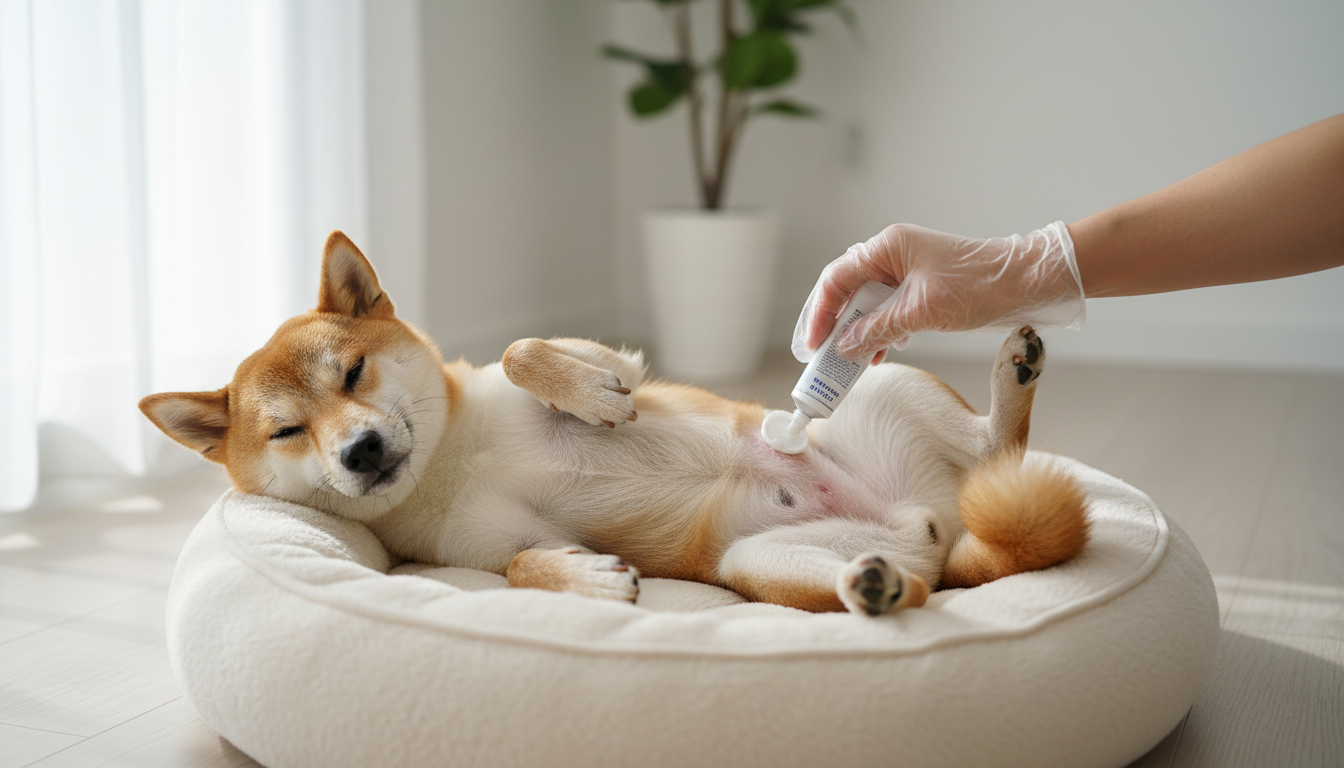
There are a number of treatment options available for allergic dogs today, and the right combination depends on the severity of your Shiba’s symptoms, how long they have been going on, and whether a secondary infection is present. Your vet is the right person to walk you through these options and tailor a plan specifically for your dog rather than relying on general advice found online.
Because allergic skin disease tends to be a long-term condition rather than something that resolves permanently, many Shibas need an ongoing management plan rather than a single short course of treatment.
- Prescription medications to reduce itching and inflammation
- Allergen-specific immunotherapy for confirmed environmental allergies
- Topical treatments for localized flare-ups
- Supplements that support skin barrier function
- Treatment for any secondary bacterial or yeast infection
Managing Flare-Ups at Home
Between vet visits, there is a lot you can do at home to help keep your Shiba comfortable and reduce the frequency of flare-ups. Consistency tends to matter more than any single product, since allergic skin reacts well to steady routines and poorly to constant changes in diet, grooming products, or environment.
These habits will not cure an underlying allergy, but they can meaningfully reduce the number and severity of flare-ups your dog experiences.
- Brush your Shiba regularly, especially during seasonal shedding
- Wipe paws and belly after walks to remove pollen and debris
- Keep bedding clean and washed frequently in hot water
- Stick to a consistent diet without frequent treat or food changes
- Use a vet-recommended flea prevention product year-round
- Keep nails trimmed to reduce damage from scratching
When to See Your Vet
Mild, occasional itching is common in most dogs and is not automatically a reason to panic. However, certain signs suggest it is time to get your Shiba evaluated rather than waiting to see if things improve on their own. Persistent symptoms almost always respond better to treatment when they are caught early, before the skin barrier is badly damaged or a secondary infection has taken hold.
Your vet can determine whether you are dealing with allergies, parasites, an infection, or some combination, and can build a treatment plan suited specifically to your Shiba.
- Itching, licking, or chewing that lasts more than a few days
- Visible hair loss, redness, or skin thickening
- A strong odor coming from the skin or ears
- Open sores, scabs, or signs of self-trauma
- Recurrent ear infections despite previous treatment
- Any sudden change in behavior alongside skin symptoms
Living With a Allergy-Prone Shiba Long Term
Many Shiba Inus live full, happy lives with allergies that are simply part of their ongoing health picture, much like some people manage seasonal hay fever or eczema for years. The goal is rarely to eliminate every trace of sensitivity but rather to keep symptoms controlled enough that your dog is comfortable and the skin barrier stays as healthy as possible. This usually means periodic check-ins with your vet, adjustments to the management plan as seasons or life circumstances change, and attentiveness to early warning signs before they become major flare-ups.
Owners who stay consistent with grooming, diet, and preventive care tend to see fewer severe episodes over time, even if occasional flare-ups still happen. Patience is a real part of managing this condition, since finding the right combination of strategies can take some trial and error, and what works well one year may need adjusting the next as your Shiba ages or his environment changes.
Final Thoughts
Shiba Inu skin allergies are a common part of owning this breed, but they do not have to control your dog’s daily comfort or your peace of mind. Understanding why Shibas are prone to these reactions, recognizing the early signs, and working closely with your vet to build a management plan gives your dog the best chance at a comfortable, itch-free life. If you notice ongoing scratching, redness, or odor, do not wait for things to resolve on their own, reach out to your vet and get your Shiba evaluated properly.
This article is for general education and is not a substitute for care from your own veterinarian. Learn about The Pet Vet and our editorial policy.