
Beagle ear infections are one of the most frequent reasons this breed ends up at the vet. Those long, floppy ears that make Beagles so recognizable also create a warm, moist, low-airflow environment where yeast and bacteria thrive. If your Beagle is shaking their head, scratching at their ears, or you’ve noticed an odor you can’t quite place, you’re not imagining things. This guide walks you through why Beagles are so prone to ear trouble, what to watch for, and how to keep their ears healthier long term.
Table of Contents
- Why Beagle Ears Are So Prone to Infection
- Common Signs of an Ear Infection in Beagles
- What Causes Ear Infections in This Breed
- How Vets Diagnose Ear Infections in Beagles
- Treatment Options Your Vet May Recommend
- At-Home Ear Care Between Vet Visits
- Drying Ears After Water Exposure
- The Role of Allergies in Recurring Infections
- Hair Growth and Grooming Considerations
- When Ear Infections Signal Something More Serious
- Preventing Future Ear Infections
- Living with a Beagle’s Ear Needs
- When to See Your Vet
Why Beagle Ears Are So Prone to Infection
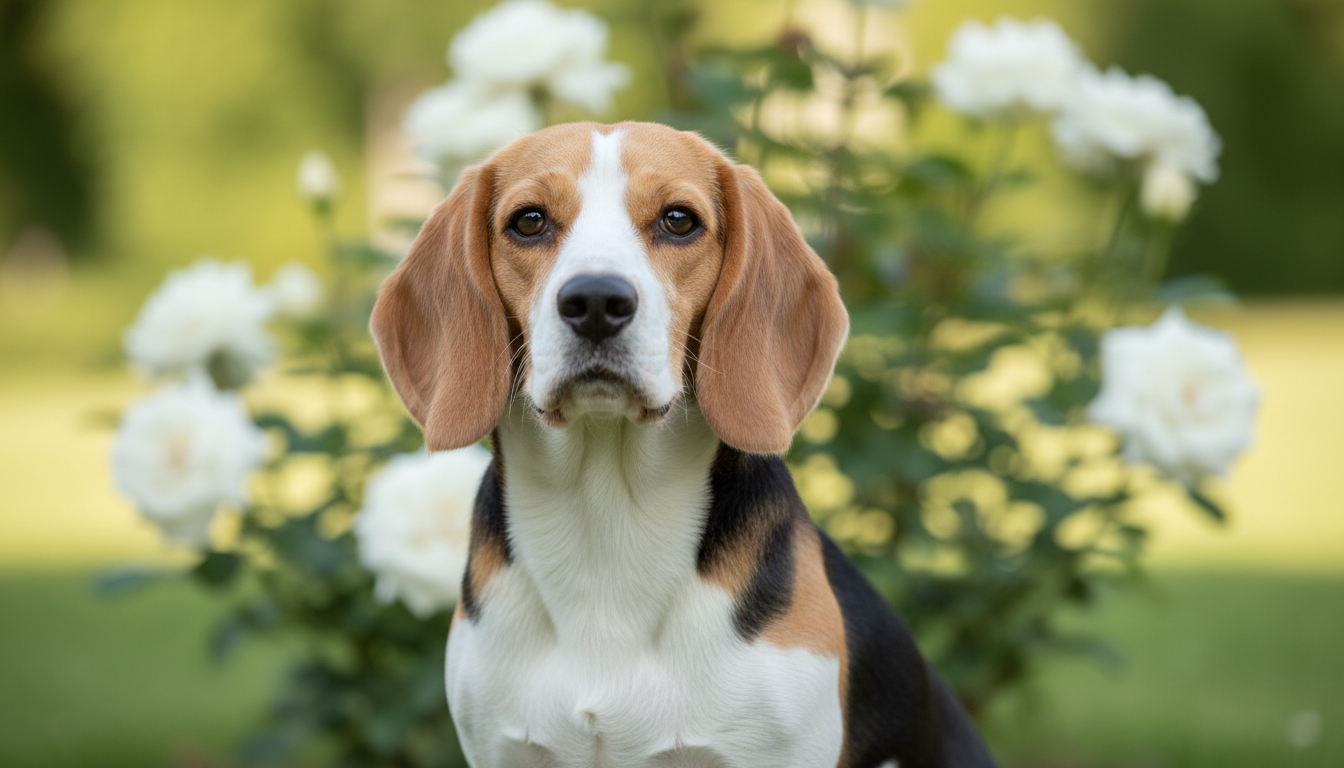
Beagle ears hang down and cover the ear canal almost completely, which blocks normal airflow. Unlike dogs with upright ears, where air circulates freely and moisture evaporates quickly, a Beagle’s ear flap traps warmth and humidity against the skin of the ear canal. That damp, dark environment is exactly what yeast and bacteria need to multiply.
On top of the shape issue, Beagles tend to have narrower ear canals and more hair growth inside the ear than some other breeds. Combine that with their famous love of water, mud, tall grass, and sniffing their way through just about anything outdoors, and you have a breed that’s practically built to collect debris and moisture in its ears. Add seasonal allergies, which Beagles are also known for, and the ear canal lining can become inflamed even before an infection sets in, making it easier for germs to take hold.
It helps to think of the Beagle ear as a pocket rather than an open tube. Anything that gets in—water from a bath, pollen, dirt, wax—tends to stay in unless you actively help it come back out. That’s why ear care for this breed isn’t a once-in-a-while chore; it needs to be a regular part of your routine.
Common Signs of an Ear Infection in Beagles
Catching an ear infection early makes treatment faster and far more comfortable for your dog. Beagles are stoic about a lot of things, but ear pain usually shows up in their behavior if you know what to look for. Many owners notice the smell before anything else, since a yeasty or bacterial ear infection often has a distinct, unpleasant odor.
If you notice any combination of these signs, it’s worth getting your Beagle seen by a vet rather than waiting to see if it clears up on its own. Ear infections that go untreated can spread deeper into the ear canal and become much harder and more expensive to resolve.
- Frequent head shaking or tilting to one side
- Scratching at the ears or rubbing the side of the face on furniture or the floor
- Redness, swelling, or a waxy brown, yellow, or black discharge
- A strong, unpleasant odor coming from the ear
- Sensitivity or pain when the ear is touched
- Visible hair loss or scabbing around the ear flap from scratching
What Causes Ear Infections in This Breed
Ear infections in Beagles are rarely caused by just one thing. Most cases involve a combination of the breed’s anatomy and an underlying trigger that tips the balance toward infection. Moisture trapped after swimming or bathing is one of the most common culprits, especially if the ears aren’t dried thoroughly afterward.
Allergies, whether to food or environmental triggers like pollen and dust, are another major factor. When a Beagle’s immune system reacts to an allergen, it often shows up as inflammation in the ears long before it shows up anywhere else. Wax buildup, foreign material like grass seeds or foxtails, and even hormonal imbalances can also set the stage for infection. Because so many different things can contribute, a vet will usually want to look closely at the ear and sometimes run a simple test to see whether yeast, bacteria, or both are involved before deciding on treatment.
How Vets Diagnose Ear Infections in Beagles
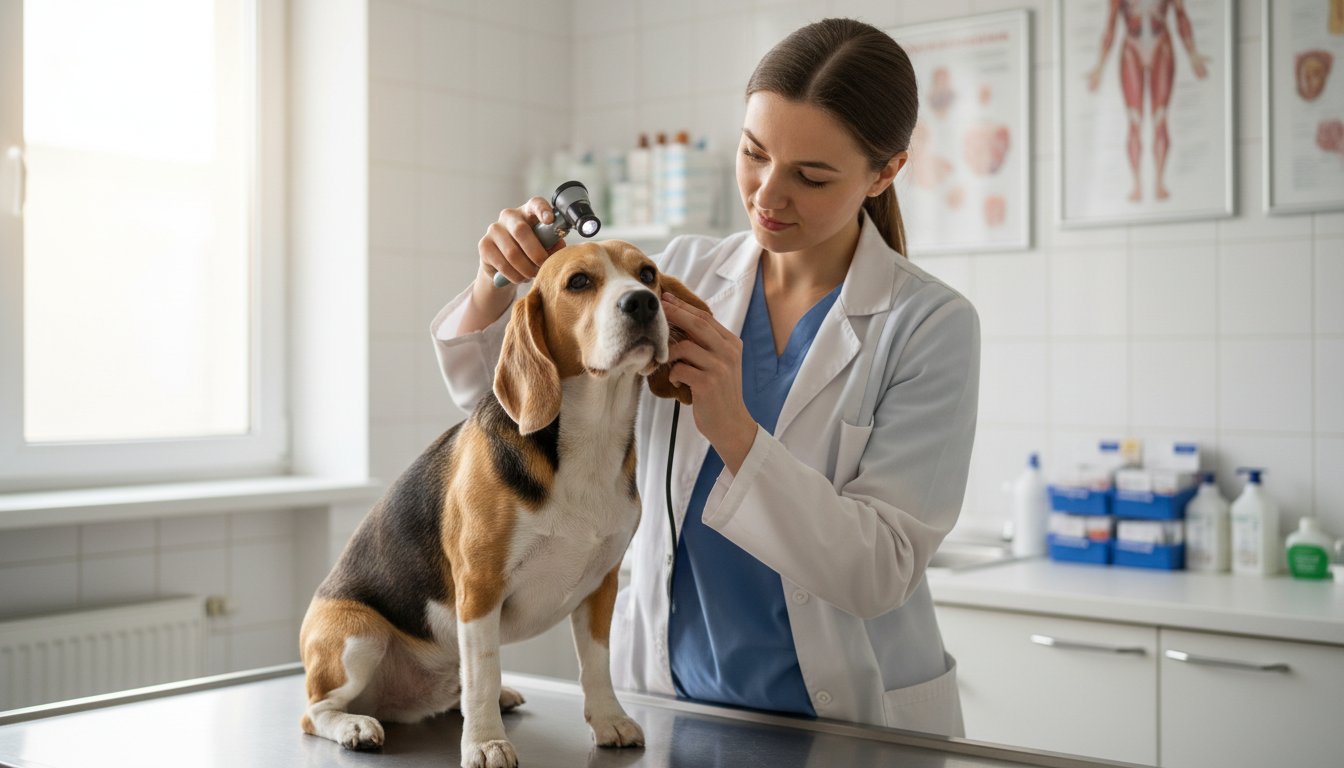
A vet visit for a suspected ear infection usually starts with an otoscope exam, which lets them look down the ear canal and check the eardrum. This step matters because treatment can differ depending on whether the eardrum is intact, and because the vet needs to see how far the inflammation or discharge extends.
In many cases, the vet will also take a small sample of the discharge to examine under a microscope. This helps identify whether the infection involves yeast, bacteria, or a mix of both, which guides what kind of treatment will actually work. Skipping this step and guessing at treatment can lead to infections that linger or come back quickly, so it’s worth being patient through the diagnostic process even if your Beagle is uncomfortable in the moment.
Treatment Options Your Vet May Recommend
Treatment for a Beagle ear infection depends on what’s causing it and how severe it has become. Your vet is the right person to determine the specific medication and course of treatment for your dog, since the wrong approach can make things worse or mask a problem that needs different care.
It’s tempting to stop treatment as soon as your Beagle seems more comfortable, but infections that look resolved on the surface can still be active deeper in the canal. Always finish the full course your vet recommends and attend any follow-up appointments they suggest.
- A thorough ear cleaning performed by the vet to remove debris and discharge before any medication is applied
- Prescription ear drops or ointments targeted at the specific type of infection found
- Oral medication in more severe or chronic cases
- A recheck appointment to confirm the infection has fully cleared
- Addressing any underlying allergy or skin condition that’s contributing to repeat infections
At-Home Ear Care Between Vet Visits
Once your vet has cleared an active infection, keeping up with regular ear maintenance at home can make a real difference in how often problems return. Routine checks let you catch trouble early, before it turns into a full infection that needs medication.
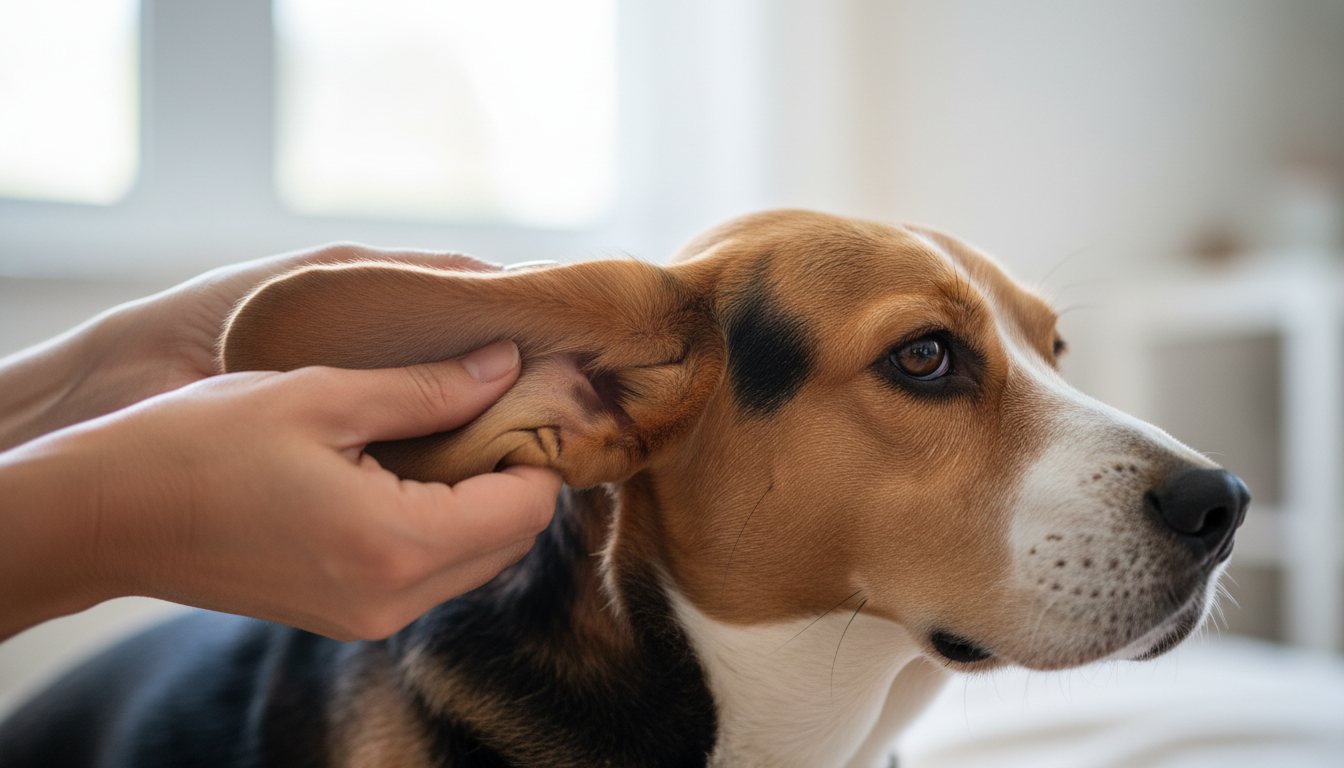
Lift the ear flap and look inside a couple of times a week, getting a sense of what’s normal for your Beagle so you notice changes quickly. A healthy ear should be a light pink color with minimal wax and no strong odor. Ask your vet to recommend a dog-safe ear cleaning solution and show you the proper technique, since over-cleaning or using the wrong product can actually irritate the ear canal and do more harm than good.
Drying Ears After Water Exposure
Because moisture is such a big trigger for Beagle ear infections, drying the ears thoroughly after swimming, bathing, or playing in wet grass is one of the simplest things you can do to help. Water that sits trapped under the ear flap gives yeast and bacteria exactly the conditions they need to grow.
This simple habit, done consistently, can meaningfully cut down how often you’re dealing with inflamed or infected ears, especially if your Beagle is a regular swimmer or spends a lot of time outdoors in wet conditions.
- Gently pat the inside of the ear flap with a clean, dry towel after any water exposure
- Avoid inserting cotton swabs or anything deep into the ear canal
- Use a vet-approved drying solution if your Beagle swims or bathes frequently
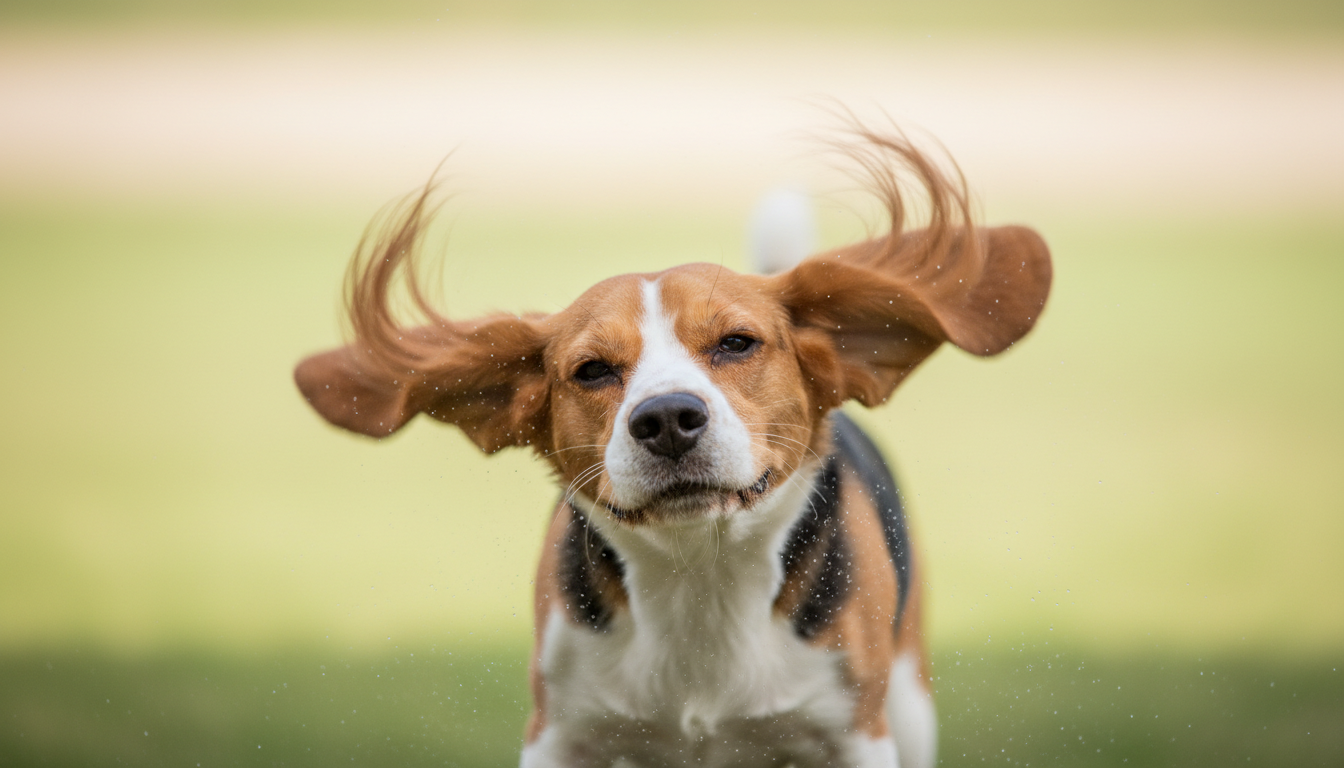
- Let your Beagle shake their head naturally, which helps clear some moisture on its own
- Check ears again an hour or two later if they got particularly soaked
The Role of Allergies in Recurring Infections
If your Beagle seems to get ear infections over and over despite good ear care, allergies are often the underlying reason. Both environmental allergies, like pollen, dust mites, or mold, and food allergies can cause chronic inflammation in the ear canal that makes infections far more likely to take hold and harder to clear completely.
Working with your vet to identify and manage an underlying allergy is often the key to breaking the cycle of repeat ear infections. This might involve a diet trial, allergy testing, or medication to manage the immune response, depending on what your vet thinks is most likely going on. It can take some patience and a bit of trial and error to pin down the trigger, but addressing the root cause tends to work far better long term than only treating each infection as it comes up.
Hair Growth and Grooming Considerations
Some Beagles grow a fair amount of hair inside the ear canal, which can trap wax and debris and reduce airflow even further. If your vet notices excessive hair growth contributing to ear problems, they may recommend having it carefully trimmed or plucked during a professional grooming or vet visit.
This isn’t something to attempt yourself at home, since the ear canal is sensitive and easy to injure if you’re not experienced with the technique. A groomer or vet tech who regularly works with floppy-eared breeds will know how to manage this safely, and it’s worth asking about during routine grooming appointments if your Beagle tends to have waxier or more congested ears than average.
When Ear Infections Signal Something More Serious
Most Beagle ear infections are straightforward to treat once identified, but occasionally they point to something more involved. A middle or inner ear infection, for example, can cause balance problems, unusual eye movements, or a head tilt that doesn’t go away, and these cases need prompt veterinary attention.
If you notice any of these signs, don’t wait for a routine appointment. Contact your vet promptly or seek emergency care, since deeper ear infections can affect your dog’s nervous system if left untreated.
- Loss of balance or stumbling
- A head tilt that persists even when your Beagle isn’t actively shaking their head
- Unusual eye movements
- Signs of pain beyond what you’d expect from a surface-level ear infection
- Infection that doesn’t improve despite completing a full course of treatment
Preventing Future Ear Infections
Prevention in Beagles is really about consistency rather than any single product or trick. Regular checks, prompt drying after water exposure, and staying on top of allergy management all work together to keep the ear environment less hospitable to infection.
A little consistency goes a long way with this breed. Beagle owners who build ear checks into their regular routine, the same way they’d brush teeth or trim nails, tend to deal with far fewer infections over their dog’s lifetime.
- Check ears weekly, even when nothing seems wrong
- Clean with a vet-recommended solution on a schedule your vet suggests, not more often than needed
- Dry ears thoroughly after swimming or bathing
- Keep up with flea, tick, and allergy management as advised by your vet
- Schedule a vet check at the first sign of odor, redness, or scratching rather than waiting
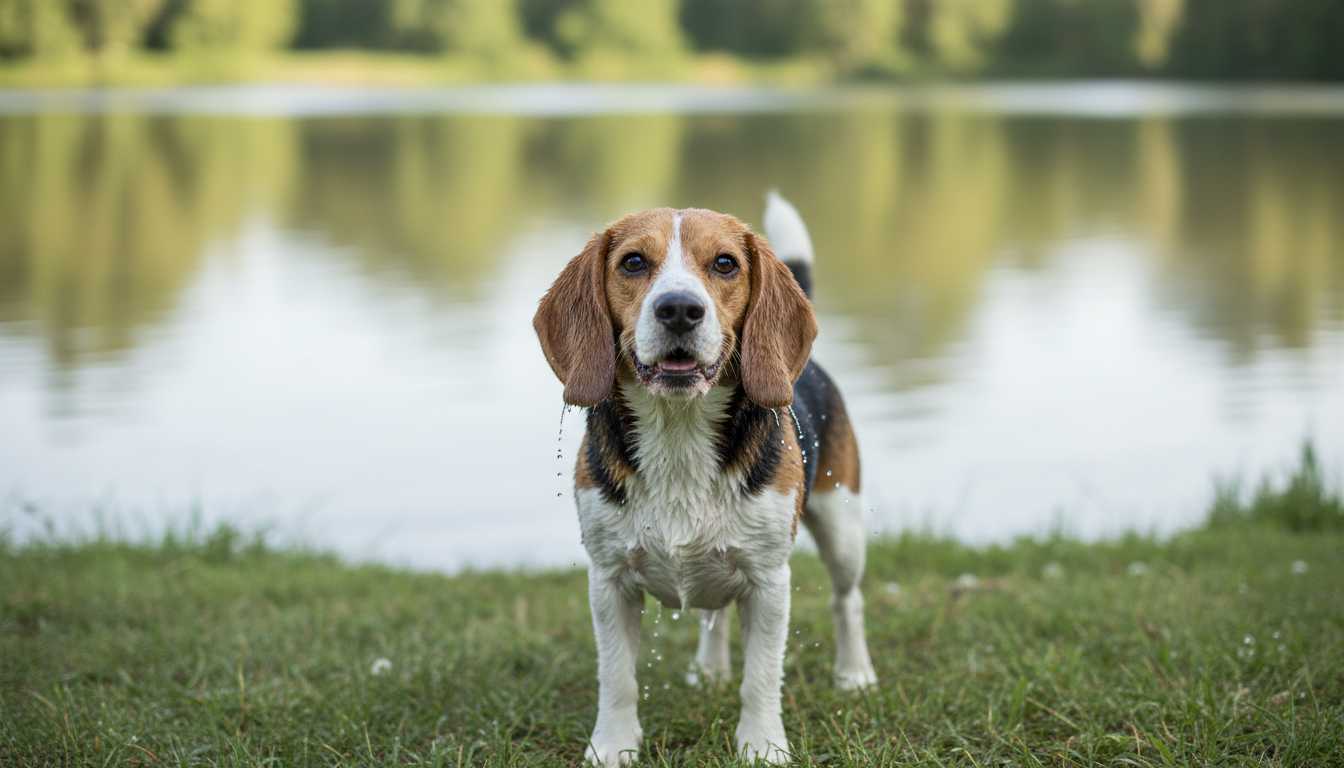
Living with a Beagle’s Ear Needs
Owning a Beagle means accepting that ear care is simply part of the package, much like their love of food or their tendency to follow their nose into trouble. It doesn’t have to be a major burden once it becomes routine, and most owners find that a few minutes a week is enough to stay ahead of problems.
Try to think of ear care as part of bonding time with your dog rather than a chore to dread. Many Beagles actually enjoy having their ears gently handled once they’re used to it, especially if it’s paired with praise or a small reward. Building this habit early, even with a puppy who doesn’t have ear problems yet, sets you both up for an easier time managing this lifelong aspect of the breed.
When to See Your Vet
Any time you notice odor, discharge, redness, swelling, or your Beagle showing discomfort around their ears, it’s worth scheduling a vet visit rather than waiting to see if it resolves on its own. Ear infections rarely get better without treatment, and the longer one goes unaddressed, the more uncomfortable it becomes for your dog and the more involved the treatment may need to be.
Your vet is also the best resource for figuring out why infections keep happening if this is a recurring issue for your Beagle, since they can look at the full picture including allergies, ear shape, and lifestyle factors unique to your dog. Don’t hesitate to reach out even if you’re not sure whether what you’re seeing counts as a real problem. It’s always better to have it checked and find out it’s nothing serious than to let a true infection progress untreated.
This article is for general education and is not a substitute for care from your own veterinarian. Learn about The Pet Vet and our editorial policy.