
French Bulldog digestive sensitivity is something many owners deal with on a regular basis, from gassy evenings to unpredictable bouts of soft stool. This breed’s compact body, short face, and food-driven personality all play a role in how its gut handles daily life. If your Frenchie seems to struggle with meals more than other dogs you’ve owned, you’re not imagining things. Here’s what’s going on and how to help.
Table of Contents
- Why French Bulldogs Are Prone to Digestive Trouble
- Common Signs of a Sensitive Stomach
- The Role of Brachycephalic Anatomy
- Food Sensitivities and Allergies
- Fast Eating and Bloat Risk
- When Digestive Upset Signals Something More Serious
- Diet Choices That Support a Sensitive Stomach
- The Impact of Stress on Digestion
- Managing Gas and Bloating Day to Day
- Probiotics and Digestive Supplements
- Hydration and Its Role in Digestive Health
- Working With Your Veterinarian
- Everyday Habits That Support a Healthier Gut
- When to See Your Vet Right Away
Why French Bulldogs Are Prone to Digestive Trouble
French Bulldogs were bred to have a compact, muscular body packed into a small frame, and that same body plan affects their internal organs, including the digestive tract. Many Frenchies have a slightly shorter gastrointestinal tract relative to their size, which can mean food moves through faster or less efficiently than in other breeds. This can make the gut more reactive to changes in diet, stress, or even the speed at which your dog eats.
On top of their body structure, French Bulldogs are notorious fast eaters. Because they tend to gulp food and air at the same time, they are more prone to gas, bloating sensations, and mild stomach upset after meals. Add in their enthusiasm for table scraps and new treats, and you have a breed whose stomach is often working overtime just to keep up with its appetite.
Genetics also seem to play a part. Many Frenchies inherit a tendency toward food sensitivities or mild intolerances, which can show up as soft stool, excessive gas, or intermittent vomiting. While not every French Bulldog will have serious digestive issues, a large number of owners report at least occasional stomach sensitivity as a normal part of life with this breed.
Common Signs of a Sensitive Stomach
Digestive sensitivity in French Bulldogs can show up in several different ways, and it often comes and goes rather than being constant. Some dogs have obvious flare-ups after a diet change or a new treat, while others seem to have unpredictable “off” days for no clear reason. Learning to recognize the pattern in your own dog can help you catch problems early.
If you notice these signs happening often, it’s worth mentioning to your vet rather than assuming it’s just “how Frenchies are.” A pattern of ongoing digestive upset deserves a proper look, since it could point to something more specific that needs addressing.
- Soft or loose stool that comes and goes
- Frequent gas or a noticeably gassy smell
- Occasional vomiting, especially after eating too fast
- Lip licking or gulping before a stomach upset
- Reduced appetite on days when the stomach seems unsettled
- Stomach gurgling that you can sometimes hear from across the room
The Role of Brachycephalic Anatomy
French Bulldogs are brachycephalic, meaning they have short, flat faces, and this anatomy affects more than just breathing. Dogs with this facial structure often swallow more air while eating and drinking, which contributes to bloating, gas, and general stomach discomfort. The effort it takes to breathe while eating can also make mealtimes more stressful on the body than they are for dogs with longer snouts.
Because breathing and swallowing share some of the same anatomical space in brachycephalic breeds, there can also be a connection between airway issues and digestive symptoms. Some French Bulldogs with more pronounced breathing difficulty seem to have a higher likelihood of digestive upset as well. This is one more reason why managing your Frenchie’s airway health and their digestive health often go hand in hand.
Your vet can help you understand how your individual dog’s anatomy might be contributing to stomach issues, and in some cases, airway-related treatments can lead to noticeable improvement in digestion as a side benefit.

Food Sensitivities and Allergies
Some French Bulldogs deal with true food sensitivities or allergies, where specific ingredients trigger digestive upset or skin issues. Common culprits reported by owners include certain proteins, grains, and artificial additives, though every dog is different. Identifying a trigger usually takes patience and often involves working with your vet on an elimination approach rather than guessing at home.
Because this breed already has a tendency toward sensitive digestion, layering a true food allergy on top can make symptoms more intense or more frequent. Signs that point toward a possible food sensitivity include digestive upset that consistently follows certain foods, chronic ear infections, itchy skin, or paw licking alongside stomach issues. If you notice this kind of overlap, it’s worth discussing a structured diet trial with your veterinarian.
- Soft stool that reliably follows a specific treat or food
- Skin itching or ear infections alongside digestive upset
- Symptoms that improve when a certain ingredient is removed
- Chronic paw licking or chewing paired with gut issues
Fast Eating and Bloat Risk
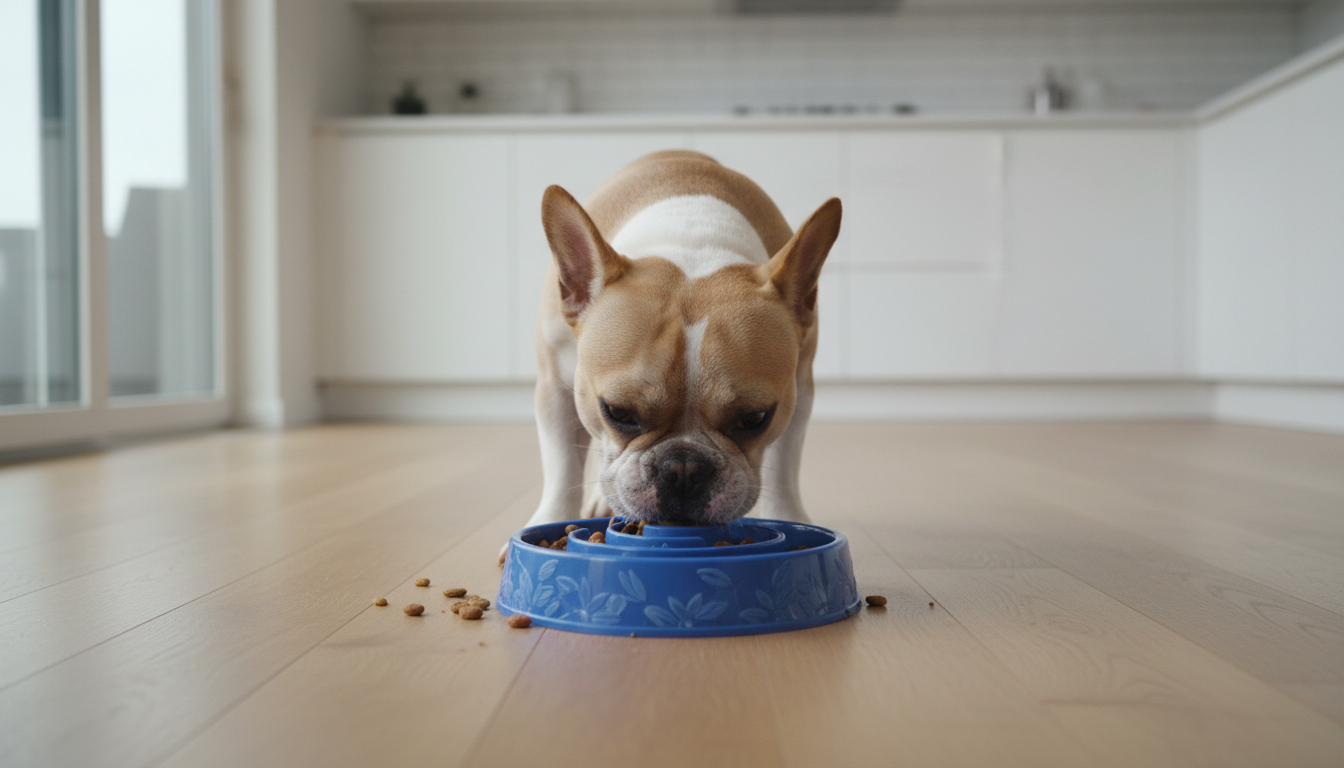
Many French Bulldogs eat as though every meal might be their last, and that enthusiasm can work against them. Eating too quickly means swallowing more air, which can lead to uncomfortable bloating and gas. In more serious cases, rapid eating combined with a deep chest can raise concerns about more dangerous conditions involving the stomach twisting on itself, which is a true emergency.
Slowing down your dog’s eating pace isn’t just about comfort, it’s a meaningful way to reduce strain on the digestive system. Simple changes at mealtime can make a noticeable difference in how your Frenchie feels afterward, and these changes are generally easy to put into practice at home.
- Use a slow-feeder bowl designed to make eating take longer
- Split daily food into smaller, more frequent meals
- Avoid vigorous exercise right before or after eating
- Keep mealtimes calm and free of excitement or competition with other pets
When Digestive Upset Signals Something More Serious
While occasional soft stool or gas is common in this breed, certain symptoms should never be brushed off as “just a Frenchie thing.” Sudden severe vomiting, a bloated or hard abdomen, repeated unproductive attempts to vomit, or visible pain when the belly is touched can all be signs of a serious emergency. Dogs with deep chests, including French Bulldogs, are at risk for gastric dilatation-volvulus, a life-threatening condition that requires immediate veterinary care.
Blood in the stool, black or tarry stool, prolonged vomiting lasting more than a day, or a dog who seems lethargic and unwilling to eat for an extended period are also signs that warrant a same-day vet visit rather than a wait-and-see approach. Trust your instincts here. You know your dog’s normal patterns, and anything that feels significantly different deserves professional attention rather than guesswork.
If you are ever unsure whether what you’re seeing is routine sensitivity or something urgent, it is always safer to call your vet and describe the symptoms than to assume it will pass on its own.
Diet Choices That Support a Sensitive Stomach
Choosing the right food can make a real difference for a French Bulldog with a touchy digestive system. Many owners find success with diets formulated for sensitive stomachs, which tend to use simpler ingredient lists and easily digestible proteins. Consistency matters just as much as the specific food you choose, since frequent diet changes can themselves trigger digestive upset in a breed already prone to it.
Your veterinarian is the best resource for narrowing down what food might work well for your individual dog, especially if you suspect an allergy or intolerance rather than general sensitivity. They may recommend a specific therapeutic diet or guide you through a structured trial to identify triggers safely.
- Choose foods with a short, simple ingredient list
- Introduce any new food gradually over a week or more
- Avoid frequent brand switching unless advised by your vet
- Keep treats consistent and limit table scraps
- Monitor stool quality and energy levels when trying something new
The Impact of Stress on Digestion
French Bulldogs are known for their strong attachment to their people, and that emotional sensitivity can extend to their gut. Stressful situations like travel, boarding, loud environments, or even a change in routine can trigger digestive upset in dogs who are prone to it. This breed’s close bond with its owners means changes in the household, such as a new pet or a shift in schedule, can sometimes show up as stomach trouble before any other sign.
Recognizing this connection can help you plan ahead during known stressful periods. Keeping routines as consistent as possible, providing a familiar space during travel, and easing into changes gradually can all help reduce stress-related digestive flare-ups.
Managing Gas and Bloating Day to Day
Gas is one of the most common complaints among French Bulldog owners, and while it’s often more of a nuisance than a medical concern, there are ways to reduce it. Diet, eating speed, and activity level all play a role in how much gas your dog produces. Making small adjustments to your daily routine can lead to noticeably less discomfort for your dog and a more pleasant living room for you.
If gas becomes excessive, paired with visible discomfort, or starts happening alongside other symptoms like vomiting or lethargy, it’s worth having your vet rule out underlying causes rather than assuming it’s purely dietary.
- Feed smaller portions more frequently instead of one large meal
- Avoid feeding right before bedtime
- Limit high-fat treats and fatty table scraps
- Encourage gentle movement after meals rather than immediate rest
- Keep a log of foods that seem to worsen gas
Probiotics and Digestive Supplements
Many owners of sensitive-stomached French Bulldogs explore probiotics or digestive supplements to help support gut health. These products are intended to support a healthy balance of gut bacteria, which can play a role in digestion and overall comfort. While some dogs seem to benefit, results vary from dog to dog, and supplements should never replace a conversation with your veterinarian about ongoing digestive issues.
Before adding any supplement to your dog’s routine, it’s important to check with your vet, especially if your dog is already on medication or has an underlying health condition. Your vet can also help you choose a product formulated specifically for dogs, since human probiotics are not necessarily appropriate or safe for pets.
Hydration and Its Role in Digestive Health
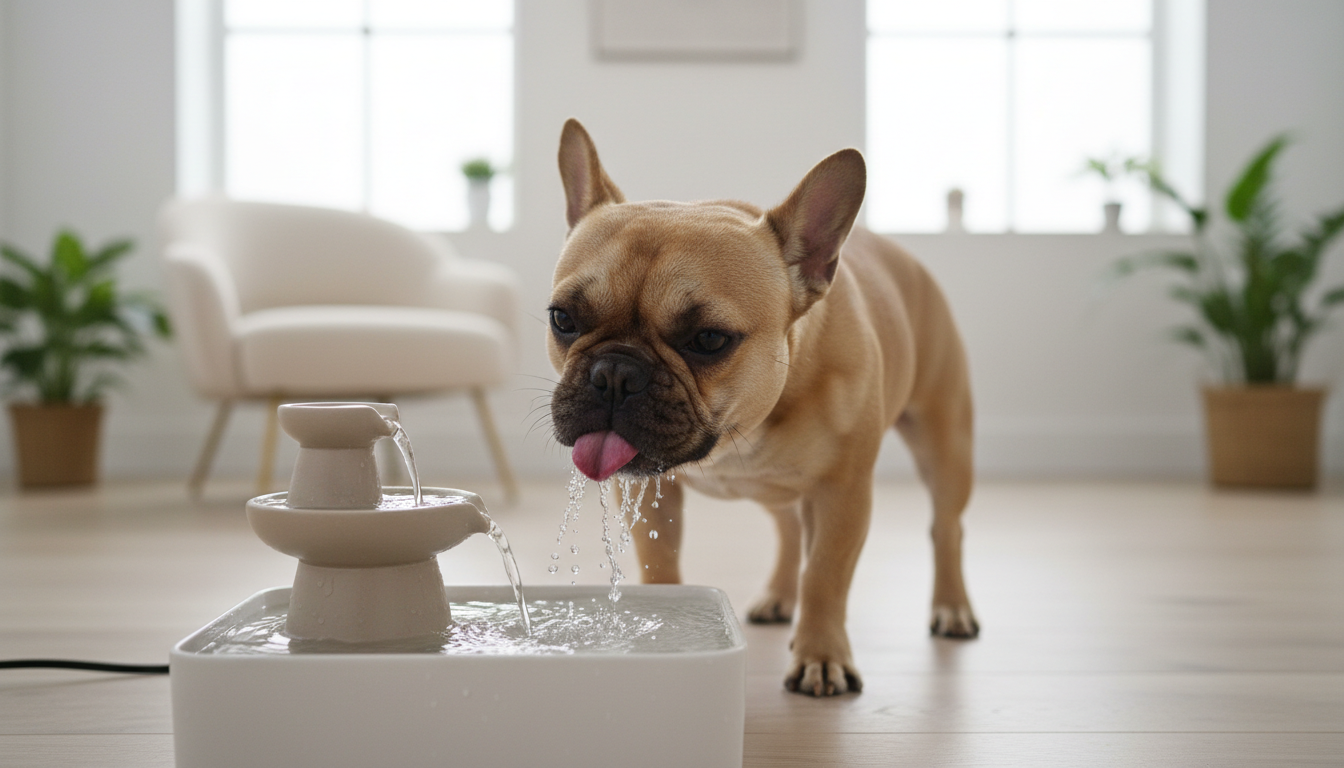
Proper hydration supports healthy digestion, and French Bulldogs can sometimes be inconsistent drinkers, especially if breathing effort makes drinking from a bowl less comfortable. Dehydration can contribute to harder stool, sluggish digestion, and general discomfort, so keeping an eye on your dog’s water intake is a simple but important part of digestive health.
Offering fresh water throughout the day, considering a pet fountain if your dog seems to prefer moving water, and monitoring water intake during hot weather or travel can all help support a healthy gut. If you notice your dog drinking significantly more or less than usual, this is worth mentioning at your next vet visit, since changes in thirst can sometimes point to underlying health issues beyond digestion.

Working With Your Veterinarian
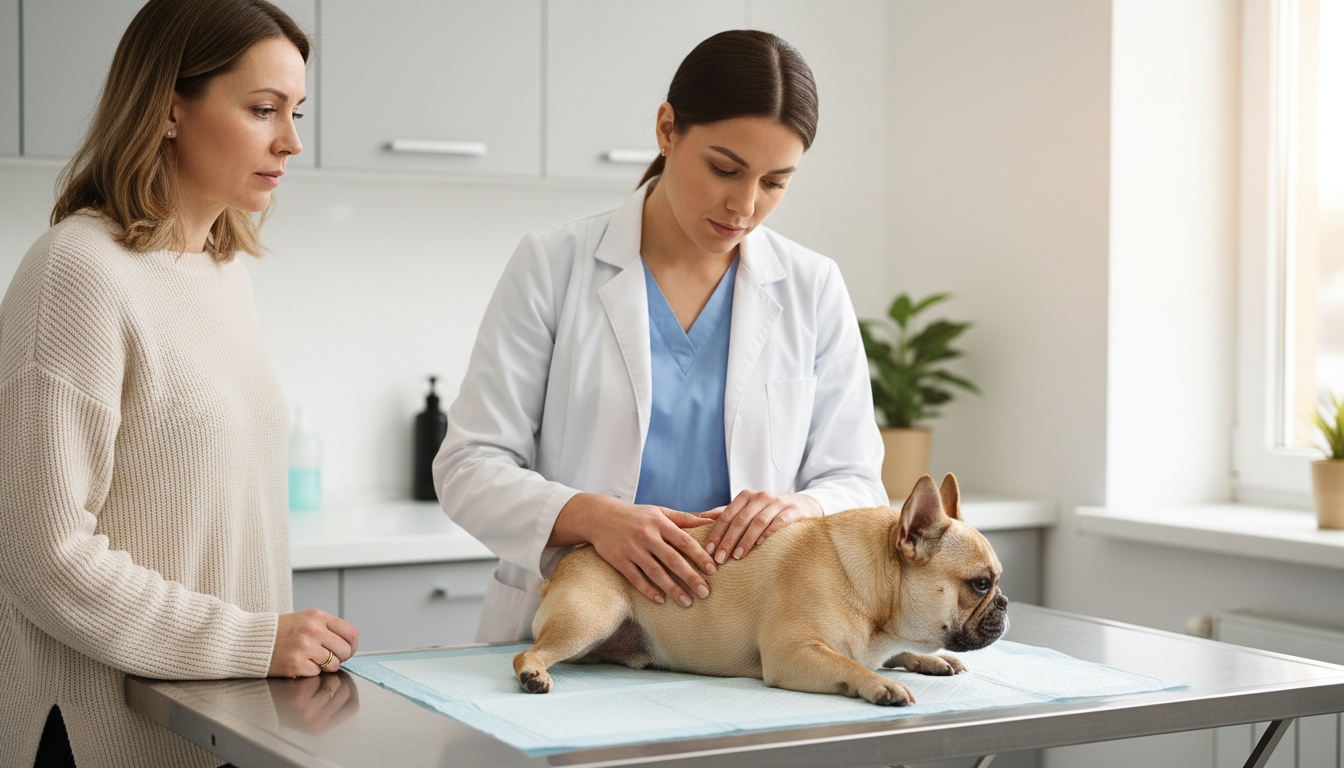
Because French Bulldogs can have both general sensitivity and breed-specific anatomical factors affecting digestion, working closely with your vet is the best way to manage ongoing issues. They can help rule out parasites, infections, or underlying conditions that might mimic simple dietary sensitivity, and they can guide you through diet trials or testing if needed.
Keeping a simple record of your dog’s symptoms, including what they ate, when symptoms occurred, and how long they lasted, can be incredibly helpful during vet visits. This kind of detail often speeds up the process of identifying patterns and narrowing down possible causes, rather than starting from scratch each time an issue comes up.
- Bring a symptom log to appointments when possible
- Mention any recent diet or routine changes
- Ask about diet trials if a food allergy is suspected
- Discuss whether airway issues might be contributing to digestive symptoms
Everyday Habits That Support a Healthier Gut
Beyond diet and vet visits, everyday habits play a meaningful role in keeping your French Bulldog’s digestive system as stable as possible. Consistency tends to be the biggest factor, since this breed’s gut generally does better with predictable routines than with frequent change. Small, steady habits often make a bigger difference than dramatic interventions.
Building these habits into your daily routine doesn’t guarantee your Frenchie will never have a sensitive stomach day, but it can meaningfully reduce how often flare-ups happen and how severe they are when they do.
- Stick to a consistent feeding schedule
- Avoid sudden food or treat changes
- Keep exercise moderate and avoid intense activity right after meals
- Monitor weight, since excess pounds can worsen digestive strain
- Watch for patterns between stress, environment, and symptoms
When to See Your Vet Right Away
While mild, occasional digestive upset is common in this breed, certain signs should prompt an immediate call to your veterinarian rather than a wait-and-see approach. Trusting your knowledge of your own dog’s normal behavior is key here, since French Bulldogs can sometimes mask discomfort until a problem has become more advanced.
If you see any of these signs, contact your vet or an emergency animal hospital right away. Digestive sensitivity is often manageable, but it’s always worth erring on the side of caution when something feels seriously wrong.
- Repeated vomiting that doesn’t stop within a few hours
- A swollen, hard, or painful abdomen
- Blood in vomit or stool
- Extreme lethargy or unwillingness to stand
- Retching without producing anything, especially in a deep-chested dog
- Loss of appetite lasting more than a day
This article is for general education and is not a substitute for care from your own veterinarian. Learn about The Pet Vet and our editorial policy.