
Shiba Inu shedding is famous among owners for a reason: this breed blows its coat twice a year in a way that can seem almost unbelievable if you have never lived through it. Understanding why it happens, how to manage it, and when heavy shedding might point to something more than a seasonal coat change will help you keep your Shiba comfortable and your home a little less covered in fur.
Table of Contents
- Why Shiba Inus Shed So Much
- The Twice-Yearly Coat Blow
- Grooming Tools That Actually Help
- How Often to Brush
- Bathing During Heavy Shedding
- What Normal Shedding Looks Like Versus a Problem
- When Shedding Signals a Health Issue
- Diet and Coat Health
- Managing Shedding Around the House
- Never Shave a Double-Coated Shiba Inu
- Professional Grooming Support
- Shedding and Allergies in the Household
- When to Call Your Veterinarian
- Living Comfortably With a Shedding Shiba
Why Shiba Inus Shed So Much
The Shiba Inu carries a dense double coat made up of a coarse, straight outer layer and a soft, thick undercoat that sits close to the skin. This combination evolved to protect the breed from cold winters and hot summers in its native Japan, and it does an excellent job of regulating body temperature year round. The tradeoff is that this undercoat needs to be replaced on a seasonal basis, and when it goes, it tends to go all at once rather than gradually like you might see in some single-coated breeds.
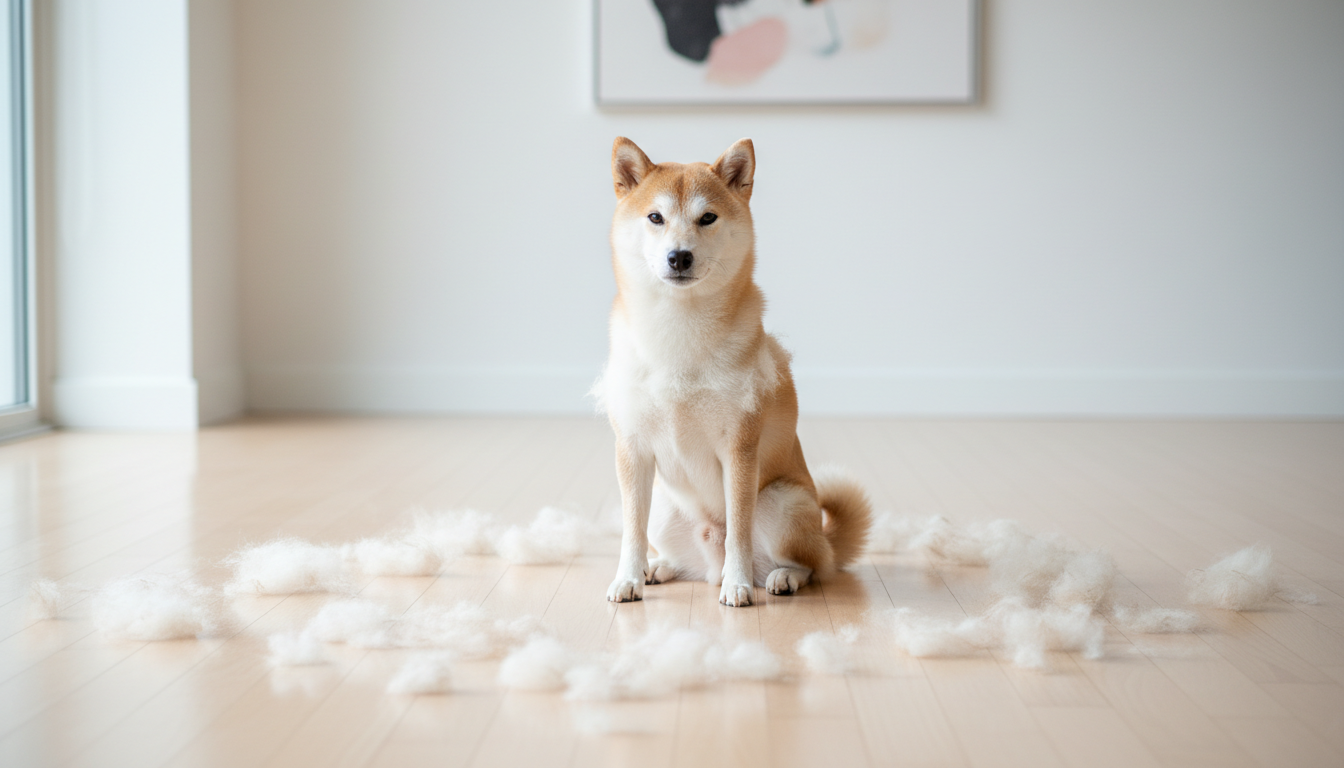
Most Shiba owners describe this seasonal shed as dramatic, sometimes joking that it looks like their dog is shedding an entire second dog. This is not an exaggeration in many cases. The undercoat can come out in tufts and clumps, and you may notice it collecting in corners, on furniture, and seemingly everywhere your dog has walked. This is completely normal for the breed, even if it feels overwhelming the first time you experience it.
Genetics play a large role in how heavily an individual Shiba sheds and how distinct the seasonal blow-outs are compared to year-round baseline shedding. Climate matters too, since dogs living in homes with consistent indoor heating and air conditioning sometimes shed more steadily throughout the year rather than in two sharp seasonal bursts. Either pattern is considered typical for the breed.
The Twice-Yearly Coat Blow
Shiba Inus typically shed their undercoat heavily twice a year, once in spring as they transition out of their thick winter coat, and again in fall as they grow in a denser coat to prepare for colder weather. These periods are often called a coat blow, and they can last anywhere from a few weeks to a couple of months depending on the individual dog, the climate, and how consistently you are brushing during this time.
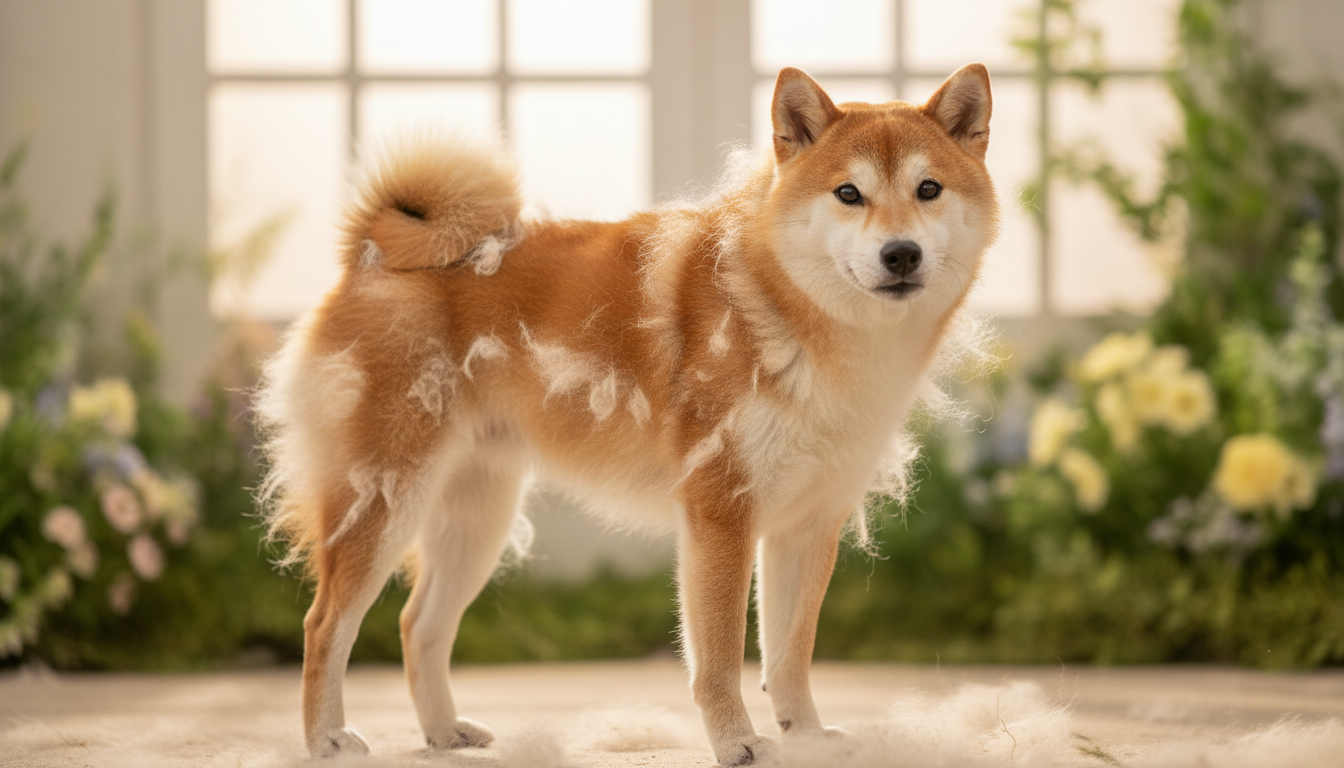
During a coat blow, you may notice your Shiba’s coat looking patchy or uneven as clumps of undercoat loosen before falling out. Some dogs will have visible tufts standing away from the body, especially around the neck, chest, and hindquarters. This can look alarming if you have not seen it before, but it is simply the old undercoat working its way out to make room for new growth.
Outside of these two major shedding seasons, most Shibas shed a moderate, steady amount that is manageable with regular grooming. Understanding this rhythm helps you plan ahead, since stepping up your brushing routine right before and during the expected shedding seasons makes a noticeable difference in how much fur ends up on your floors and furniture instead of in a brush.
Grooming Tools That Actually Help
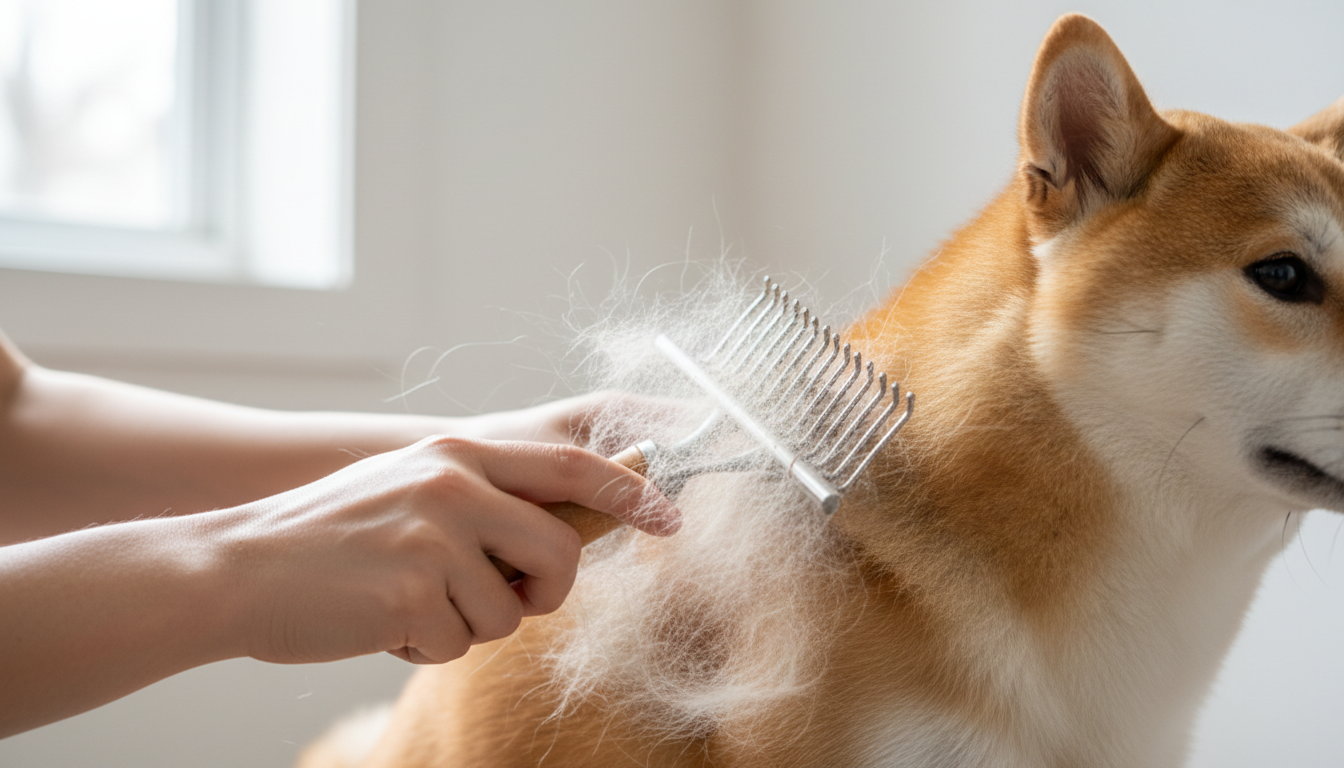
Because the undercoat is where most of the shedding volume comes from, tools designed to reach down to that layer work far better than a simple slicker brush alone. A good undercoat rake or a deshedding comb can pull loose fur out before it has a chance to fall out on its own around the house. Many owners find that using these tools during an active coat blow, even daily for a short period, makes a real difference in how much hair ends up everywhere else.
A slicker brush is still useful for smoothing the topcoat and catching looser surface fur between deeper grooming sessions. Some owners also like a grooming tool with rotating teeth, since the Shiba’s dense undercoat can be tough to work through with a basic comb. Regardless of which tools you choose, be gentle, since the skin underneath all that coat is still sensitive and can be irritated by aggressive brushing.
- Undercoat rake for reaching the dense inner layer during heavy shedding
- Slicker brush for everyday maintenance and smoothing the topcoat
- Deshedding comb with rotating or widely spaced teeth for tough mats
- Grooming gloves for dogs who tolerate brushing better with a gentler touch
How Often to Brush
Outside of shedding season, brushing your Shiba Inu once or twice a week is usually enough to keep the coat healthy and manage normal shedding. During an active coat blow, increasing this to every day or every other day will help remove loose fur more quickly and reduce the amount that ends up shed around your home. Short, consistent sessions tend to work better than occasional long ones, since they prevent the undercoat from building up and matting.
Pay particular attention to areas where undercoat tends to accumulate, such as behind the ears, around the neck, and along the hindquarters. These spots can mat if left unbrushed during a heavy shed, which is uncomfortable for your dog and harder to work through later. A few minutes of focused brushing in these areas during shedding season goes a long way toward keeping the coat manageable.
Many owners also find it helpful to brush outdoors or in an easy-to-clean space during peak shedding, simply because of how much fur comes loose in a single session. This is more about convenience than necessity, but it can save a lot of cleanup time when the coat is really letting go.
Bathing During Heavy Shedding
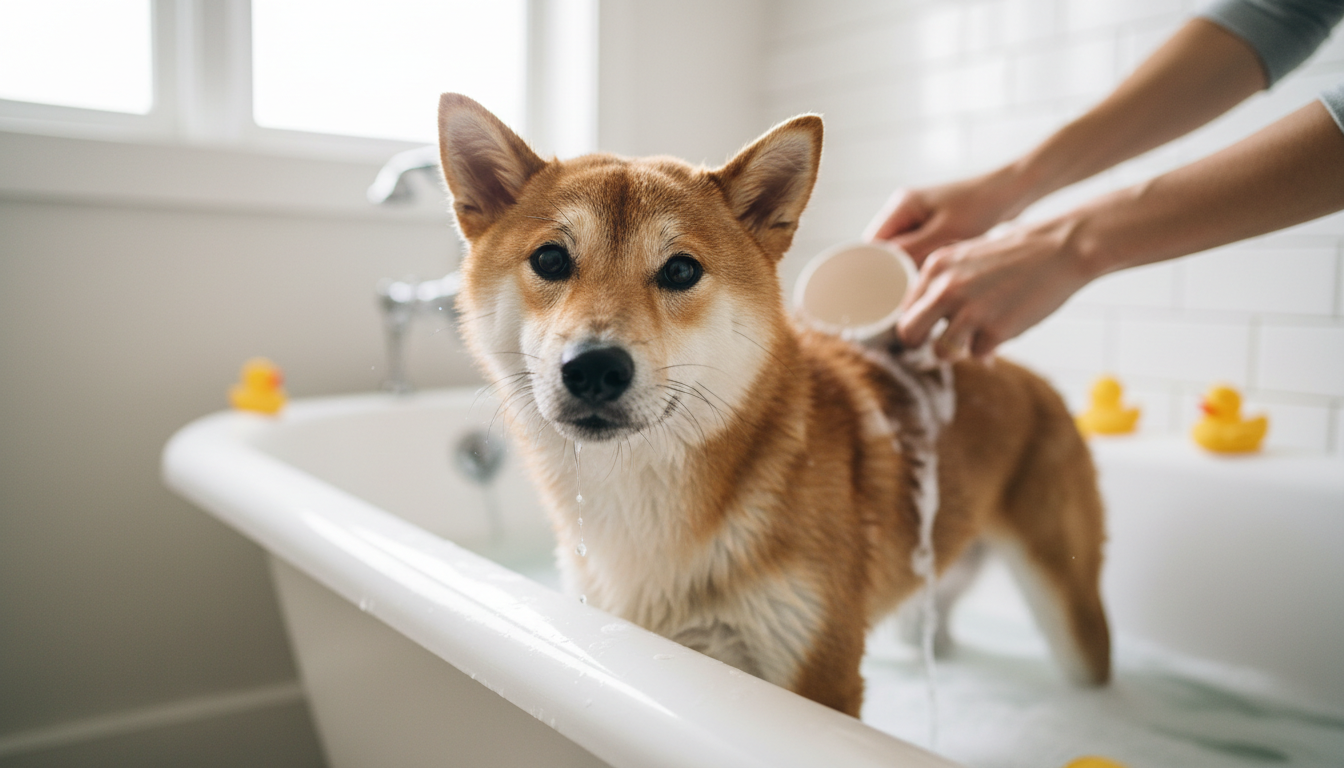
A bath can actually help loosen and remove dead undercoat during a heavy shed, especially when followed by thorough brushing while the coat is still slightly damp. Using a dog-safe shampoo and giving the coat a good rinse helps lift loose hair that brushing alone might miss. Some owners use a high-velocity dryer designed for dogs to blow out loose undercoat after bathing, which can dramatically speed up the shedding process, though this tool takes some getting used to for both dog and owner.
It is important not to over-bathe your Shiba Inu outside of shedding season, since frequent washing can dry out the skin and strip natural oils that keep the coat and skin healthy. A bath every few weeks, or as needed when your dog gets dirty, is generally enough for maintenance. During active shedding periods, you can bathe a bit more frequently if it is helping manage the volume of loose fur, but always use a gentle, dog-specific shampoo rather than human products.
Always dry your Shiba Inu thoroughly after a bath, since damp undercoat trapped against the skin can create a warm, moist environment where skin irritation or infection is more likely to develop.
What Normal Shedding Looks Like Versus a Problem
It can be hard to know where normal seasonal shedding ends and an actual skin problem begins, especially for new Shiba owners experiencing their first coat blow. Normal shedding, even when heavy, should not come with red or irritated skin, bald patches with inflammation, excessive scratching, or an unpleasant odor. The skin underneath a heavily shedding coat should still look healthy and pink, not flaky, scabbed, or discolored.
Signs that something beyond normal shedding may be going on include patchy hair loss that does not correspond to the usual shedding pattern, skin that looks red, scaly, or greasy, persistent scratching or chewing at the skin, and any sores or hot spots developing underneath the coat. If you notice any of these signs, it is worth having your veterinarian take a look, since skin infections, allergies, parasites, and hormonal conditions can all cause hair loss that might initially be mistaken for seasonal shedding.
- Bald patches with visible redness or inflammation
- Persistent scratching, licking, or chewing at the skin
- An unusual odor coming from the coat or skin
- Scabs, sores, or hot spots appearing under the fur
- Shedding that seems constant with no seasonal pattern at all
When Shedding Signals a Health Issue
While seasonal shedding is expected and normal in Shiba Inus, certain health conditions can cause excessive or abnormal hair loss that goes beyond the typical coat blow. Thyroid imbalances, for example, can lead to a dull, thinning coat along with other symptoms like weight changes or lethargy. Skin infections, whether bacterial, fungal, or parasitic, often cause localized hair loss along with redness, itching, or flaking that would not be expected from simple shedding.
Nutritional deficiencies can also affect coat quality, sometimes resulting in a dry, brittle coat that sheds more than usual or fails to grow back properly after a normal shed. Stress and anxiety are less commonly discussed but can also play a role in excessive shedding for some dogs, particularly during major life changes or stressful events.
If your Shiba Inu’s shedding seems unusually heavy, is accompanied by other symptoms, or simply does not follow the pattern you would expect from seasonal shedding, it is always worth scheduling a visit with your veterinarian. They can rule out underlying health conditions and help you understand whether what you are seeing is simply a particularly intense coat blow or something that needs treatment.
Diet and Coat Health
What your Shiba Inu eats plays a meaningful role in how healthy their coat looks and how it handles the stress of seasonal shedding. A diet with adequate high-quality protein supports the production of healthy new fur to replace what is being shed, while appropriate fats, particularly omega-3 and omega-6 fatty acids, help maintain skin elasticity and coat shine. Many commercial diets formulated for skin and coat health include these nutrients in balanced ratios already.
If you are considering adding a supplement to support your dog’s coat during heavy shedding seasons, talk to your veterinarian first about what might be appropriate for your individual dog. They can help you choose something that complements your Shiba’s existing diet rather than risking an imbalance, and they can also confirm that a supplement is a good idea given your dog’s overall health and any other conditions they may have.
Fresh water and a consistent, balanced diet overall also matter more than people sometimes realize when it comes to coat health. Dogs on inconsistent diets or those who do not drink enough water may show it in a duller, less resilient coat that sheds more heavily or takes longer to regrow after a seasonal blow.
Managing Shedding Around the House
Living with a heavily shedding Shiba Inu during coat blow season takes some adjustment, but a few practical habits can keep the fur situation manageable. Vacuuming more frequently during peak shedding periods, using furniture covers that can be easily washed or shaken out, and keeping a lint roller handy for clothes are all simple strategies that many Shiba owners rely on. Some people also find it helpful to designate a grooming area, whether that is a bathroom, laundry room, or outdoor space, where brushing sessions can happen without scattering fur throughout the whole house.
Air purifiers with good filtration can help reduce airborne fur and dander during heavy shedding seasons, which may be particularly appreciated by family members with mild allergies or sensitivities. Washing your dog’s bedding more frequently during this time also helps, since loose undercoat tends to accumulate wherever your Shiba likes to rest.
Accepting that a certain amount of fur around the house is simply part of life with this breed, especially during the two seasonal blow periods, can help manage expectations and reduce frustration. With a good grooming routine, the worst of it is very manageable even if it never disappears completely during coat blow season.
Never Shave a Double-Coated Shiba Inu
It might seem logical to shave a heavily shedding double-coated dog to reduce the mess, but this is strongly discouraged for Shiba Inus and other double-coated breeds. The undercoat and topcoat work together to regulate body temperature in both hot and cold weather, and shaving disrupts this natural insulation system. In hot weather, an intact double coat actually helps protect against overheating by trapping a layer of cooler air close to the skin, while also protecting against sunburn.
Shaving can also damage the hair follicles in some dogs, sometimes leading to abnormal regrowth or a patchy, uneven coat afterward that may never fully return to normal. Beyond the physical risks, it simply is not necessary, since proper brushing and grooming can manage shedding effectively without resorting to shaving. If you are struggling with the volume of shedding, talk to a professional groomer experienced with double-coated breeds about deshedding treatments rather than considering a shave down.
Professional Grooming Support
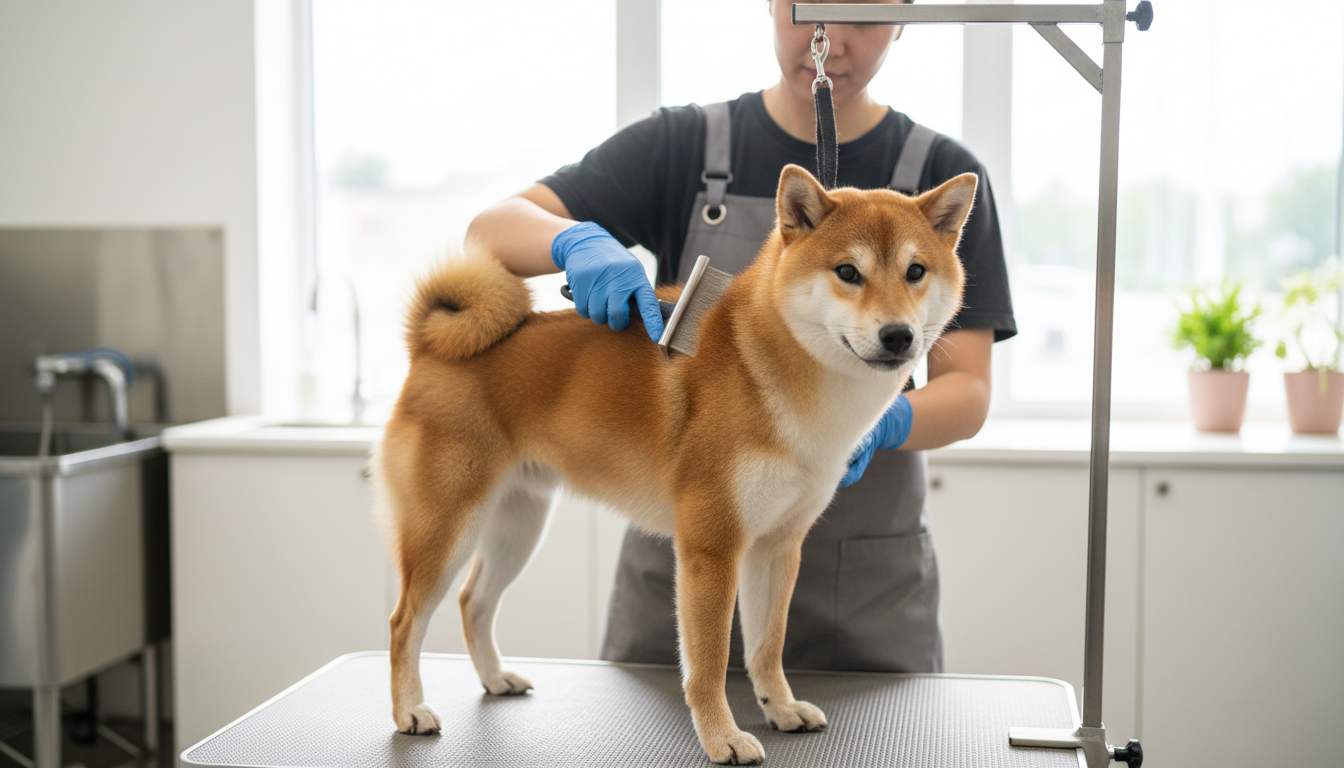
If managing your Shiba Inu’s coat at home feels overwhelming, especially during peak shedding seasons, a professional groomer experienced with double-coated breeds can be a valuable resource. Many groomers offer deshedding treatments that go beyond what is practical to do at home, using specialized tools and techniques to remove loose undercoat more thoroughly and efficiently. This can be particularly helpful for owners who are short on time or whose Shiba has an especially heavy seasonal shed.
A professional groomer can also check the skin underneath the coat during these sessions, which is a good opportunity to catch any developing skin issues early. Regular professional grooming, even just a few times a year timed around the shedding seasons, can complement your at-home routine and keep your Shiba’s coat in excellent condition overall.
When choosing a groomer, look for someone with specific experience working with Shiba Inus or other double-coated spitz-type breeds, since the techniques that work well for these coats differ from those used on single-coated or curly-coated breeds.
Shedding and Allergies in the Household
Households with allergy sufferers sometimes worry about whether a heavily shedding breed like the Shiba Inu is a good fit. While no dog is truly hypoallergenic, the allergens that affect people are typically found in dander, saliva, and skin cells rather than the hair itself, meaning heavy shedders are not automatically worse for allergy sufferers than low-shedding breeds. That said, more loose fur circulating through the home can carry more dander with it, so households with significant allergy concerns may notice more symptoms during the Shiba’s heaviest shedding seasons.
Frequent brushing, ideally done outside or in a well-ventilated area, along with regular vacuuming and air filtration, can help reduce the allergen load in the home even with a heavily shedding dog. If allergies are a significant concern in your household, it is worth discussing with your doctor what specific management strategies might help, since individual sensitivities vary quite a bit from person to person.
If you are considering adding a Shiba Inu to a household with known pet allergies, spending time around the breed beforehand, if possible, can help you gauge how manageable the situation might be for your specific family.
When to Call Your Veterinarian
While most shedding concerns with a Shiba Inu are simply a matter of management rather than medical treatment, there are times when it is worth reaching out to your veterinarian. Sudden changes in shedding pattern, hair loss accompanied by skin changes, persistent itching, or any signs of discomfort should prompt a call to schedule an appointment. Your vet can examine your dog’s skin and coat directly, which is something that is hard to fully assess on your own, especially underneath a thick double coat.
It is also worth mentioning any shedding concerns during your Shiba Inu’s regular wellness visits, even if nothing seems urgently wrong. Your vet can keep an eye on your dog’s skin and coat condition over time and catch subtle changes that might be easy to miss day to day. Bringing up questions about diet, supplements, or grooming products is also a great use of these regular visits.
Trust your instincts as an owner. If something about your dog’s shedding pattern feels different or concerning compared to what you have experienced in previous seasons, it is always reasonable to have it checked out rather than waiting to see if it resolves on its own.
Living Comfortably With a Shedding Shiba
Once you understand and plan for the Shiba Inu’s seasonal shedding pattern, it becomes a predictable and manageable part of life with the breed rather than a source of ongoing frustration. Building a grooming routine that ramps up during the spring and fall coat blows, choosing the right tools, and staying attentive to your dog’s skin health underneath all that fur will keep both your Shiba and your home in good shape throughout the year.
Many long-time Shiba owners come to see the dramatic seasonal shed as simply part of the breed’s charm, even while they are vacuuming up tufts of undercoat for the third time in a week. With the right expectations and a consistent routine, it is entirely possible to enjoy this striking, fox-like breed without feeling overwhelmed by their coat.
If you ever have doubts about whether what you are seeing is normal shedding or something more, your veterinarian is always your best resource for peace of mind and proper guidance specific to your individual dog.
This article is for general education and is not a substitute for care from your own veterinarian. Learn about The Pet Vet and our editorial policy.