
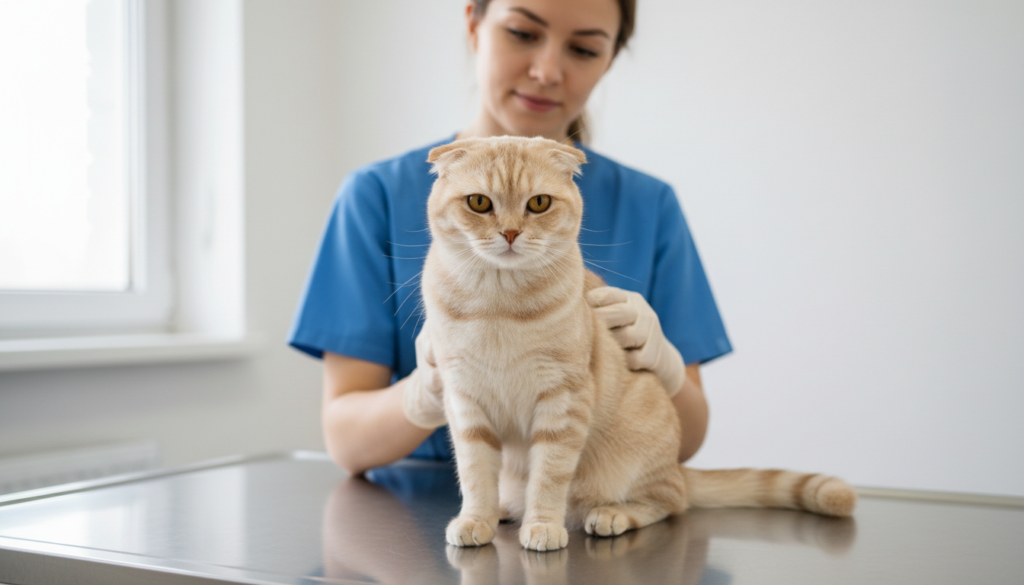
Polycystic Kidney Disease in Scottish Fold Cats: What Owners Should Watch For
Polycystic kidney disease can affect Scottish Fold cats, slowly damaging kidney function over years without obvious early signs.

Polycystic kidney disease can affect Scottish Fold cats, slowly damaging kidney function over years without obvious early signs.
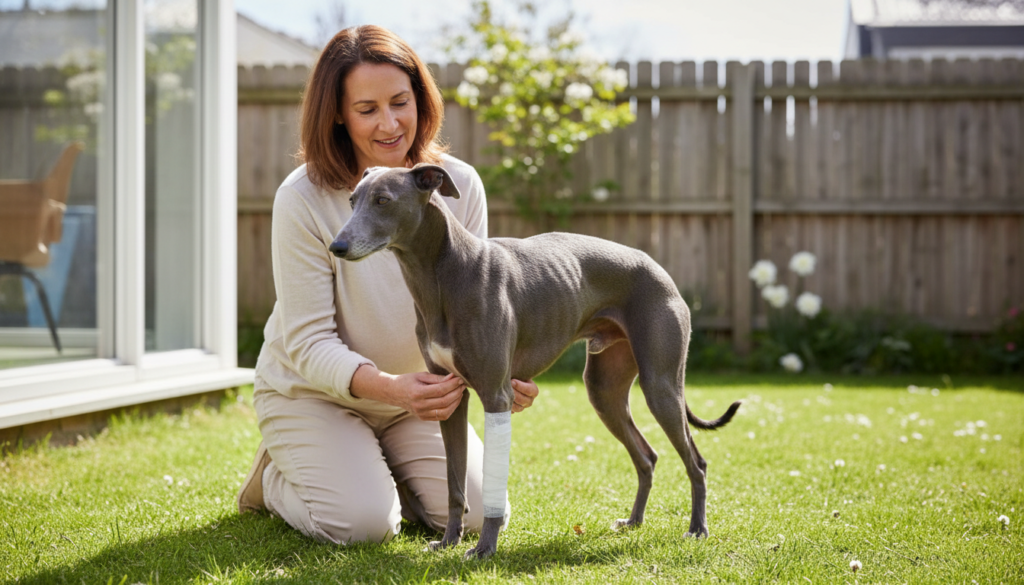
Whippet skin tears happen easily because of this breed’s thin skin and low body fat, so here’s how to prevent and treat them safely.
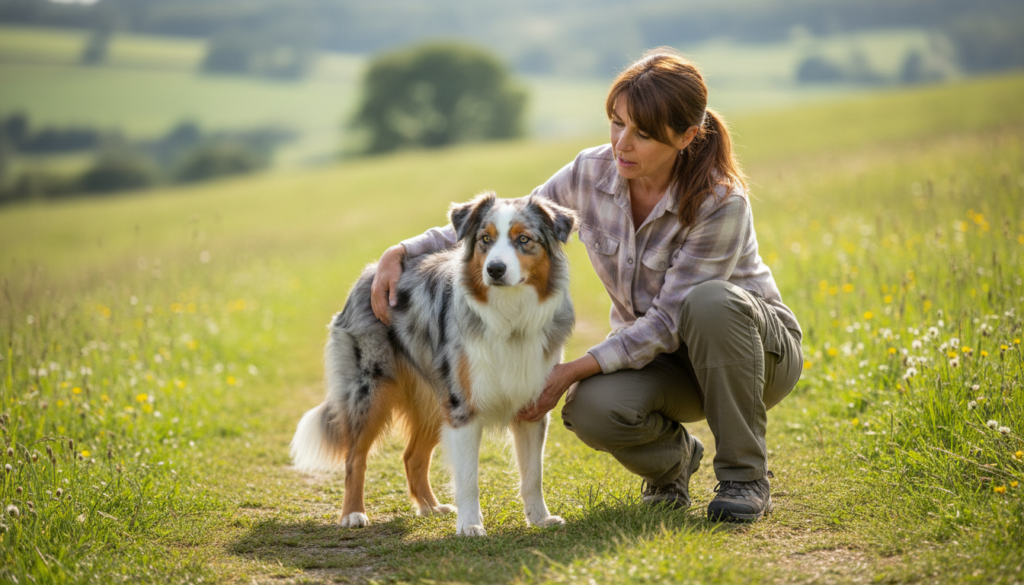
Hip dysplasia in Australian Shepherds can quietly limit an active dog’s life—here’s how to catch it early and keep your dog moving comfortably.
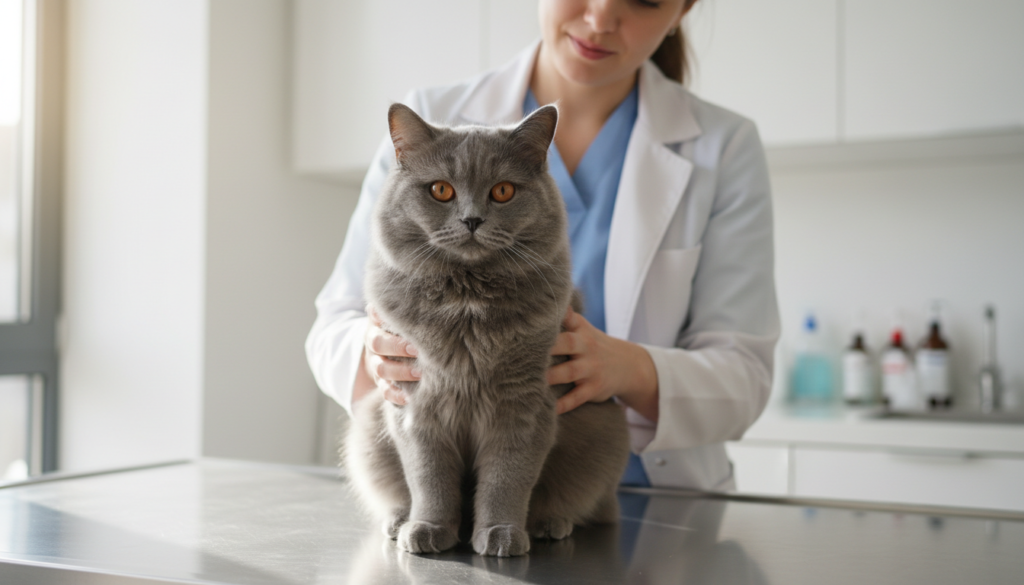
Polycystic kidney disease can quietly affect British Shorthair cats for years before signs appear, so early screening matters.

Brachycephalic airway syndrome makes it hard for French Bulldogs to breathe normally—here’s how to recognize it and help your dog.

IVDD in Dachshunds is a common spinal condition every owner of this breed should learn to recognize early.
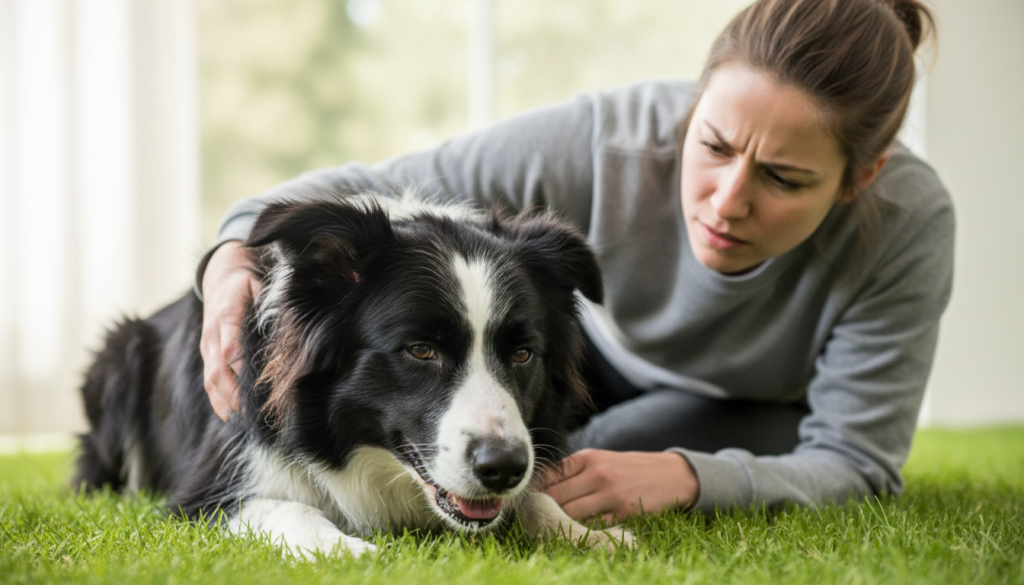
Exercise-induced collapse in Border Collies can look alarming mid-play—here’s what causes it and how to keep your dog safe.
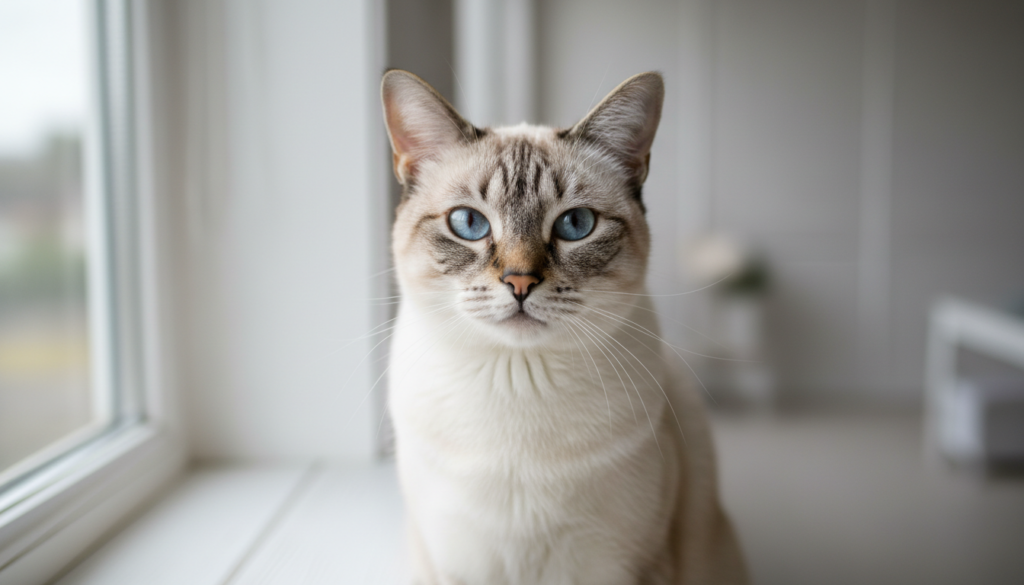
Strabismus in Siamese cats causes their signature crossed-eye look, and understanding the cause helps you know when it’s harmless and when it needs a vet.
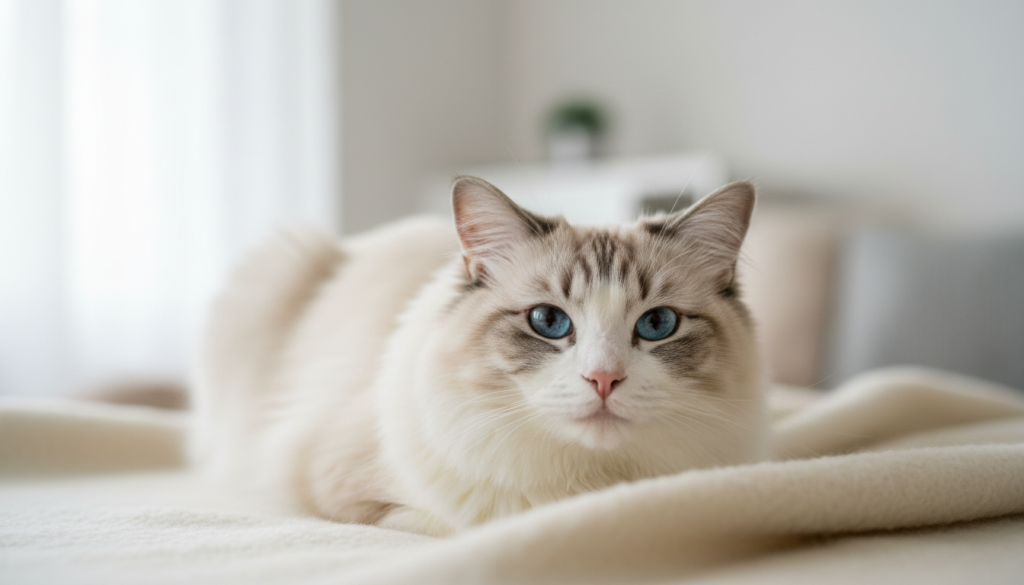
Ragdolls carry a known genetic risk for heart muscle thickening—here’s how to recognize the signs and what monitoring looks like.
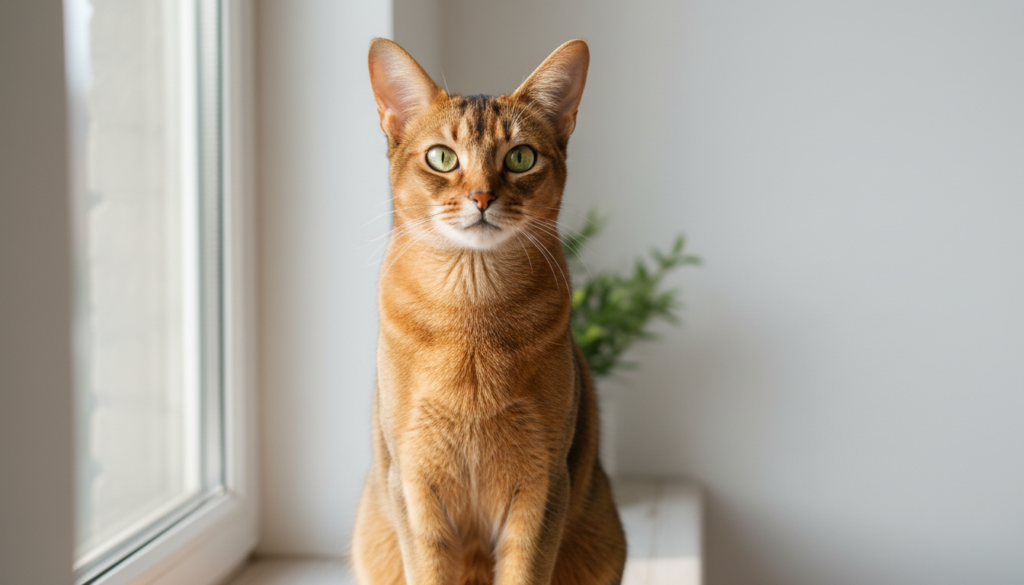
Amyloidosis in Abyssinian cats is an inherited condition that can quietly damage the kidneys and liver, so early awareness matters.