
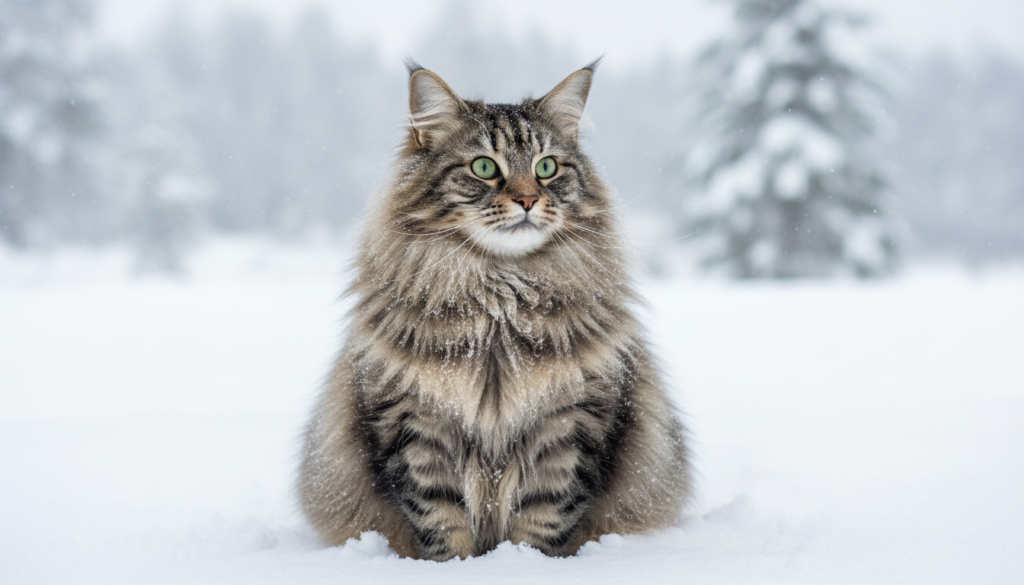
Norwegian Forest Cat Cold Weather Tolerance: Why This Breed Loves the Cold (And What Still Worries Vets)
Norwegian Forest Cats are built for cold climates, but that doesn’t mean winter is risk-free for this hardy breed.

Norwegian Forest Cats are built for cold climates, but that doesn’t mean winter is risk-free for this hardy breed.

Beagle ear infections are common because of the breed’s long, floppy ears—here’s why they happen and how to manage them.
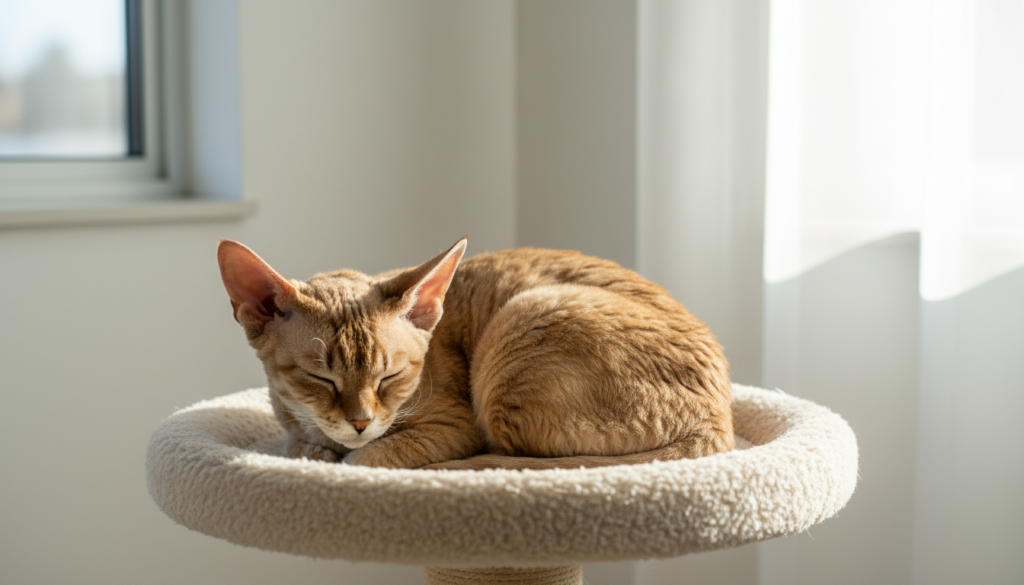
Devon Rex temperature sensitivity means these thin-coated cats chill fast, so owners need to know the warning signs and how to keep them warm safely.

Shiba Inu skin allergies are common and manageable once you know the triggers, the signs, and when to call your vet.

Siamese cat vocalization is famously loud and frequent, and understanding what those sounds mean helps you meet your cat’s needs.
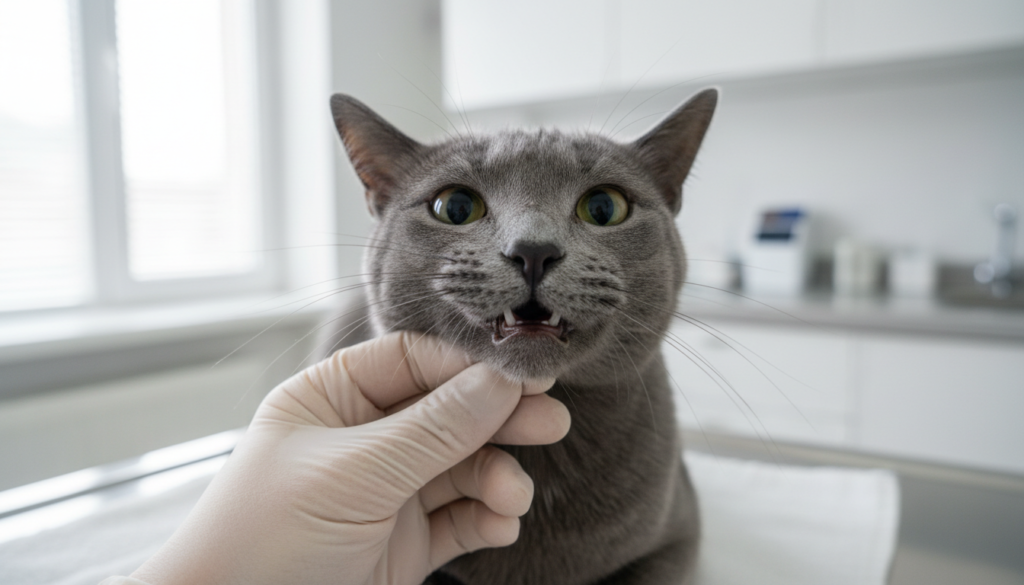
Dental disease in cats often hides behind closed mouths—here’s how to spot it early and what treatment really involves.
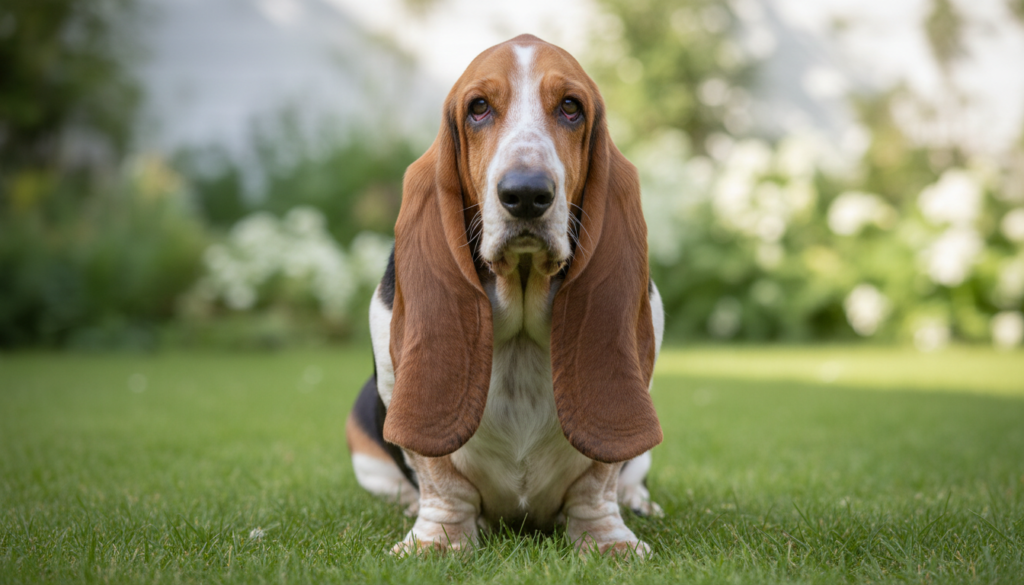
Basset Hound ear infections are common because of their long, low-hanging ears—here’s how to spot, treat, and prevent them.
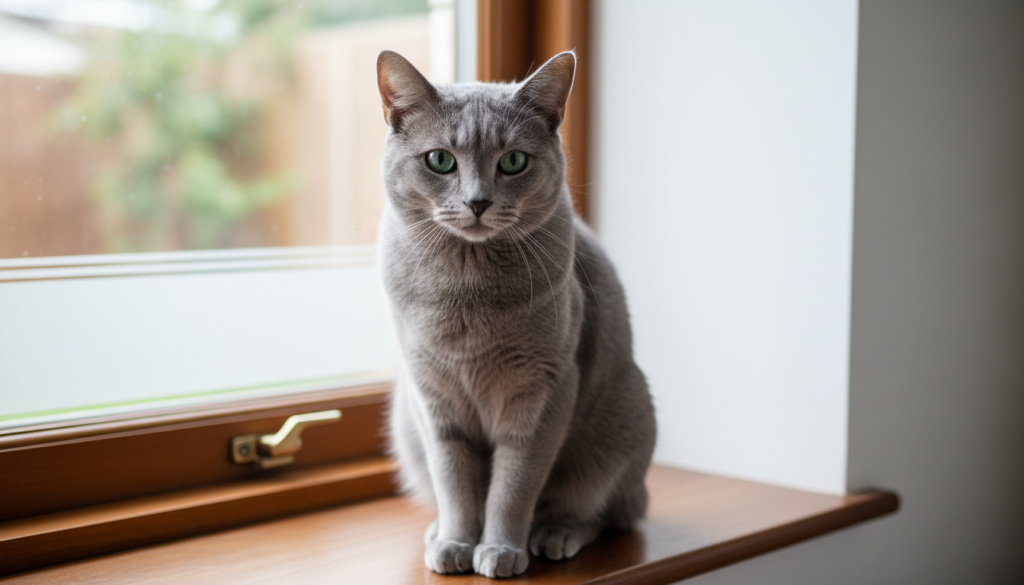
Russian Blue cats are known for being sensitive to change, and understanding why can help you build a calmer, happier home for your cat.
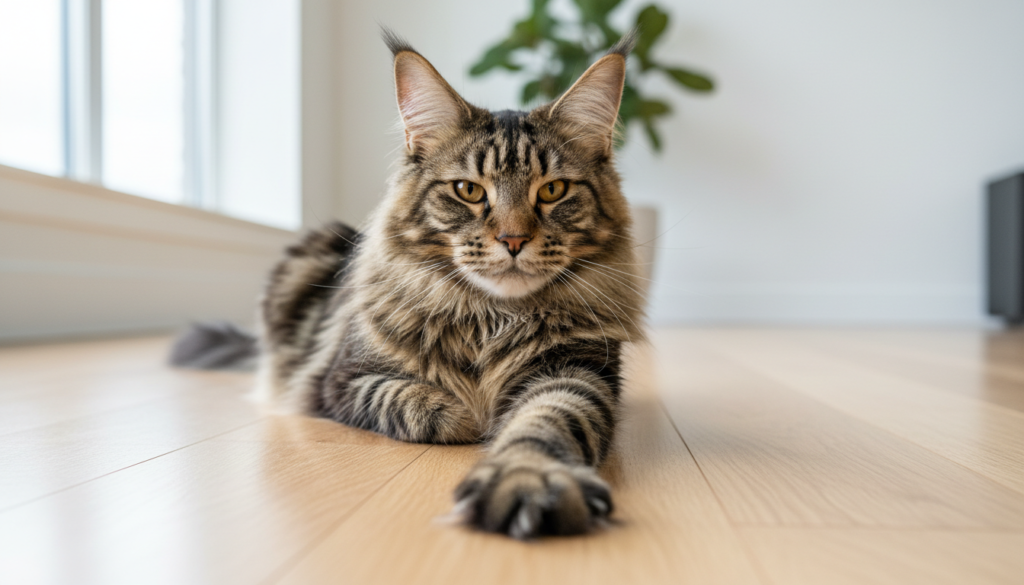
Maine Coon polydactyl paws need special nail and joint care—here’s how to keep those extra-toed feet healthy.

Mitral valve disease is extremely common in Cavalier King Charles Spaniels, and early detection can make a real difference in your dog’s quality of life.