

Exercise Needs for Labrador Retrievers: How Much Activity Is Enough (and What Happens When It’s Not)
Exercise for Labrador Retrievers is about more than burning energy, it protects their joints, waistline, and mental health.

Exercise for Labrador Retrievers is about more than burning energy, it protects their joints, waistline, and mental health.

Scottish Fold joint problems stem from a cartilage condition that affects far more than the ears, and every owner should know the warning signs.

Bloat in Bernese Mountain Dogs is a life-threatening emergency, and knowing the early signs can help you act in time.

Whippet muscle injuries are common because of the breed’s lean build and explosive sprinting style, so here’s what every owner should watch for.

French Bulldogs overheat fast because of their short muzzles, learn the warning signs and how to keep your Frenchie safe in warm weather.

Australian Shepherds bond intensely with their people, which can make alone time genuinely distressing without the right support.

Weight management in Dachshunds is critical because even a few extra pounds can strain their long backs and worsen back disease risk.

Why Pembroke Welsh Corgis face elevated back disease risk and the everyday habits that help protect their spines.

Progressive retinal atrophy can slowly rob a Siamese cat of its sight, so knowing the early warning signs matters.
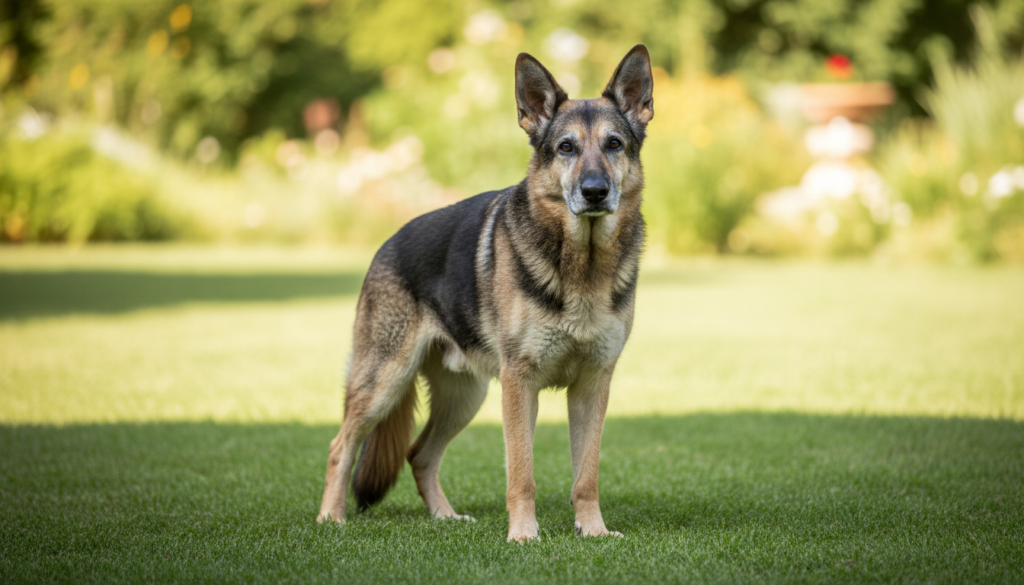
Degenerative myelopathy in German Shepherds causes slow, progressive hind-leg weakness that owners often mistake for normal aging.