

HCM (Hypertrophic Cardiomyopathy) in Ragdoll Cats: What Every Owner Should Know
Ragdolls carry a known genetic risk for heart muscle thickening—here’s how to recognize the signs and what monitoring looks like.

Ragdolls carry a known genetic risk for heart muscle thickening—here’s how to recognize the signs and what monitoring looks like.
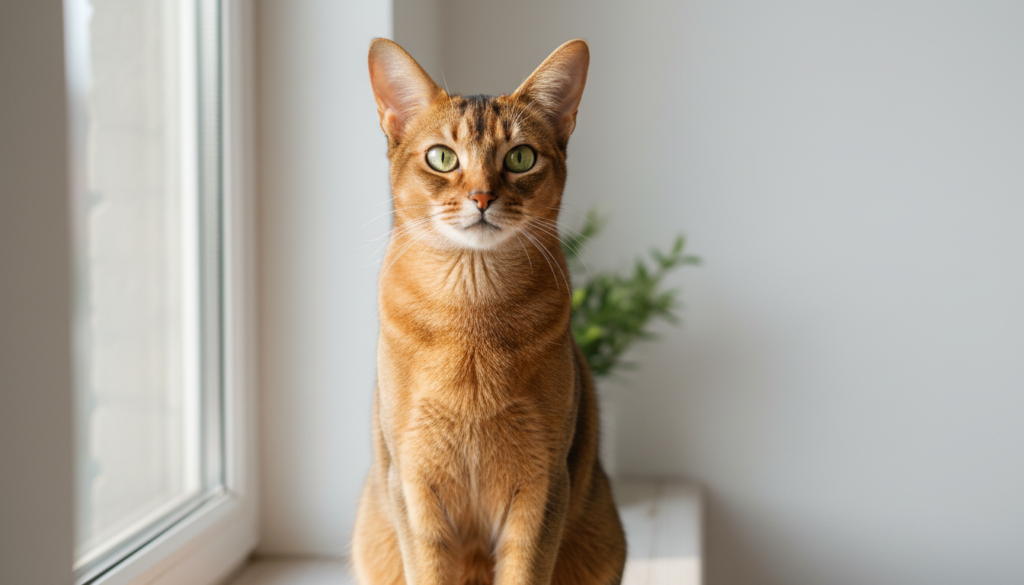
Amyloidosis in Abyssinian cats is an inherited condition that can quietly damage the kidneys and liver, so early awareness matters.
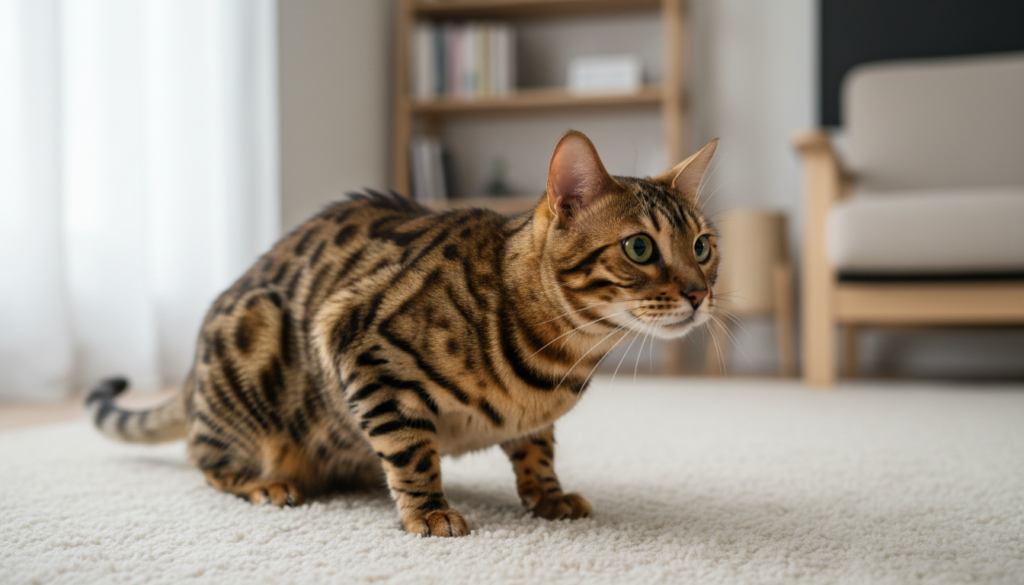
Feline hyperesthesia syndrome can look dramatic in Bengal cats, but understanding the triggers helps you know when to worry and when to call the vet.
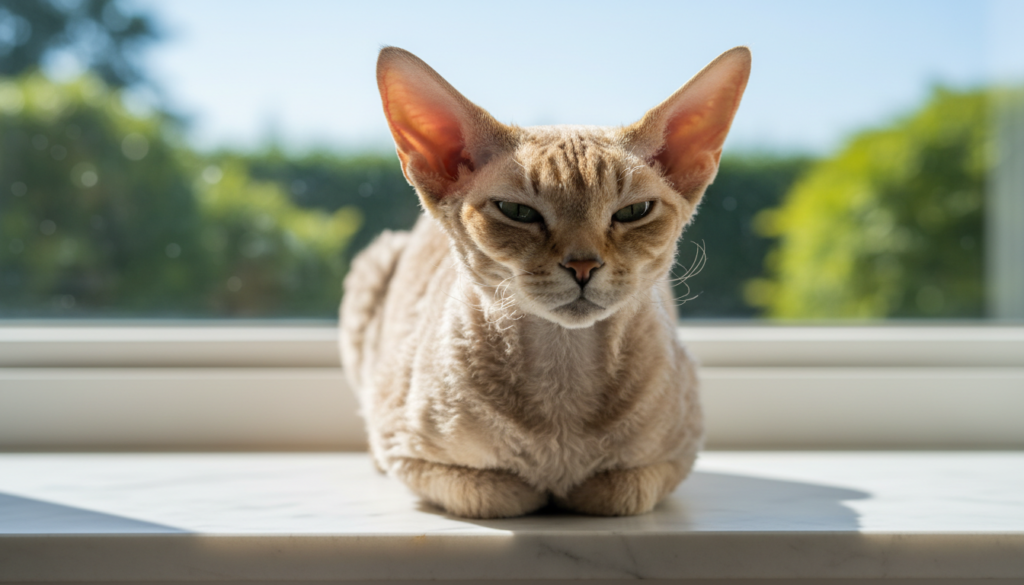
Devon Rex skin problems are common in this curly-coated breed, and knowing the early signs can help you protect your cat’s comfort.
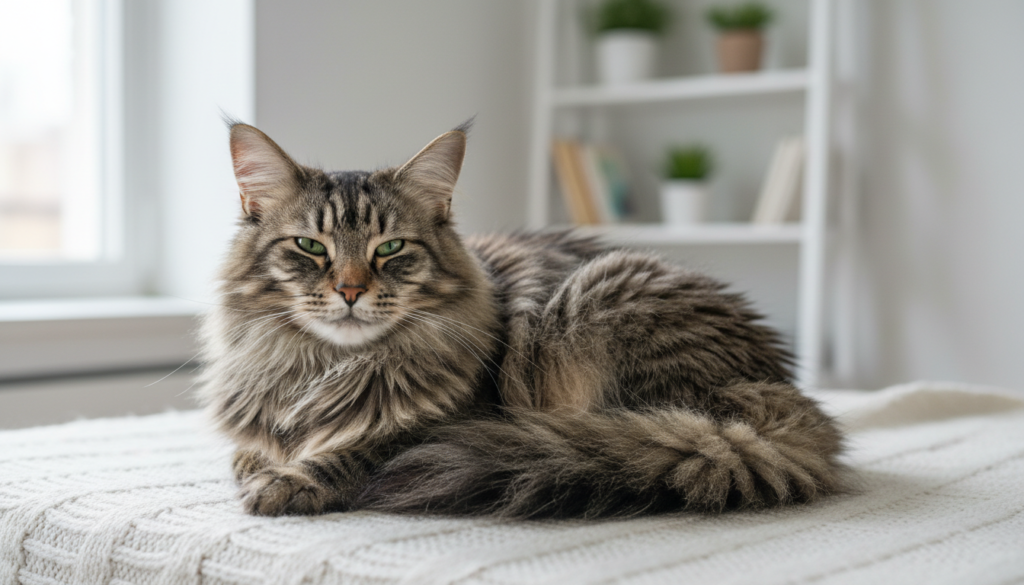
Norwegian Forest Cat grooming takes more than a quick brush—here’s how to manage the breed’s dense double coat year-round.

Obesity in Labrador Retrievers is common due to genetics and appetite drive, but steady changes at home can help your dog reach a healthy weight.

Practical, vet-informed feeding and lifestyle habits Bernese Mountain Dog owners can use to help lower the risk of bloat.
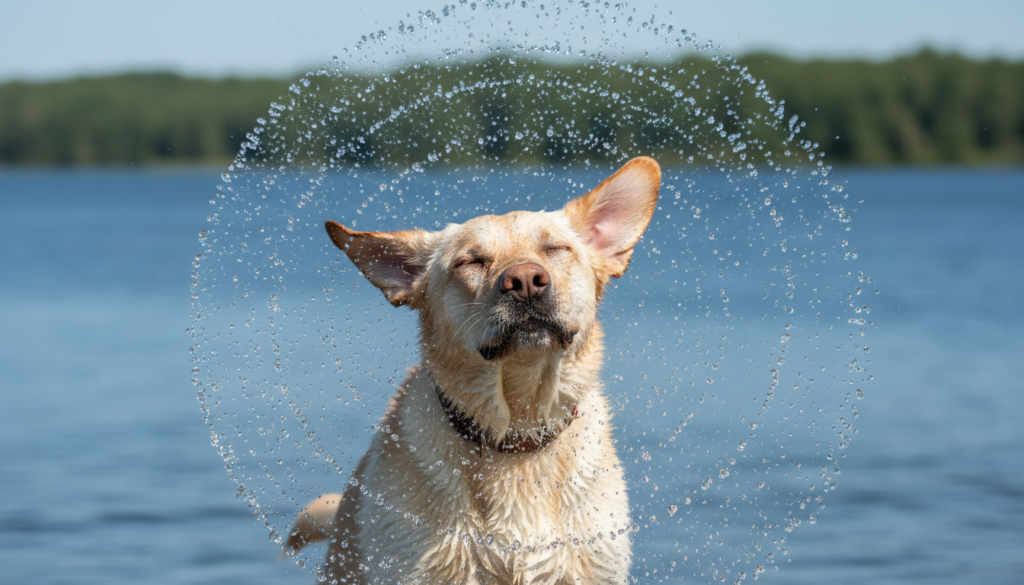
Labrador Retrievers are prone to ear infections because of their floppy ears and love of water, so here’s how to spot and treat them.
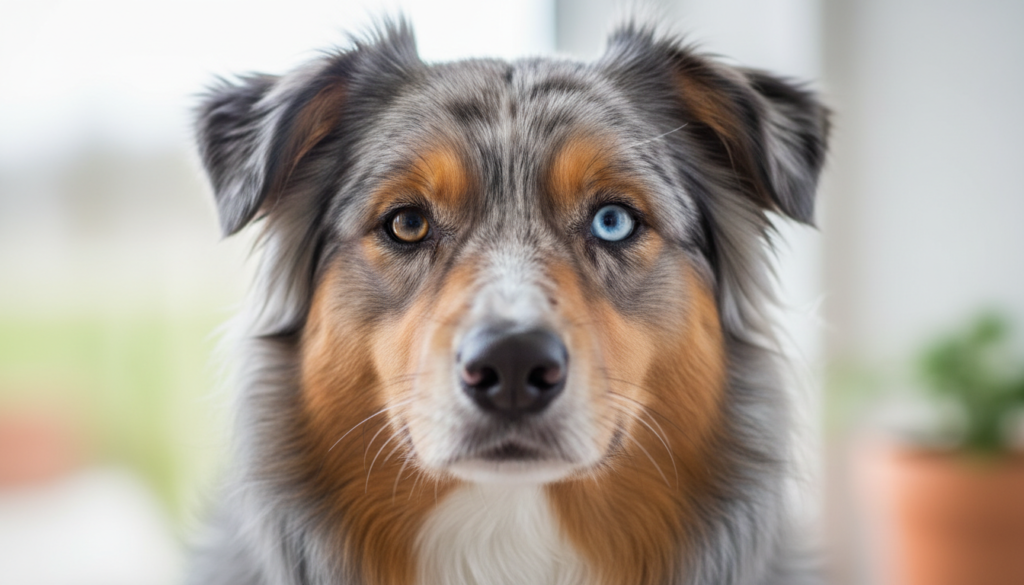
Australian Shepherd eye problems like Collie Eye Anomaly can quietly threaten your dog’s vision, here’s what every owner should watch for.
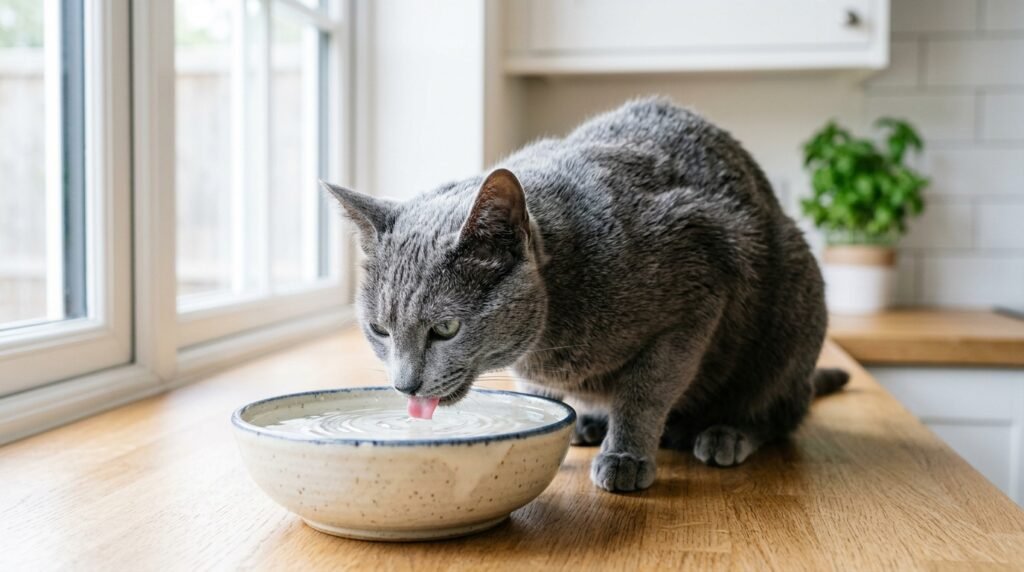
Excessive thirst in cats can signal anything from a diet change to a serious illness, so here’s what to watch for.