
Beagle weight gain is one of the most common concerns vets hear about from owners of this food-obsessed breed. Beagles were bred to follow their noses for hours, and that same drive often translates into begging, counter-surfing, and a willingness to eat just about anything in reach. Add a compact body frame and you have a breed that can slide into obesity surprisingly quickly. This guide walks you through why Beagles struggle with weight, how to spot the early signs, and what you can do to help your dog stay healthy.
Table of Contents
- Why Beagles Are Prone to Packing on Pounds
- How Quickly Weight Can Creep Up
- Health Risks Linked to Excess Weight
- Recognizing a Healthy Weight for Your Beagle
- Common Feeding Mistakes That Add Up
- Building a Feeding Routine That Works
- Choosing Treats Wisely
- The Role of Exercise in Weight Management
- Why Beagles Are Skilled at Getting Extra Food
- Signs Your Beagle May Already Be Overweight
- When to Involve Your Veterinarian
- Long-Term Benefits of Keeping Your Beagle Lean
- Final Thoughts on Managing Your Beagle’s Weight
Why Beagles Are Prone to Packing on Pounds
Beagles were originally bred as scent hounds that worked in packs, covering miles of ground while tracking rabbits and other small game. That history left them with an incredibly strong food drive, partly because hunting dogs that eat efficiently and opportunistically tend to survive leaner times better. Today’s Beagle still carries that same relentless interest in food, even though most of them spend their days napping on the couch rather than chasing scent trails through the woods.
This mismatch between genetic appetite and modern lifestyle is a big part of the problem. A Beagle’s nose can detect food from impressive distances, and once they’ve locked onto a smell, they are notoriously persistent about getting to it. Combine that with a compact, low-to-the-ground body frame that doesn’t need many extra calories to look and feel heavier, and you get a breed where small indulgences add up fast.
Breed enthusiasts and vets alike often describe Beagles as having little to no “off switch” when it comes to eating. They rarely self-regulate the way some other breeds do, which means the responsibility for portion control falls almost entirely on the owner. Understanding this tendency early can help you set up feeding habits that work with your Beagle’s personality rather than constantly fighting against it.
How Quickly Weight Can Creep Up
Because Beagles are small to medium-sized dogs, it doesn’t take much extra food to tip the scale in the wrong direction. A few extra treats a day, a bit of table food here and there, or a slightly oversized kibble portion can translate into a noticeable weight gain over just a few months. Owners are often surprised at how fast a lean, athletic-looking Beagle can turn into a rounder, heavier version of themselves.
Part of the challenge is that weight gain in Beagles can be gradual and easy to miss day to day, especially if you see your dog every day and don’t notice small changes. It’s often a groomer, a friend, or a veterinarian who first points out that a Beagle has put on weight, simply because they’re not looking at the dog constantly and can spot the difference more easily.
- Begging persistently at mealtimes or when family members are eating
- Difficulty feeling the ribs without pressing firmly
- Loss of a visible waist when viewed from above
- Reluctance to jump onto furniture or into the car as easily as before
- Noticeable tiring during walks that used to be easy
Health Risks Linked to Excess Weight
Carrying extra weight is never just a cosmetic issue for a dog. In Beagles, excess pounds put additional strain on joints, which can be particularly troubling given that this breed can already be prone to joint wear over time. Extra weight accelerates that wear and can make existing joint discomfort noticeably worse.
Weight gain is also linked to a higher risk of other health problems, including difficulties with heart and lung function, increased strain on the pancreas, and a general reduction in stamina and quality of life. Overweight dogs often struggle more in hot weather, tire more quickly during exercise, and may be more prone to skin issues in areas where folds of fat create friction.
It’s also worth remembering that extra weight can make it harder for your vet to assess certain health concerns during routine exams, since extra body fat can sometimes mask abdominal organs during a physical check. Keeping your Beagle at a healthy weight supports not just comfort, but easier and more accurate veterinary care throughout their life.

Recognizing a Healthy Weight for Your Beagle
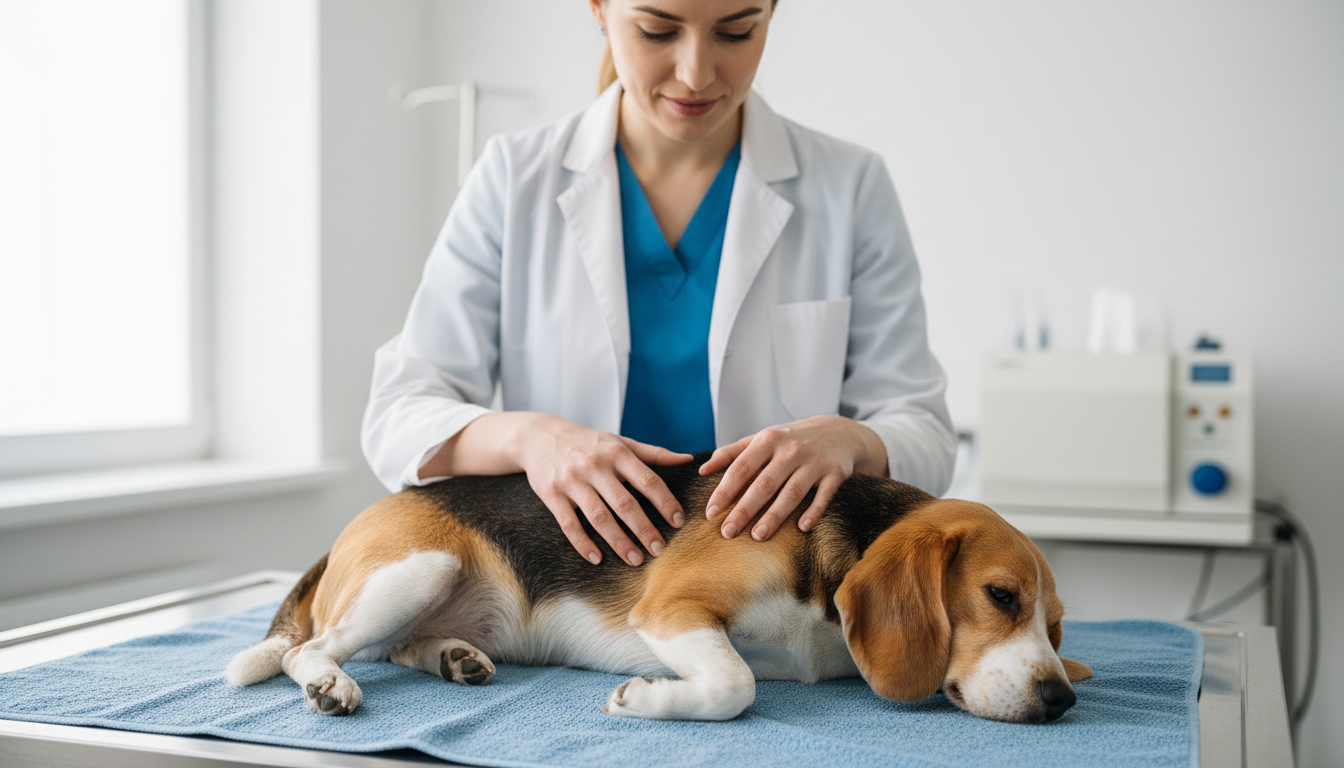
Every Beagle is built a little differently, so there isn’t one single number on a scale that applies to every dog. Instead, vets often rely on a hands-on and visual assessment to judge whether a dog is at a healthy weight. You should be able to feel your Beagle’s ribs with light pressure, without them being visibly prominent, and there should be a visible waistline when you look down at your dog from above.
From the side, a healthy Beagle typically shows a slight upward tuck behind the ribcage rather than a straight or sagging belly line. If you’re ever unsure whether your dog’s current weight is appropriate, your veterinarian can give you a more precise assessment during a regular checkup and help you set a realistic target if any adjustments are needed.
- Ribs easily felt with gentle pressure, not visible
- A clear waist when viewed from above
- A slight tuck in the belly when viewed from the side
- Good energy and stamina during normal activity
- No excessive panting or fatigue during moderate exercise
Common Feeding Mistakes That Add Up
Many well-meaning owners unintentionally contribute to their Beagle’s weight gain through small daily habits. Free-feeding, where food is left out all day for the dog to graze on, can be especially risky for this breed since Beagles rarely stop eating on their own once food is available. Treat-giving is another common culprit, particularly when treats are used frequently for training or simply because a Beagle’s pleading expression is hard to resist.
Table scraps are another frequent issue, since human food is often higher in calories and fat than most dogs need, and portions handed over during meals can quickly add up without anyone noticing. Even measuring food inconsistently, using a different cup size or eyeballing portions instead of using an actual measuring tool, can lead to a Beagle receiving more calories than intended day after day.
- Leaving food out all day instead of scheduled meals
- Offering frequent high-calorie treats or table scraps
- Inconsistent or imprecise portion measuring
- Feeding extra “just because” of persistent begging
- Multiple family members feeding the dog without coordinating
Building a Feeding Routine That Works
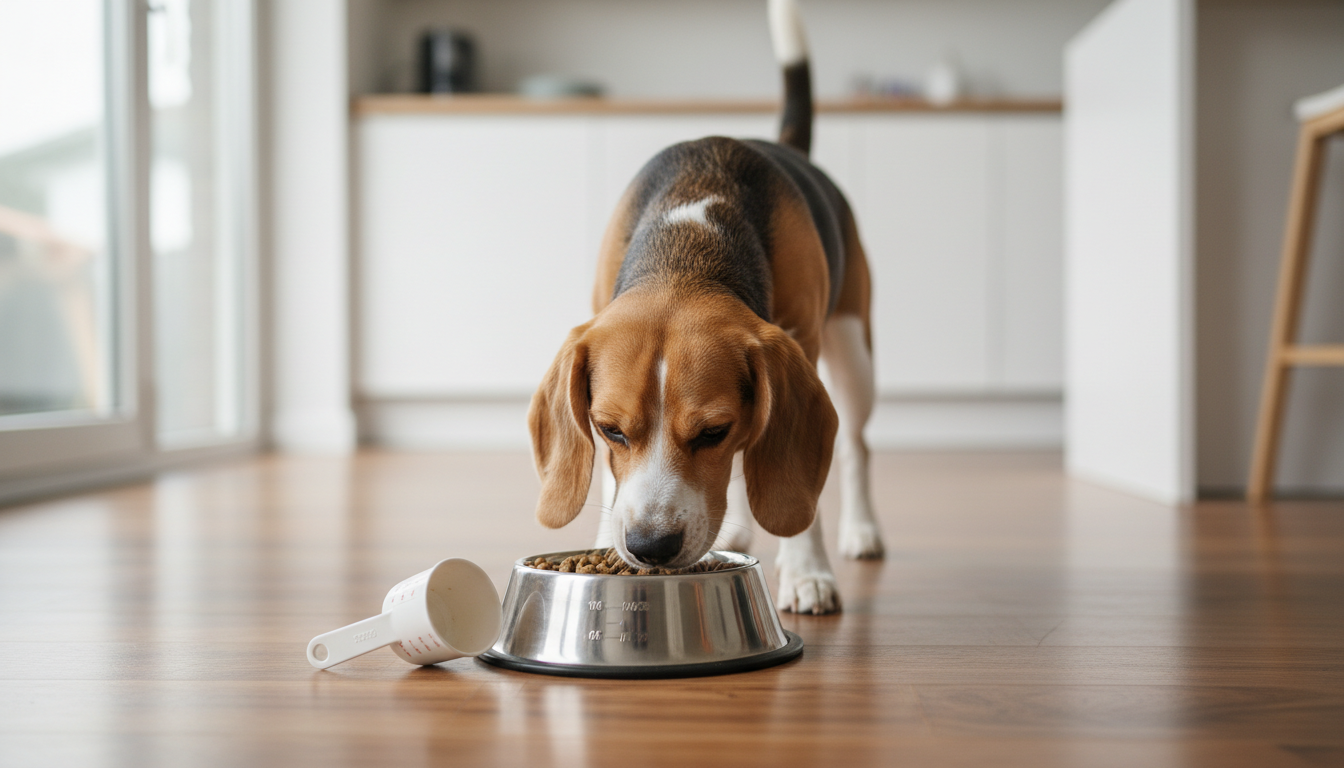
Structure tends to help Beagles far more than willpower alone. Feeding your dog at set times each day, using a properly measured portion based on your veterinarian’s recommendation, gives you much more control than leaving food available around the clock. Many owners find that splitting the daily food amount into two smaller meals rather than one large one helps manage a Beagle’s intense interest in food throughout the day.
Using a kitchen scale or a proper measuring cup designed for pet food, rather than estimating by eye, also makes a meaningful difference over time. It’s easy to underestimate how much a slightly overfilled cup can add up to across weeks and months. If you’re working with your vet to adjust your Beagle’s diet, following their specific recommendations for portion sizes and feeding frequency will give you the most reliable results for your individual dog.
Choosing Treats Wisely
Treats don’t need to disappear entirely from your Beagle’s routine, but how you choose and use them matters. Opting for lower-calorie treat options, and considering portioning them out from your dog’s daily food allowance rather than adding them on top, can help prevent the calorie creep that often happens with frequent treat-giving.
Breaking treats into smaller pieces is another simple way to make rewards last longer without increasing the actual amount of food given. Some owners also find success using non-food rewards like praise, a favorite toy, or a quick game of fetch instead of relying on treats for every bit of training or good behavior. Your veterinarian can offer guidance on treat choices and appropriate portions tailored to your dog’s needs.
The Role of Exercise in Weight Management
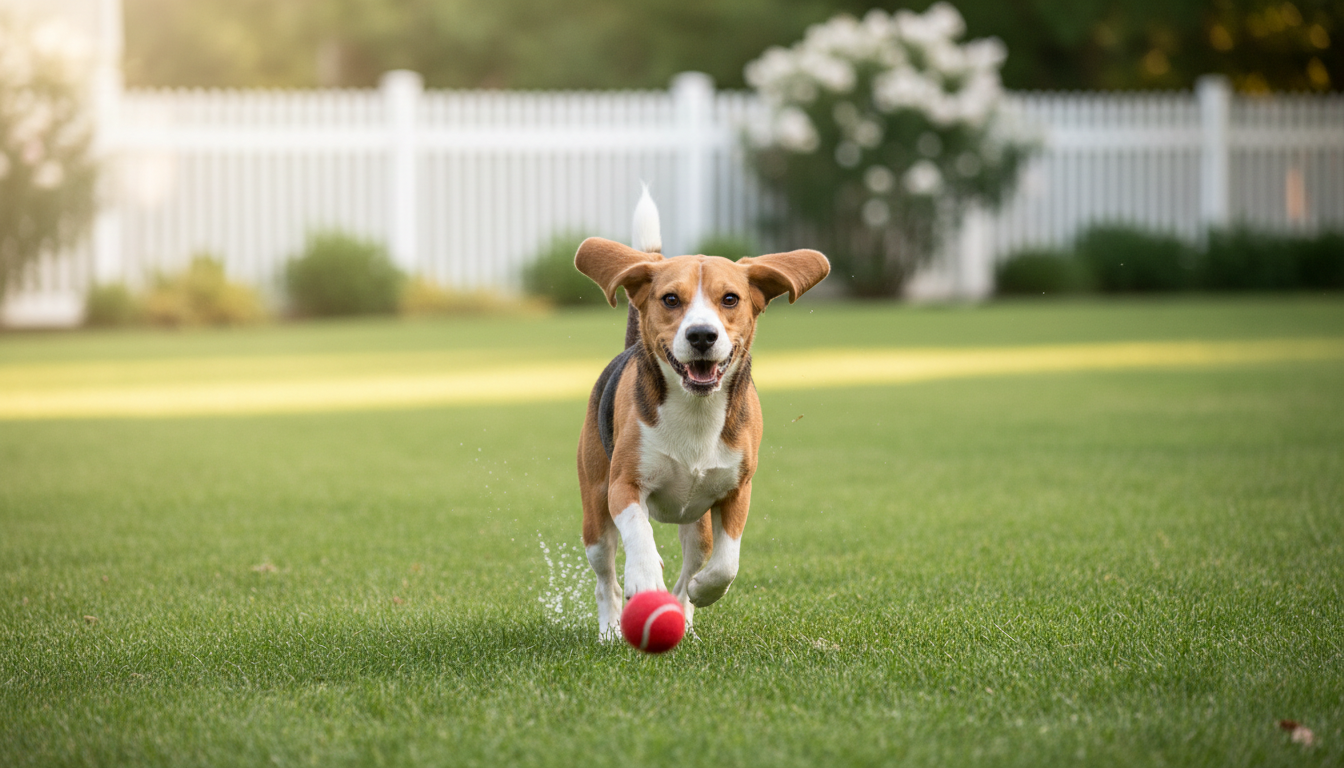
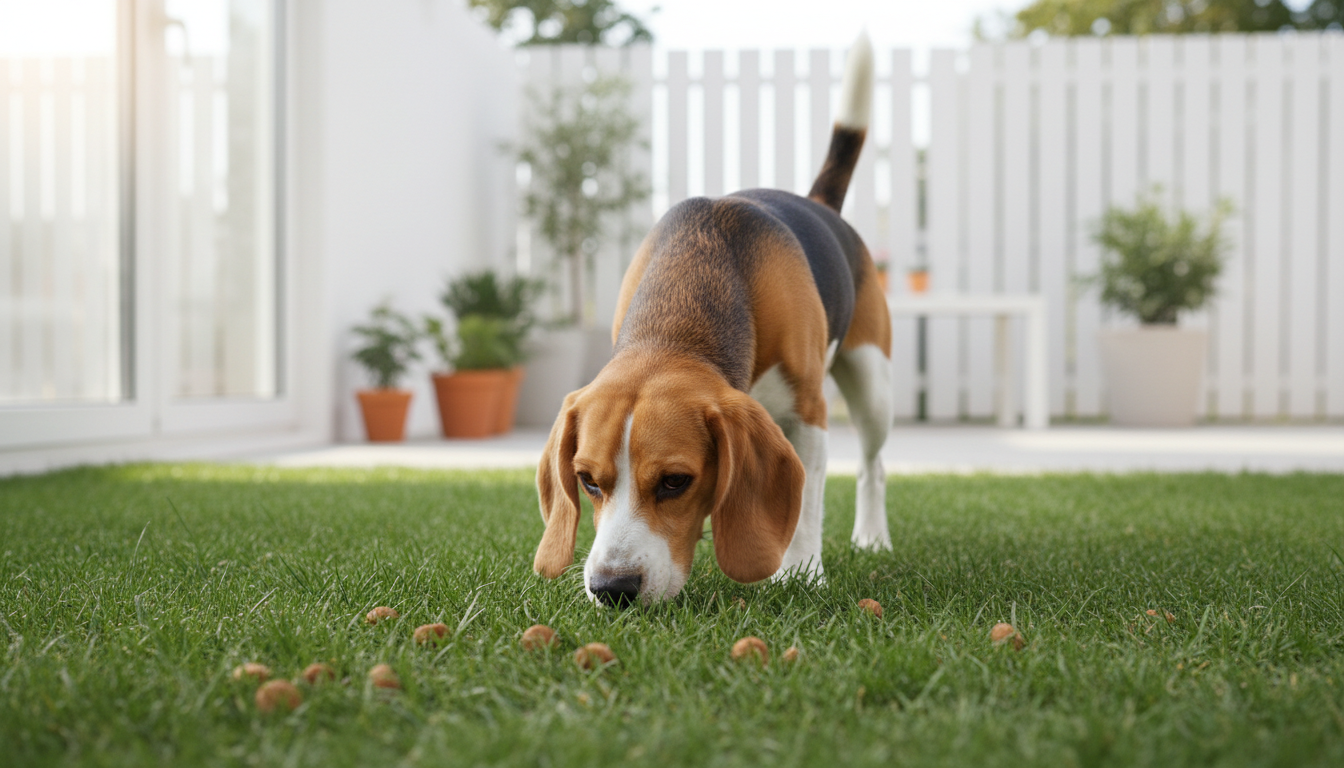
While diet plays the biggest role in a Beagle’s weight, regular physical activity is an important part of the overall picture. Beagles were built for endurance and tend to do well with daily walks, scent games, and opportunities to use their nose in a structured way. Activities that tap into their natural tracking instincts, like scattering treats in the yard for them to sniff out, can provide mental stimulation alongside physical movement.
Consistency matters more than intensity for most Beagles. A daily walk routine, even a modest one, tends to be more effective over time than occasional bursts of high-energy activity. If your Beagle is already overweight, it’s worth checking with your veterinarian before significantly increasing exercise, since extra weight can make certain activities harder on the joints until some of that weight comes off.
Why Beagles Are Skilled at Getting Extra Food
Part of what makes managing a Beagle’s weight tricky is just how resourceful this breed can be about finding food. Beagles are known for counter-surfing, getting into trash cans, and sniffing out food left unattended almost anywhere in the house. Their determination and persistence, the same traits that made them excellent hunting companions, can work against weight management efforts if food isn’t properly secured.
Keeping food out of reach, securing trash cans with lids, and being mindful of what’s left on counters or tables can go a long way toward preventing unplanned snacking. It’s also worth being cautious about what family members or guests might offer your Beagle without realizing it contributes to ongoing weight issues.
- Store food and treats in sealed, inaccessible containers
- Use trash cans with secure, latching lids
- Avoid leaving food unattended on counters or tables
- Communicate feeding rules clearly to all household members and guests
- Supervise your Beagle in the kitchen during meal prep
Signs Your Beagle May Already Be Overweight
Sometimes it’s hard to notice gradual weight gain in a dog you see every single day. Looking for specific signs can help you catch the issue before it becomes more serious. A visible loss of waistline, difficulty feeling ribs even with firm pressure, and a rounder overall appearance are common physical indicators.
Behavioral changes can also signal a weight problem. A Beagle that seems more tired on walks, hesitant to jump up onto furniture, or slower to get up after resting may be carrying more weight than is comfortable for their joints and overall stamina. If you notice any of these signs, it’s a good idea to schedule a checkup with your veterinarian to assess your dog’s weight and discuss a plan going forward.
When to Involve Your Veterinarian
If you’re concerned that your Beagle has gained weight or you’re unsure what a healthy weight looks like for your individual dog, your veterinarian is the best resource for guidance. They can assess your dog’s body condition, rule out any underlying medical issues that might be contributing to weight gain, and help you create a realistic, personalized plan for weight management.
It’s worth noting that sudden or unexplained weight gain can sometimes be linked to underlying health conditions rather than diet alone, so a veterinary visit is especially important if the weight gain seems rapid or doesn’t align with any obvious change in feeding or activity. Never attempt to put your Beagle on a drastic diet or significantly change their food without professional guidance, since sudden dietary changes can cause other health issues.
Long-Term Benefits of Keeping Your Beagle Lean
Maintaining a healthy weight throughout your Beagle’s life can make a real difference in their comfort and longevity. Dogs at a healthy weight tend to have more energy, move more comfortably, and may be less prone to certain joint and mobility issues as they age. They often handle warm weather better too, since excess weight can make it harder for dogs to regulate their body temperature.
A lean Beagle is also generally easier for your veterinarian to examine thoroughly, which supports better preventive care over the course of your dog’s life. Taking weight management seriously from puppyhood onward, rather than waiting until weight becomes a visible problem, tends to set Beagles up for a more comfortable and active life overall.
Final Thoughts on Managing Your Beagle’s Weight
Beagles are wonderful, food-motivated companions, but that same enthusiasm for eating means their weight needs more active management than some other breeds might require. With consistent feeding routines, thoughtful treat choices, regular exercise, and a watchful eye on your dog’s body condition, you can help your Beagle stay lean and comfortable throughout their life. If you ever have concerns about your dog’s weight or diet, don’t hesitate to reach out to your veterinarian, who can offer guidance tailored specifically to your Beagle’s needs.
This article is for general education and is not a substitute for care from your own veterinarian. Learn about The Pet Vet and our editorial policy.