
British Shorthair cat obesity is something many owners notice slowly, often not until a vet mentions it at a checkup. This breed’s dense, cobby body and famously mellow personality can hide weight gain until it’s well underway. In this article, you’ll learn why British Shorthairs are so prone to packing on pounds, what health problems excess weight can cause, and practical steps you can take alongside your vet to help your cat stay at a healthy size.
Table of Contents
- Why This Breed Gains Weight So Easily
- How to Tell If Your Cat Is Overweight
- Health Risks That Come With Extra Weight
- Feeding Habits That Contribute to Weight Gain
- Talking to Your Vet About a Weight Plan
- Encouraging More Movement at Home
- Why Spaying and Neutering Changes the Equation
- The Role of Age in Weight Management
- Setting Realistic Expectations
- When to See a Vet
Why This Breed Gains Weight So Easily
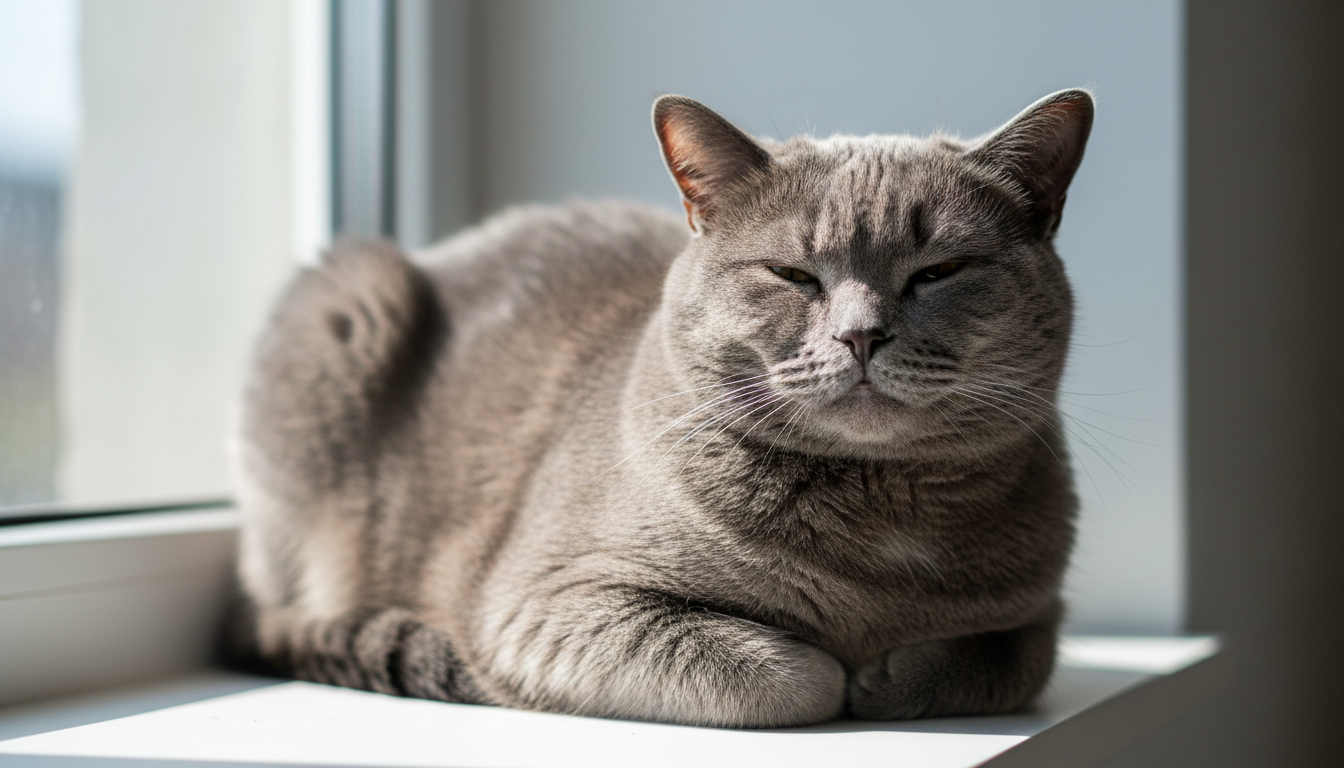
British Shorthairs are built to look solid and round even at a healthy weight, which makes it harder for owners to spot the early stages of obesity. Their broad chest, thick legs, and plush double coat create an illusion of bulk that can mask the difference between a muscular cat and an overweight one. Many owners genuinely don’t realize their cat has crossed into unhealthy territory until a veterinarian points out that ribs can’t be felt or that the belly has started to sway.
Temperament plays a big role too. This breed is known for being calm, low-key, and perfectly content lounging on a windowsill or sofa for most of the day. Unlike more athletic or vocal breeds that demand play and attention, a British Shorthair is often happy to simply exist quietly in a room, which means fewer spontaneous bursts of activity to burn calories. Combine a naturally low energy drive with a dense frame, and you have a breed that can gain weight steadily without much dramatic change in behavior.
Genetics may also contribute to a slower metabolism in this breed, though this hasn’t been something owners can test for or measure at home. What matters practically is that British Shorthairs often need fewer calories than owners expect, especially once they’re spayed or neutered, which can further slow metabolism. If you’re feeding this breed the same way you might feed a more active cat, you may be setting the stage for gradual weight gain without realizing it.
How to Tell If Your Cat Is Overweight
Because of this breed’s naturally sturdy look, a simple glance often isn’t enough to judge body condition. Vets usually recommend using a hands-on approach combined with a side profile check, since visual impressions can be misleading on a cat with a thick coat and round face. Learning to assess your own cat’s body condition at home can help you catch changes early, between veterinary visits.
Try running your hands gently along your cat’s sides. You should be able to feel the ribs without heavy pressing, similar to feeling the backs of your knuckles through a thin layer of skin. If you have to press firmly or can’t feel individual ribs at all, that’s often a sign of extra padding. Looking at your cat from above, there should be a visible waist behind the ribs, a gentle inward curve rather than a straight or outward-bulging line.
- Ribs that are difficult to feel without firm pressure
- No visible waist when viewed from above
- A belly that sways or sags noticeably when your cat walks
- Reluctance to jump onto furniture they used to reach easily
- Noticeably less grooming, especially around the lower back and tail base
Health Risks That Come With Extra Weight
Carrying extra weight isn’t just a cosmetic issue for cats, it changes how their whole body functions. Overweight cats face a higher likelihood of developing diabetes, since excess fat tissue interferes with how the body uses insulin. This condition often requires lifelong management once it develops, so preventing it in the first place matters a great deal.
Joint stress is another serious concern, particularly for a breed with a naturally heavy frame. Extra pounds put more strain on hips, knees, and spine, which can accelerate arthritis and make cats less willing to move, creating a frustrating cycle where reduced activity leads to more weight gain and more joint pain. Overweight cats are also more prone to urinary tract issues, liver problems, and breathing difficulties, since fat around the abdomen can make it harder for the diaphragm to expand fully.
Anesthesia and surgery also carry higher risks for overweight cats, which matters if your British Shorthair ever needs a procedure, even a routine dental cleaning. Vets often need to adjust their approach for heavier patients, and recovery can take longer. None of this means an overweight cat can’t live a full life, but it does mean the margin for complications shrinks as weight climbs.
Feeding Habits That Contribute to Weight Gain
A lot of weight gain in this breed comes down to small daily habits rather than one obvious cause. Free-feeding, where food is left out all day for grazing, is particularly risky for a breed that isn’t naturally driven to burn off extra calories through activity. Without built-in portion control, it’s easy for a cat to eat more than it needs simply because the food is always available.
Treats are another common culprit, especially when they’re given frequently as a way to show affection or respond to a cat’s calm, affectionate nature. A few extra treats a day might seem harmless, but for a cat with a slower metabolism, those calories add up quickly over weeks and months. Table scraps, while often given with good intentions, can be even more calorie-dense than commercial treats and are rarely portioned with any precision.
- Food left out all day instead of scheduled meals
- Treats given multiple times daily without reducing meal portions
- Table scraps or human food shared regularly
- Feeding based on what “looks right” rather than measured portions
- Multiple household members feeding the same cat without coordinating
Talking to Your Vet About a Weight Plan
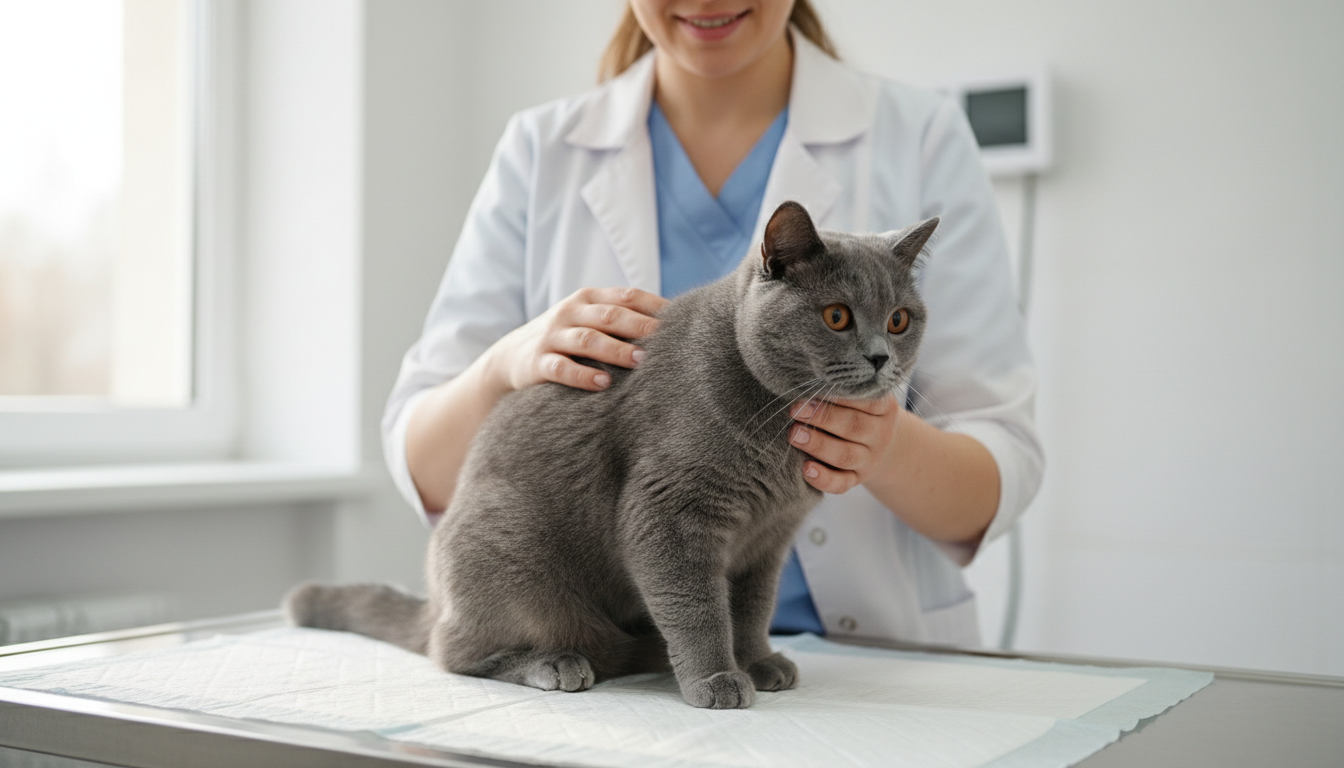
If you suspect your British Shorthair is carrying extra weight, the right first step is a conversation with your veterinarian rather than guessing at a solution on your own. Your vet can assess your cat’s body condition score, rule out any underlying medical issues that might be contributing to weight gain, and help you set a realistic target weight based on your individual cat’s frame and history. This is especially important because sudden or aggressive weight loss in cats can actually be dangerous and lead to a serious liver condition.
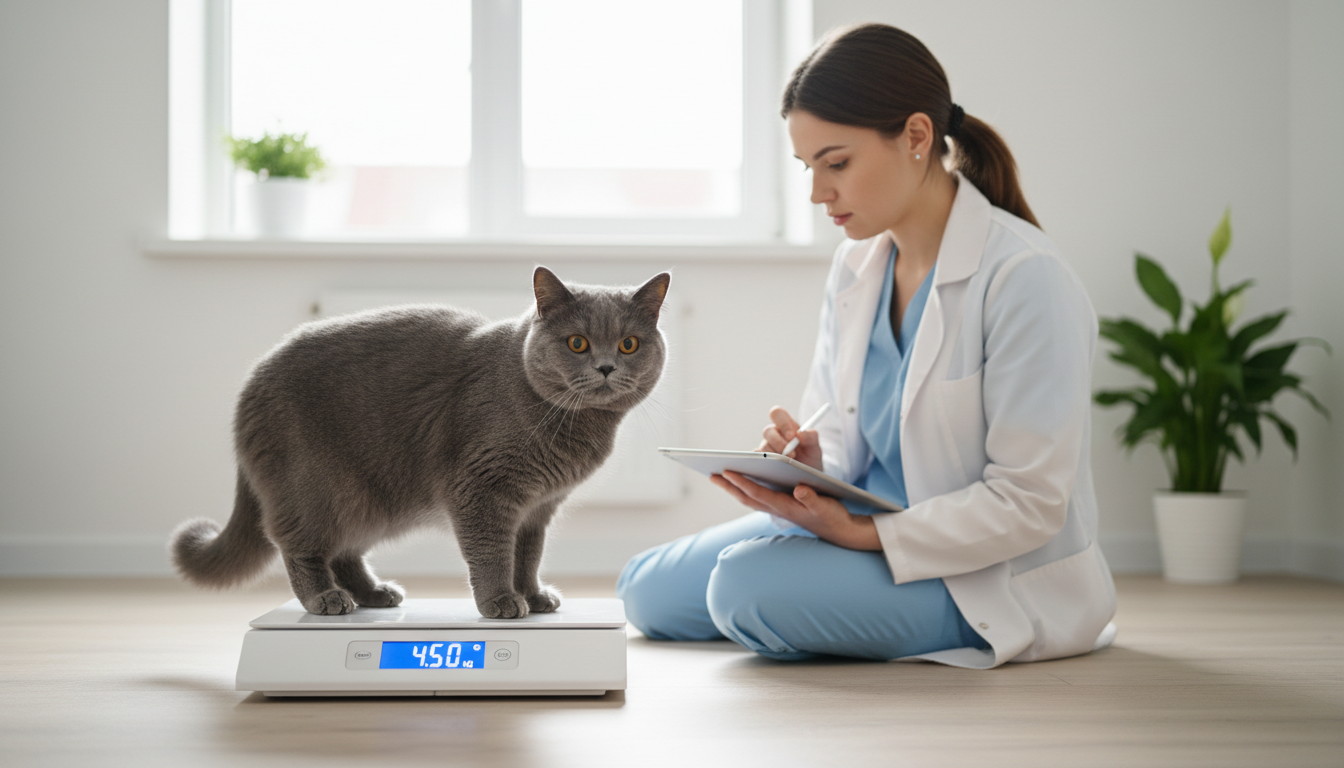
Your vet may recommend a specific feeding plan, possibly including a prescription weight management food designed to help cats feel full on fewer calories. They can also help you figure out exactly how much to feed based on your cat’s current weight, target weight, and activity level, since generic feeding guidelines on packaging don’t account for individual differences. Regular weigh-ins, often monthly, help track progress and allow adjustments along the way.
It’s worth asking your vet about timeline expectations too. Healthy weight loss in cats is typically slow and gradual, and your vet is the best person to tell you what pace is safe for your specific cat. Never put a cat on a drastically reduced diet without veterinary guidance, since this can trigger serious health complications.
Encouraging More Movement at Home
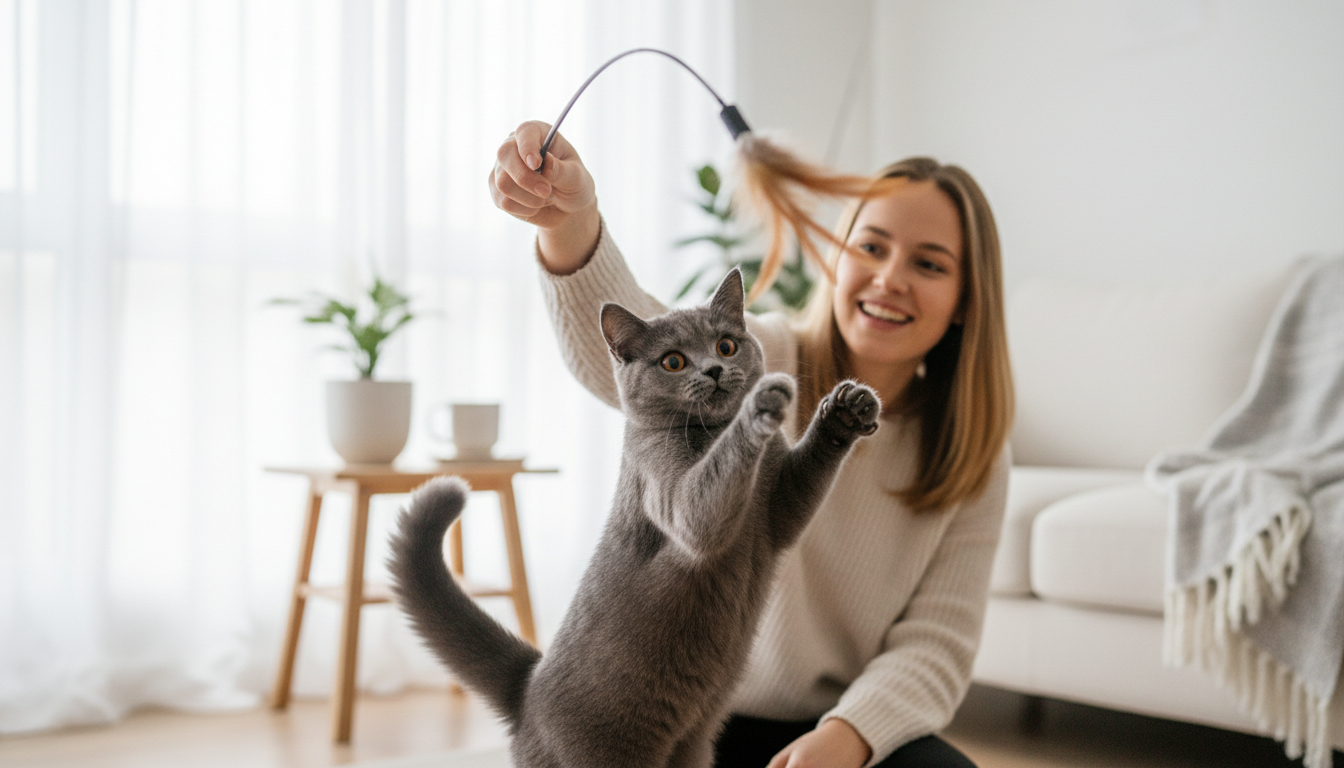
Because British Shorthairs aren’t naturally inclined toward high energy play, owners often need to get creative to encourage movement throughout the day. Short, frequent play sessions tend to work better than one long session, since this breed’s calm temperament means they may lose interest quickly in extended activity. Using interactive toys like wand toys or small balls that mimic prey movement can help spark more interest than toys that just sit still.
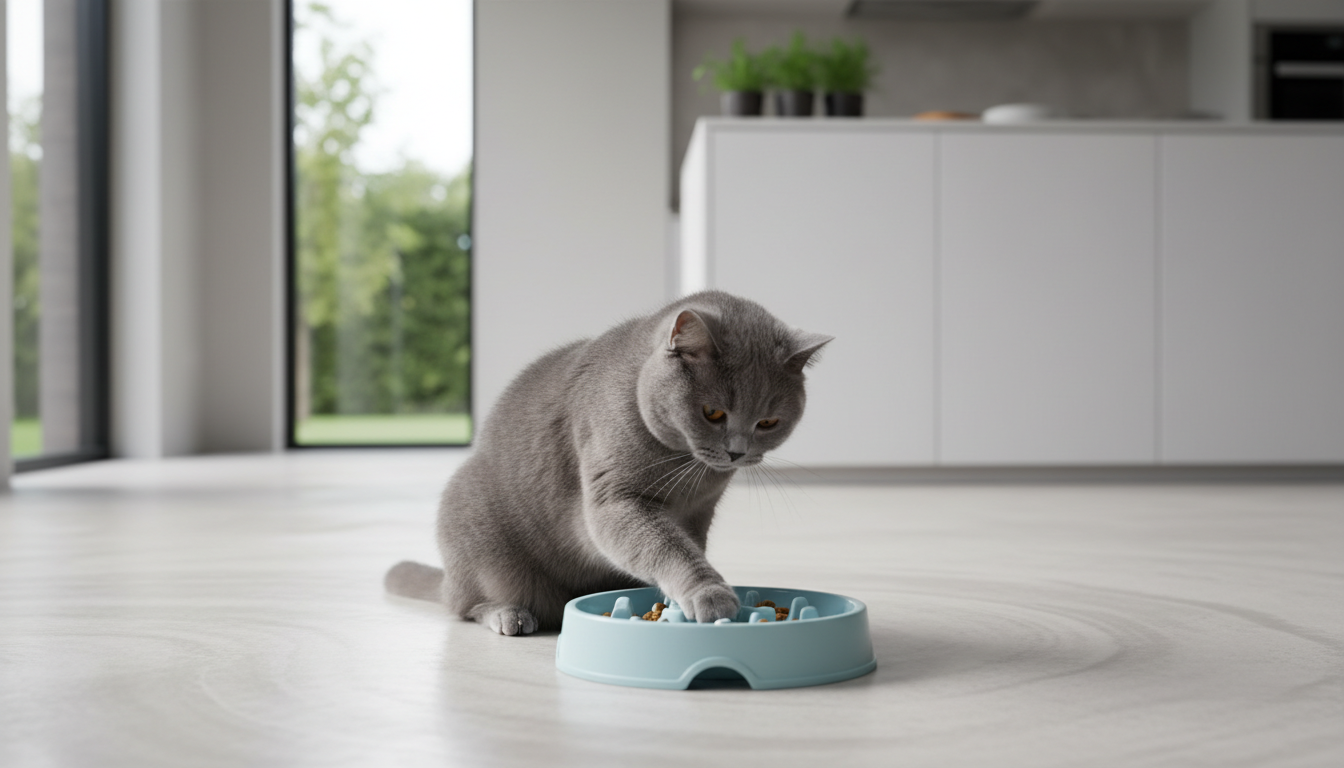
Food puzzles and slow feeders are another useful tool, turning mealtime into a small physical and mental challenge instead of something that happens in thirty seconds at a bowl. These tools can slow down eating, which helps with digestion, while also encouraging a bit of movement and problem solving. Placing food puzzles in different rooms can also encourage your cat to walk between locations throughout the day.
- Short play sessions several times a day rather than one long session
- Wand toys that mimic bird or prey movement
- Food puzzles or slow feeders instead of a regular bowl
- Scattering small portions of food in different spots to encourage walking
- Cat trees or shelves that encourage climbing and stretching
Why Spaying and Neutering Changes the Equation
Most British Shorthairs are spayed or neutered at some point, and this procedure is known to lower metabolic rate in cats generally. This means that the amount of food your cat needed before the procedure is often too much afterward, even though hunger cues may not change much. Many owners continue feeding the same amount out of habit, not realizing their cat’s calorie needs have shifted.
This is particularly relevant for a breed that already tends toward a slower metabolism and lower activity level. After a spay or neuter procedure, it’s worth having a conversation with your vet about adjusting portion sizes rather than waiting until weight gain becomes obvious. Catching this shift early, right after the procedure, is much easier than trying to reverse months of gradual overfeeding later.
The Role of Age in Weight Management
As British Shorthairs move into their middle and senior years, their calorie needs typically decrease even further, while joint changes and general slowing down reduce their natural activity even more. This can create a situation where a cat that maintained a stable weight for years suddenly starts gaining as they age, simply because their body is burning fewer calories than it used to. Regular veterinary checkups become especially important during this life stage, since your vet can help you adjust feeding plans proactively rather than reactively.
Older cats also sometimes develop health conditions that affect weight, either causing gain or loss, so any noticeable change in an older cat’s weight deserves veterinary attention rather than assuming it’s just a normal part of aging. Thyroid issues, for example, can cause weight changes in either direction and are worth ruling out with bloodwork if your vet recommends it.
Setting Realistic Expectations
It helps to remember that British Shorthairs are simply built differently than leaner, more athletic breeds, and a healthy weight for this breed will still look solid and sturdy compared to something like a Siamese. The goal isn’t to make your cat look skinny, it’s to make sure there’s a visible waist, ribs that can be felt without pressing hard, and a body that moves comfortably without excess strain. Your vet can give you a specific target weight range based on your individual cat’s frame size, which varies even within the breed.
Weight management is also rarely a one-time fix. It tends to be an ongoing process of monitoring, adjusting, and staying consistent, especially as life stages change and activity levels shift over the years. Approaching it as a long-term habit rather than a short-term diet tends to produce better, more sustainable results for both you and your cat.
When to See a Vet
Any time you notice significant weight gain, weight loss, or changes in your cat’s activity level, appetite, or mobility, it’s worth scheduling a veterinary visit. These changes can sometimes signal an underlying medical issue rather than simple overfeeding, and only a vet can properly evaluate and rule out conditions like thyroid disease, diabetes, or joint problems. Don’t attempt to diagnose the cause of weight changes on your own or start a weight loss plan without professional guidance, since cats have unique metabolic needs that make improper dieting genuinely risky.
Your veterinarian is your best partner in figuring out what’s normal for your individual British Shorthair and what needs closer attention. With regular checkups, mindful feeding, and a bit of patience, this naturally calm and sturdy breed can maintain a healthy weight and enjoy a comfortable, active life well into their senior years.
- Noticeable weight gain or loss over a few weeks
- Reduced interest in jumping, climbing, or play
- Changes in appetite, either increased or decreased
- Excessive thirst or urination
- Lethargy or reluctance to move around the house
- Any grooming changes, including matting from reduced self-grooming
This article is for general education and is not a substitute for care from your own veterinarian. Learn about The Pet Vet and our editorial policy.