
Basset Hound ear infections are one of the most common reasons owners of this breed end up at the vet’s office. Those long, velvety ears that make Bassets so recognizable also trap moisture, block airflow, and create the perfect environment for yeast and bacteria to thrive. Understanding why this happens, what to watch for, and how to keep your dog comfortable can make a real difference in his quality of life.
Table of Contents
- Why Basset Hounds Are So Prone to Ear Infections
- Recognizing the Early Signs of an Ear Problem
- What Happens During a Vet Visit for Ear Issues
- Common Underlying Causes Beyond Ear Shape
- How Vets Typically Treat Ear Infections
- Setting Up a Regular Ear-Cleaning Routine at Home
- Drying Ears Thoroughly After Baths and Swims
- Diet and Allergies: The Hidden Connection
- When Ear Infections Keep Coming Back
- The Role of Grooming and Ear Hair
- Signs an Ear Infection Has Become an Emergency
- Supporting Your Basset Hound’s Overall Ear Health Long Term
- Living Comfortably with a Breed Prone to Ear Trouble
Why Basset Hounds Are So Prone to Ear Infections
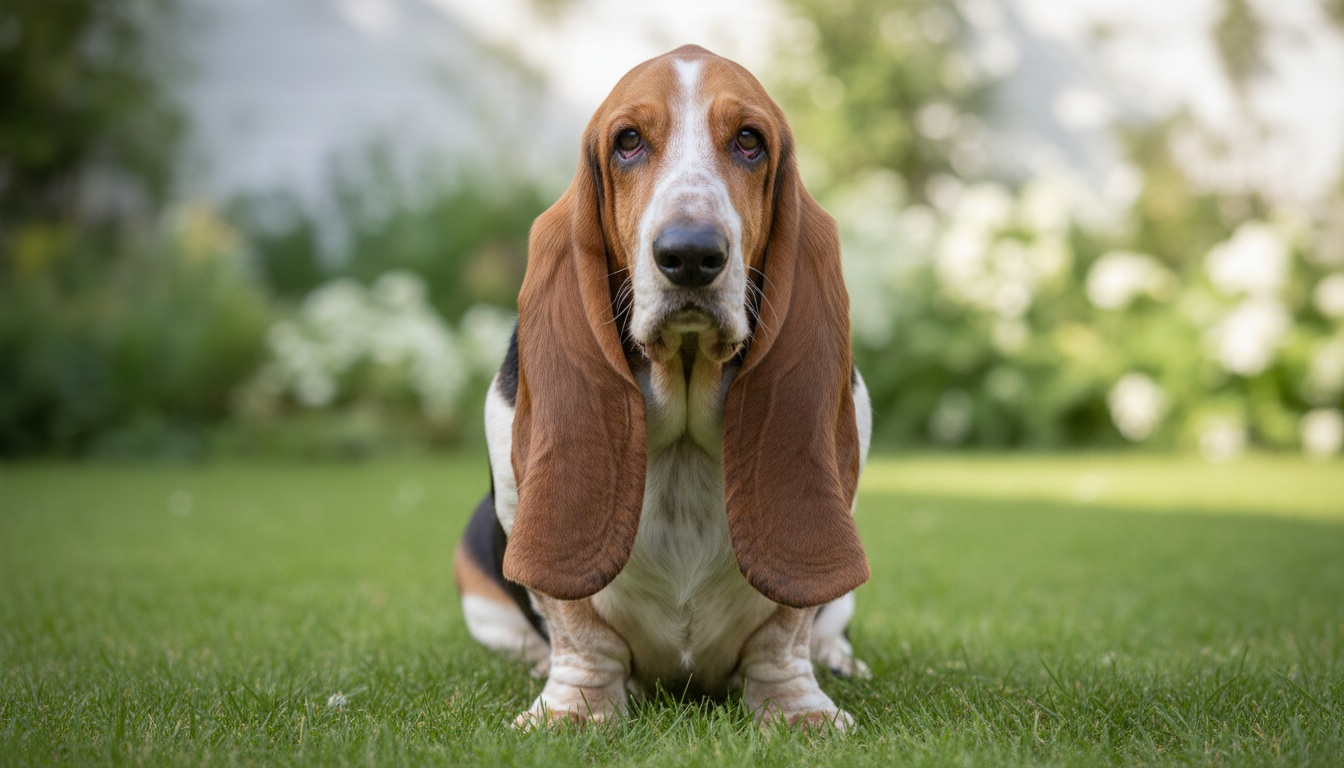
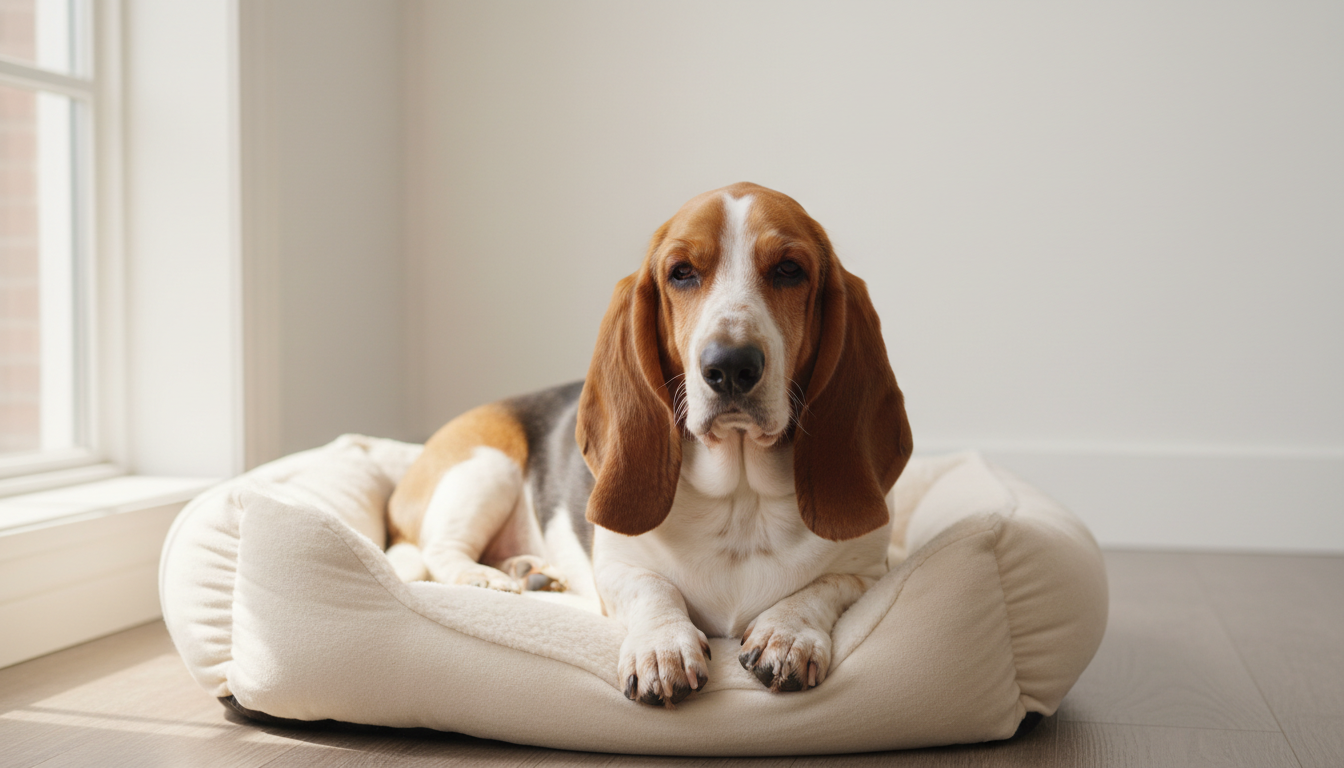
Basset Hounds have some of the longest, lowest-hanging ears of any dog breed, and that anatomy is both charming and problematic. Their ear canals are naturally narrow and the ear flaps hang down over the opening, which means air simply doesn’t circulate the way it does in a dog with upright or shorter ears. Moisture from bathing, swimming, drinking water, or even humid weather gets trapped inside, and warm, damp, dark spaces are exactly what yeast and bacteria need to multiply.
On top of the shape of their ears, Bassets also tend to produce more earwax than many other breeds, and some dogs in this breed have a genetic predisposition toward allergies that make their skin and ears more reactive to begin with. When you combine poor airflow, excess wax, and an allergy-prone immune system, you get a breed that is simply wired for recurring ear trouble unless owners stay proactive about care.
This doesn’t mean every Basset Hound will struggle with chronic infections, but it does mean that routine ear maintenance should be part of normal grooming rather than something you only think about after a problem starts. Prevention is far easier, and far less uncomfortable for your dog, than treating an infection that has already taken hold.
Recognizing the Early Signs of an Ear Problem
Catching an ear infection early can mean the difference between a quick, simple treatment and a painful, drawn-out recovery. Basset Hounds can’t tell you their ears hurt, so you have to rely on behavior changes and physical signs to know something is wrong. The earlier you notice these clues, the sooner your vet can help your dog feel better.
If you notice any combination of these signs, it’s worth scheduling a vet visit rather than waiting to see if things improve on their own. Ear infections rarely resolve without treatment, and untreated infections can spread deeper into the ear canal, making them harder to clear and more painful for your dog.
- Frequent head shaking or tilting the head to one side
- Scratching at the ears, face, or neck more than usual
- A noticeable odor coming from the ear, often described as yeasty or musty
- Redness, swelling, or visible discharge inside the ear flap
- Sensitivity when the ears are touched, or pulling away during petting
- Rubbing the side of the head against furniture, floors, or your leg
What Happens During a Vet Visit for Ear Issues
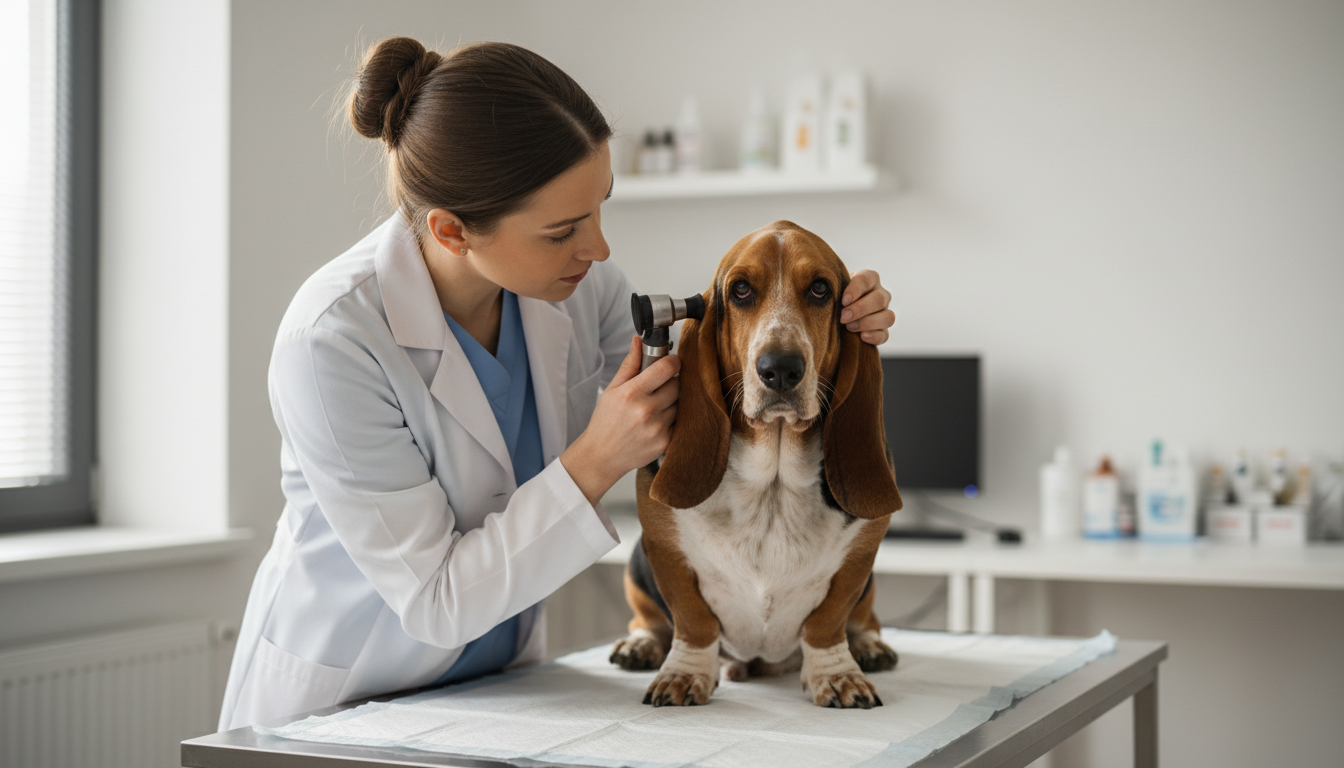
When you bring your Basset Hound in for a suspected ear infection, your vet will typically start by looking inside the ear with an otoscope to check for redness, swelling, discharge, or any visible damage to the eardrum. This step helps them understand how deep the infection goes and whether it’s safe to flush or treat the ear without causing further irritation.
In many cases, your vet will also take a small sample of the discharge to look at under a microscope. This helps them determine whether the infection is caused by yeast, bacteria, or a combination of both, since the treatment approach can differ depending on what’s driving the problem. Some infections are straightforward, while others are more stubborn and may require follow-up visits to confirm the infection has fully cleared.
Your vet is the only person who can determine the right course of treatment for your dog, so please don’t attempt to diagnose or treat an ear infection entirely on your own, especially if there’s any chance the eardrum could be affected. Using the wrong product on a damaged eardrum can cause serious harm, which is why professional guidance matters here.
Common Underlying Causes Beyond Ear Shape
While the shape of a Basset’s ears sets the stage for trouble, there are usually other factors contributing to why an infection started in the first place. Identifying these underlying causes is important because treating the infection without addressing the root issue often leads to the problem coming right back.
Environmental and food allergies are a frequent culprit in this breed, since allergic reactions often show up as skin and ear inflammation rather than the sneezing or watery eyes you might expect in people. Moisture exposure from swimming, bathing, or even just drinking from a bowl with ears dangling in the water can also set the stage for yeast overgrowth. Less commonly, ear mites, foreign objects like grass seeds, or hormonal imbalances can be behind recurring infections, which is part of why your vet may recommend additional testing if infections keep coming back.
How Vets Typically Treat Ear Infections
Treatment plans vary depending on what’s causing the infection and how severe it is, but your vet will generally start with a thorough ear cleaning to remove debris, wax, and discharge before any medication can work effectively. From there, they may prescribe topical ear drops or ointments designed to target the specific type of infection found during testing.
For more severe or chronic cases, your vet might recommend oral medication alongside topical treatment, along with a recheck appointment to confirm the infection has cleared. It’s important to complete the full course of treatment your vet prescribes, even if your dog’s ears seem to improve after just a few days, since stopping early is one of the most common reasons infections return.
- Professional ear cleaning to remove wax and debris
- Topical medication tailored to yeast, bacteria, or both
- Oral medication for more severe or deep-seated infections
- A follow-up exam to confirm the infection has fully resolved
- Addressing any underlying allergy or moisture issue identified along the way
Setting Up a Regular Ear-Cleaning Routine at Home
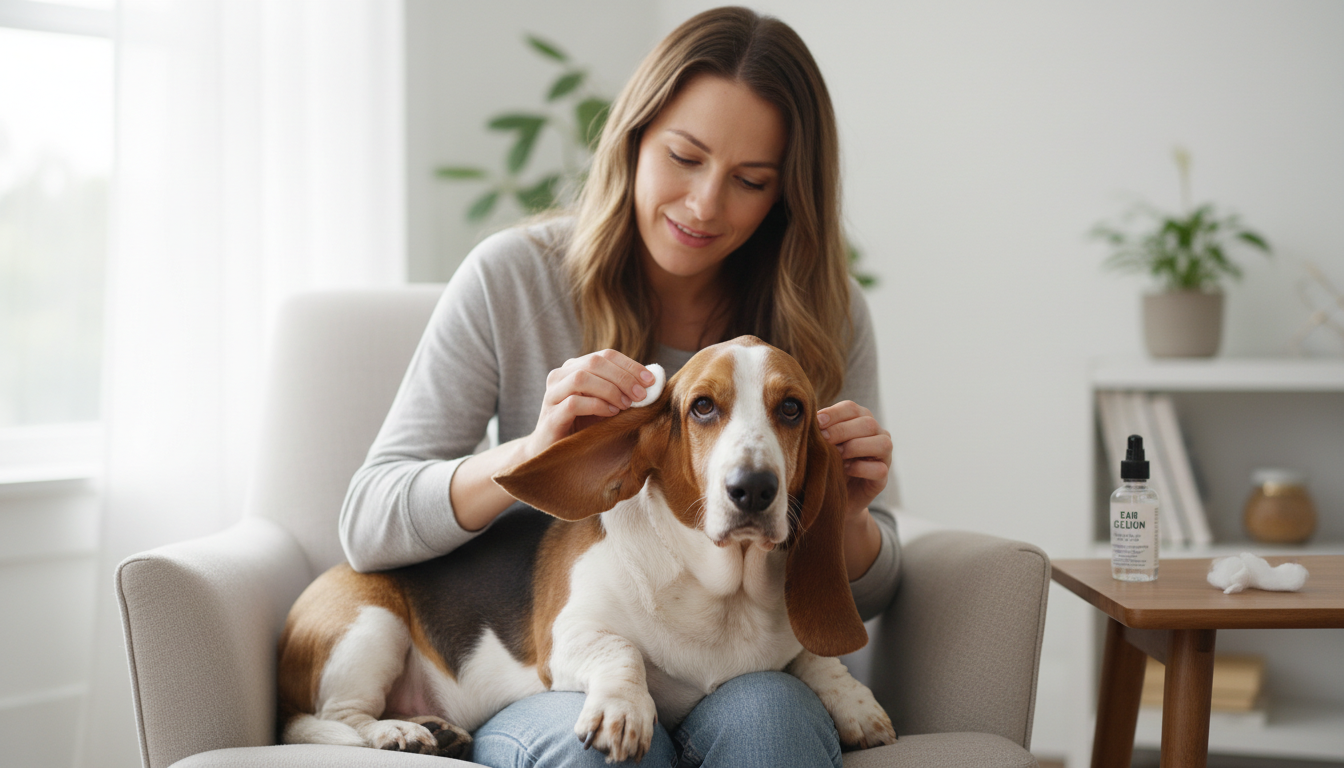
Once your Basset Hound’s ears are healthy, keeping them that way often comes down to a consistent at-home routine. Your vet can recommend a gentle, dog-safe ear cleaner and show you the proper technique so you’re not pushing debris further into the canal or causing irritation. Most owners find that cleaning once a week, or as often as their vet suggests, helps keep wax and moisture from building up to problematic levels.
It helps to make ear cleaning a calm, low-stress part of your routine rather than something you only do when you notice a problem. Many dogs actually come to tolerate or even enjoy the process once they’re used to it, especially if you pair it with praise or a small treat afterward. Consistency matters more than frequency here, so find a schedule that you can realistically stick to long term.
- Lift the ear flap gently and apply the recommended amount of cleaner
- Massage the base of the ear for several seconds to loosen debris
- Let your dog shake his head, which helps bring debris to the surface
- Wipe away visible debris with a soft cotton ball, never a cotton swab
- Reward your dog calmly afterward to build positive associations
Drying Ears Thoroughly After Baths and Swims
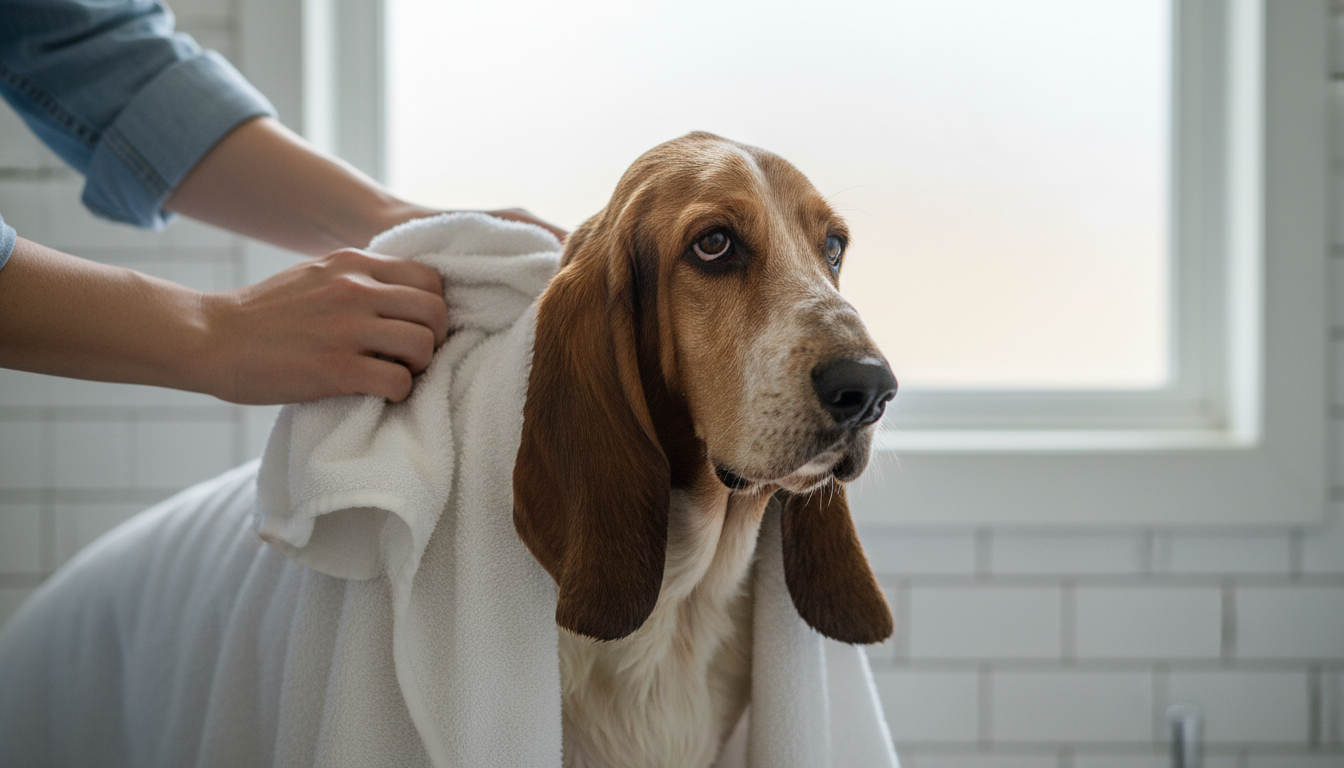
Because moisture is such a major trigger for infections in this breed, drying the ears properly after any water exposure is just as important as regular cleaning. After a bath or a swim, take a few extra minutes to gently dry both the inside and outside of each ear flap with a soft towel. Avoid vigorous rubbing, which can cause irritation, and instead use gentle, blotting motions.
If your Basset Hound spends a lot of time outdoors, you may also want to check his ears after walks in wet grass, rain, or humid conditions, since moisture doesn’t only come from obvious sources like bathing. A few extra minutes of attention after these activities can meaningfully reduce the number of infections your dog experiences over time.
Diet and Allergies: The Hidden Connection
Because so many Basset Hound ear infections are tied to underlying allergies, diet is often part of the bigger picture. Food sensitivities can show up as chronic ear inflammation even when there’s no obvious digestive upset, which makes them easy to overlook. If your dog’s ear infections keep recurring despite good hygiene, your vet may suggest looking into whether a specific ingredient could be contributing.
This process usually involves working closely with your vet, since identifying a food sensitivity isn’t something you can reliably do through guesswork or by switching foods repeatedly on your own. Your vet may recommend a structured elimination process or further testing to help narrow down the cause, and they can guide you toward a diet that supports healthier skin and ears overall.
When Ear Infections Keep Coming Back
Recurring ear infections are frustrating for both you and your dog, and they’re a strong signal that something beyond basic hygiene needs attention. Chronic infections can sometimes lead to thickening of the ear canal tissue over time, which makes future infections even more likely and harder to treat, so breaking the cycle matters.
If your Basset Hound has had multiple infections within a short period, it’s worth asking your vet about a more thorough workup. This might include allergy testing, a closer look at thyroid function, or imaging to check how deep any chronic changes have gone inside the ear canal. Addressing the root cause, rather than just treating each flare-up as it comes, tends to lead to much better long-term outcomes.
The Role of Grooming and Ear Hair
Some Basset Hounds grow fine hair just inside the ear canal opening, and in certain cases this hair can trap moisture and debris even more than usual. Your vet or a professional groomer can advise whether trimming this hair is appropriate for your individual dog, since not every Basset needs it and improper plucking can cause irritation or introduce bacteria.
If your groomer does recommend hair removal around the ear opening, make sure it’s done by someone experienced with the technique. Done carefully, it can improve airflow, but done carelessly, it can actually make ear problems worse by causing micro-tears in sensitive skin.
Signs an Ear Infection Has Become an Emergency
Most ear infections are uncomfortable rather than dangerous, but there are situations where you should seek care right away rather than waiting for a routine appointment. A ruptured eardrum, severe swelling that closes off the ear canal, or signs of significant pain such as crying out when the head is touched all warrant urgent attention.
If you notice any of these signs, contact your vet or an emergency animal hospital right away rather than waiting. Infections that reach this stage can affect balance and hearing if left untreated, and prompt care gives your dog the best chance at a full recovery.
- Sudden loss of balance, stumbling, or circling
- Visible blood or a strong foul odor combined with lethargy
- Severe swelling that appears to close the ear canal entirely
- Signs of intense pain, such as yelping when the head is touched
- Discharge accompanied by fever, vomiting, or refusal to eat
Supporting Your Basset Hound’s Overall Ear Health Long Term
Managing ear health in a Basset Hound is really a lifelong commitment rather than a one-time fix. Regular at-home checks, consistent cleaning, prompt attention to early warning signs, and ongoing communication with your vet all work together to reduce how often infections occur and how severe they become when they do happen.
It also helps to keep a simple record of when infections occur and what seemed to trigger them, whether that’s a recent bath, a change in diet, or a particularly humid week. Patterns like this can be incredibly useful information for your vet as they help you build a prevention plan tailored to your individual dog.
Living Comfortably with a Breed Prone to Ear Trouble
Choosing to love a breed with ears like a Basset Hound’s means accepting that ear care will be part of your routine for his entire life, but that doesn’t have to be a burden. With a little consistency and the right guidance from your vet, most Basset Hounds can go long stretches without serious ear problems, and when issues do pop up, you’ll be well equipped to catch them early.
Your vet is your best partner in this process, from diagnosing the first infection to helping you build sustainable habits that prevent future ones. Don’t hesitate to reach out whenever something seems off, even if it feels minor, since early intervention is almost always easier on your dog than waiting for a small problem to become a bigger one.
This article is for general education and is not a substitute for care from your own veterinarian. Learn about The Pet Vet and our editorial policy.