
Discovering that your young dog may be experiencing dog liver disease in young pets can feel overwhelming, but you’re not alone in this worry. Liver disease in puppies and adolescent dogs is more common than many pet owners realize, and the good news is that early intervention with proper medical care can make a tremendous difference in your pup’s quality of life.
Table of Contents
- What Is Liver Disease in Young Dogs?
- Early Signs Your Young Dog May Need Help
- How Veterinarians Diagnose Liver Disease
- Understanding the Dog Liver Disease Stages Explained
- Medications Commonly Used for Young Dogs With Liver Disease
- The Role of Diet in Managing Young Dog Liver Disease
- Supportive Care and Lifestyle Changes
- When to Seek Emergency Care
- Working With Your Veterinarian on a Treatment Plan
- Long-Term Outlook for Young Dogs With Liver Disease
- What To Do Now
- Frequently Asked Questions
- Summary: Managing Dog Liver Disease in Young Pets
This article is for informational purposes only and is not a substitute for professional veterinary advice. Always consult a licensed veterinarian for diagnosis and treatment.
The liver is your dog’s powerhouse organ—it filters toxins, produces essential proteins, and helps digest food. When something goes wrong with this vital system in young dogs, recognizing the signs and understanding your treatment options becomes critical. Let’s walk through what you need to know about managing liver disease in your young companion.
What Is Liver Disease in Young Dogs?
Liver disease in young pets can develop for various reasons, from genetic conditions to infections or exposure to toxins. Unlike liver problems in senior dogs that often develop gradually, young dogs with liver disease may show symptoms more suddenly or have underlying inherited conditions.

Some young dogs are born with liver shunts (abnormal blood vessels that bypass the liver), while others develop inflammation or infection. The key difference is that young dogs often have more resilience and can respond remarkably well to treatment when caught early.
Early Signs Your Young Dog May Need Help
Catching the early warning signs of dog liver disease early signs puts you in a great position to help your pet. Common symptoms in young dogs include persistent vomiting, loss of appetite, unusual lethargy, or a yellowish tint to the gums and eyes (jaundice).
You might also notice:

- Increased thirst and urination
- Pale or clay-colored stools
- Abdominal swelling or tenderness
- Behavioral changes or confusion
- Poor coat quality despite good nutrition
If your young dog shows any of these signs, scheduling a veterinary visit right away is essential. Early detection genuinely changes outcomes.
How Veterinarians Diagnose Liver Disease
Your vet will typically start with bloodwork to check liver enzymes and function. Ultrasound imaging gives a clear picture of the liver’s structure and can reveal shunts, inflammation, or other abnormalities. Sometimes a liver biopsy is needed to determine the exact type of disease.
These diagnostic steps help your veterinarian create a personalized treatment plan. Understanding the specific type of liver disease your young dog has is crucial because treatment approaches vary significantly.

Understanding the Dog Liver Disease Stages Explained
Liver disease progresses through different stages, and knowing where your dog falls on this spectrum helps guide treatment decisions. Early-stage disease may respond well to medications and dietary changes alone, while advanced stages might require more intensive management.
Your veterinarian will assess your young dog’s liver function through blood tests and imaging to determine the stage. This information directly influences which medications and supportive care strategies will be most effective.
Medications Commonly Used for Young Dogs With Liver Disease
While the title mentions “7 proven medications,” it’s important to understand that no single medication works for every dog. Your veterinarian will recommend specific medications based on your young pet’s unique situation, the underlying cause of liver disease, and current liver function.

Here are categories of medications your vet might consider:
Hepatoprotective Agents
These medications help protect remaining liver tissue and support liver function. They work by reducing inflammation and promoting cellular repair. Your vet may recommend these as part of a comprehensive treatment plan to slow disease progression.
Anti-Inflammatory Medications
Inflammation is often a key driver of liver disease in young dogs. Anti-inflammatory medications can help reduce swelling and discomfort in the liver tissue. These are frequently used alongside other treatments.

Antibiotics (When Indicated)
If bacterial infection or overgrowth is contributing to liver disease, your vet may recommend antibiotics. This is particularly common in young dogs with certain types of hepatitis or infections.
Medications for Liver Shunts
Young dogs with portosystemic shunts (liver shunts) may benefit from medications that reduce ammonia levels and improve liver blood flow. These work alongside dietary management to help the liver function better.
Appetite Stimulants
When liver disease causes your young dog to lose interest in food, appetite stimulants can help ensure they’re getting adequate nutrition—which is essential for liver recovery.
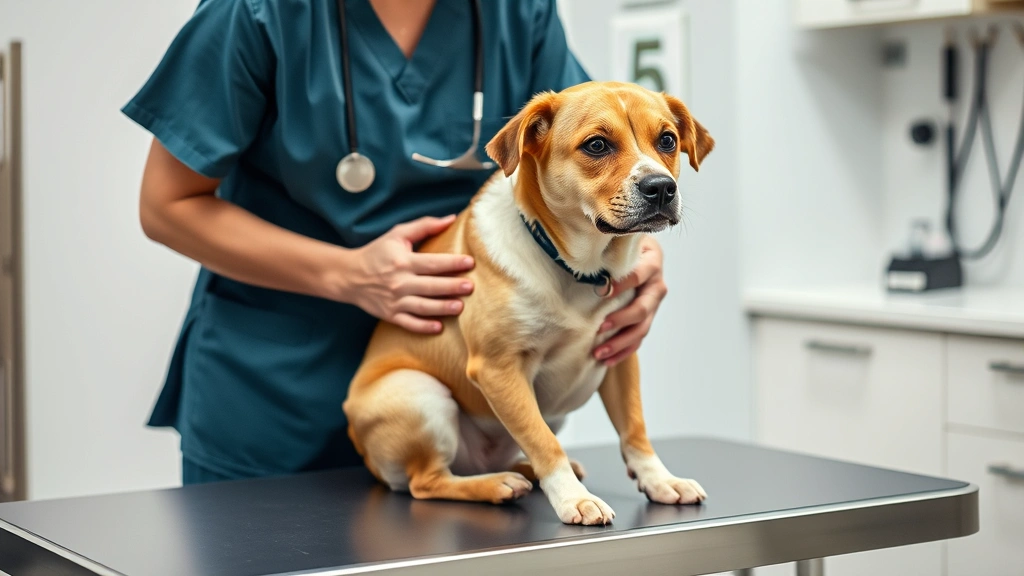
Medications for Nausea and Vomiting
These medications make your young dog more comfortable and help them retain food and water. When a dog feels less nauseated, they’re more likely to eat and recover.
Supplements Supporting Liver Health
Your veterinarian might recommend supplements like milk thistle, SAM-e, or omega-3 fatty acids to support liver regeneration and reduce inflammation. These work best as part of a complete treatment protocol.
Important note: Never give your young dog any medication or supplement without veterinary approval. Some substances can actually harm a compromised liver. Your vet will choose medications that are safe and effective for your specific dog’s condition.
The Role of Diet in Managing Young Dog Liver Disease
Medication is only half the battle. Diet plays an equally important role in managing liver disease in young dogs. A liver-friendly diet reduces the workload on the organ and provides nutrients that support healing.
Your vet may recommend dog liver disease foods to avoid and suggest specific commercial or home-cooked diets. Generally, liver-disease diets are lower in protein (but not deficient), lower in fat, and higher in digestible carbohydrates.
You might explore low fat dog recipes that are specifically formulated for liver support. Working with your vet or a veterinary nutritionist ensures your young dog gets the right balance of nutrients.

Supportive Care and Lifestyle Changes
Beyond medications and diet, supportive care makes a real difference in your young dog’s recovery. This includes:
- Regular monitoring: Frequent vet check-ups and bloodwork help track progress and adjust treatment as needed.
- Stress reduction: Keep your young dog calm and avoid situations that cause anxiety, as stress can worsen liver function.
- Fresh water access: Ensure your dog always has access to clean, fresh water to support kidney and liver function.
- Gentle exercise: Short, low-impact walks are better than intense activity while your dog recovers.
- Avoid toxins: Keep your young dog away from household chemicals, certain plants, and foods that are toxic to the liver.
When to Seek Emergency Care
While many cases of liver disease in young dogs can be managed with medications and diet, some situations require urgent attention. If your young dog shows severe vomiting, inability to stand, seizures, or extreme lethargy, seek emergency veterinary care immediately.
These symptoms may indicate acute liver failure or a medical emergency that needs immediate intervention. Don’t wait—get your dog to an emergency vet clinic right away.

Working With Your Veterinarian on a Treatment Plan
The most successful outcomes come from close collaboration with your vet. Be open about your concerns, ask questions about why specific medications are recommended, and discuss realistic expectations for your young dog’s recovery.
Your vet will likely recommend follow-up bloodwork at specific intervals to monitor how your dog is responding to treatment. These check-ins allow for medication adjustments and help catch any complications early.
If you’re unsure whether your pet needs urgent care or have questions between appointments, a quick telehealth check-in can give you peace of mind—no appointment needed. Many pet parents find this helpful for managing treatment decisions.

Long-Term Outlook for Young Dogs With Liver Disease
The prognosis for young dogs with liver disease varies depending on the underlying cause and how quickly treatment begins. Many young dogs have excellent outcomes, especially if the disease is caught early and managed aggressively.
Young dogs have regenerative capacity that works in their favor. With proper medications, diet, and supportive care, many return to normal or near-normal quality of life. Some may need lifelong management, but that’s entirely manageable with modern veterinary care.
What To Do Now
If you suspect your young dog may have liver disease, here are your next steps:
- Schedule a veterinary appointment: Don’t delay—early diagnosis and treatment are game-changers for young dogs with liver disease.
- Gather your dog’s history: Note any symptoms, when they started, and any potential toxin exposure or dietary changes.
- Ask your vet about specific medications: Understand why each medication is being recommended and what results you should expect.
- Discuss diet options: Work with your vet to find a liver-friendly diet your young dog will actually eat and enjoy.
- Set up a monitoring schedule: Agree on follow-up bloodwork and check-in appointments to track your dog’s progress.
Frequently Asked Questions
Can young dogs recover from liver disease?
Many young dogs recover well or achieve good quality of life with proper treatment, especially if the disease is caught early. The liver has remarkable regenerative abilities in younger animals.
How much do liver disease medications cost?
Costs vary widely depending on the specific medications and your location, but your vet can provide estimates. Many pet parents find that treating early disease is more affordable than managing advanced stages.
Is liver disease in young dogs hereditary?
Some types, like certain liver shunts, can be inherited. If your young dog has a genetic form, your vet can discuss whether breeding is advisable and what screening future pets might need.
Can diet alone treat liver disease in young dogs?
Diet is essential but usually works best alongside medications. Your vet will determine whether your young dog needs both or if diet modification alone might be sufficient for their specific condition.
How often does my young dog need vet check-ups with liver disease?
Initially, monthly visits with bloodwork are common, then the frequency may decrease as your dog stabilizes. Your vet will create a schedule based on your dog’s response to treatment.
Summary: Managing Dog Liver Disease in Young Pets
Discovering that your young dog has liver disease can be scary, but modern veterinary medicine offers real hope. A combination of appropriate medications, dietary management, and supportive care can help your young pet thrive despite this diagnosis.
The key is catching the disease early, working closely with your veterinarian, and staying committed to the treatment plan. Your young dog’s resilience and the power of proper care can lead to wonderful outcomes.
Remember: you’re doing the right thing by seeking information and taking action. Your young dog is lucky to have an owner who cares this much about their health. With the right medical team and your dedication, there’s every reason to be optimistic about your pet’s future.