
German Shepherd hip dysplasia is one of the most common orthopedic concerns in this breed, and it can start causing trouble long before a dog shows obvious limping. Because German Shepherds are large, fast-growing dogs with a sloped topline and active lifestyle, their hips carry a lot of load. Understanding what to watch for, and when to call your vet, can make a real difference in your dog’s comfort and mobility for years to come.
Table of Contents
- What Hip Dysplasia Actually Is
- Why German Shepherds Are So Often Affected
- Early Signs Owners Often Miss
- How Vets Diagnose the Condition
- Weight Management as a First Line of Defense
- Exercise That Supports Joints Instead of Straining Them
- Joint Supplements and Supportive Care
- Medication and Pain Management
- Surgical Options Your Vet May Discuss
- Supporting a German Shepherd Through the Senior Years
- Living Well With a Dysplastic Hip Diagnosis
- When to Call Your Vet Right Away
- Working With Your Vet Long Term
What Hip Dysplasia Actually Is
Hip dysplasia happens when the ball and socket of the hip joint don’t fit together the way they should. Instead of a smooth, snug connection, the joint develops with some looseness or malformation, so the ball slides or grinds against the socket instead of rotating cleanly. Over time this abnormal motion wears down cartilage, irritates the joint lining, and leads to the bony changes vets call osteoarthritis.
In German Shepherds, this tends to be partly genetic, but it is also shaped by growth rate, body weight, and the amount and type of exercise a puppy gets during those critical first twelve to eighteen months. A dog can be born with hips that look fine on an early screening and still develop dysplastic changes as the skeleton matures, which is part of why this condition catches so many owners off guard.
It helps to remember that hip dysplasia is a spectrum, not a single fixed diagnosis. Some dogs have mild laxity that never causes obvious pain, while others develop significant joint damage that limits how far they can walk or how easily they get up from a nap. Your vet is the only one who can tell you where your individual dog falls on that spectrum, usually through a physical exam combined with imaging.
Why German Shepherds Are So Often Affected
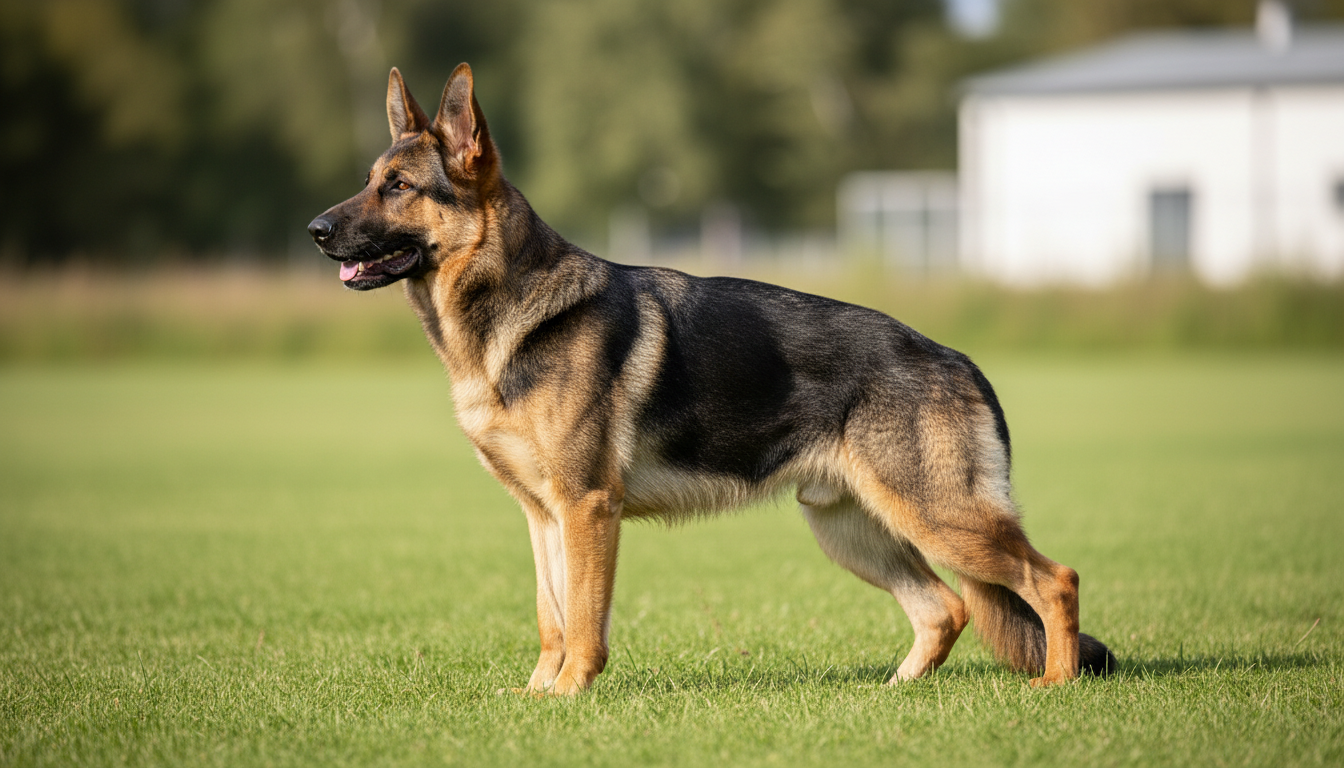
German Shepherds are among the breeds most frequently discussed in connection with hip dysplasia, and there are a few reasons their body type plays into that. Their rear structure, with that characteristic sloped topline and angulated hindquarters, puts a particular kind of stress through the hip joints during movement. Combine that with a large adult size reached through a rapid puppy growth spurt, and you have a joint that is working hard before it is even fully formed.
Breeding history matters too. Because hip dysplasia has a hereditary component, responsible breeders screen parent dogs before pairing them, which has helped reduce severe cases in well-managed lines. That said, screening lowers risk, it does not eliminate it, so even puppies from health-tested parents can still develop some degree of dysplasia.
- Rapid growth during the first year puts extra demand on developing joints
- Sloped hindquarter structure changes how weight is distributed through the hips
- Genetics from both parent dogs influence joint conformation
- Excess body weight in puppyhood accelerates joint stress
- Overexertion on hard surfaces or repetitive jumping can aggravate a developing joint
Early Signs Owners Often Miss
The tricky part about hip dysplasia is that early signs rarely look like classic limping. A lot of owners describe it as their dog seeming a little “off” rather than lame. You might notice your German Shepherd is slower to get up in the morning, hesitant to jump into the car, or reluctant to climb stairs they used to take without a second thought.
Some dogs develop a distinctive bunny-hopping gait when they run, where both back legs move together instead of alternating normally. Others show a subtle sway in the hips while walking, or seem to tire faster on walks than they used to. Because German Shepherds are often stoic and eager to please, many will keep pushing through activity even when their hips are uncomfortable, which can mask the problem until it’s more advanced.
- Stiffness after rest that improves once the dog warms up
- Reluctance to jump onto furniture, into cars, or up stairs
- A bunny-hop gait where both hind legs move in unison
- Noticeable muscle loss over the hips or thighs
- Decreased interest in long walks, runs, or play sessions
- Sitting with legs splayed off to one side rather than tucked neatly
How Vets Diagnose the Condition
If you bring up any of these changes with your vet, they will typically start with a hands-on orthopedic exam, checking the range of motion in each hip and feeling for looseness or discomfort. From there, X-rays are the standard way to get a clear look at how the joint is actually formed, and your vet may recommend sedation for these images so the muscles are fully relaxed and the pictures are accurate.
Depending on what the exam and X-rays show, your vet might also discuss additional joint testing or refer you to a veterinary orthopedic specialist for a more detailed evaluation, especially if surgery is being considered. It’s worth saying clearly that no blog post can diagnose your dog. If you notice any of the signs above, the right next step is always a veterinary visit rather than guessing at home.
Weight Management as a First Line of Defense
If there is one thing that consistently comes up in conversations about hip dysplasia, it’s body weight. Every extra pound a dog carries translates into added force moving through already-compromised joints every time they walk, run, or jump. For German Shepherds, who are already a large breed with substantial frame weight, keeping a lean body condition is one of the most effective things an owner can control.
Your vet can help you figure out what a healthy weight looks like for your individual dog, since this varies with frame size and muscle mass. Regular weigh-ins, especially during puppyhood and again as your dog ages, make it much easier to catch gradual weight creep before it becomes a bigger problem for the joints.
- Ask your vet for a target body condition score rather than guessing
- Weigh your dog on a regular schedule, not just at annual visits
- Avoid free-feeding, which makes portion control difficult
- Factor treats and chews into total daily calories
- Adjust food intake as activity levels change with age or season
Exercise That Supports Joints Instead of Straining Them
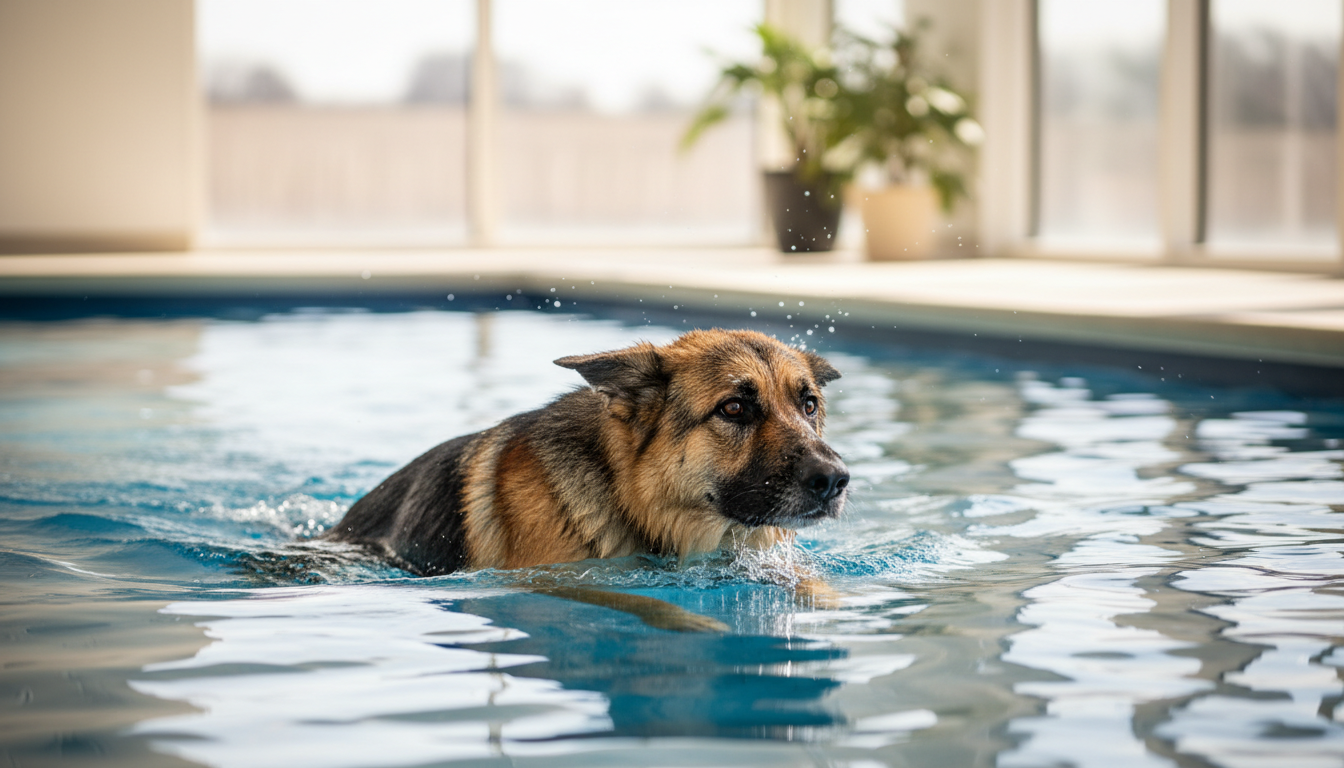
Exercise is not the enemy here, but the type of exercise matters a great deal. Dogs with hip dysplasia, or those genetically predisposed to it, generally do better with steady, low-impact activity rather than high-impact bursts like repeated jumping, hard sprinting, or sudden stop-and-start play. Controlled leash walks, swimming, and gentle hiking on soft terrain tend to build and maintain muscle around the hip without hammering the joint itself.
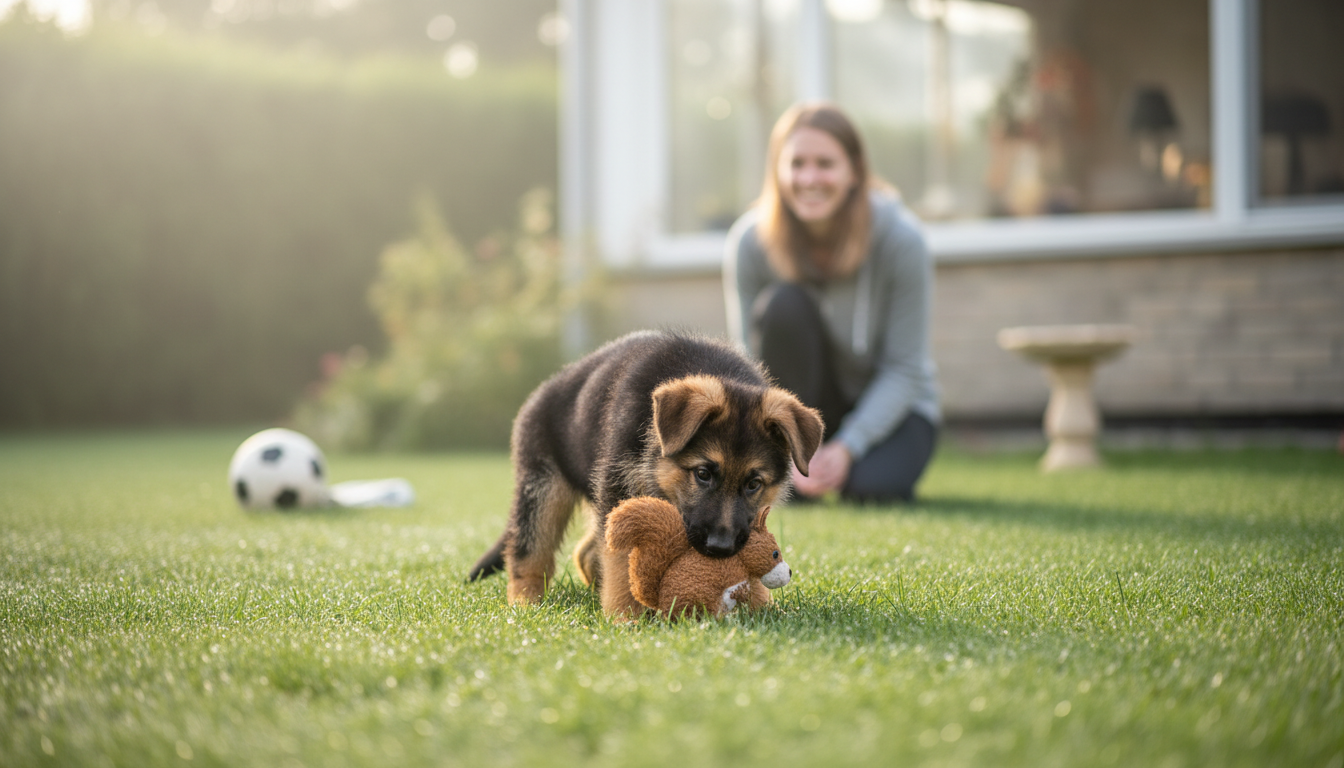
Puppy exercise deserves special attention too. Because a German Shepherd’s skeleton is still developing through much of the first year, it’s generally wise to avoid repetitive high-impact activities like jumping off furniture, long runs on pavement, or forced long-distance exercise during this window. Your vet can help you map out an exercise plan appropriate for your dog’s age and joint health, since needs shift quite a bit between puppyhood, adulthood, and the senior years.
- Favor frequent short walks over one long, intense outing
- Let swimming or water-based exercise build muscle with minimal joint impact
- Avoid repetitive jumping, especially on hard surfaces
- Warm up before vigorous play, especially in cooler weather
- Watch for limping or stiffness after activity and scale back if it appears
Joint Supplements and Supportive Care
Many owners ask about joint supplements once hip dysplasia is mentioned, and this is a conversation worth having directly with your vet rather than picking something off a shelf. Some supplements are formulated to support cartilage health and joint lubrication, and your vet can advise whether one might be a reasonable addition for your dog’s specific situation, along with guidance on quality and dosing that’s appropriate for your dog’s size and health history.
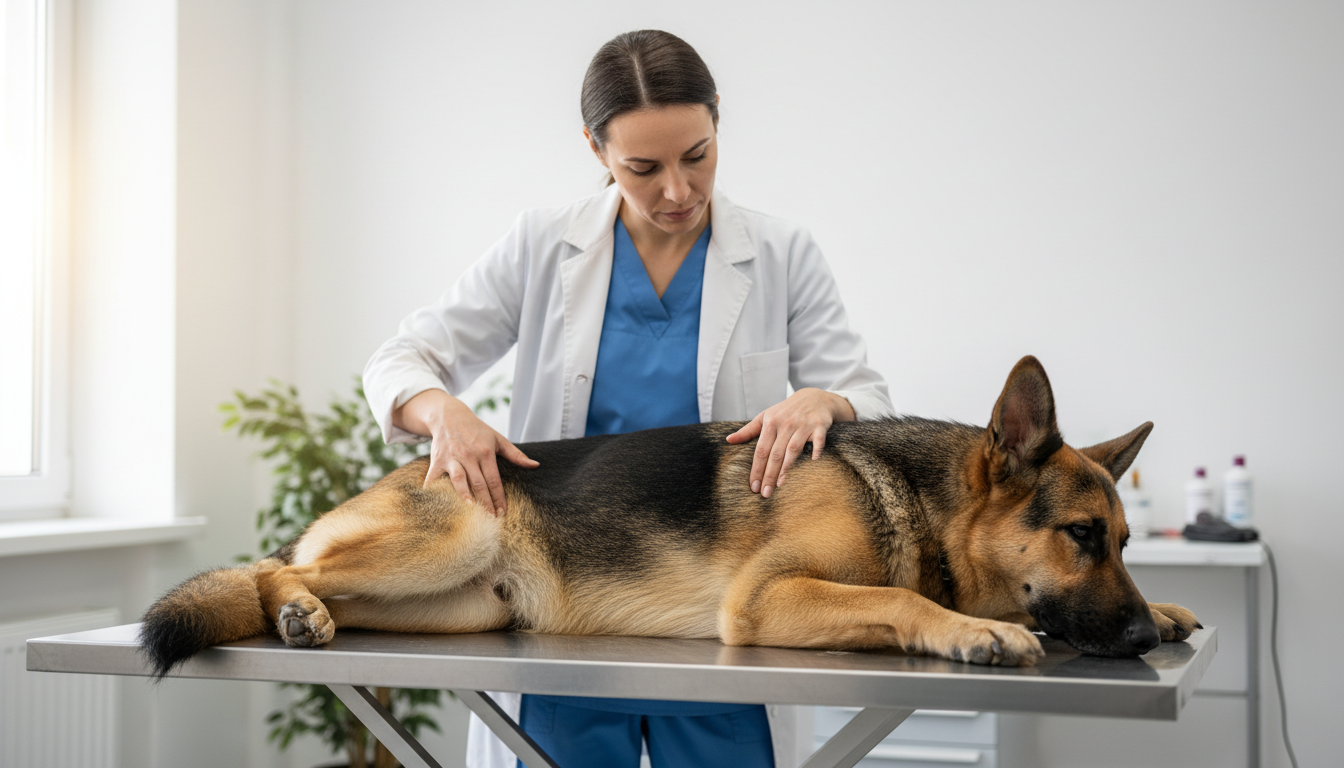
Supportive therapies like therapeutic massage, controlled physical rehabilitation exercises, and in some cases acupuncture are also used alongside conventional veterinary care for dogs with joint disease. These approaches work best when they’re coordinated with your regular vet, who can make sure they fit into the bigger picture of your dog’s treatment plan rather than replacing medical management.
Medication and Pain Management
For dogs with painful or advancing hip dysplasia, your vet may discuss medication options to help manage inflammation and discomfort. This is an area where it’s especially important not to guess or reach for something from your own medicine cabinet, since many human pain medications are unsafe for dogs and the right choice depends on your individual dog’s health, other medications, and organ function.
If your vet prescribes something for joint pain, follow their instructions closely and keep them updated on how your dog responds, including any side effects you notice. Pain management for hip dysplasia is often an ongoing, adjustable process rather than a one-time fix, so regular check-ins help your vet fine-tune the plan as your dog’s needs change over time.
Surgical Options Your Vet May Discuss
For some dogs, especially those with significant joint damage or pain that isn’t well controlled with conservative management, surgery becomes part of the conversation. There are several surgical approaches used for hip dysplasia, ranging from procedures aimed at younger dogs with developing joints to full hip replacement for dogs with advanced arthritis. The right option, if any, depends heavily on your dog’s age, severity of disease, and overall health.
This decision is one that really needs to be made with a veterinary orthopedic specialist who can evaluate your dog’s imaging and exam findings in detail. If surgery is recommended, your vet or specialist will walk you through what the procedure involves, expected recovery timelines, and what kind of rehabilitation will likely be needed afterward.
Supporting a German Shepherd Through the Senior Years
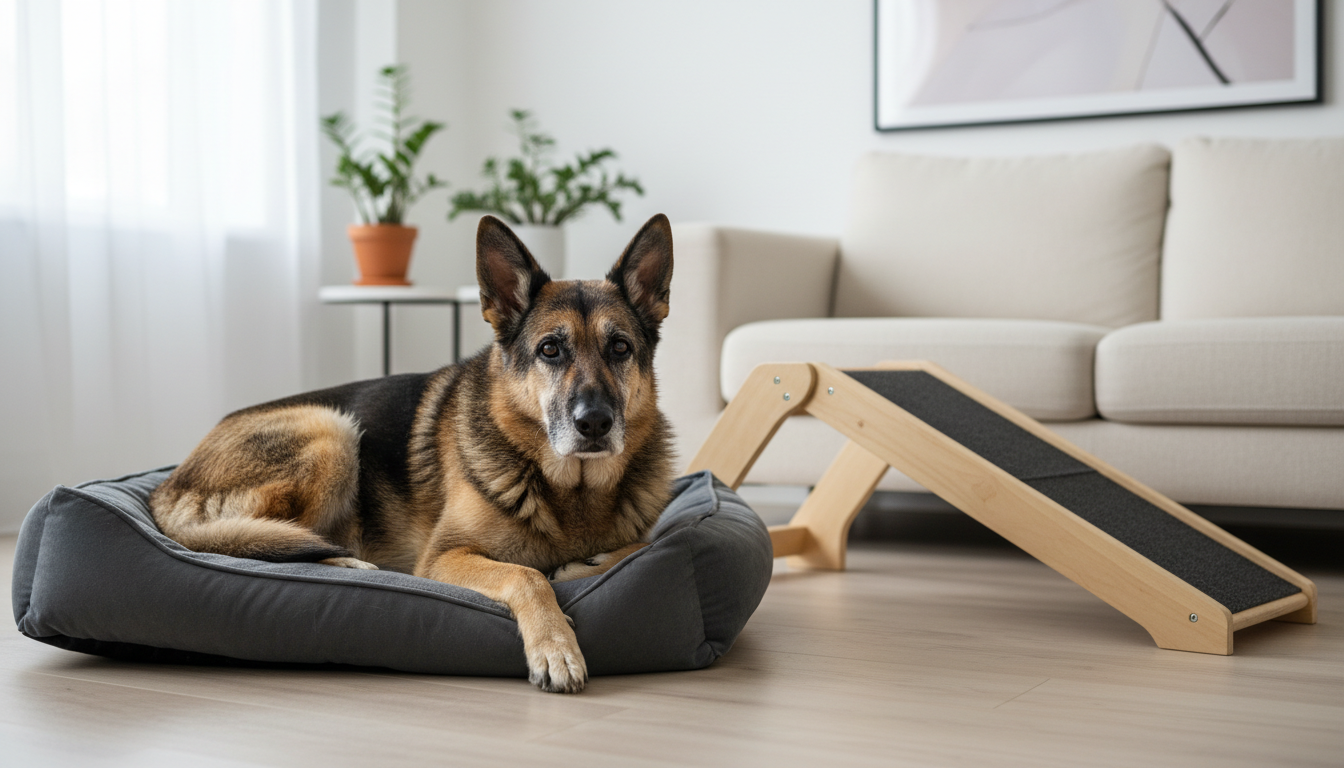
As German Shepherds age, hips that have been managed well for years can still become more arthritic, and it’s common for owners to need to adjust care as their dog gets older. Soft, supportive bedding that cushions the hips, ramps instead of stairs, and non-slip flooring in the home can all reduce strain on joints that are already working harder than they used to.
Keeping up with regular vet visits becomes even more important in the senior years, since your vet can track how the joints are changing over time and adjust pain management, supplements, or activity recommendations accordingly. Many older German Shepherds with hip dysplasia continue to live comfortable, happy lives with the right combination of home modifications and veterinary support.
- Add ramps for cars, beds, and stairs to reduce jumping strain
- Use rugs or yoga mats on slick floors to improve traction
- Provide orthopedic bedding that cushions hips and joints
- Keep nails trimmed, since overgrown nails affect gait and balance
- Schedule more frequent vet check-ins as your dog ages
Living Well With a Dysplastic Hip Diagnosis
A hip dysplasia diagnosis can feel overwhelming at first, especially in a breed you may have chosen partly for its athleticism and work drive. It’s worth remembering that many German Shepherds with hip dysplasia go on to live full, active lives with the right management plan tailored to their individual joints. The diagnosis is a starting point for a care plan, not a verdict on your dog’s quality of life.
Staying consistent with your vet’s recommendations, whether that’s weight control, modified exercise, supplements, medication, or surgery, tends to matter more than any single intervention on its own. Dogs are remarkably good at adapting when given the right support, and many owners find that small, steady changes in daily routine add up to a noticeably more comfortable dog.
When to Call Your Vet Right Away
While hip dysplasia is usually a gradual, chronic condition, there are situations that warrant a prompt call to your vet rather than waiting for a routine appointment. Sudden inability to bear weight on a hind leg, crying out in pain, or a dramatic change in mobility over a short period of time are all signs that something acute may be going on and should not be managed at home.
If you notice any of these signs, contact your veterinarian promptly rather than waiting to see if things improve on their own. Early evaluation gives your vet the best chance to identify what’s going on and start treatment before the joint sustains further damage.
- Sudden lameness or refusal to put weight on a back leg
- Visible pain when the hip is touched or moved
- A rapid change in gait or mobility over days rather than months
- Noticeable swelling around the hip or thigh area
- Loss of appetite or lethargy alongside mobility changes
Working With Your Vet Long Term
Hip dysplasia in German Shepherds is best thought of as a long-term partnership between you and your veterinary team rather than a single problem to solve once. Regular check-ups let your vet track joint changes over time, adjust weight and exercise recommendations as your dog grows or ages, and catch any new discomfort early. Bring a list of what you’ve observed at home to each visit, including changes in activity, appetite, or mobility, since these details help your vet build the clearest possible picture of how your dog is doing.
Every German Shepherd’s hips are a little different, and so is every management plan. Trust your vet to guide decisions about imaging, medication, supplements, and surgery based on your individual dog’s needs, and don’t hesitate to ask questions along the way. A well-informed, engaged owner is one of the biggest assets a dog with hip dysplasia can have.
This article is for general education and is not a substitute for care from your own veterinarian. Learn about The Pet Vet and our editorial policy.