
Weight loss in cats often creeps up quietly, hidden under fur and easy to miss until you pick your cat up and notice how light she feels. Because cats are so good at masking illness, unexplained weight loss is one of the clearest signals that something inside your cat’s body needs attention. This guide walks you through the most common causes and helps you know when it’s time to call your vet.
Table of Contents
- Why Weight Loss in Cats Is Easy to Miss
- How Much Weight Loss Is Too Much
- Hyperthyroidism: An Overactive Thyroid
- Diabetes and Weight Loss
- Kidney Disease
- Digestive and Intestinal Problems
- Dental Pain and Weight Loss
- Parasites
- Cancer
- Stress and Behavioral Causes
- Signs to Watch Beyond Weight Loss
- How Vets Diagnose the Cause
- What You Can Do at Home While You Wait for Your Vet Visit
- Treatment Depends on the Cause
- When Weight Loss Is an Emergency
- Keeping Track of Your Cat’s Weight Going Forward
Why Weight Loss in Cats Is Easy to Miss
Cats are experts at hiding illness, which is a survival instinct left over from their wild ancestors. In the wild, a sick or weak cat is a target, so cats instinctively mask pain, nausea, and discomfort until a problem has progressed quite far. This means that by the time you notice ribs you can feel a little too easily, or a spine that seems more prominent than it used to, the underlying issue may have been building for weeks or even months.
Fur also does a great job of disguising a shrinking body. An Abyssinian cat, with her short, dense coat, can lose a noticeable amount of muscle and fat before it becomes visually obvious. That is why regular hands-on checks matter more than a quick visual glance, and why a vet’s scale at every checkup is such a useful tool for catching subtle changes early.
How Much Weight Loss Is Too Much
Any unplanned weight loss in an adult cat deserves attention, even if it seems small. Cats are typically fairly stable in their weight from year to year once they reach adulthood, so a steady downward trend is not normal and should not be dismissed as “just aging” without a vet ruling out medical causes first.
A good way to track this at home is to weigh your cat on a small pet or kitchen scale every few weeks and jot the number down somewhere you’ll remember, like a note on your phone. This creates a simple record you can bring to your vet, which is far more useful than trying to recall from memory whether your cat has been shrinking gradually.
Hyperthyroidism: An Overactive Thyroid
Hyperthyroidism is one of the most common causes of weight loss in older cats, and it happens when the thyroid gland produces too much hormone, revving up the body’s metabolism. Cats with this condition often eat as much as usual, or even more than usual, yet still lose weight because their body is burning through calories so quickly.
Along with weight loss, you might notice increased thirst, more frequent urination, a faster heart rate, or a coat that looks greasy or unkempt. This condition is diagnosed through blood testing, and your vet is the only one who can confirm it and recommend an appropriate treatment plan, so don’t try to guess based on symptoms alone.
Diabetes and Weight Loss
Feline diabetes occurs when the body can’t properly regulate blood sugar, and it’s another condition that can cause a cat to lose weight even while eating normally or more than usual. The body isn’t able to use the food’s energy efficiently, so it starts breaking down fat and muscle for fuel instead.
Excessive thirst and urination are common companion signs, along with a change in appetite over time and sometimes a wobbly or flat-footed way of walking in advanced cases. Diabetes is manageable with proper veterinary care, but it needs to be diagnosed with bloodwork and monitored closely, so any suspicion of it warrants a prompt vet visit rather than a wait-and-see approach.
Kidney Disease
Chronic kidney disease is common in older cats and often develops slowly, with weight loss being one of the earliest and most noticeable signs. As kidney function declines, cats may also drink more water, urinate more, and gradually lose interest in food as toxins build up in their bloodstream.
Because kidney disease tends to progress gradually, cats often adjust to feeling unwell in small increments, which makes it even harder for owners to notice something is wrong until the weight loss becomes significant. Routine bloodwork, especially for cats over seven years old, is one of the best tools for catching this early, before major weight loss even occurs.
- Increased thirst and water bowl visits
- More frequent urination or larger litter clumps
- Reduced appetite or pickier eating habits
- Occasional vomiting or a dull, unkempt coat
Digestive and Intestinal Problems
Conditions affecting the stomach and intestines, such as inflammatory bowel disease or food intolerances, can prevent your cat from properly absorbing nutrients from food, leading to weight loss even when appetite seems fine. Some cats with digestive issues eat well but still lose weight because their gut simply isn’t processing nutrients the way it should.
Vomiting, diarrhea, or a change in stool consistency often accompany these conditions, though not always. Because there are so many possible digestive culprits, ranging from mild to serious, your vet may recommend diagnostic imaging, bloodwork, or a special diet trial to narrow down the cause.
Dental Pain and Weight Loss
Sore teeth or inflamed gums can make eating uncomfortable enough that a cat quietly starts eating less, even if the food bowl still gets visited regularly. Dental disease, tooth resorption, and gum inflammation are surprisingly common contributors to gradual weight loss, especially in middle-aged and senior cats.
You might notice your cat favoring one side of the mouth while chewing, dropping food, drooling, or showing reluctance around hard kibble. A veterinary dental exam can identify these problems, and treating the underlying dental issue often brings your cat’s appetite and weight right back on track.
Parasites
Intestinal parasites like roundworms, hookworms, or tapeworms can rob your cat of nutrients even when she’s eating a full, healthy diet. Kittens and outdoor cats are especially prone to picking up parasites, though indoor cats can be affected too, often through fleas or contaminated soil brought inside on shoes.
Signs of a parasite problem can include a pot-bellied appearance combined with overall thinness, visible worm segments near the tail, or changes in stool. A simple fecal test at your vet’s office can usually identify the parasite involved, allowing for a targeted and safe treatment plan.
- Pot-bellied look paired with a thin body
- Dull coat despite normal grooming
- Visible rice-like segments near the tail or in bedding
- Increased or decreased appetite without explanation
Cancer
Weight loss is one of the more common signs associated with various cancers in cats, particularly in middle-aged and senior cats. Tumors can affect appetite directly, increase the body’s energy demands, or interfere with organs responsible for digestion and metabolism.
This is understandably a frightening possibility to consider, but it’s important to remember that many other, far more treatable conditions cause the same symptom. Only your vet can determine the actual cause through physical exams, bloodwork, and imaging, so try not to jump to conclusions before you have real answers.

Stress and Behavioral Causes
Not every case of weight loss stems from a physical illness. Cats are sensitive to changes in their environment, and stress from a new pet, a move, changes in routine, or even rearranged furniture can cause a temporary drop in appetite and weight.
That said, stress-related appetite loss should never be assumed without ruling out medical causes first, since the symptoms can look identical to those of a genuine illness. If your cat’s environment has recently changed and her weight has dropped, mention this timeline to your vet, but still expect a physical exam and possibly some testing before stress is confirmed as the cause.
Signs to Watch Beyond Weight Loss
Weight loss rarely travels alone, and paying attention to accompanying symptoms can help your vet narrow down the cause more quickly. Keeping a simple log of anything unusual you notice, even if it seems minor, gives your vet valuable context during the appointment.
The more specific you can be about when symptoms started and how they’ve changed, the easier it is for your vet to connect the dots.
- Changes in appetite, whether increased or decreased
- Increased thirst or urination
- Vomiting, diarrhea, or constipation
- Lethargy or reduced interest in play
- Hiding more than usual or changes in grooming habits
How Vets Diagnose the Cause
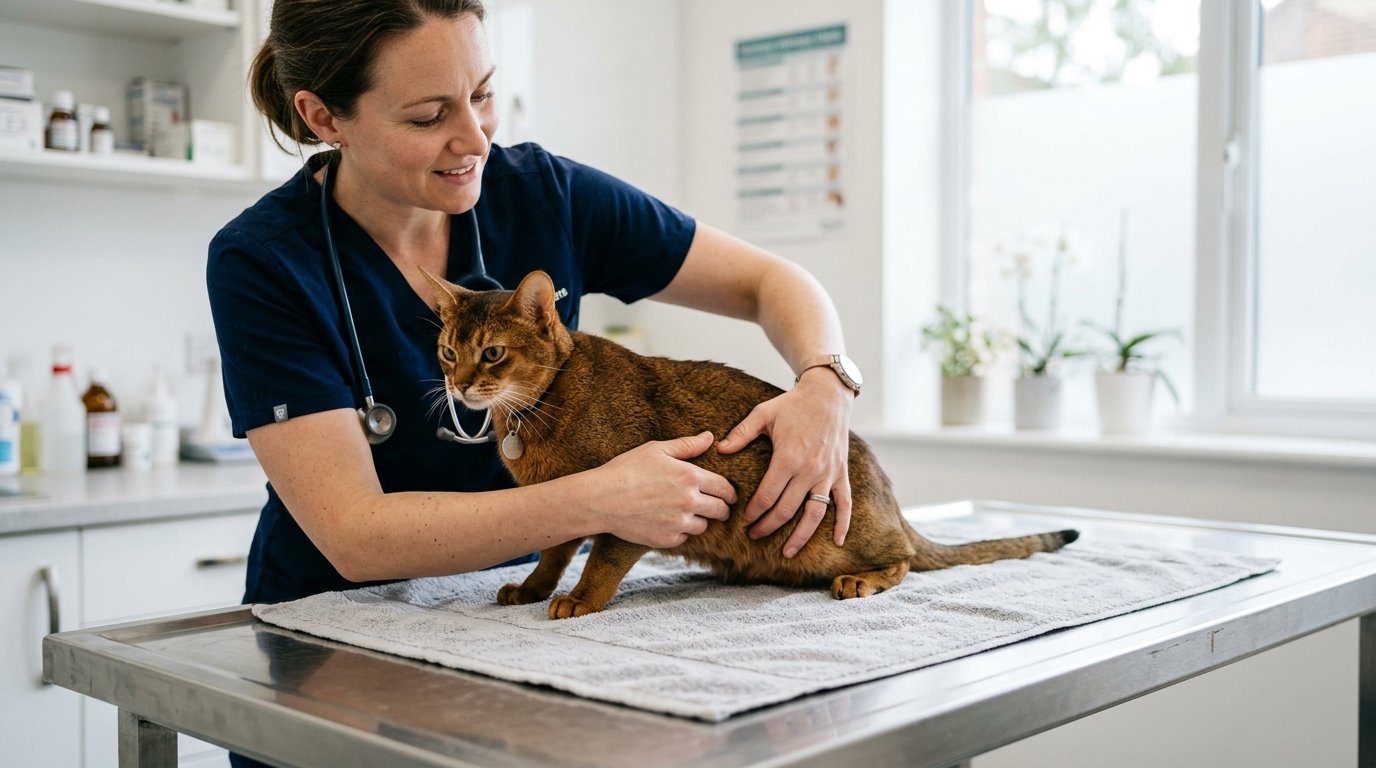
Diagnosing the reason behind weight loss in cats usually starts with a thorough physical exam, where your vet checks body condition, feels the abdomen, examines the mouth, and listens to the heart and lungs. From there, bloodwork is often recommended to check organ function, thyroid levels, and blood sugar.
Depending on what the initial exam and bloodwork suggest, your vet might also recommend a urinalysis, fecal testing, X-rays, or an ultrasound to get a clearer picture of what’s happening internally. This step-by-step approach helps rule conditions in or out methodically rather than guessing, which is why home remedies or online symptom searches can’t replace an actual veterinary workup.
What You Can Do at Home While You Wait for Your Vet Visit
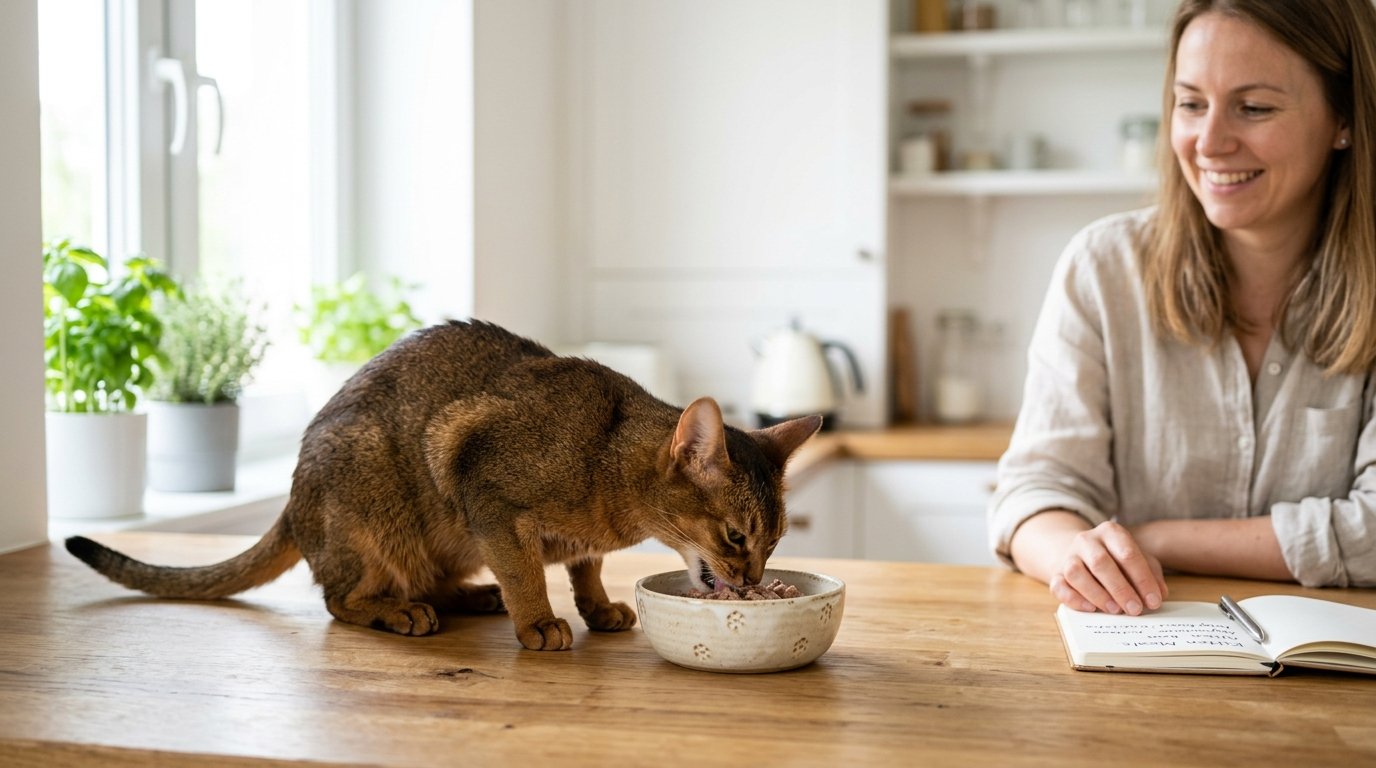
While you’re waiting for your appointment, there are a few supportive things you can do without risking your cat’s health. Keeping a written log of food intake, water consumption, litter box habits, and body weight gives your vet useful data to work with when you arrive.
Try to keep your cat’s routine as stable and low-stress as possible, and avoid switching foods suddenly, since a new diet can sometimes mask or complicate the picture your vet is trying to piece together. Never attempt to treat suspected worms, thyroid issues, or any other condition with over-the-counter products or leftover medications without your vet’s guidance, since incorrect treatment can delay a proper diagnosis or cause harm.
- Track daily food and water intake
- Note any litter box changes
- Weigh your cat weekly if possible
- Keep feeding and routine consistent until your appointment
Treatment Depends on the Cause
Because so many different conditions can cause weight loss in cats, there’s no single treatment that applies across the board. Hyperthyroidism, diabetes, kidney disease, dental issues, parasites, and digestive disorders all require very different management approaches, and some conditions are manageable long-term while others need more intensive care.
Your vet is the right person to explain what specific treatment plan fits your cat’s diagnosis, potential dietary adjustments, and any follow-up monitoring needed. Sticking closely to your vet’s recommendations and attending follow-up appointments gives your cat the best chance at a good outcome, whatever the underlying cause turns out to be.
When Weight Loss Is an Emergency
In most cases, gradual weight loss calls for a scheduled vet visit rather than an emergency trip, but there are situations where you shouldn’t wait. If your cat stops eating entirely for more than a day, becomes suddenly lethargic, starts vomiting repeatedly, or seems to be in obvious pain, these are signs that warrant immediate veterinary attention.
Cats that go without food for an extended period are at risk of a serious liver condition, so a total loss of appetite combined with weight loss should never be treated as something to monitor from a distance. When in doubt, call your vet or an emergency animal hospital and describe what you’re seeing so they can advise you on next steps.
Keeping Track of Your Cat’s Weight Going Forward
Once your cat’s underlying cause has been identified and treatment is underway, ongoing weight monitoring becomes an important part of tracking her recovery and overall health. Regular weigh-ins at home, combined with routine veterinary checkups, help you catch any future changes early, before they become significant.
Building this habit into your cat’s care routine, even after she’s back to a healthy weight, gives you peace of mind and gives your vet a long-term record to reference at every visit. Your Abyssinian’s active, playful nature is part of what makes her wonderful, and keeping a close eye on her body condition over the years is one of the simplest ways you can help her stay that way for a long time to come.
This article is for general education and is not a substitute for care from your own veterinarian. Learn about The Pet Vet and our editorial policy.