
Maine Coon hypertrophic cardiomyopathy is one of the most important health concerns for owners of this beloved breed to understand. This thickening of the heart muscle can quietly develop for years before showing any outward signs, which is why so many cases are caught late. Knowing what to watch for, how vets diagnose it, and what treatment can offer gives you the best chance of protecting your cat’s long-term health and quality of life.
Table of Contents
- What Hypertrophic Cardiomyopathy Actually Is
- Why Maine Coons Are Genetically Predisposed
- Early Signs You Might Notice at Home
- Why So Many Cases Go Undetected Until Advanced
- How Veterinarians Diagnose HCM
- The Role of Regular Screening for This Breed
- What Happens As the Disease Progresses
- Treatment Options Your Vet May Discuss
- Living With a Cat Diagnosed With HCM
- Monitoring Breathing Rate at Home
- Breeding Considerations and Genetic Testing
- Questions to Ask Your Veterinarian
- Supporting Your Cat’s Overall Wellness
- When to Seek Emergency Care
- The Bottom Line for Maine Coon Owners
What Hypertrophic Cardiomyopathy Actually Is
Hypertrophic cardiomyopathy, often shortened to HCM, is a disease where the walls of the heart’s main pumping chamber become abnormally thick. In a healthy cat, the heart muscle contracts and relaxes smoothly, pushing blood through the body with ease. When the muscle thickens, the chamber inside shrinks, the heart has to work harder to fill with blood between beats, and over time this can lead to poor circulation, fluid buildup, and in some cases life-threatening complications.
This disease is considered the most common heart condition seen in cats generally, but Maine Coons carry a particular reputation because a genetic mutation linked to HCM has been identified specifically in this breed. That does not mean every Maine Coon will develop the condition, but it does mean the breed as a whole carries a higher risk than many others, and owners benefit from being more vigilant than they might be with a mixed breed cat.
The tricky part about HCM is that the heart muscle changes happen gradually, often over months or years, and a cat’s body is remarkably good at compensating for reduced heart function for a long time. This means your cat can look and act completely normal while the disease is already present and progressing underneath the surface.
Why Maine Coons Are Genetically Predisposed
Researchers have identified a specific gene mutation associated with HCM in Maine Coons, which helped establish this breed as one of the clearest examples of inherited heart disease in cats. This genetic link is part of why responsible breeders now test their cats before breeding, aiming to reduce how often the mutation gets passed down to kittens.
That said, genetics are not the whole story. Not every Maine Coon with the mutation develops clinical disease, and some cats without the identified mutation still develop HCM through other pathways that are not yet fully understood. This is one of the reasons blanket genetic testing, while helpful, cannot fully replace regular veterinary heart screening throughout your cat’s life.
If you adopted your Maine Coon from a breeder, it is worth asking whether the parent cats were screened for the HCM mutation or had their hearts evaluated by a cardiologist. If you adopted a Maine Coon or Maine Coon mix from a shelter or rescue, that history may not be available, which makes routine veterinary checkups even more important.
Early Signs You Might Notice at Home
Because HCM can progress silently, many owners do not notice anything unusual until the disease has advanced. Still, there are subtle changes that sometimes show up earlier, and paying attention to your cat’s normal habits can help you catch something off before it becomes an emergency.
Many of these signs overlap with other conditions, which is exactly why they should never be dismissed as “just getting older.” If you notice any combination of these changes in your Maine Coon, especially a change in breathing effort, it deserves a prompt conversation with your vet rather than a wait-and-see approach.
- A decrease in activity level or a cat that tires more quickly during play
- Breathing that looks faster or more labored than usual, even at rest
- Hiding more than normal or seeming less interested in interaction
- Reduced appetite or gradual weight loss over weeks
- A rare but serious sign: sudden hind leg weakness or pain, which can indicate a blood clot
Why So Many Cases Go Undetected Until Advanced
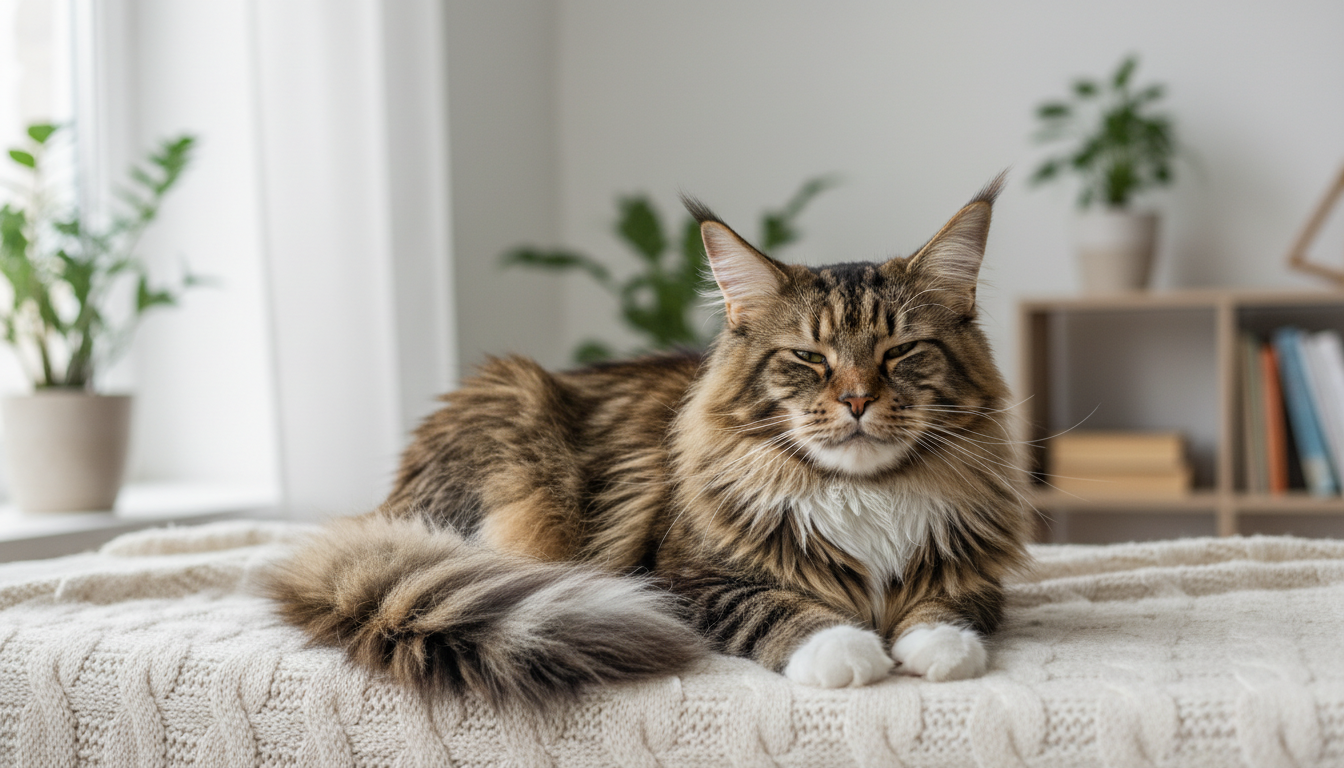
Cats are instinctively good at hiding illness, a trait that likely developed as a survival mechanism in the wild. A cat with early heart disease does not limp or cry out, it simply slows down gradually in ways that can look like normal aging or a lazy personality. Owners often tell their vets, after a diagnosis, that looking back there were small changes they hadn’t connected to anything serious.
Another reason HCM often goes unnoticed is that a heart murmur is not always present, and when one is present, its loudness does not necessarily match the severity of the disease. Some cats with mild murmurs have advanced HCM, while others with no murmur at all are found to have significant heart muscle thickening on an ultrasound. This mismatch is part of why a routine physical exam alone cannot rule out the condition with full confidence.
This is also why screening recommendations for predisposed breeds like Maine Coons tend to be more proactive than reactive. Waiting for symptoms to appear means waiting until the disease has often already progressed significantly, which narrows the options for management.
How Veterinarians Diagnose HCM
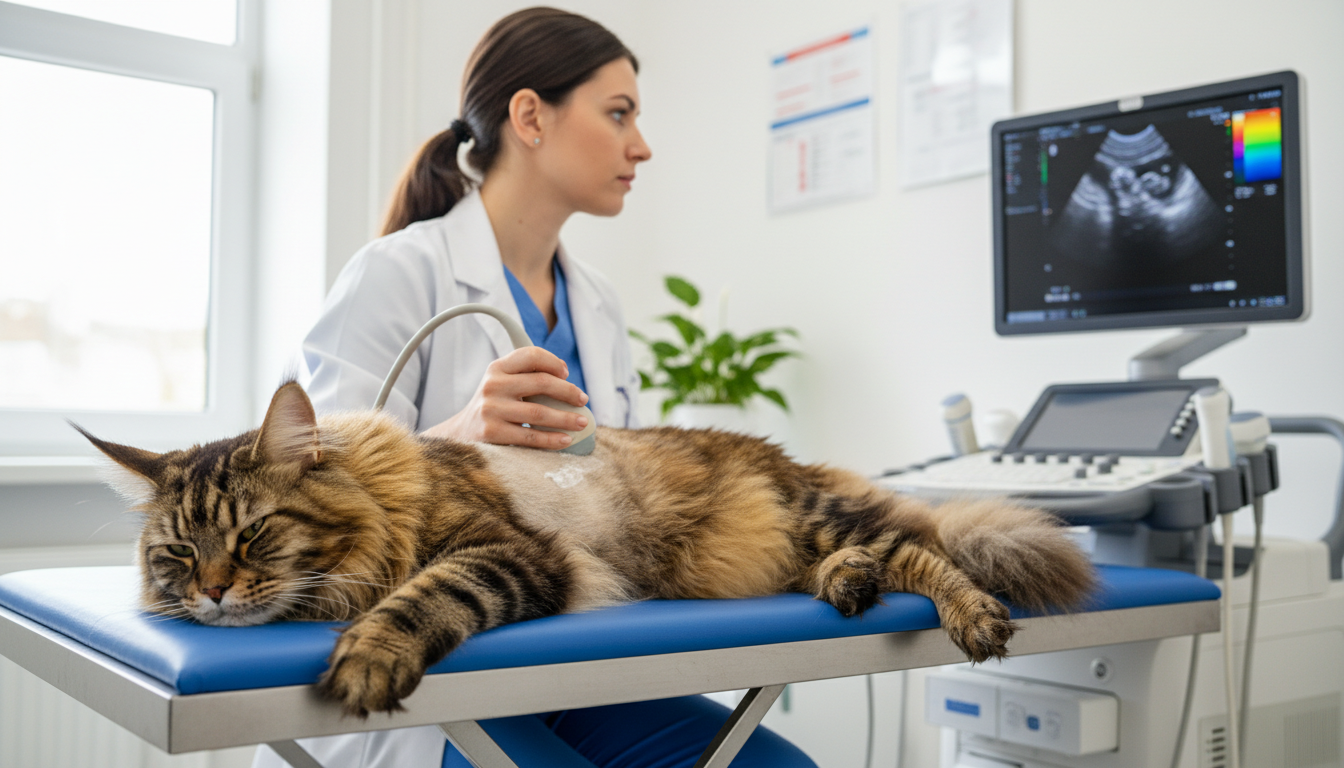
The gold standard for diagnosing hypertrophic cardiomyopathy is an echocardiogram, which is an ultrasound of the heart that allows a veterinarian or veterinary cardiologist to directly measure the thickness of the heart walls and assess how well the heart is functioning. This imaging can also reveal other changes associated with the disease, such as an enlarged left atrium, which is linked to a higher risk of complications.
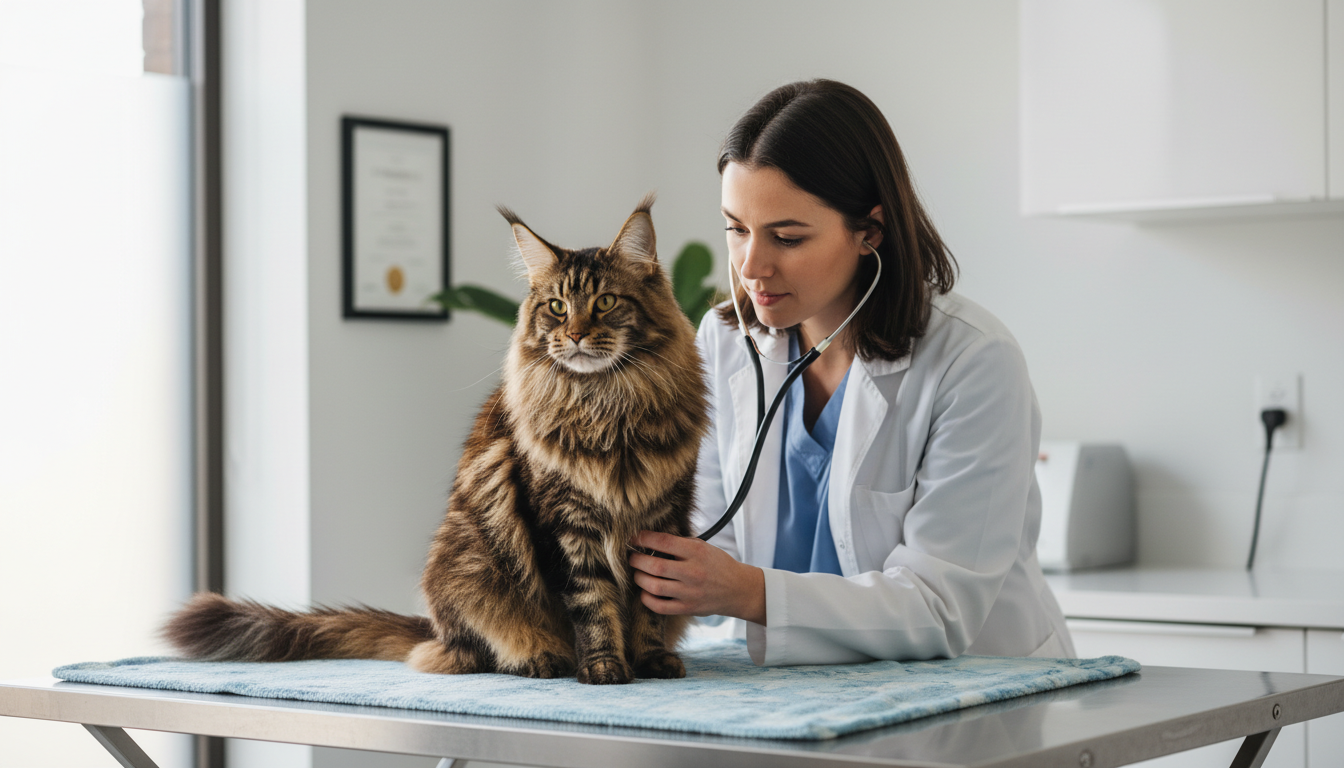
Before recommending an echocardiogram, your vet may start with a physical exam listening carefully for murmurs, abnormal heart rhythms, or a gallop sound. Blood tests measuring a substance called NT-proBNP can also give useful information, since levels tend to rise when the heart is under strain, though this test is a screening tool rather than a definitive diagnosis on its own.
If your vet hears anything unusual during a routine exam, or if you have told them your Maine Coon is a breed with known HCM risk, they may recommend baseline heart screening even in a cat showing no symptoms at all.
- Physical exam and auscultation to listen for murmurs or irregular rhythms
- Blood pressure measurement, since high blood pressure can worsen or mimic heart changes
- NT-proBNP blood testing as a screening aid
- Echocardiogram performed by a vet or veterinary cardiologist for definitive diagnosis
- Chest X-rays if fluid buildup in or around the lungs is suspected
The Role of Regular Screening for This Breed
Given the known genetic risk in Maine Coons, many veterinarians recommend periodic heart screening starting in young adulthood, even for cats that seem perfectly healthy. The exact schedule depends on your individual cat’s history, age, and any findings from previous exams, so this is a conversation to have directly with your veterinarian rather than something to schedule on your own timeline.
Screening typically becomes more important as a cat ages, since HCM often develops or progresses in middle-aged to older cats, though it can appear in cats of almost any age. If you know your cat’s parents or littermates had heart disease, that family history is valuable information to share with your vet, as it may shift how closely your cat should be monitored.
Think of this screening less like a one-time test and more like an ongoing part of your Maine Coon’s wellness care, similar to annual bloodwork or dental checks. Catching changes early, even before a cat shows any symptoms, gives your vet more options and more time to adjust a management plan as needed.
What Happens As the Disease Progresses
As HCM advances, the thickened heart muscle struggles more and more to relax and fill properly between beats. This can lead to blood backing up into the lungs, causing fluid to accumulate in a condition called congestive heart failure. A cat in this state may breathe rapidly, breathe with an open mouth, or show real distress, and this situation requires emergency veterinary attention.
One of the most feared complications of HCM in cats is the formation of blood clots within an enlarged heart chamber. These clots can travel through the bloodstream and lodge where the aorta splits to supply the back legs, a condition called a saddle thrombus or arterial thromboembolism. This causes sudden, severe pain and paralysis in the hind limbs and is a true veterinary emergency requiring immediate care.
If you ever see these signs in your Maine Coon, do not wait to see if things improve on their own. This requires an emergency vet visit right away, as the window for helping a cat through a thromboembolic event is narrow.
- Rapid or labored breathing, especially with an open mouth
- Sudden collapse or extreme lethargy
- Cold hind paws combined with crying out in pain
- Dragging or inability to use one or both back legs
- Pale or bluish gums
Treatment Options Your Vet May Discuss
There is currently no cure for hypertrophic cardiomyopathy, but there are management strategies that can help control symptoms, slow complications, and support quality of life for many cats. Treatment plans are highly individualized based on how advanced the disease is, whether the cat has had any complications like heart failure or clotting events, and how the cat tolerates different medications.
Your veterinarian may discuss various medication classes that help the heart relax more effectively, control heart rate, manage fluid buildup, or reduce clotting risk. Because every cat responds differently and because some heart medications carry real risks of their own, your vet will tailor a specific plan to your cat rather than following a generic protocol, and dosing decisions should always be made directly with your veterinary team.
Follow-up monitoring is a central part of managing this disease long-term. Cats on heart medication typically need periodic rechecks, which may include repeat blood work, blood pressure checks, and follow-up echocardiograms to see how the heart is responding and whether adjustments are needed.
Living With a Cat Diagnosed With HCM
A diagnosis of hypertrophic cardiomyopathy can feel overwhelming, but many cats live for a meaningful stretch of time after diagnosis, particularly when the disease is caught in earlier stages and managed consistently. Day-to-day life for many of these cats looks largely normal, with adjustments mainly centered around monitoring and reducing stress.
Keeping your cat at a healthy weight matters, since obesity puts additional strain on the heart and overall cardiovascular system. Environmental stress can also affect heart rate and blood pressure, so a calm, predictable home with low-stress routines for vet visits, grooming, and daily life can genuinely support a cat managing this condition.
- Keep up with every scheduled recheck appointment, even when your cat seems fine
- Maintain a healthy body weight through appropriate portion control
- Reduce unnecessary stress such as loud environments or frequent routine changes
- Learn your cat’s normal resting breathing rate so you can notice changes quickly
- Keep emergency vet contact information easily accessible at all times
Monitoring Breathing Rate at Home
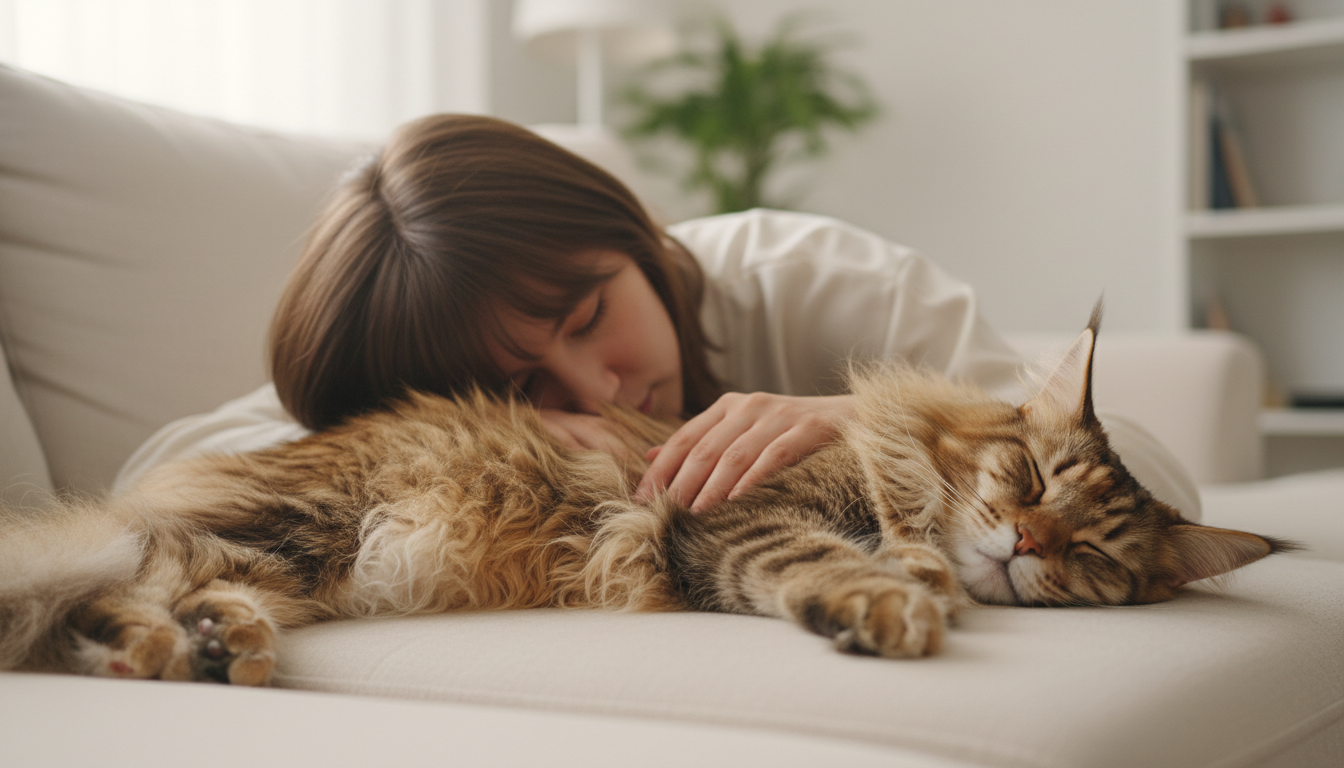
One of the most useful things an owner of a Maine Coon with known or suspected heart disease can do is learn to count resting respiratory rate. This simply means counting how many times your cat’s chest rises and falls in one minute while they are calm and sleeping, not after play or excitement. A normal resting rate for most cats falls within a fairly narrow range, and your vet can tell you what number should prompt a call to them based on your specific cat.
Doing this once or twice a week, ideally at a similar time of day, builds a baseline so you can recognize a meaningful change quickly. A gradual increase in resting respiratory rate over several days can be an early warning sign of fluid building up in or around the lungs, often before a cat shows other obvious symptoms.
Keeping a simple log on your phone or a notebook, noting the date and the count, makes patterns easier to spot than relying on memory. If you ever notice a sudden or sustained increase, contact your vet the same day rather than waiting to see if it settles down.
Breeding Considerations and Genetic Testing
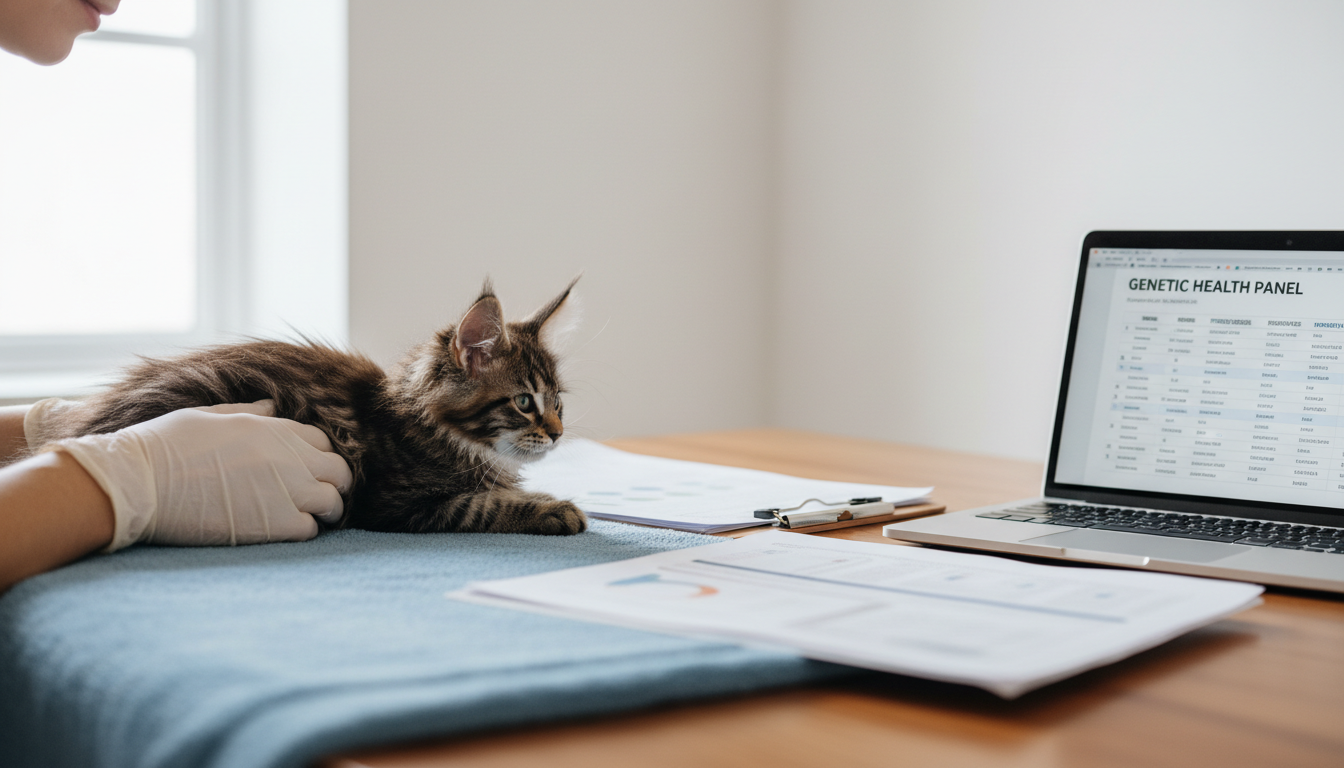
If you are considering getting a Maine Coon kitten, or if you already own one and are thinking about breeding, genetic testing for the known HCM mutation is widely available and worth discussing with a veterinarian or reputable breeder. Responsible breeding programs use this testing, combined with cardiac screening of breeding cats, to try to reduce the prevalence of the disease in future litters.
It is important to understand that a negative genetic test does not guarantee a cat will never develop HCM, since the disease can occur through pathways unrelated to the identified mutation. Similarly, a cat that tests positive for the mutation will not necessarily go on to develop clinical disease. These nuances are worth discussing openly with your vet so you have realistic expectations rather than false reassurance either way.
If you purchased your Maine Coon from a breeder, asking for documentation of genetic testing and cardiac screening on the parent cats is a reasonable and increasingly common request. Reputable breeders should be able to provide this information or explain their screening practices without hesitation.
Questions to Ask Your Veterinarian
Walking into a conversation about your Maine Coon’s heart health can feel intimidating, especially if you are not sure what to ask. Having a short list of questions ready can help you get the most useful information during your appointment and make sure nothing important gets overlooked in the moment.
Bringing a notebook or using your phone to record the answers can help you remember details later, especially if your vet mentions specific numbers like a target respiratory rate or recheck interval.
- Has my cat shown any signs of a heart murmur or abnormal rhythm during exams
- At what age should we start baseline heart screening given the breed risk
- How often should follow-up echocardiograms happen going forward
- What early warning signs should prompt an immediate call versus a routine appointment
- Are there any activity or dietary adjustments recommended for my specific cat
Supporting Your Cat’s Overall Wellness
While HCM is specifically a heart condition, general wellness still plays a supporting role in how well a cat manages the disease over time. A cat that is overweight, stressed, or dealing with other untreated health issues may have a harder time coping with the added strain heart disease places on the body. Keeping up with dental care, parasite prevention, and routine wellness visits remains important even when a heart condition is the main focus.
Nutrition is also worth discussing with your vet, since some cats with heart disease benefit from dietary adjustments, particularly around sodium intake in more advanced stages. There is no one-size-fits-all diet for cats with HCM, so any changes to food should be made based on your vet’s specific recommendations rather than general advice found online.
Emotional support for you as an owner matters too. Caring for a cat with a chronic heart condition can be stressful, and it is completely normal to feel anxious about every cough or nap that lasts a little longer than usual. Staying in close communication with your veterinary team and leaning on them with questions, rather than guessing, tends to ease that worry over time.
When to Seek Emergency Care
Certain signs in a Maine Coon, especially one already diagnosed with or suspected of having HCM, should never wait for a regular appointment. Recognizing these emergency signs ahead of time means you will not lose precious minutes trying to decide what to do if they ever appear.
If you see any of these signs, treat it as a true emergency and get to a veterinary hospital immediately, calling ahead if possible so the team can prepare for your arrival. Fast action in these moments can genuinely make a difference in outcome.
- Open-mouth breathing or breathing that looks like real effort
- Sudden collapse, weakness, or inability to stand
- Crying out in pain combined with cold or dragging back legs
- Pale, gray, or bluish gums
- Sudden lethargy that seems out of character for your cat
The Bottom Line for Maine Coon Owners
Hypertrophic cardiomyopathy is a serious disease, but understanding your Maine Coon’s elevated risk puts you in a much stronger position to catch it early and manage it well. Regular veterinary checkups, proactive heart screening, and learning to recognize both subtle and emergency warning signs all work together to give your cat the best possible chance at a long, comfortable life.
No article online can replace an individualized relationship with a veterinarian who knows your specific cat’s history and health. If you have any concerns at all about your Maine Coon’s heart health, or if your cat has not yet had a baseline cardiac screening, reach out to your vet to discuss what makes sense for your cat specifically. Early conversations today can lead to better outcomes down the road.
This article is for general education and is not a substitute for care from your own veterinarian. Learn about The Pet Vet and our editorial policy.