
Shiba Inu stubbornness is one of the first things new owners notice, often within the very first week of bringing their puppy home. Unlike breeds developed to constantly seek human approval, the Shiba Inu was bred for independent work, and that heritage shows up in everyday life. This article walks through why Shibas behave this way, how it affects training and daily routines, and what you can do to build a cooperative relationship with your dog.
Table of Contents
- Where the Independence Comes From
- What Shiba Inu Stubbornness Actually Looks Like
- Training Approaches That Actually Work
- Socialization and Its Role in Temperament
- Living With a Cat-Like Dog
- Managing Shiba Inu Independence Day to Day
- When Stubbornness Might Signal Something Else
- Working With a Professional Trainer
- Setting Realistic Expectations as an Owner
- Building Trust Over Time
- When to Talk to Your Veterinarian
Where the Independence Comes From
Shiba Inus were developed in Japan centuries ago to hunt small game and birds in mountainous terrain, often working at a distance from their handlers without constant direction. That history selected for a dog capable of making its own decisions in the field rather than one that looked to a person for step-by-step guidance. The result is a breed that still carries a strong instinct to assess situations on its own terms, which can look a lot like stubbornness to an owner expecting a more eager-to-please companion.
This is different from a dog being difficult out of spite or poor upbringing. Your Shiba Inu is not ignoring you because it dislikes you or because something went wrong in training. It is simply wired to weigh whether a command is worth following in that moment, and if the motivation is not clear or compelling, it may choose not to comply. Understanding this distinction early can save you a lot of frustration and help you avoid labeling normal breed behavior as a behavioral problem.
Knowing the origin of this trait also helps set realistic expectations before you even bring a Shiba Inu home. If you are coming from a background with Labradors or Golden Retrievers, the contrast can feel jarring, and some owners mistakenly assume something is wrong with their dog. In most cases, this is simply the breed functioning exactly as it was designed to.
What Shiba Inu Stubbornness Actually Looks Like
Owners often describe their Shiba as selectively deaf, especially when something more interesting is happening nearby. Recall can be particularly unreliable off leash, which is one reason many Shiba owners choose to keep their dogs leashed or in securely fenced areas rather than relying on verbal commands alone. The dog is not confused about what “come” means; it has simply decided that chasing a squirrel or investigating a smell ranks higher on its priority list at that moment.
This independence also shows up in the famous Shiba “scream,” a shrill vocalization some dogs produce when they are upset about something, whether that is nail trims, being picked up, or being asked to do something they would rather not. It can be startling the first time you hear it, but it is generally an expression of protest rather than a sign of pain or aggression, though you should always rule out physical discomfort with your vet if the vocalization is new or seems linked to touch in a specific area.
- Selective response to commands, especially recall
- Vocal protests like whining, grumbling, or the Shiba scream
- Reluctance to repeat a trick or command once it has been performed
- Strong preference for doing things on their own timeline
- Tendency to disengage from training sessions that feel repetitive
Training Approaches That Actually Work
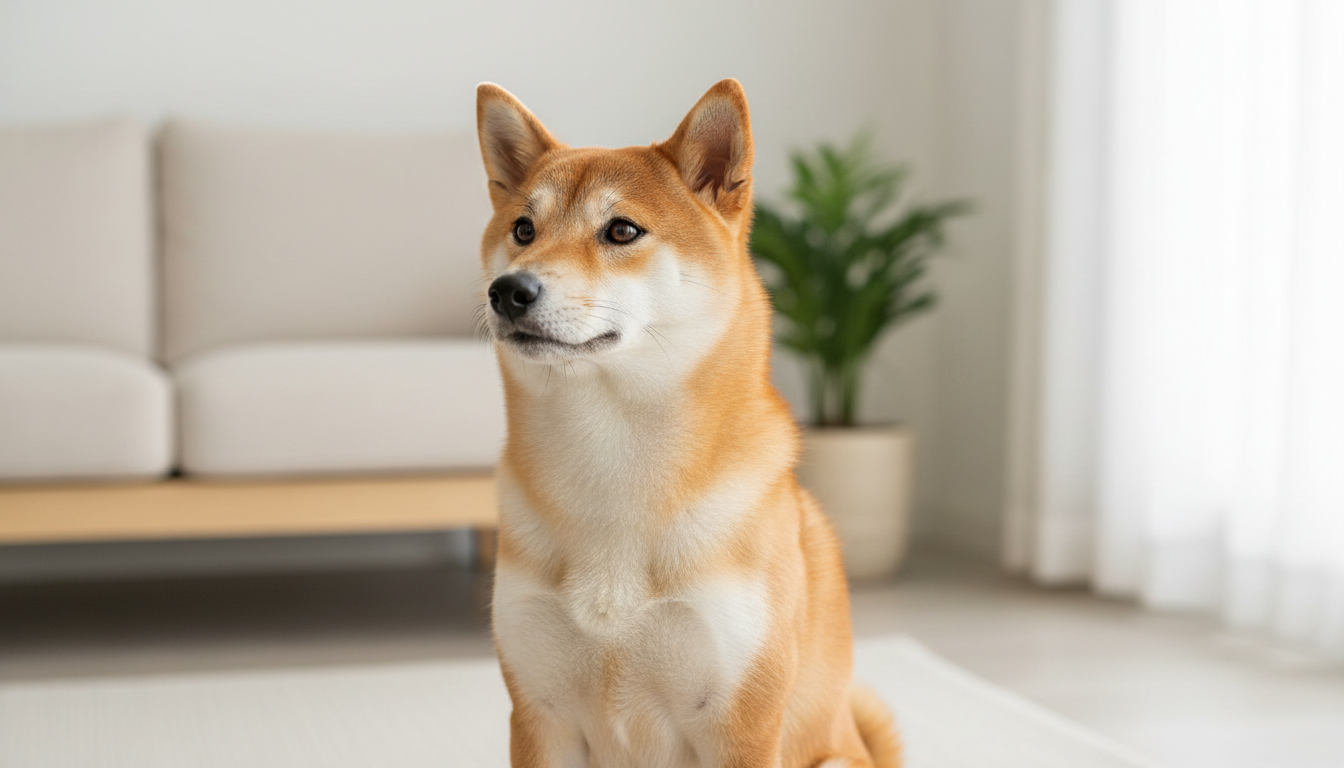
Traditional repetition-heavy training methods often backfire with Shiba Inus because the breed tends to get bored quickly and may actively resist a command once it feels redundant. Short, varied training sessions tend to work far better than long drilling sessions. Five minutes of focused, engaging work several times a day usually produces better results than one long twenty-minute session that leaves both of you frustrated.
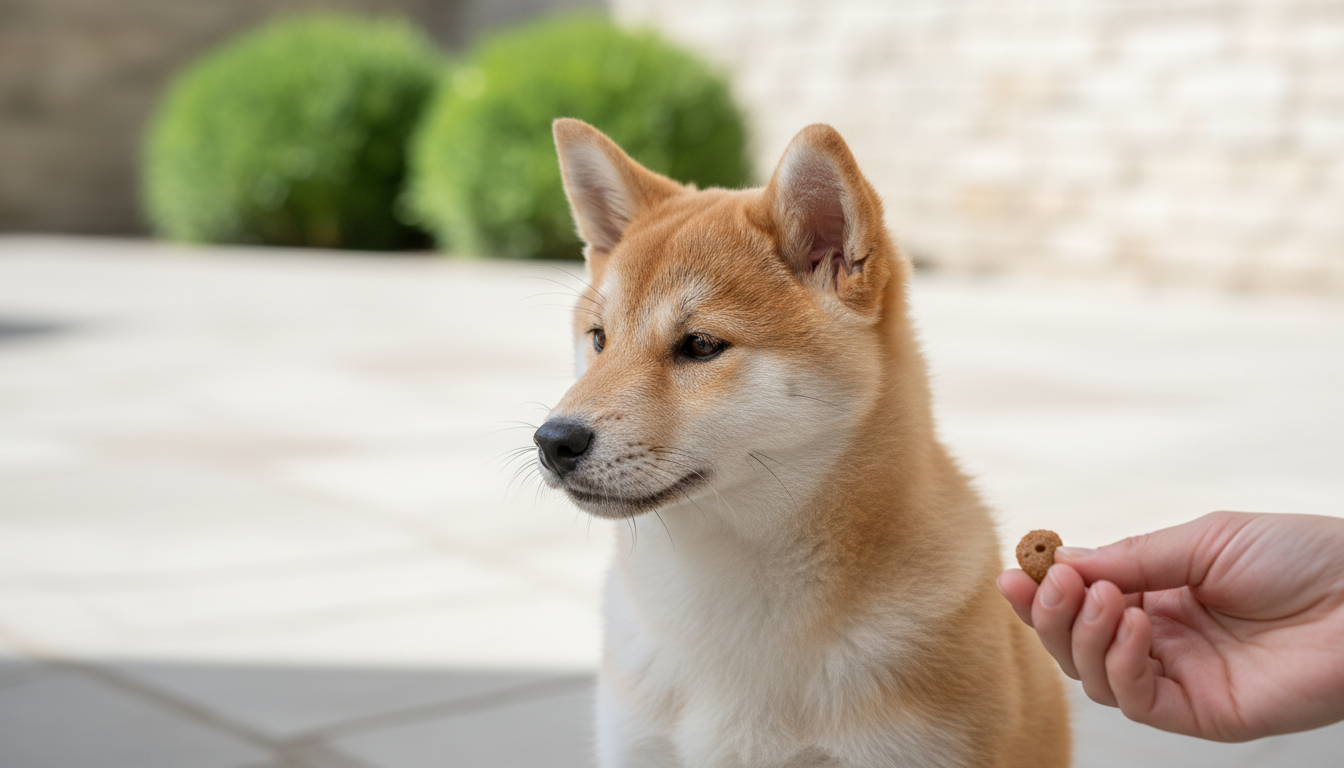
Positive reinforcement is essential with this breed, and high-value rewards matter more than they might with a more food-motivated breed. Many Shibas are not as reliably treat-driven as a Labrador, so you may need to experiment with different rewards, including praise, play, or access to something the dog wants, to find what actually motivates your individual dog. Harsh corrections or punishment-based methods tend to damage trust with Shibas and can make the independence worse rather than better, since the dog may simply decide the interaction is not worth engaging with at all.
- Keep sessions short and end on a success
- Use high-value rewards unique to your dog’s preferences
- Avoid repeating a command the dog has already performed correctly
- Build training into daily life rather than isolated sessions
- Stay calm and avoid escalating when the dog resists
Socialization and Its Role in Temperament
Early socialization matters enormously for Shiba Inus because their independent nature can tip into aloofness or wariness toward strangers if they are not exposed to a variety of people, environments, and other animals while young. A well-socialized Shiba can still be reserved, which is normal for the breed, but should not be fearful or reactive in everyday situations. Puppy classes, supervised interactions with other dogs, and gradual exposure to new environments all help shape a more confident, adaptable adult.
This is also a breed known for being somewhat territorial and selective about which humans and animals it bonds with. Many Shibas form a close attachment to their immediate family while remaining politely distant with strangers, which some owners describe as a cat-like quality. This is not a flaw to correct but a breed trait to understand and work with, as long as the dog is not showing fear-based aggression.
Living With a Cat-Like Dog
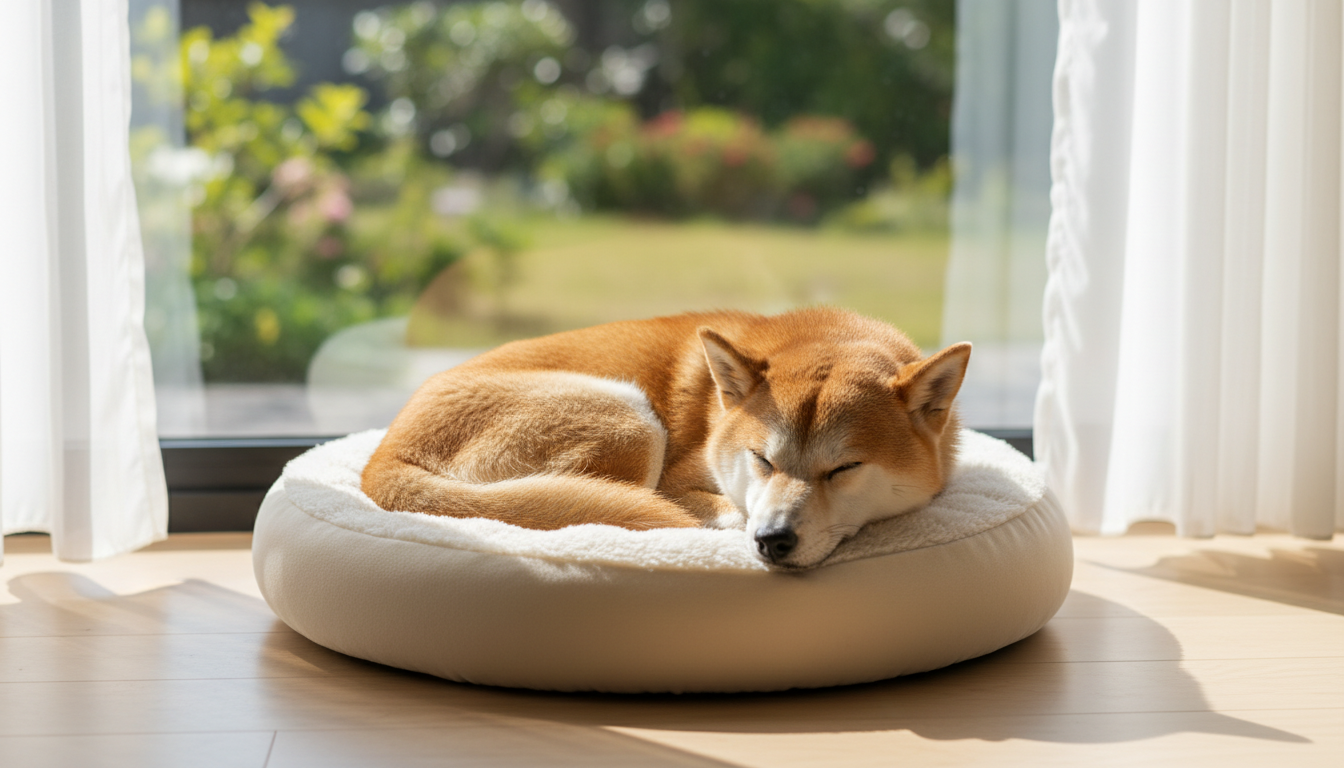
Shiba Inus are frequently compared to cats, and the comparison goes beyond their fastidious grooming habits. They tend to be self-sufficient, content to entertain themselves, and not as reliant on constant human attention as some other breeds. This independence can be refreshing for owners who want a lower-maintenance companion in terms of neediness, but it can also catch first-time owners off guard if they were expecting a dog that craves constant interaction and affection.
This trait also means Shibas often do well being left alone for reasonable periods, as long as their physical and mental needs are otherwise met. They are not necessarily prone to separation anxiety the way some other breeds are, though every individual dog is different, and any dog left alone too long without enrichment can develop problem behaviors out of boredom.
Managing Shiba Inu Independence Day to Day
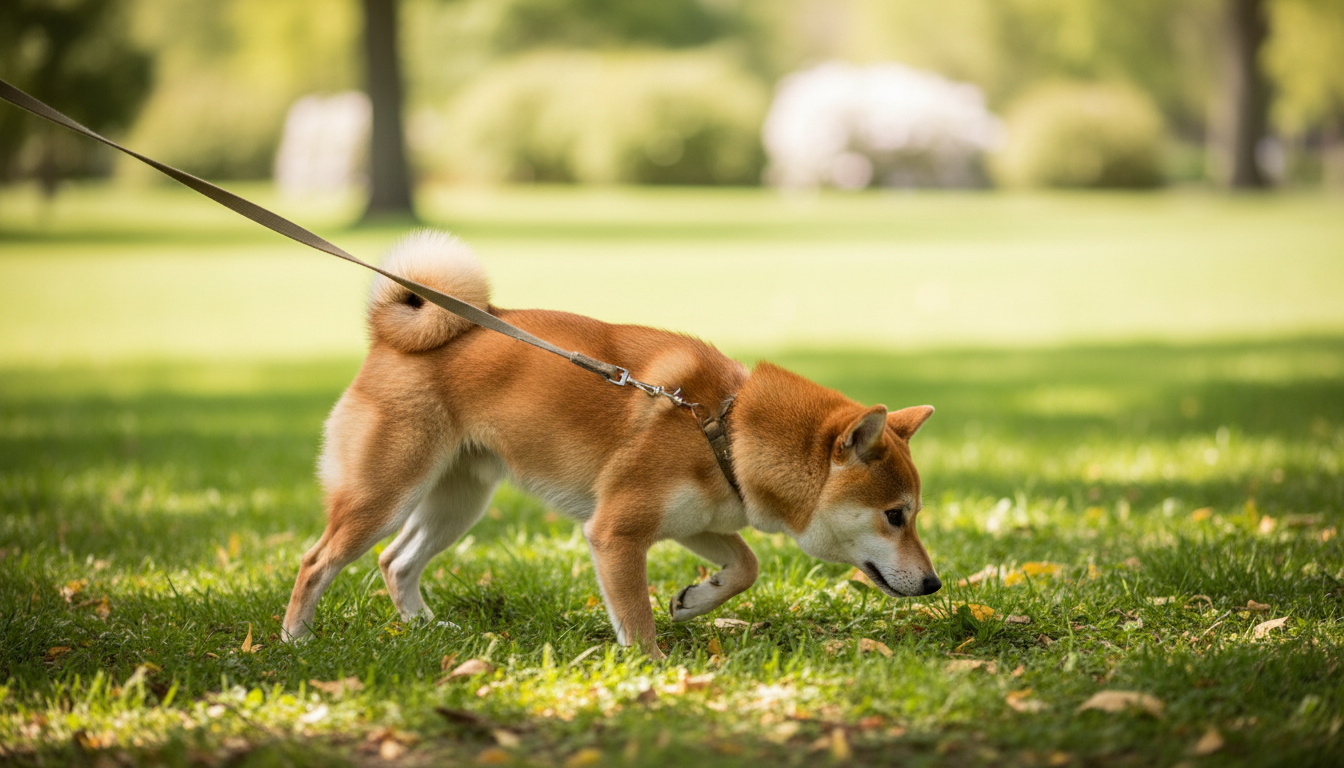
Living successfully with an independent Shiba comes down to working with the dog’s nature rather than against it. Secure fencing is non-negotiable for this breed, since their prey drive combined with unreliable recall makes off-leash freedom risky in unenclosed areas. A securely fenced yard or consistent use of a leash during walks protects your dog from the very real danger of it deciding to chase something and ignoring your calls to return.
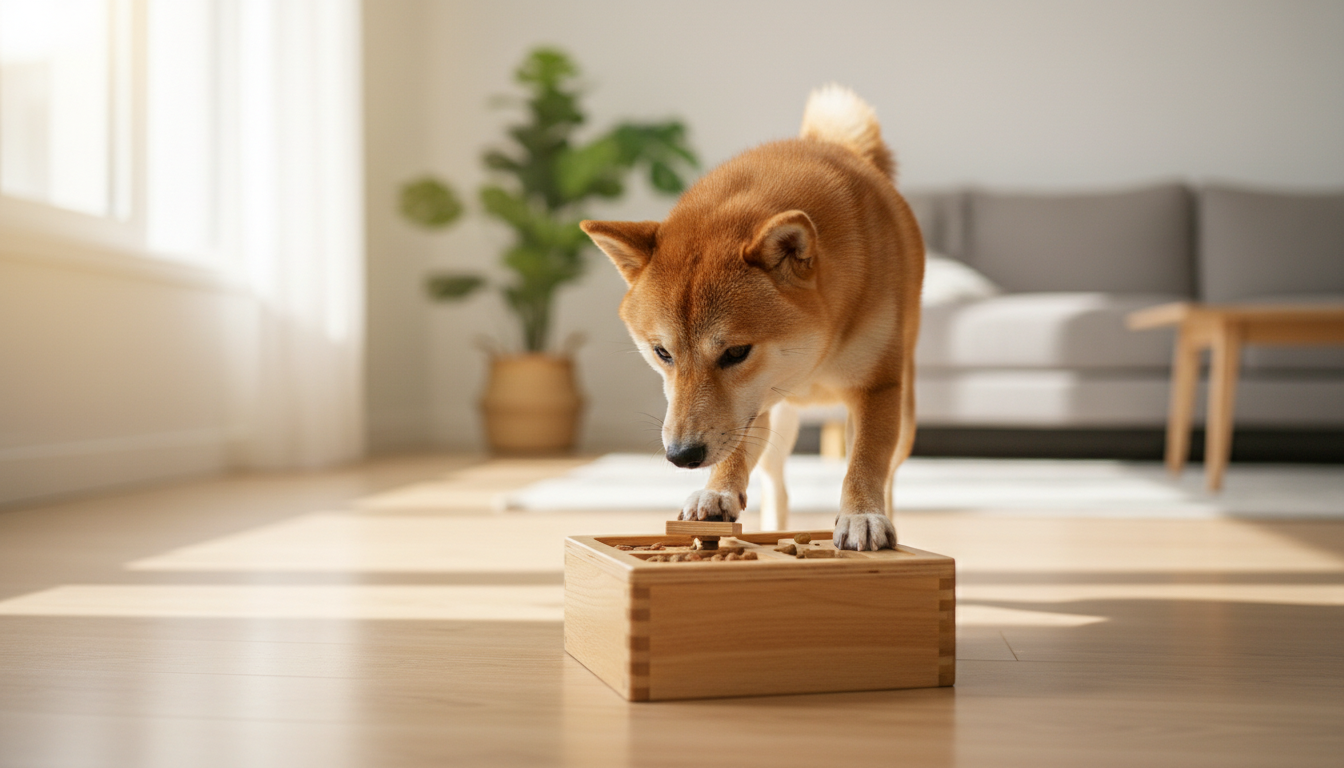
Mental stimulation matters just as much as physical exercise for keeping a Shiba engaged and cooperative. Puzzle toys, scent games, and varied walking routes help satisfy the breed’s need for mental engagement in a way that a simple repetitive walk around the block does not. A bored Shiba is more likely to become destructive or vocal, so building enrichment into daily routines pays off in a calmer, more manageable dog.
- Use secure fencing or a leash at all times outdoors
- Rotate puzzle toys and enrichment activities regularly
- Vary walking routes to provide new sights and smells
- Build in short play sessions throughout the day
- Avoid relying on off-leash recall in unsecured areas
When Stubbornness Might Signal Something Else
While independence is simply part of the Shiba Inu personality, a sudden change in behavior should never be dismissed as “just being a Shiba.” If a normally cooperative dog suddenly becomes resistant to commands it previously knew well, or if the resistance is paired with other symptoms like lethargy, appetite changes, or signs of pain, it is worth scheduling a visit with your veterinarian rather than assuming it is purely behavioral. Dogs in pain or discomfort often become less compliant, and ruling out a medical cause is an important first step before addressing it as a training issue.
Similarly, if stubbornness tips into aggression, such as growling or snapping when asked to do something routine, this warrants professional attention from a veterinarian and potentially a certified behaviorist. Aggression is not a normal expression of Shiba independence, and it should be evaluated rather than managed with training alone.
Working With a Professional Trainer
Because Shiba Inus respond poorly to heavy-handed methods but also need consistent boundaries, many owners benefit from working with a professional trainer experienced specifically with independent or primitive breeds. A trainer familiar with Shibas can help you read your individual dog’s motivations and tailor an approach that builds cooperation rather than conflict. This is particularly useful if you are a first-time dog owner or have only had experience with more biddable breeds in the past.
Group classes can also help with socialization while reinforcing training in a structured environment, though some Shibas do better with one-on-one sessions initially if they find group settings overstimulating. Your veterinarian can often refer you to trainers in your area who have specific experience with this breed or similar independent breeds like Akitas or Basenjis.
Setting Realistic Expectations as an Owner
Part of successfully living with a Shiba Inu is adjusting your expectations about what a “well-trained” dog looks like. A Shiba that reliably sits, stays, and walks nicely on a leash but occasionally ignores a recall command in an exciting situation is not a failure of training; it is a realistic outcome for this breed. Expecting the same unwavering obedience you might get from a Border Collie or German Shepherd sets both you and your dog up for frustration.
This does not mean you should give up on training altogether. Consistent, patient work still produces a dog that is pleasant to live with and safe in most situations. It simply means measuring success against the breed’s temperament rather than against a different breed’s standard, and celebrating the small, steady improvements that come with time and consistency.
Building Trust Over Time
Trust between you and your Shiba Inu develops gradually, often more slowly than with breeds that are naturally more eager to bond. Consistency in your routines, calm handling, and avoiding punitive responses to normal independent behavior all contribute to a dog that becomes more cooperative as the relationship matures. Many owners find that their Shiba becomes noticeably more responsive and affectionate as it ages, particularly once it feels secure in its environment and routine.
Patience is the key ingredient here. A Shiba that seems aloof or resistant as a young dog often mellows into a loyal, if still independent-minded, companion by adulthood. Respecting the dog’s need for some autonomy, rather than trying to override it entirely, tends to produce better long-term results than constant battles for control.
When to Talk to Your Veterinarian
If you are struggling with your Shiba’s behavior to the point where it is affecting your ability to manage daily life, or if you notice any sudden changes in temperament, it is worth bringing this up with your veterinarian. They can help rule out underlying medical causes for behavior changes and may refer you to a veterinary behaviorist if a more structured intervention is needed. Behavior concerns are a legitimate reason for a vet visit, not something you need to figure out entirely on your own.
Your vet can also offer guidance on general wellness factors, such as exercise needs and diet, that indirectly influence behavior. A dog that is under-exercised or poorly fed is more likely to show frustration-related behaviors, so ruling out these contributing factors is a useful part of any behavior conversation with your veterinary team.
This article is for general education and is not a substitute for care from your own veterinarian. Learn about The Pet Vet and our editorial policy.