
If you’ve noticed your Shiba Inu scratching, licking their paws, or developing red patches on their skin, you’re not imagining things. Shiba Inu skin allergies are one of the most common health concerns for this breed, and understanding what’s behind the itch can help you get your dog comfortable again. Let’s walk through what causes these flare-ups and what you can do about it.
Table of Contents
- Why Shiba Inus Are Prone to Skin Allergies
- Common Signs of Skin Allergies in Shiba Inus
- Environmental Allergies (Atopy)
- Food Allergies and Sensitivities
- Flea Allergy Dermatitis
- Contact Allergies
- How Vets Diagnose Skin Allergies
- Treatment Options Your Vet May Recommend
- Bathing and Topical Care
- Diet Changes for Allergy Management
- Managing Seasonal Flare-Ups
- Preventing Secondary Skin Infections
- Home Care Tips Between Vet Visits
- When to See a Vet Immediately
- Living Well With a Shiba Inu Prone to Allergies
- Final Thoughts
Why Shiba Inus Are Prone to Skin Allergies
Shiba Inus have a thick double coat that traps heat, moisture, and allergens close to the skin, which can make them more reactive to irritants than some other breeds. Many owners report that their Shiba develops itchy skin, redness, or hot spots at some point in their life, especially during seasonal changes when pollen and humidity levels shift.
Genetics also play a role. Some lines of Shiba Inu appear to have a higher tendency toward atopic dermatitis, an inherited sensitivity to environmental allergens. This doesn’t mean every Shiba will struggle with allergies, but it does mean owners should stay alert to early skin changes rather than dismissing them as a passing phase.
Common Signs of Skin Allergies in Shiba Inus
Allergic skin reactions can show up in a variety of ways, and they don’t always look the same from one dog to the next. Some Shibas develop generalized itchiness, while others show more localized irritation around the face, ears, paws, or belly.
Catching these signs early gives you a better chance of managing the problem before it turns into a painful skin infection. Keep an eye out for changes in your dog’s coat, skin color, or behavior around grooming and scratching.
- Frequent scratching, licking, or chewing at paws and skin
- Red, inflamed, or scabbed patches of skin
- Hair loss or thinning fur in specific spots
- Recurrent ear infections or head shaking
- A musty or yeasty odor coming from the skin or ears
- Restlessness, especially at night when itching worsens
Environmental Allergies (Atopy)
Environmental allergies, also called atopic dermatitis, happen when your Shiba’s immune system overreacts to things like pollen, dust mites, mold spores, or grass. Because these allergens are airborne or present in the yard and home, they can be tricky to avoid completely.
Atopy often shows a seasonal pattern at first, flaring in spring or fall, but it can become a year-round issue as a dog ages. If you notice your Shiba’s itching lines up with certain seasons or specific outdoor activities, mention this timing to your vet, since it can help narrow down the likely trigger.
Food Allergies and Sensitivities
True food allergies are less common than environmental ones, but they do occur in Shiba Inus and can cause ongoing skin irritation along with digestive upset. Proteins like chicken, beef, or dairy are frequently implicated, though any ingredient can theoretically trigger a reaction in an individual dog.
Unlike environmental allergies, food-related skin issues tend to appear year-round rather than seasonally. If your vet suspects a food allergy, they may recommend a structured elimination diet trial to identify the culprit ingredient, which is a much more reliable approach than guessing based on ingredient lists alone.
Flea Allergy Dermatitis
Some Shiba Inus are highly sensitive to flea saliva, meaning even a single flea bite can trigger intense itching and inflammation. This condition, known as flea allergy dermatitis, often concentrates around the base of the tail, the lower back, and the hind legs.
Because a Shiba’s dense coat can hide fleas well, it’s easy to miss an infestation until the skin reaction is already underway. Year-round flea prevention recommended by your vet is one of the simplest ways to rule this cause out.
Contact Allergies
Contact allergies happen when your dog’s skin reacts to something it physically touches, such as certain fabrics, cleaning products, lawn treatments, or grooming shampoos. These reactions usually appear on areas with less fur, like the belly, groin, or paw pads, where skin has more direct contact with the trigger.
If you’ve recently changed your dog’s bedding, laundry detergent, or a grooming product and noticed new irritation shortly after, a contact allergy could be worth discussing with your veterinarian.
How Vets Diagnose Skin Allergies
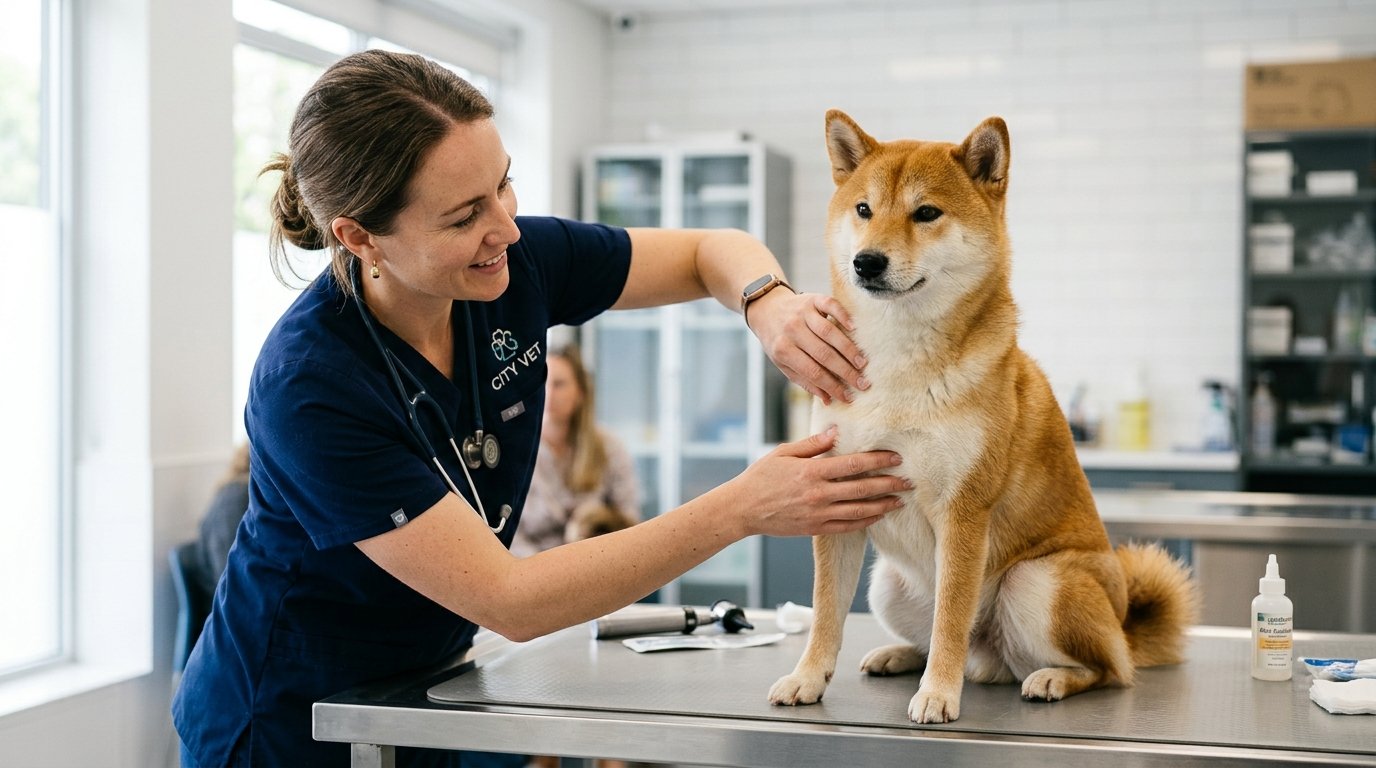
Diagnosing the exact cause of Shiba Inu skin allergies usually takes some detective work, since many allergy types share overlapping symptoms. Your vet will likely start with a physical exam, a history of when symptoms began, and questions about diet, environment, and flea prevention.
From there, they may recommend skin scrapings, cytology, or allergy testing to rule out mites, infections, or specific environmental triggers. In some cases, a food trial or referral to a veterinary dermatologist is the next step for a more definitive answer.
Treatment Options Your Vet May Recommend
Treatment for skin allergies depends heavily on the underlying cause, which is why an accurate diagnosis matters so much. Your veterinarian is the right person to recommend and prescribe any medication, since dosing and safety depend on your dog’s weight, age, and overall health.
Options a vet might discuss include anti-itch medications, immune-modulating treatments, medicated shampoos, or allergy-specific therapies for long-term environmental allergies. Never start or adjust any medication without your vet’s guidance, even if it worked for another dog you know.
Bathing and Topical Care
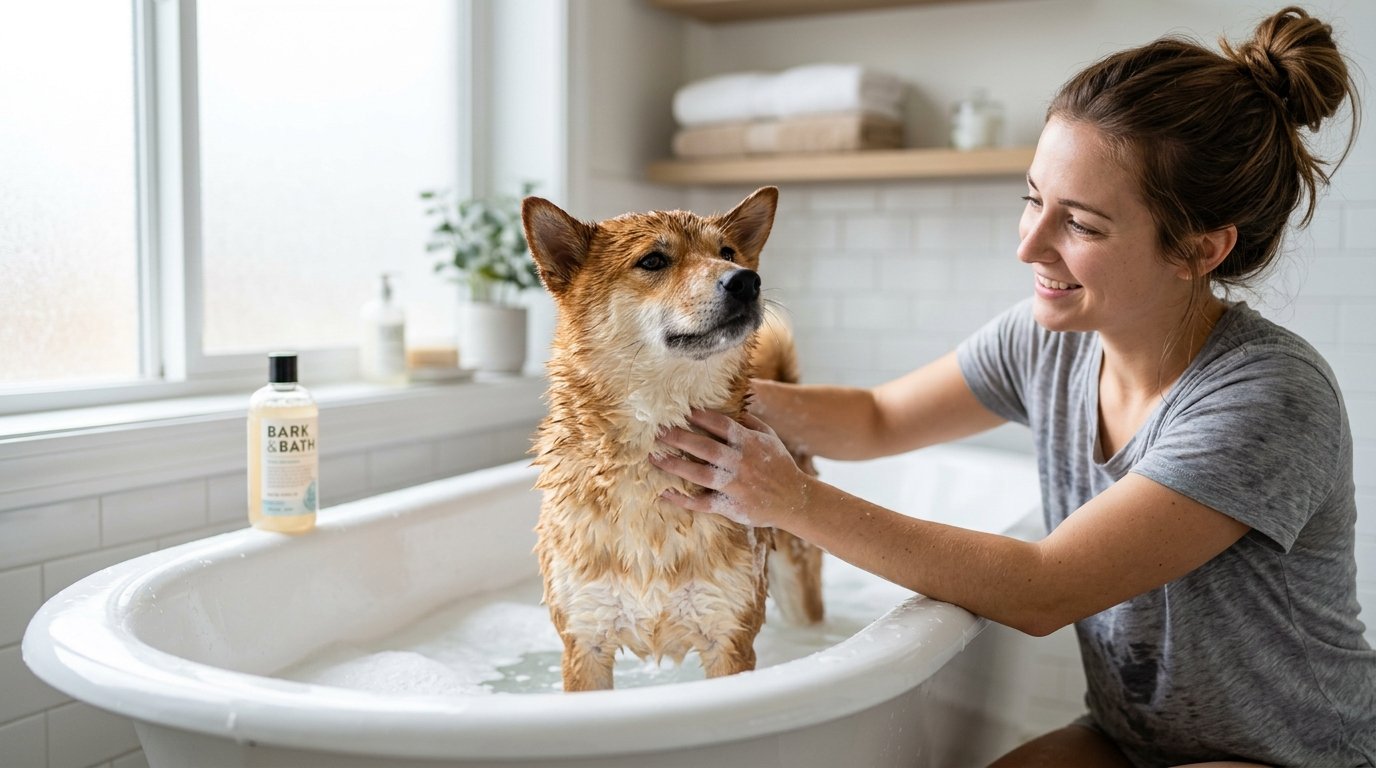
Regular bathing with a vet-approved medicated or soothing shampoo can help remove allergens from your Shiba’s coat and calm irritated skin. Look for products specifically recommended by your veterinarian rather than assuming any oatmeal or sensitive-skin shampoo will work the same way.
Between baths, gently wiping your dog’s paws and belly after outdoor time can reduce the amount of pollen or debris that stays in contact with their skin. Just be careful not to over-bathe, since stripping natural oils too frequently can sometimes make skin dryness and itching worse.
- Use only shampoos your vet has approved for allergy-prone skin
- Rinse thoroughly to avoid leftover residue that can irritate skin
- Pat dry gently rather than rubbing vigorously
- Wipe paws and belly after walks during high-pollen seasons
Diet Changes for Allergy Management
If your vet suspects food is contributing to your Shiba’s skin issues, they may suggest a limited-ingredient or hydrolyzed protein diet to help identify the trigger. These diets work by removing common allergens so your dog’s system has a chance to calm down before ingredients are reintroduced one at a time.
It’s important to stick closely to your vet’s diet plan during this process, since even small treats or table scraps can interfere with the results. Ask your vet before adding any supplements, since some can also affect skin health for better or worse.
Managing Seasonal Flare-Ups
For Shibas with environmental allergies, certain times of year will likely bring more noticeable symptoms. Keeping a simple log of when flare-ups happen can help you and your vet spot patterns and plan ahead with preventive care before symptoms peak.
Reducing exposure where possible, such as rinsing paws after walks during high-pollen days or vacuuming frequently to reduce dust and dander indoors, can make a meaningful difference alongside any treatment your vet prescribes.
Preventing Secondary Skin Infections
Constant scratching and licking can break the skin’s protective barrier, allowing bacteria or yeast to move in and cause a secondary infection. These infections often bring additional odor, discharge, or worsening redness, and they typically need targeted treatment from your vet rather than resolving on their own.
Catching allergy symptoms early and following your vet’s treatment plan closely is one of the best ways to prevent this cycle from starting in the first place.
- Watch for increased redness, swelling, or discharge
- Note any new odor coming from the skin or ears
- Avoid letting your dog lick or chew excessively at one spot
- Contact your vet promptly if a spot seems to be worsening
Home Care Tips Between Vet Visits
While your vet leads the treatment plan, there’s plenty you can do at home to support your Shiba’s comfort day to day. Keeping their environment clean, washing bedding regularly, and maintaining consistent flea prevention all reduce the overall allergen load your dog is exposed to.
A well-balanced diet, steady routine, and regular grooming also support healthy skin from the inside out. Small, consistent habits often matter more than any single product when it comes to long-term allergy management.
When to See a Vet Immediately
Most skin allergy symptoms build gradually, but some situations call for prompt veterinary attention rather than a wait-and-see approach. If your Shiba’s skin looks severely inflamed, is bleeding from scratching, or your dog seems to be in significant distress, don’t wait for a routine appointment.
Sudden swelling of the face or difficulty breathing alongside skin symptoms could point to a more serious allergic reaction and should be treated as an emergency.
- Sudden facial swelling or hives
- Difficulty breathing or excessive drooling
- Open wounds or bleeding from scratching
- Signs of severe pain or extreme lethargy
Living Well With a Shiba Inu Prone to Allergies
Managing Shiba Inu skin allergies is often an ongoing process rather than a one-time fix, especially for environmental triggers that can’t be fully avoided. With patience, consistent vet guidance, and attentive home care, most dogs settle into a manageable routine that keeps flare-ups infrequent and mild.
Building a strong relationship with your veterinarian gives you a reliable partner for adjusting the plan as your Shiba ages or as seasons change, so you’re never navigating a flare-up alone.
Final Thoughts
Skin allergies can be frustrating for both you and your Shiba Inu, but they’re rarely something you have to figure out on your own. Paying close attention to symptoms, tracking patterns, and working closely with your vet gives your dog the best shot at lasting comfort.
If your dog’s itching, redness, or skin changes persist or worsen, schedule a visit with your veterinarian so they can guide you toward the safest and most effective treatment plan for your individual dog.
This article is for general education and is not a substitute for care from your own veterinarian. Learn about The Pet Vet and our editorial policy.