
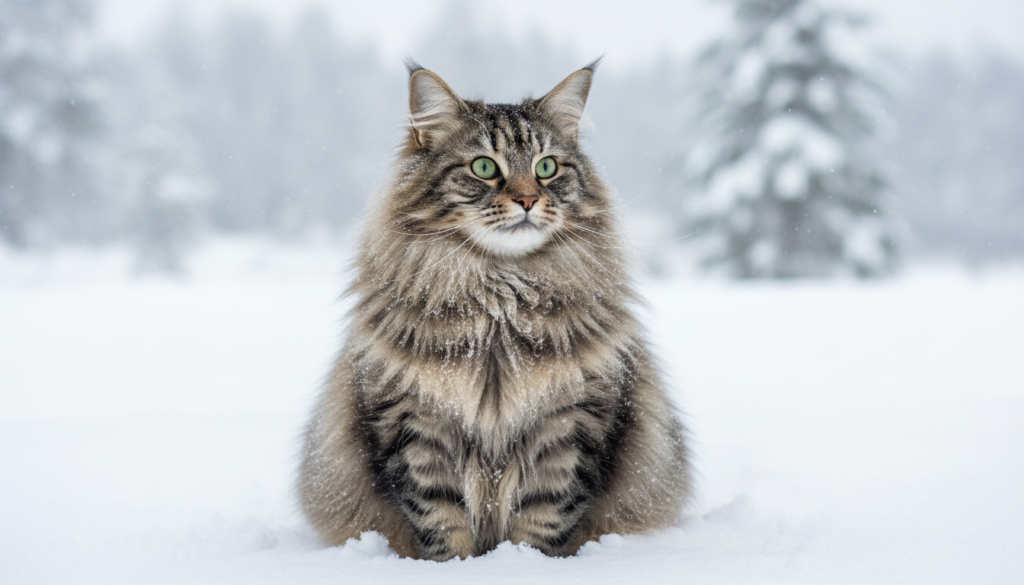
Norwegian Forest Cat Cold Weather Tolerance: Why This Breed Loves the Cold (And What Still Worries Vets)
Norwegian Forest Cats are built for cold climates, but that doesn’t mean winter is risk-free for this hardy breed.
Norwegian Forest Cats are built for cold climates, but that doesn’t mean winter is risk-free for this hardy breed.
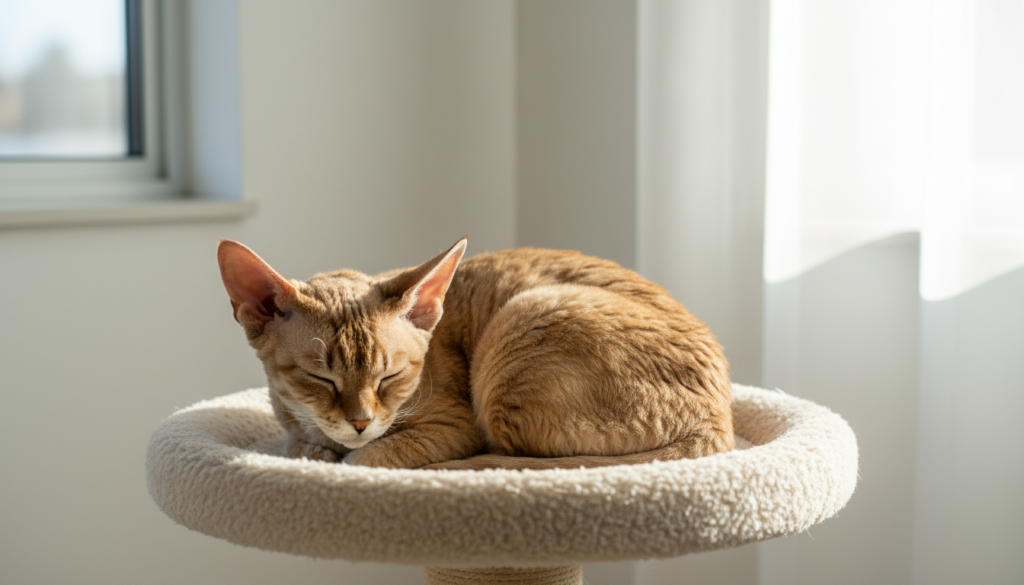
Devon Rex temperature sensitivity means these thin-coated cats chill fast, so owners need to know the warning signs and how to keep them warm safely.
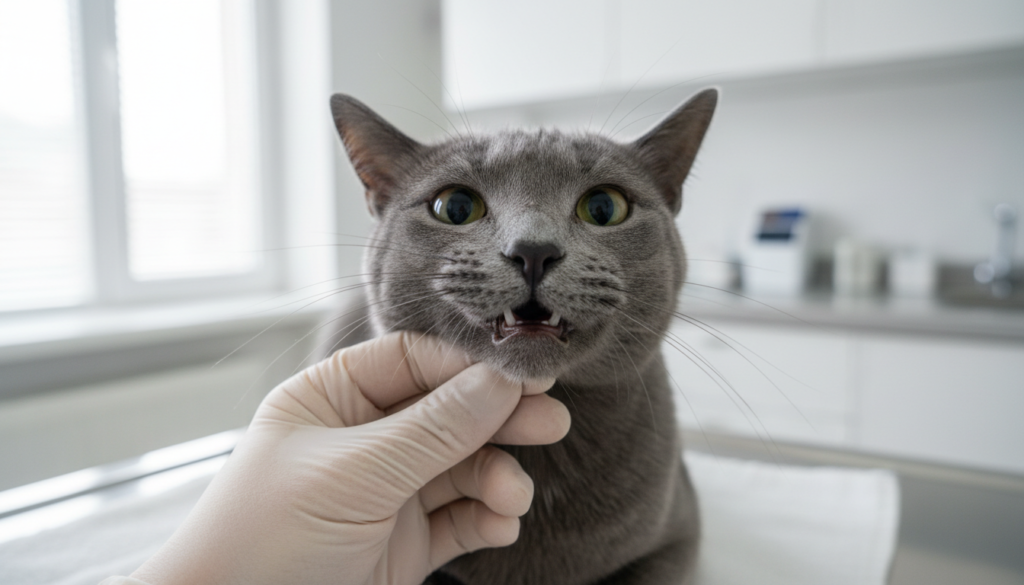
Learn about dental disease in cats, signs of tooth and gum problems, veterinary treatment and home care that supports feline oral health.
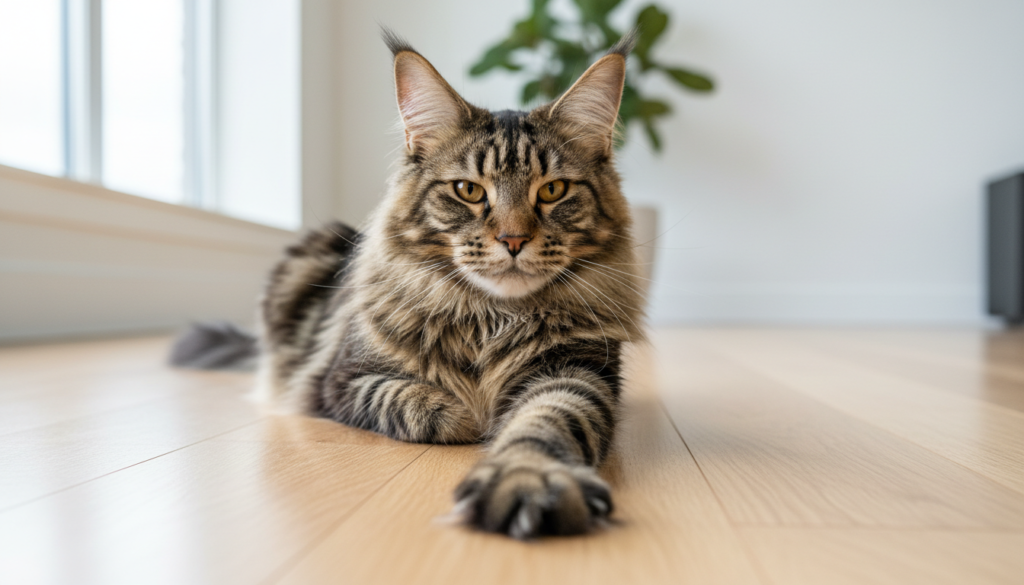
Maine Coon polydactyl paws need special nail and joint care—here’s how to keep those extra-toed feet healthy.
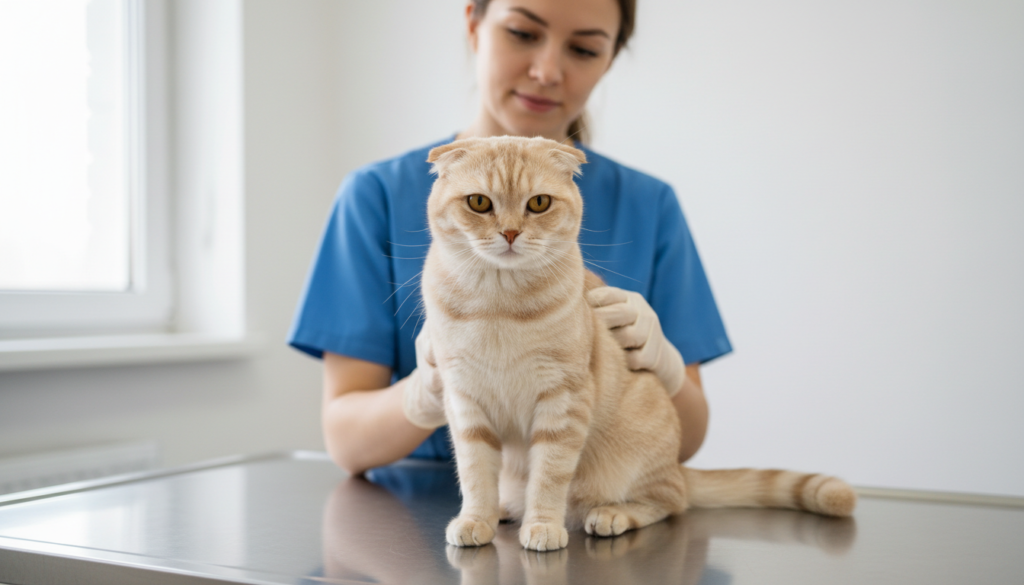
Polycystic kidney disease can affect Scottish Fold cats, slowly damaging kidney function over years without obvious early signs.
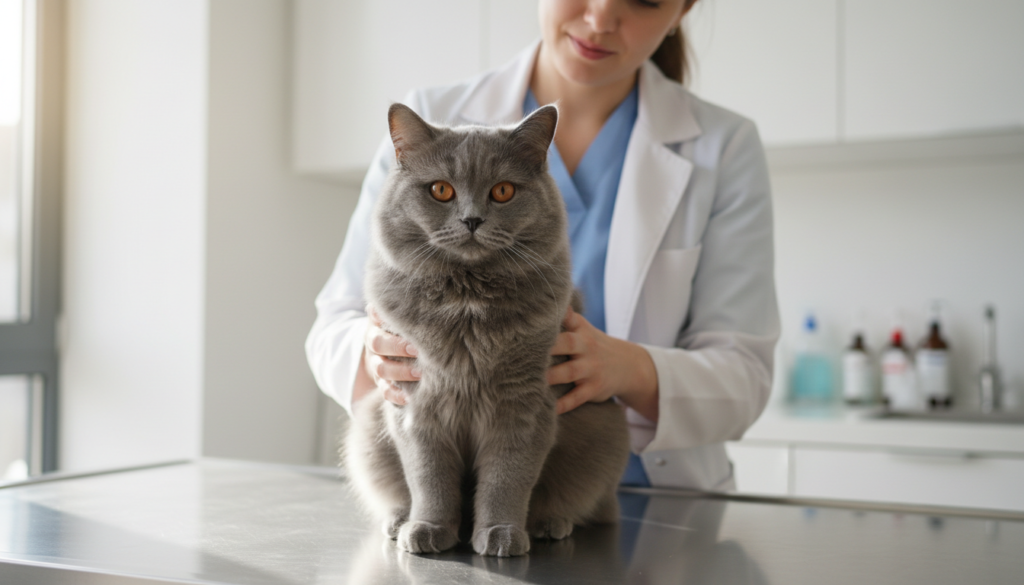
Polycystic kidney disease can quietly affect British Shorthair cats for years before signs appear, so early screening matters.
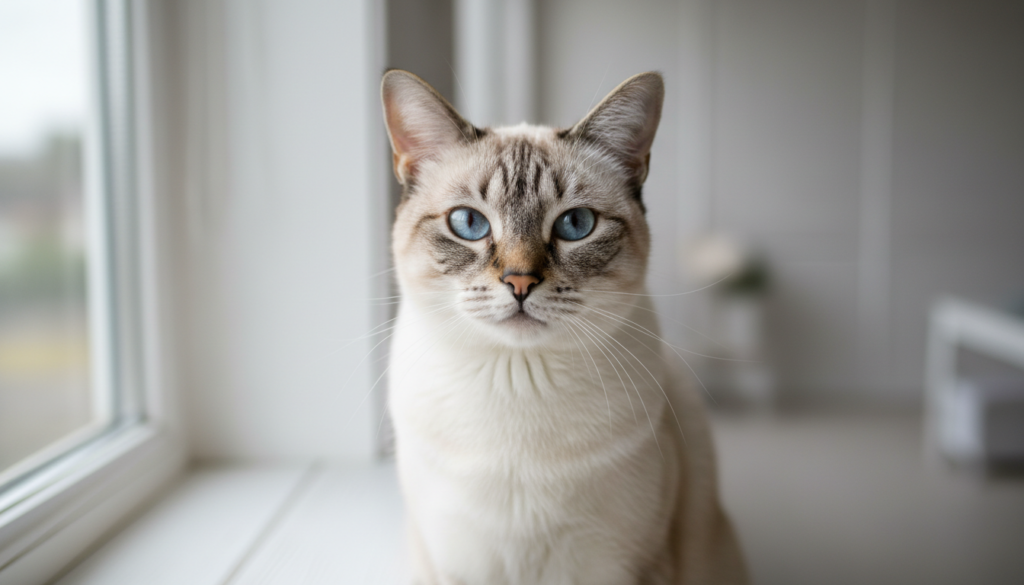
Strabismus in Siamese cats causes their signature crossed-eye look, and understanding the cause helps you know when it’s harmless and when it needs a vet.
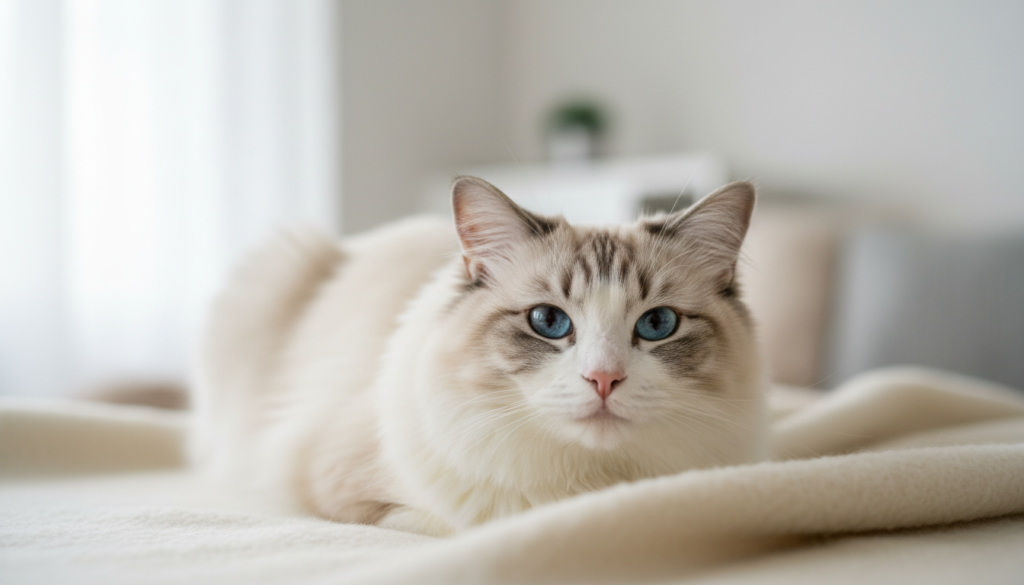
Ragdolls carry a known genetic risk for heart muscle thickening—here’s how to recognize the signs and what monitoring looks like.
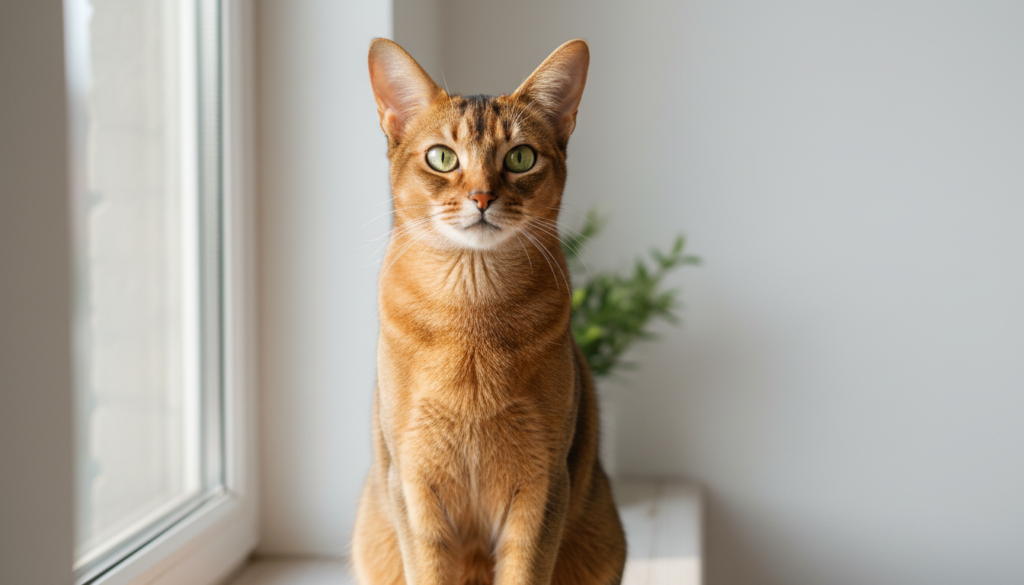
Amyloidosis in Abyssinian cats is an inherited condition that can quietly damage the kidneys and liver, so early awareness matters.
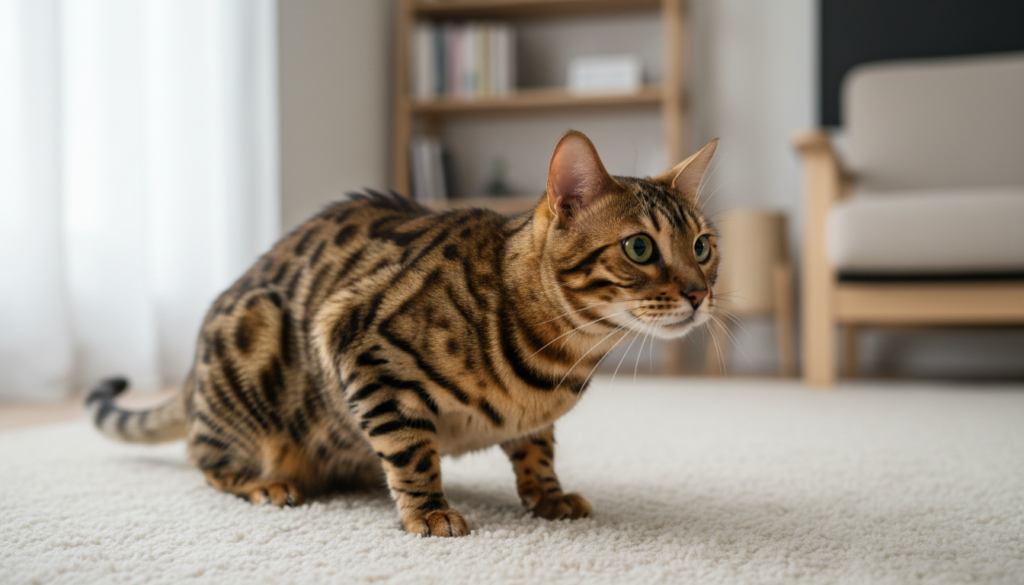
Feline hyperesthesia syndrome can look dramatic in Bengal cats, but understanding the triggers helps you know when to worry and when to call the vet.