
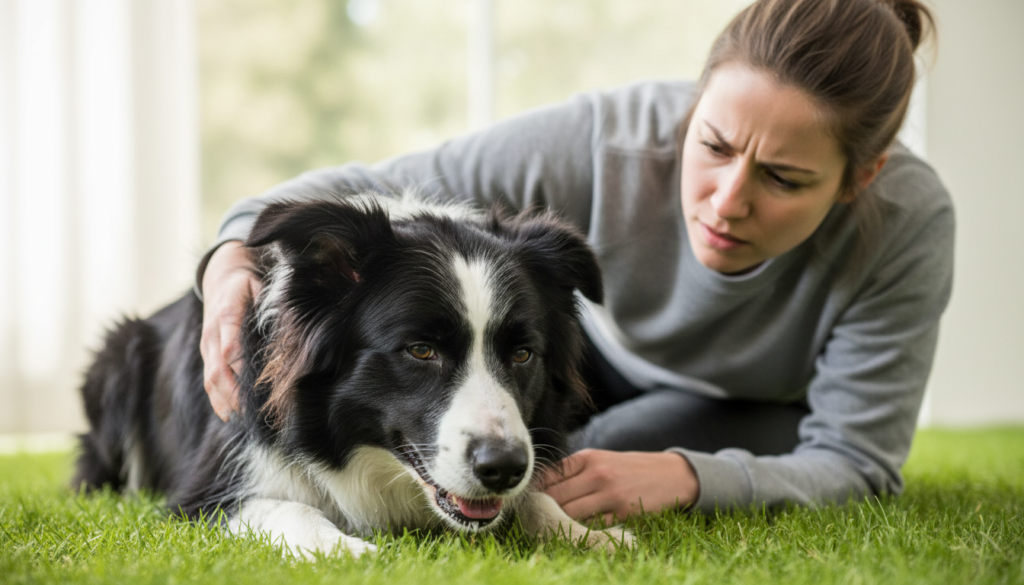
Border Collie Collapse: Signs, Diagnosis, and Safe Management
Border Collie collapse can follow intense exercise. Learn signs, urgent look-alikes, what veterinary research says about genetics, and how to manage activity.
Border Collie collapse can follow intense exercise. Learn signs, urgent look-alikes, what veterinary research says about genetics, and how to manage activity.
Bald patches in dogs can mean itching, infection or underlying illness. Learn what to record before a vet appointment.
Dog house accidents can reflect illness, changes in routine or aging. Learn what to record and why punishment may worsen the problem.
TPLO surgery recovery requires controlled activity and scheduled rechecks. Learn what questions to ask your dog’s surgical team.
Dog cruciate ligament injuries can cause limping, stiffness and pain. Learn how vets diagnose them and compare treatment options.
Dog tremors can stem from many conditions. Learn what shaker syndrome means, why a vet rules out other causes and when shaking is an emergency.
A sticky or dry-looking mouth in a dog can signal more than thirst. Learn possible causes, what a vet checks and when to seek prompt treatment.
Dog drooling can be normal for some breeds, but a sudden change needs attention. Learn possible causes and red flags.
Portosystemic shunts in dogs can cause digestive, growth or neurologic symptoms. Learn how vets diagnose them and plan treatment.
Crusty dog paws or noses may be harmless keratin buildup or signs of disease. Learn what to look for and how to protect painful skin.